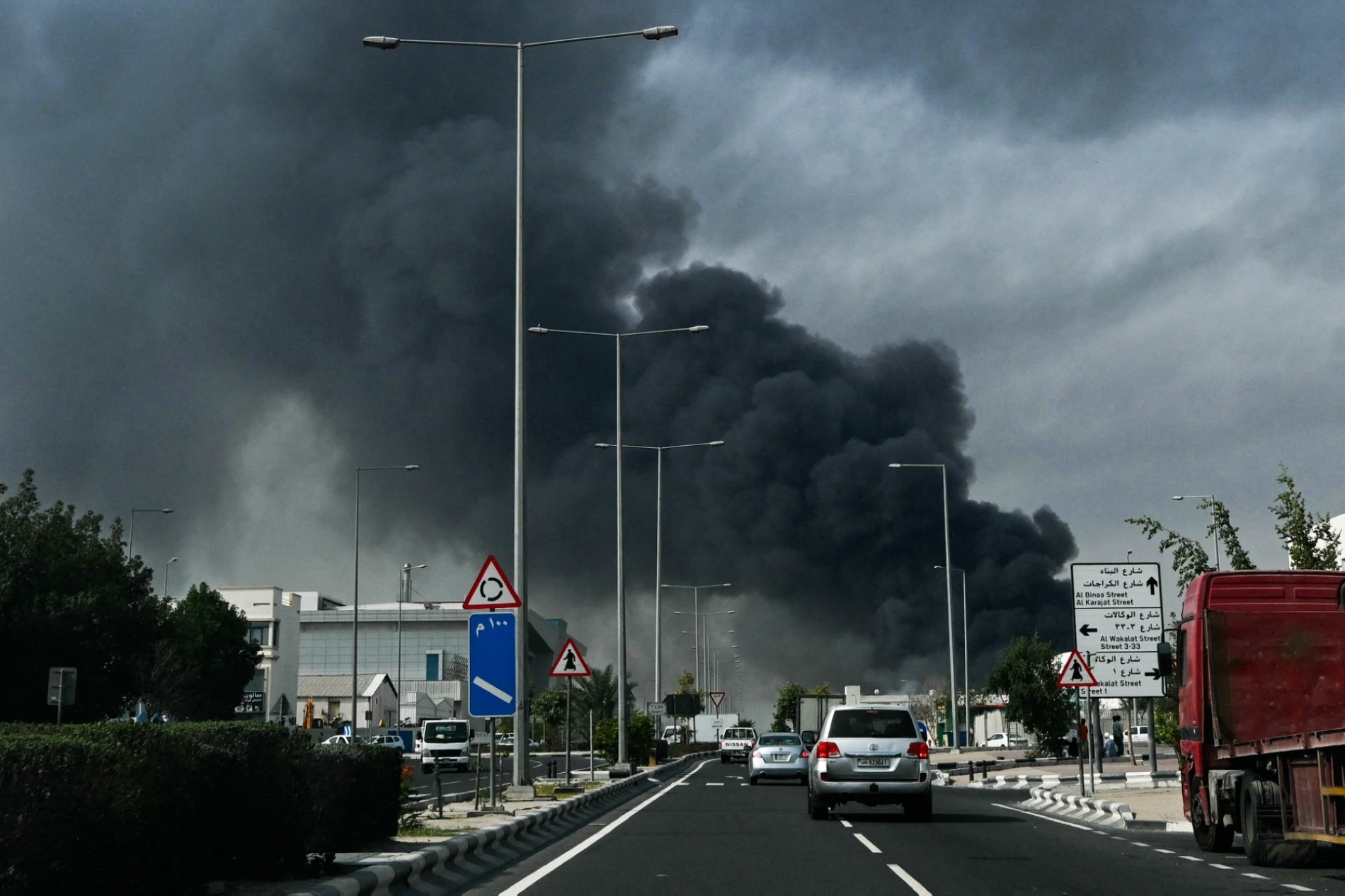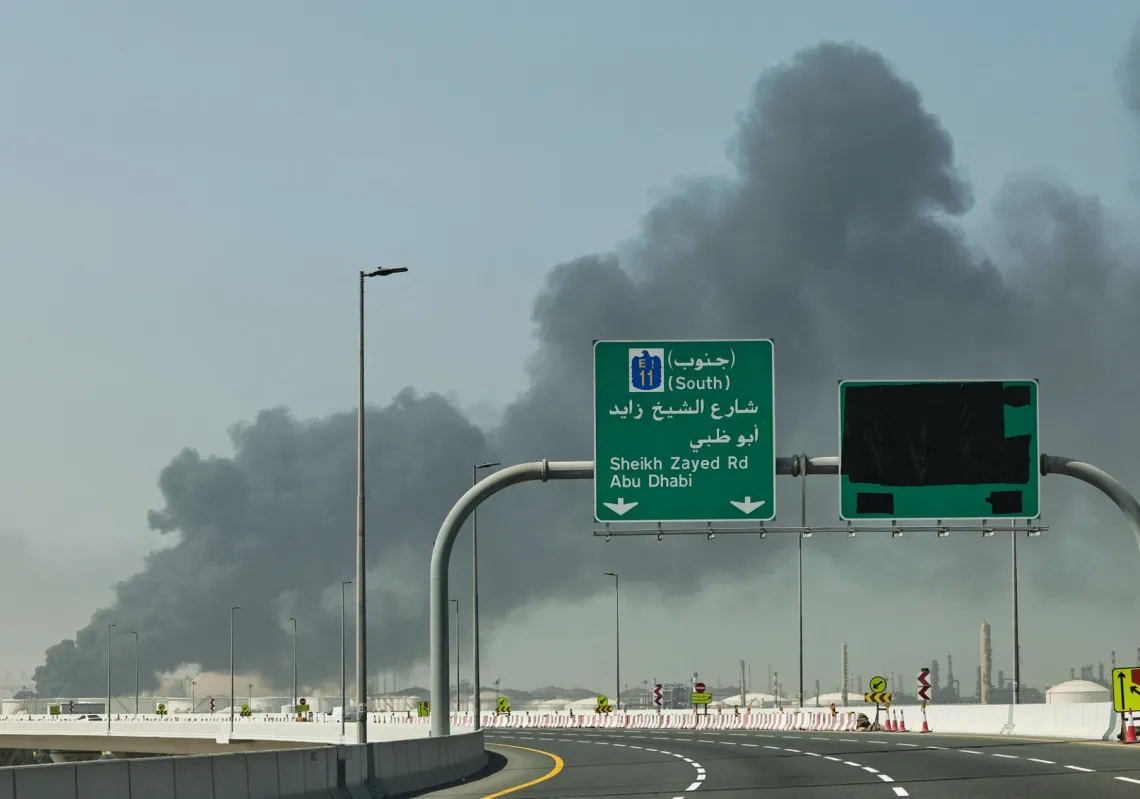

When the United States and Israel attacked Iran on 28 February, the fragile calm that prevailed in the Gulf was shattered, with predictable impacts on the markets. Iran had always suggested that if it were attacked, it would escalate into a regional war, and its recent missiles and drones aimed at the likes of Bahrain, Qatar, the United Arab Emirates, and Kuwait have sent tremors through Gulf financial markets.
In recent days, these markets have shown a measure of resilience, proving capable of absorbing security shocks, including rising oil concerns following Iran’s effective closure of the Strait of Hormuz, alongside declines in tourism, disruptions to aviation and transport, and problems moving goods from exporting countries.
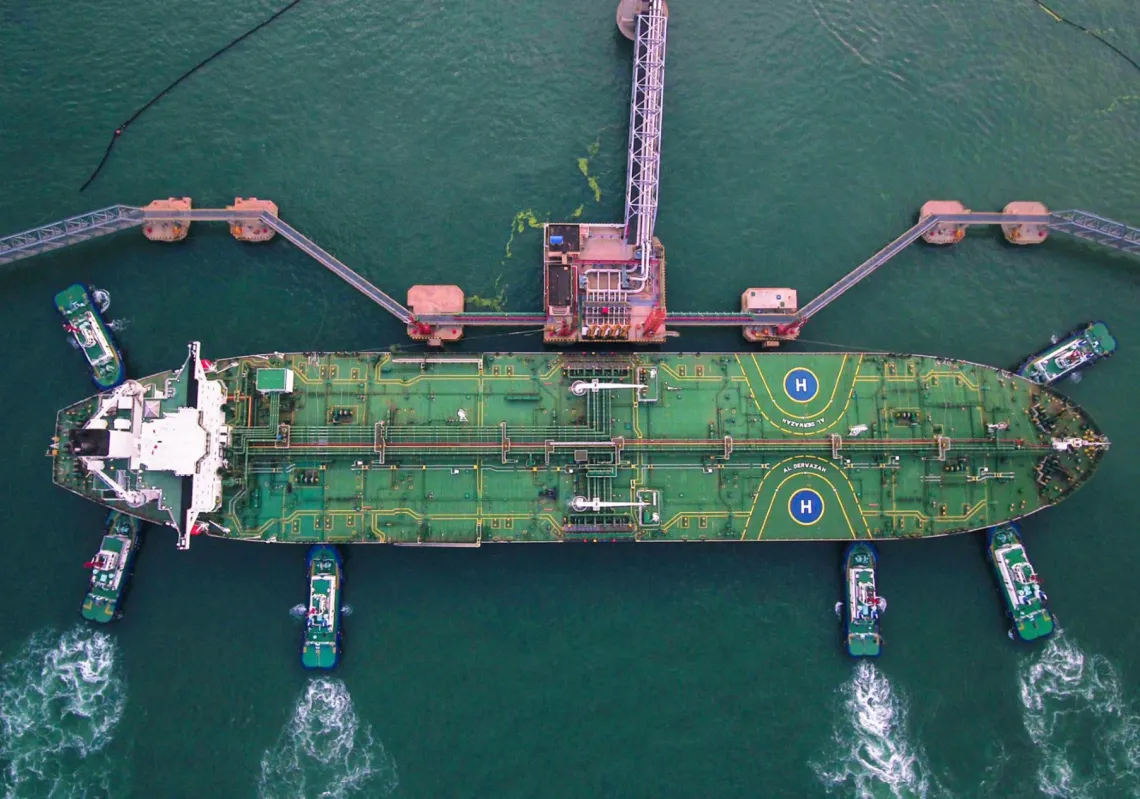
Policymakers and business leaders alike are being urged to help soften the adverse impact on financial markets and shield the value of investment instruments, but safeguarding the flow of oil from the Gulf to consumer markets remains a matter of the utmost importance. Exporting energy underpins Gulf states’ sovereign revenues and therefore their ability to meet public spending demands.
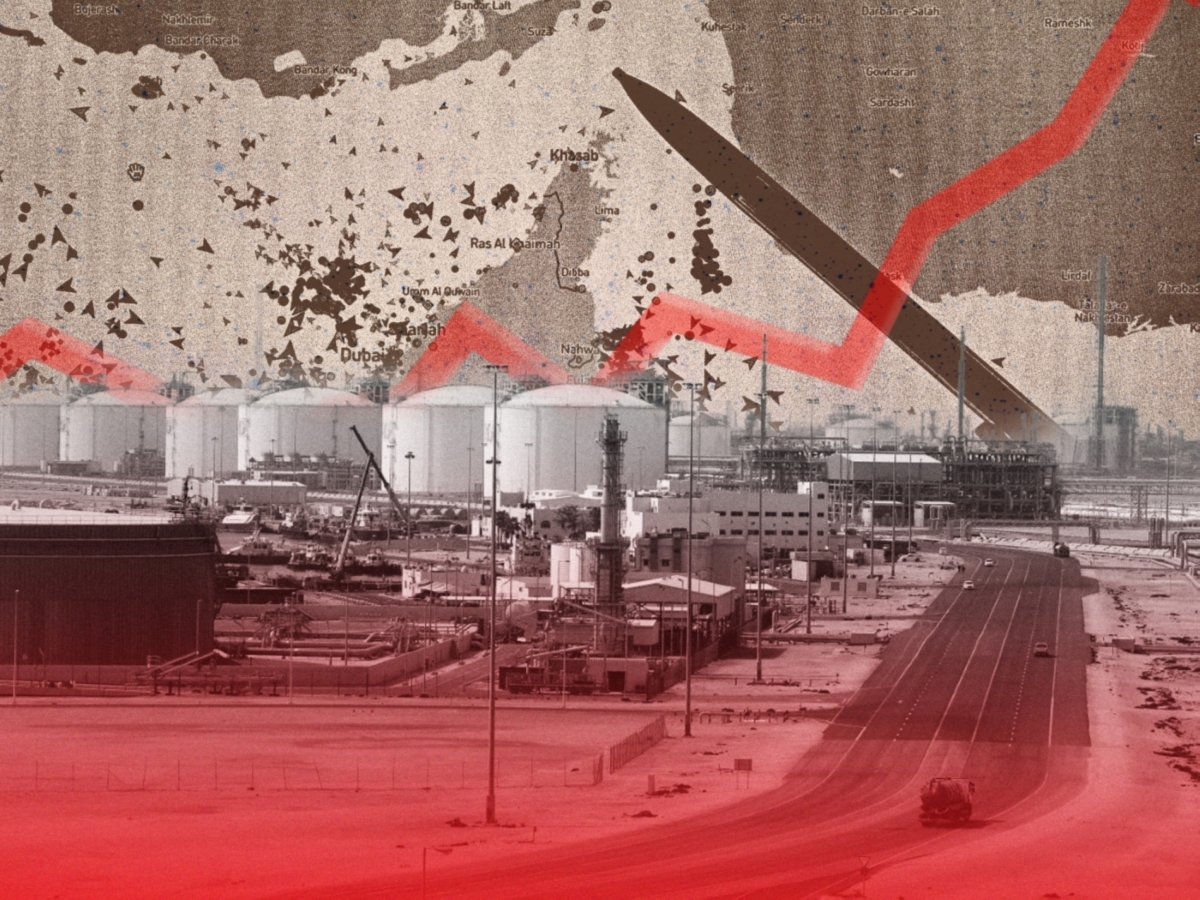
The stability of oil and gas markets affects capital markets across the region. At the onset of the war, stock markets recorded losses, especially on the first trading day, triggering a wave of selling and a rise in oil prices fuelled by fears of supply disruption. There were mixed feelings about this. Many feel that higher oil prices are good news for Gulf governments.
Saudi market
On 1 March, the Saudi Stock Exchange’s main index closed down 233.49 points at 10,475.55. Shares in 15 companies rose, while 252 recorded losses. The day’s leading gainers were Almarai, Saudi Aramco, Al Rajhi Takaful, Nufudh and Nice One, while Research and Media, Elm, Electrical Industries, Building Station and Walaa ranked among the sharpest drops in share price. Some lost almost 10% of their value.
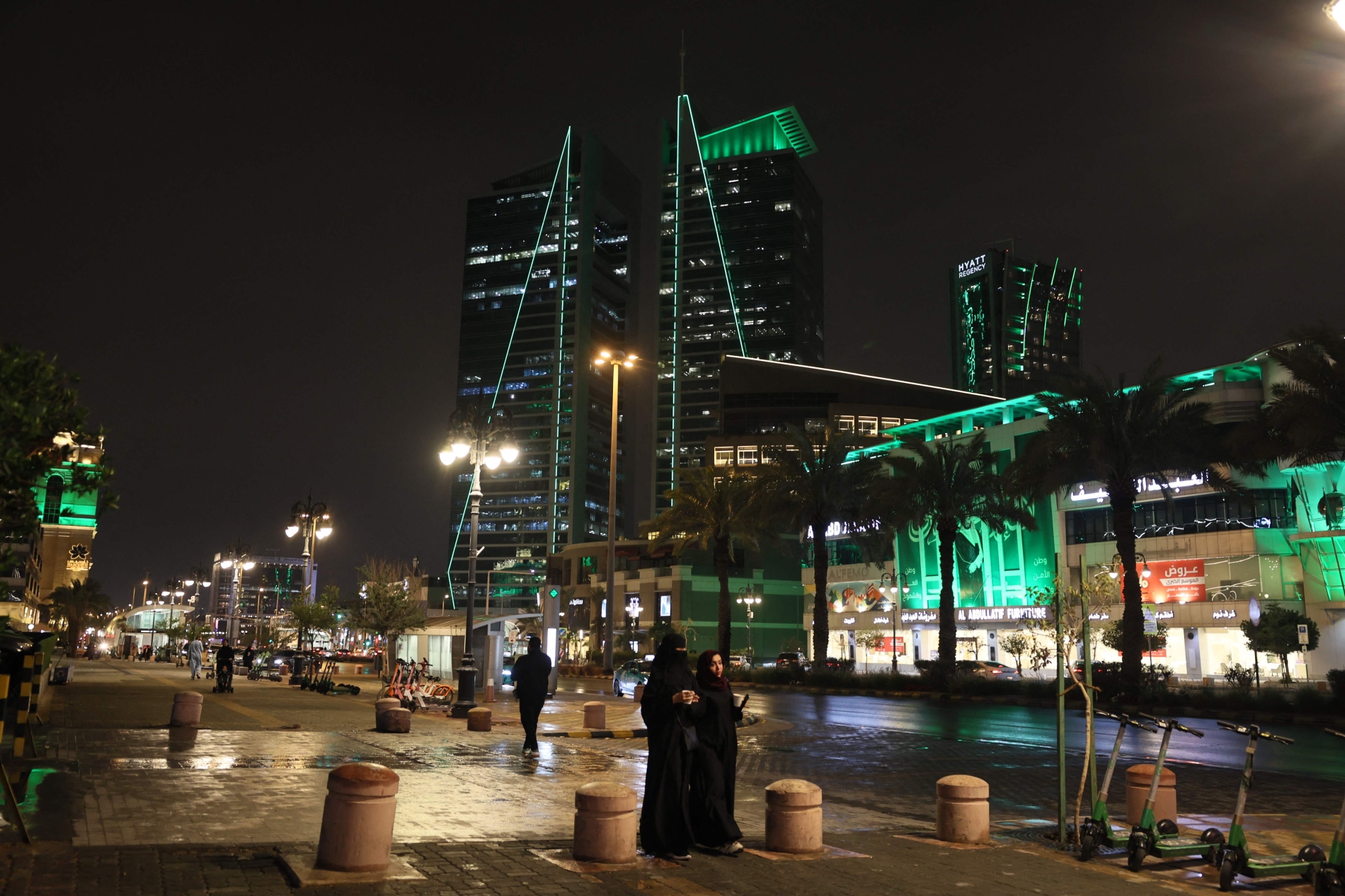
By 5 March, the Saudi market had largely regained its footing, and the main index closed higher by 83.63 points at 10,776.32, during a session in which 194 companies posted gains and 62 recorded declines. The strongest performers that day were MIS, Research and Media, Shaker, Petro Rabigh and Al Aziziyah REIT. The biggest gains again reached towards 10%. The parallel market index also ended higher, gaining 114.45 points to close at 22,496.98.
The performance was seen as a reflection of the confidence investors place in the Saudi leadership and in its ability to confront security risks and manage events. To many, the numbers suggest investor confidence in the Saudi economy's ability to absorb shocks and continue towards the objectives of Vision 2030. The market capitalisation of the Saudi exchange is now approaching $2.5tn, albeit more than $1.7tn of this is Saudi Aramco, the state energy giant, whose shares have shown significant upward momentum over the past week.
Kuwait market
Trading on the Kuwait Stock Exchange opened on 2 March under broad selling pressure, and the retreat persisted through the close of that session, with the Premier Market Index falling by 1.90% and the All Share Index by 1.91%. Shares across a wide range of sectors declined that day, and the downward trend continued on 3 March, when the All-Share Index lost 0.81% and the Main Market Index 0.57%.
By 5 March, however, the indices had turned upwards. Market capitalisation improved after the earlier decline and recouped 99.7% of the losses sustained in the opening sessions of the week, reaching $166bn. The All-Share Index rose by 1.33% to close at 8,549.77 points.
UAE market
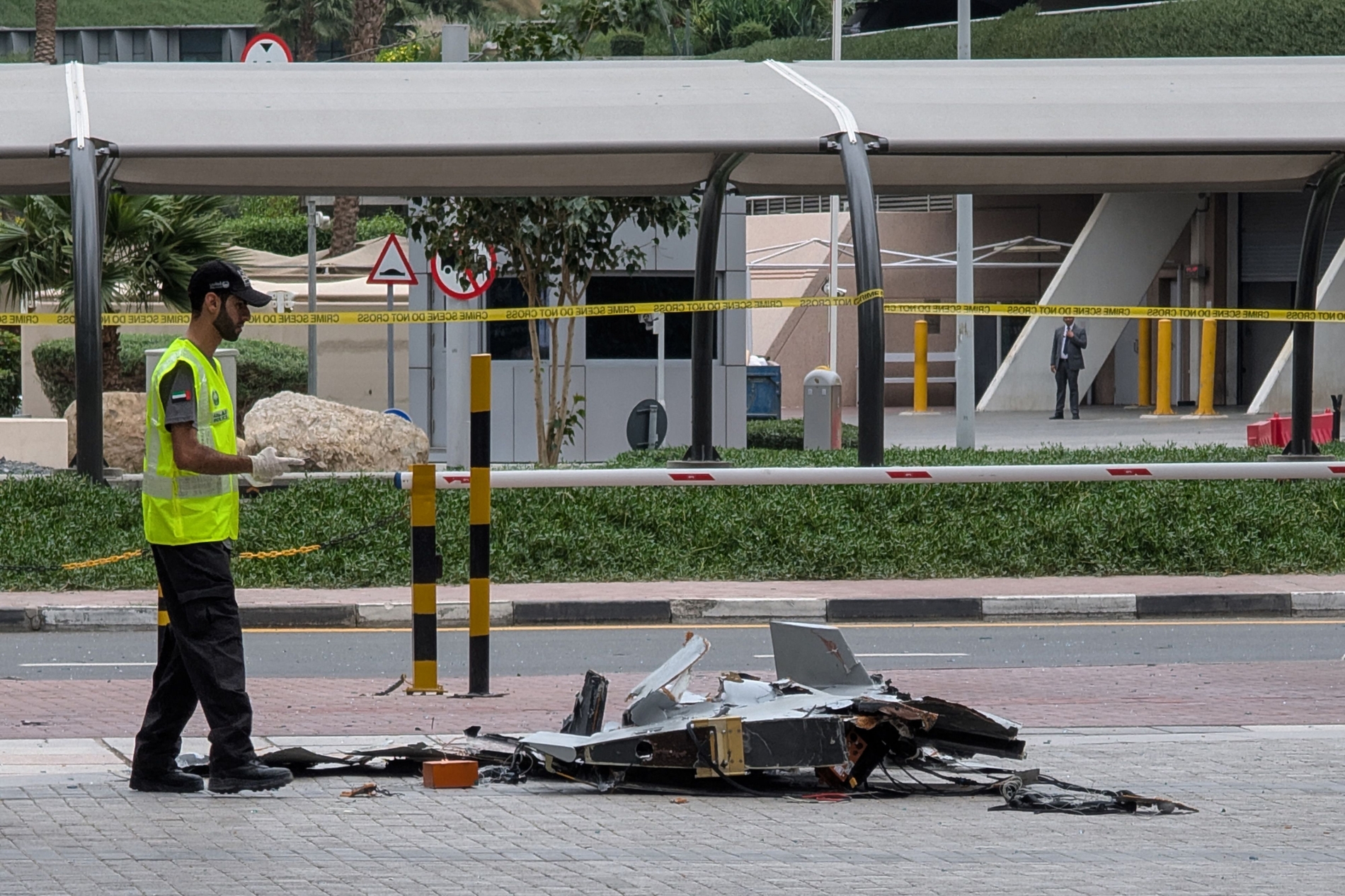
Trading on the Dubai and Abu Dhabi exchanges was suspended from 2-3 March as a precautionary measure following the Iranian attacks and missile strikes. When the markets reopened on 4 March, the Dubai Financial Market index fell by 4.7%, its steepest decline since May 2022. The Abu Dhabi Securities Exchange index also dropped by 1.9% in the same session.
On 5 March, the benchmark index on the Dubai Financial Market closed down 1.3% after having fallen by as much as 4.2% during the session, weighed by losses in a number of blue-chip stocks, among them Emirates NBD and Emaar Properties, each of which declined by around 4.9%. Shares in the low-cost carrier Air Arabia also fell by 4.9%, while Dubai Electricity and Water Authority (DEWA) moved against the broader market trend, rising by about 5.3%.