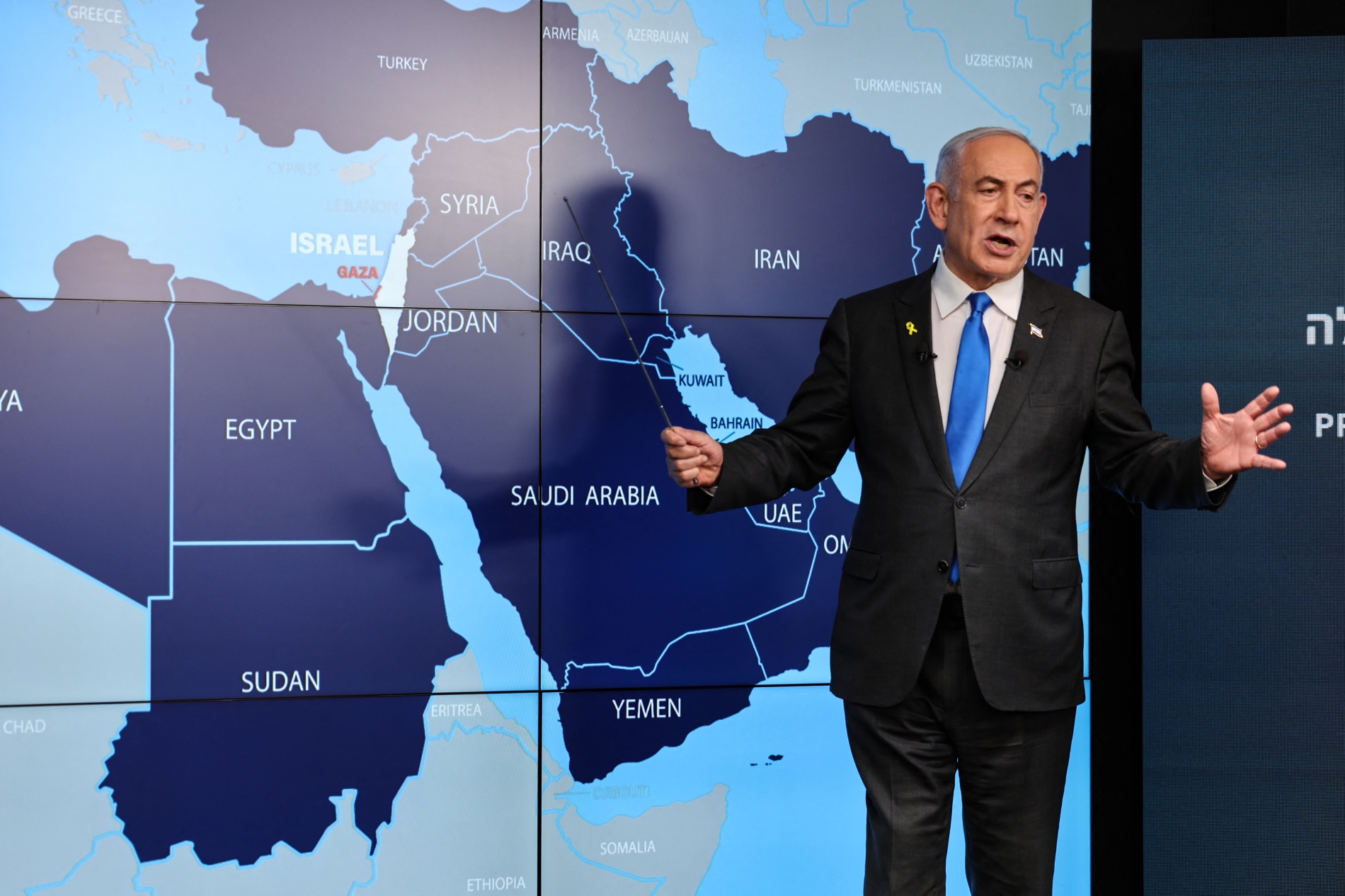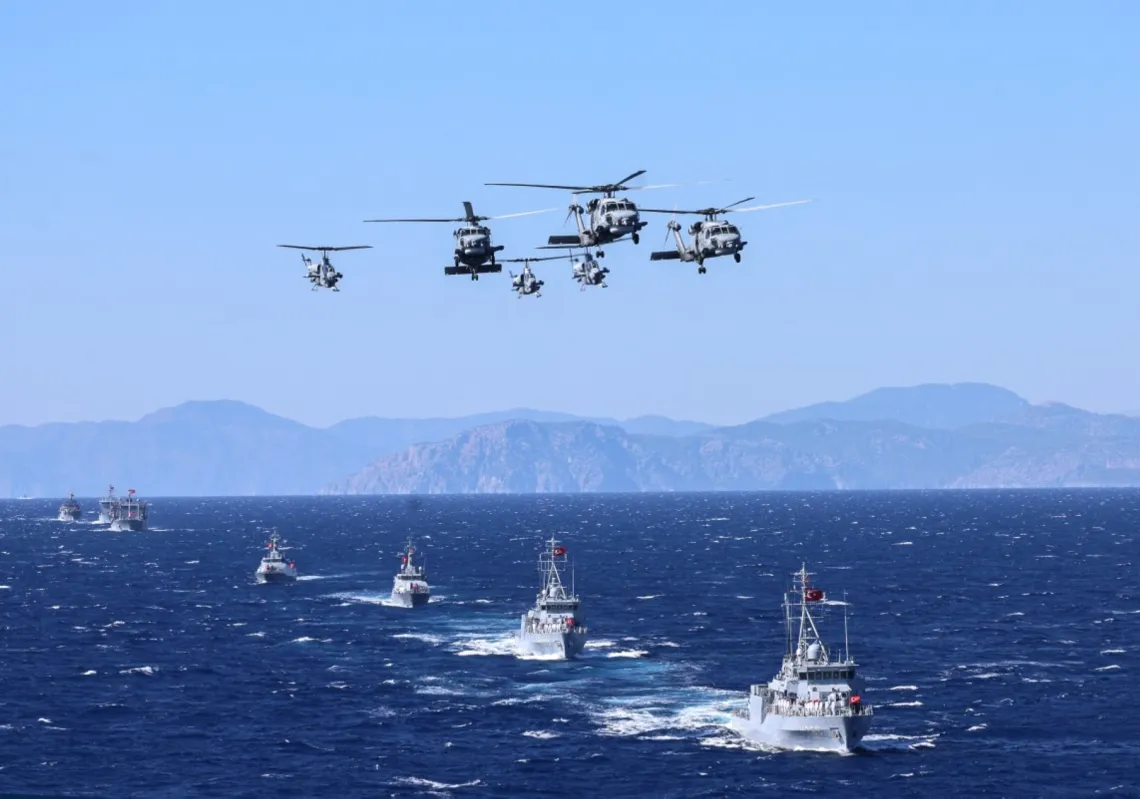

Egypt has not been caught in the crossfire of the current US-Israeli war against Iran, but the populous Arab country has nevertheless felt the effects, with Israeli natural gas supplies suspended and the flight of hundreds of millions of dollars in foreign assets.
This is putting pressure on the Egyptian pound, causing commodity prices to spike. The public had already been straining under the high cost-of-living, and policymakers now fear that this could be the straw that breaks the camel’s back.
A storm is brewing
In Lebanon, Iran-backed Hezbollah has entered the war, attacking northern Israel. If the Houthis were to do so from Yemen, such as by closing the Bab el-Mandeb Strait or renewing attacks on international shipping in the Red Sea, it would further complicate Egypt’s security situation.
Transit fees from ships’ passage through the Suez Canal provide vital dollars for Cairo’s coffers, but traffic has been down since the Houthis began attacking vessels after Israel’s war in Gaza. It could all but dry up if there were a new, concerted effort to target seafaring commerce.
The canal is the shortest route from Europe to Asia. In good times, around 15% of all global maritime trade passed through, giving Egypt strategic relevance, but big shipping firms now choose to loop around the southern coast of Africa instead, adding time and cost to the journey.
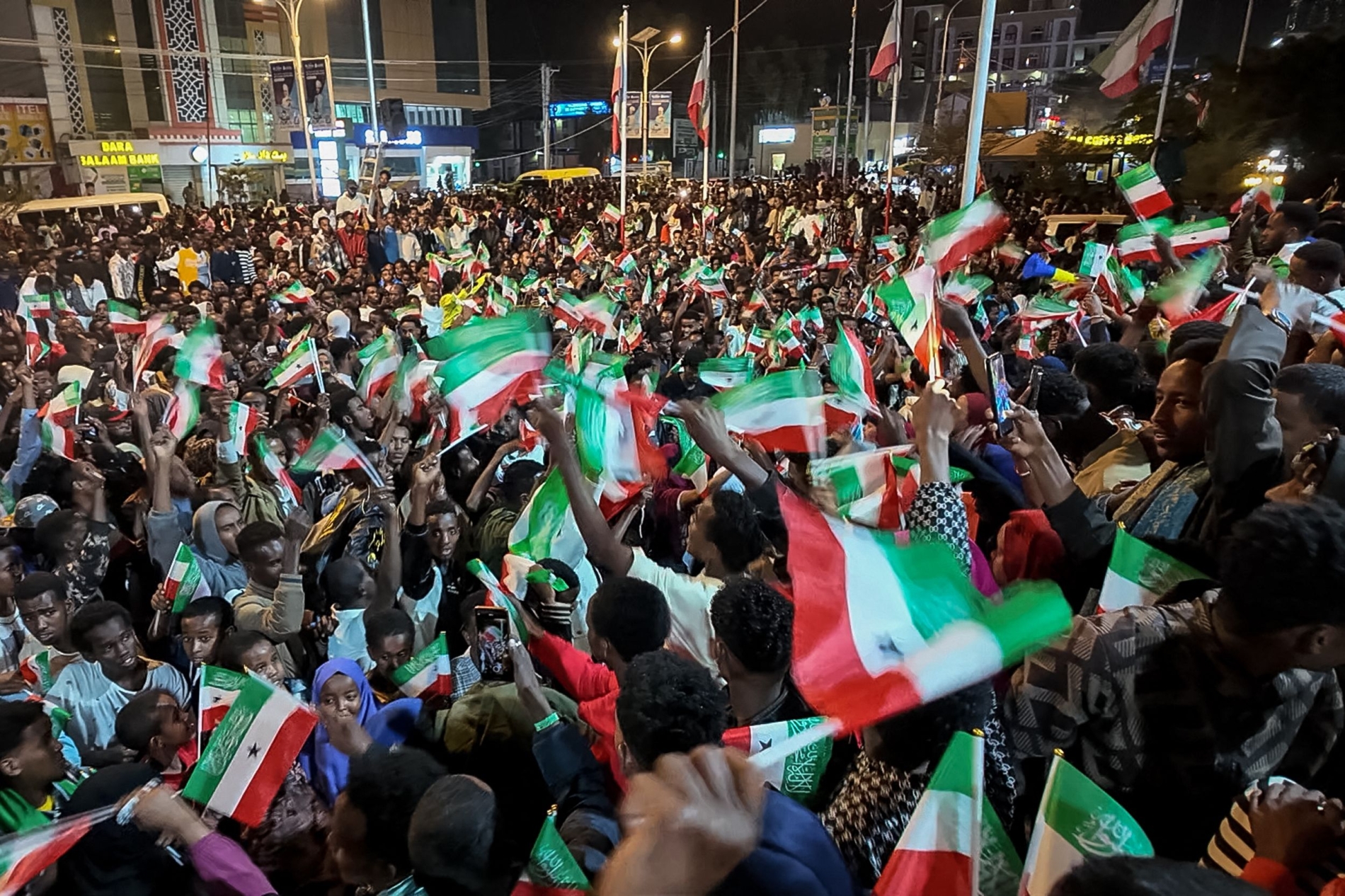
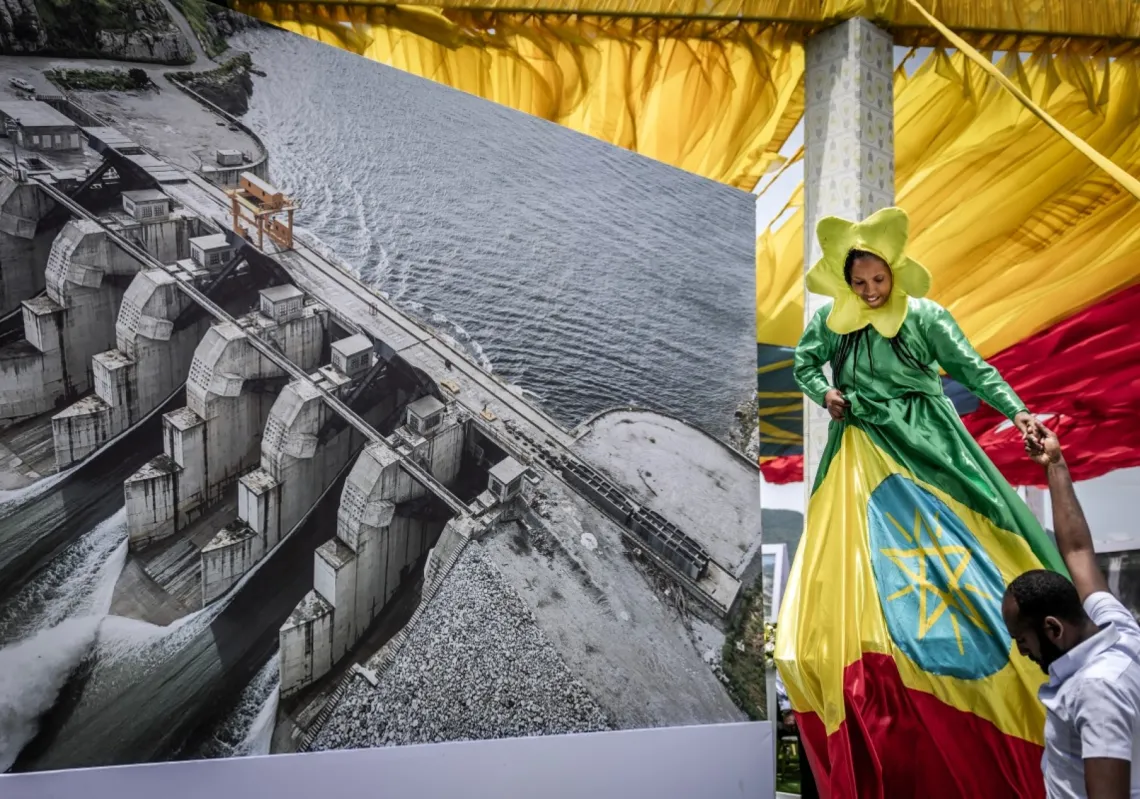
The Houthis are not Egypt’s only Red Sea worry. The civil war in Sudan to Egypt’s south has exacerbated the threats, as has Israel’s recent recognition of Somalia’s breakaway region of Somaliland, alongside landlocked Ethiopia’s quest to gain permanent sovereign access to the sea.
Taken together, these developments risk choking Egypt both economically and militarily. This may explain why Cairo is backing Somalia over the prospect of Somaliland’s secession hopes, and against any Red Sea presence of Egypt’s regional rival, Ethiopia.
Read more: Why Ethiopia's presence on the Red Sea is a red line for Egypt