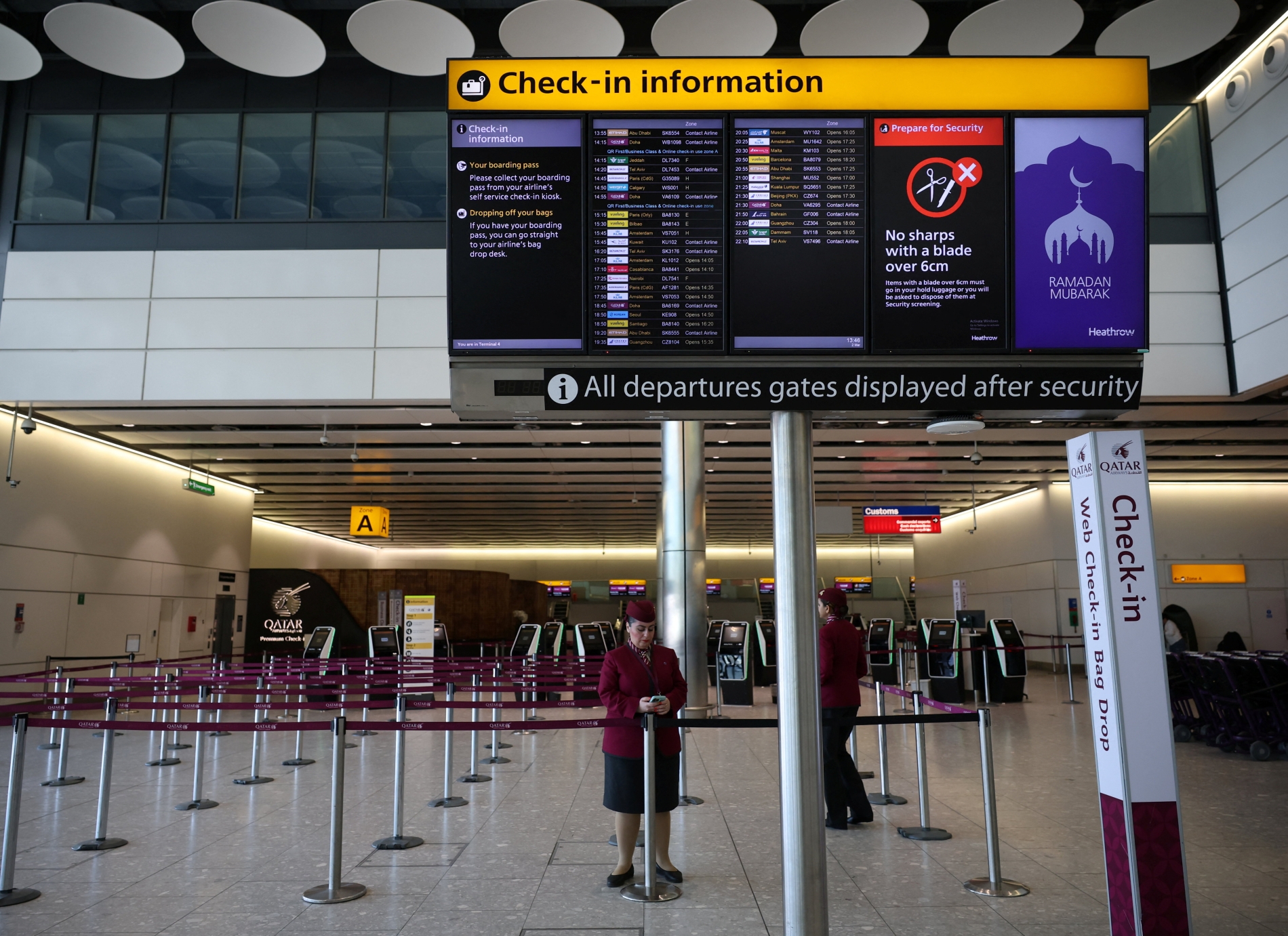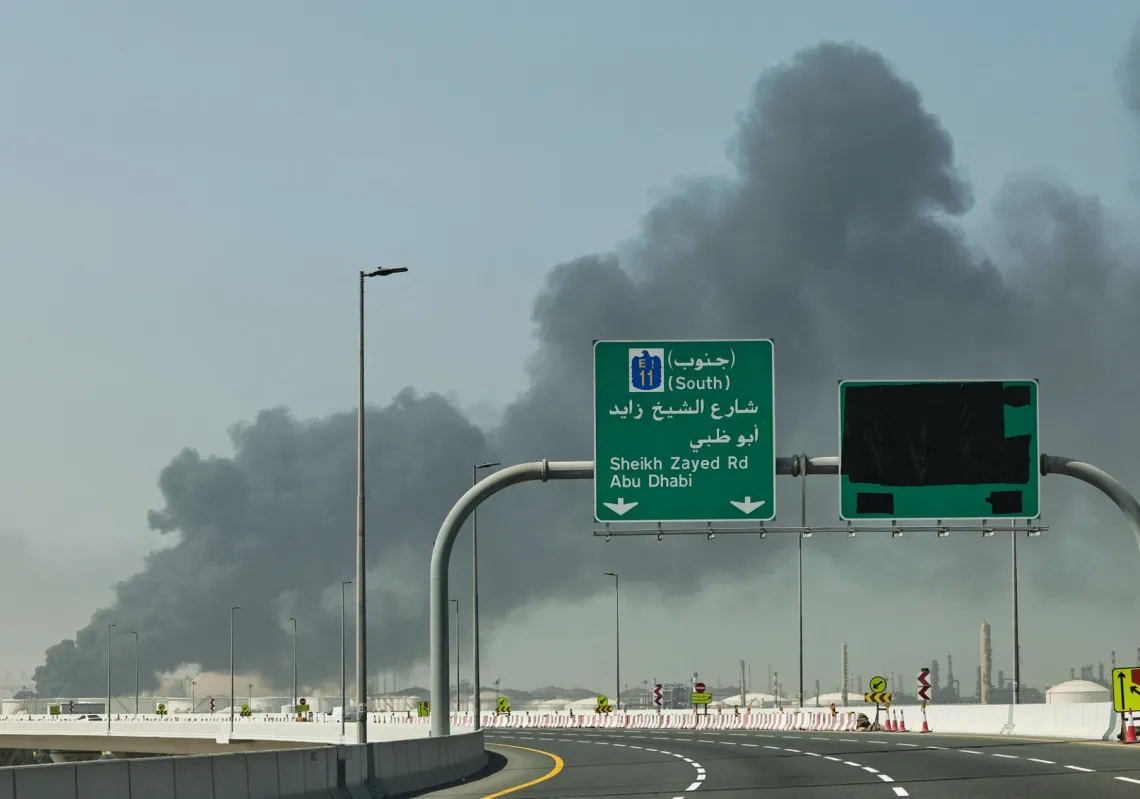
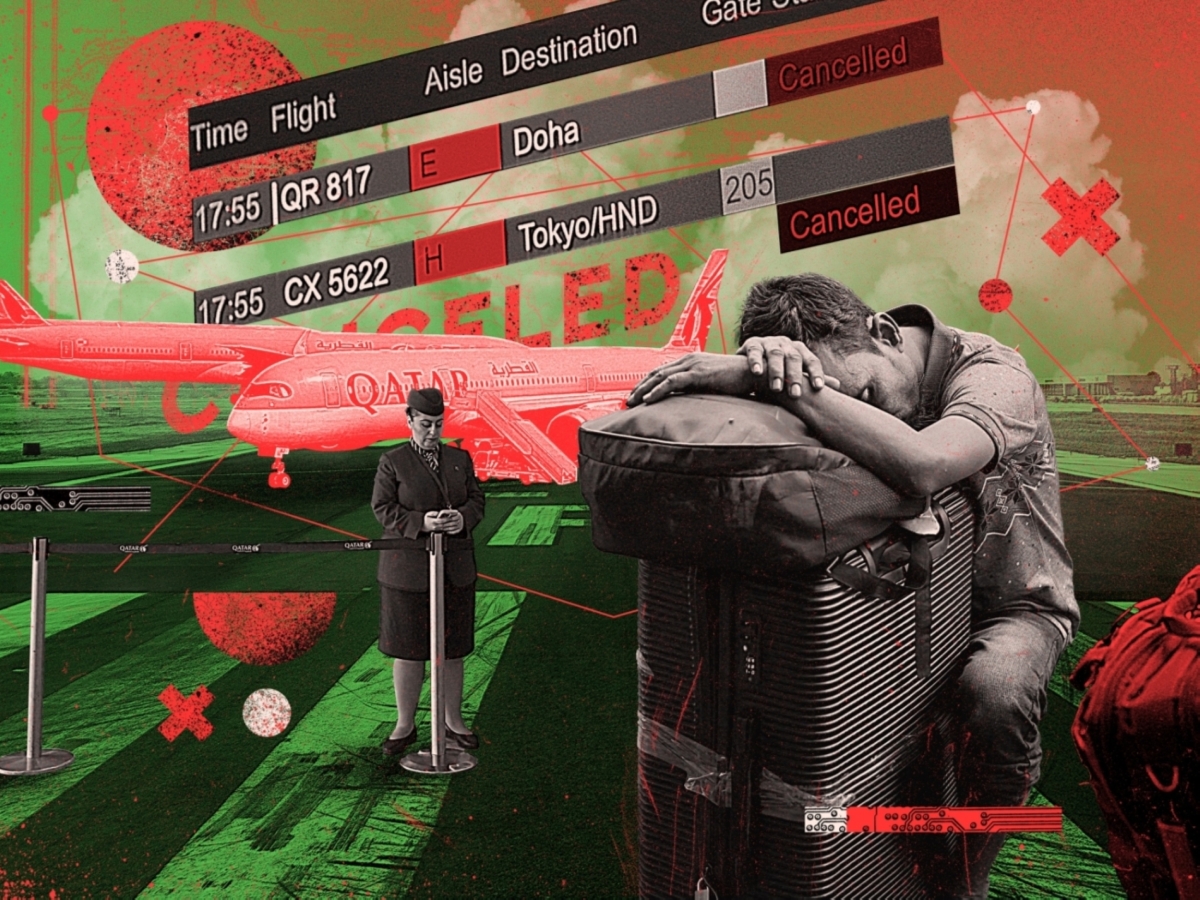

The effects of the war unfolding between the United States, Israel, and Iran have found their way to the global aviation industry. Within hours of the first bombs, airspace closed, key Arab Gulf airports suspended operations, flights were cancelled, passengers were stranded, airline share prices fell sharply, and jet fuel prices surged, with markets anticipating supply problems. Once seamless corridors between cities, the skies closed down.
The effects have been profound. Aviation is not a localised industry; it is a finely balanced network linking craft, crews, airports, transit corridors, and air traffic control centres. When one flight is cancelled, disruption spreads rapidly across the entire system. Each airspace closure or flight suspension requires global operational schedules to be revised within minutes. The US-Israeli war against Iran that began in late February is a stark illustration of that fragile interdependence.
Global transit hubs
Over the past two decades, Gulf airports in Riyadh, Jeddah, Abu Dhabi, Dubai, and Doha have become global transit hubs linking Asia, Europe, and the Americas. Gulf airlines rely on a strategic geographical location that enables long-haul services to be consolidated through major hubs, supported by modern fleets and advanced infrastructure. Yet this model assumes the skies remain open and predictable.
As the US, Israel, and Iran began trading missiles, airspace closed not just over Iran but over Iraq, Syria, Qatar, Bahrain, and Kuwait, while wide-ranging restrictions were imposed over Saudi Arabia, the United Arab Emirates, Jordan, and Israel. Far more than the closure of a runway or two, this was the suspension of entire transit corridors—arterial connections between East and West.
Qatar Airways temporarily suspended operations due to the closure of Qatari airspace. Emirates limited flights to repatriate stranded passengers, while most of its scheduled commercial services were unavailable.
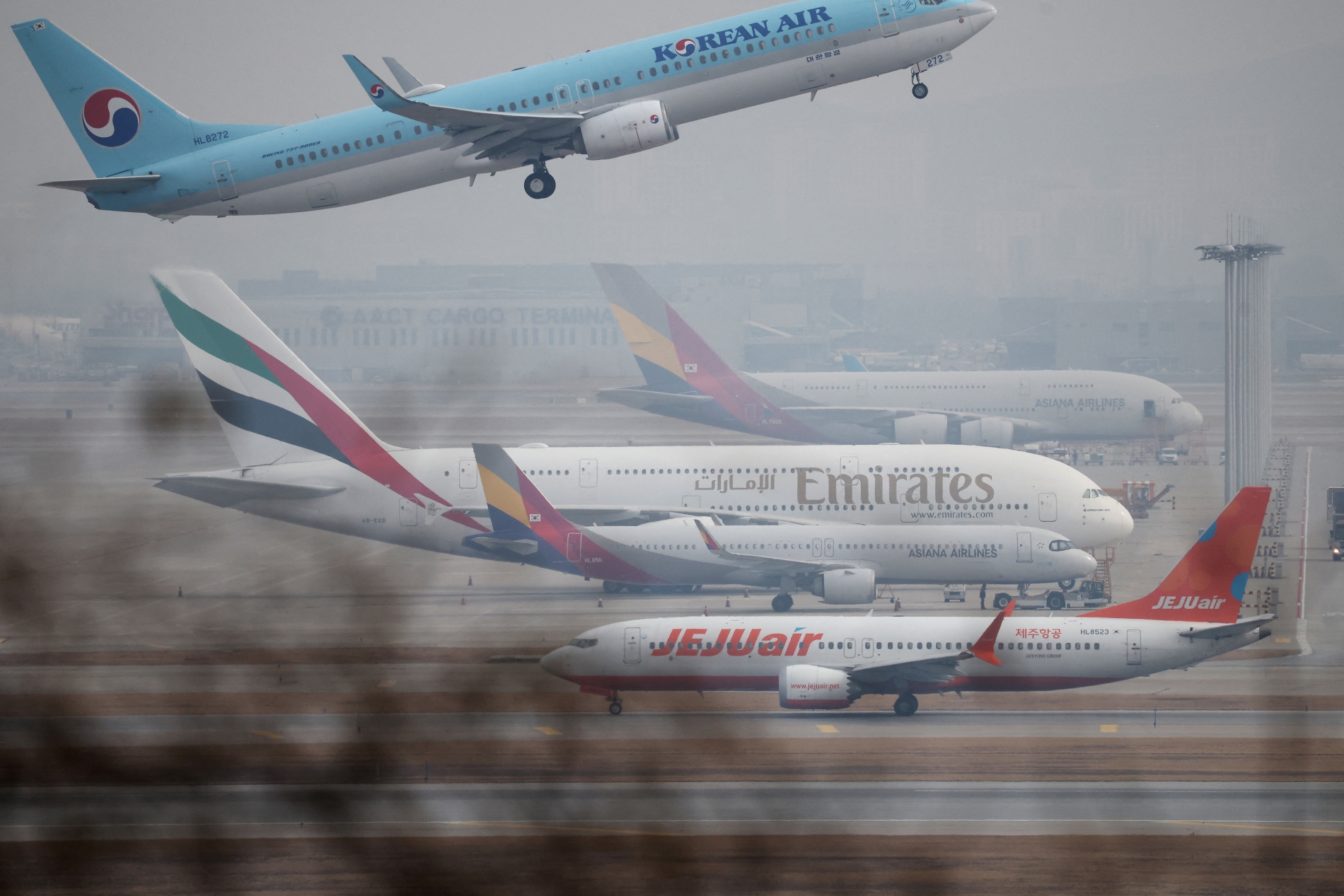
Etihad Airways halted flights to and from Abu Dhabi in line with security updates. The limited resumption of flights days later did not mean the restoration of these Gulf air hubs, which require both an open airport and a network of safe, stable air corridors for thousands of flights to be scheduled daily with a high degree of certainty regarding arrival and departure times.
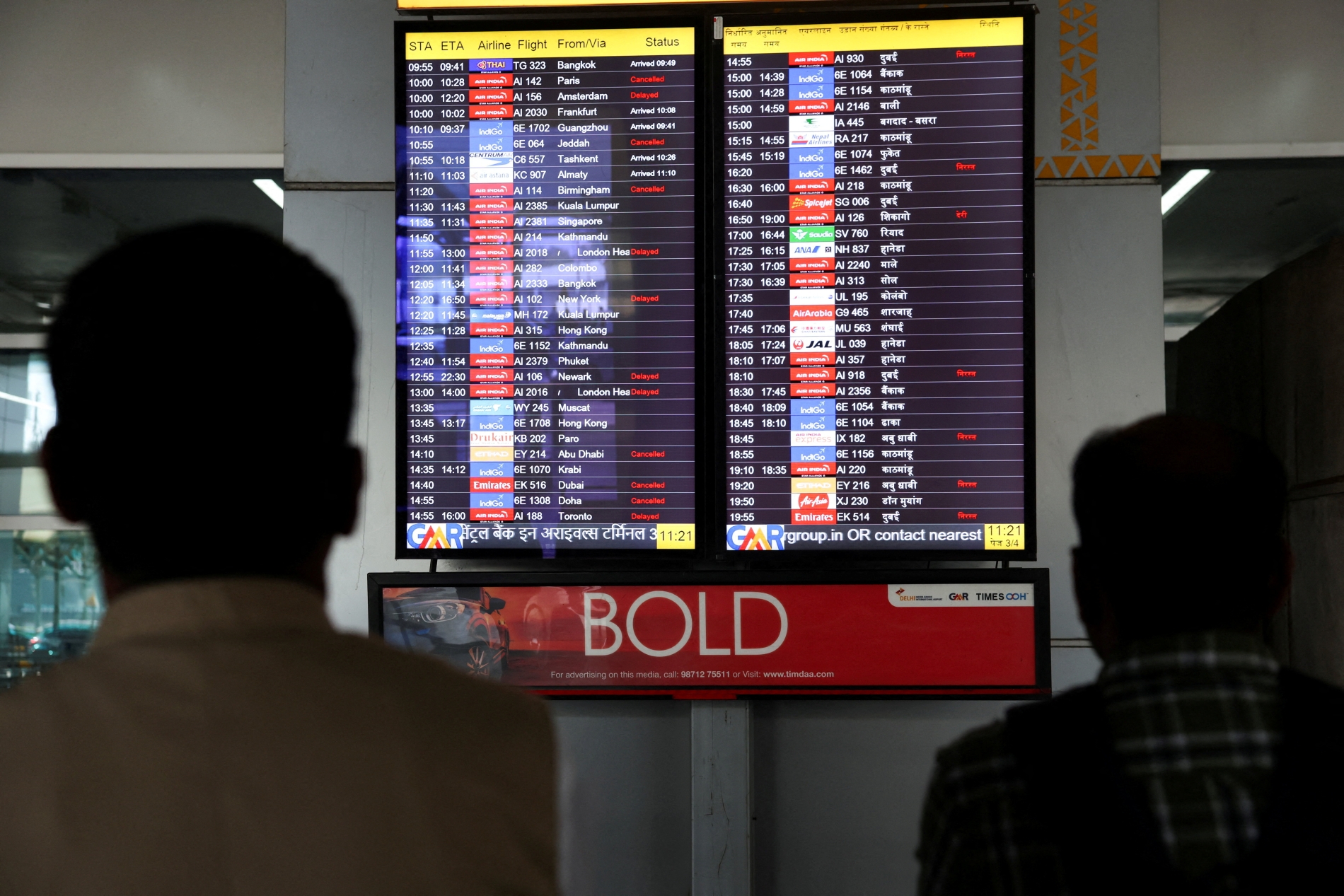
The true scale of the shock becomes clear from the wave of global cancellations. Major European, American, and Asian airlines swiftly suspended or modified their operations in the Middle East. Lufthansa halted flights to Tel Aviv, Beirut, Amman, Dammam, Erbil, and Tehran, and suspended Dubai routes. British Airways cancelled services to Oman, Abu Dhabi, Bahrain, Dubai, Doha, and Tel Aviv. Air France-KLM suspended Tel Aviv, Beirut, Dubai, and Riyadh services.
In North America, Air Canada suspended flights to Dubai and Tel Aviv until late March, while Delta Air Lines halted its New York-Tel Aviv route. In Asia, Cathay Pacific cancelled its Dubai and Riyadh services, Japan Airlines suspended its Doha flights, and Singapore Airlines halted its Dubai operations. Indian carriers such as Air India and IndiGo stopped using Middle Eastern airspace. Even Turkish Airlines cancelled flights to the Gulf and Middle East, reflecting the breadth of concern.
Financial turbulence
With more than 20 international carriers affected, the list underscores that the war has disrupted cargo and transcontinental passenger flows. As ever, financial markets were quick to register the shock. Airline and travel stocks fell sharply, wiping tens of billions of dollars from their market capitalisation.
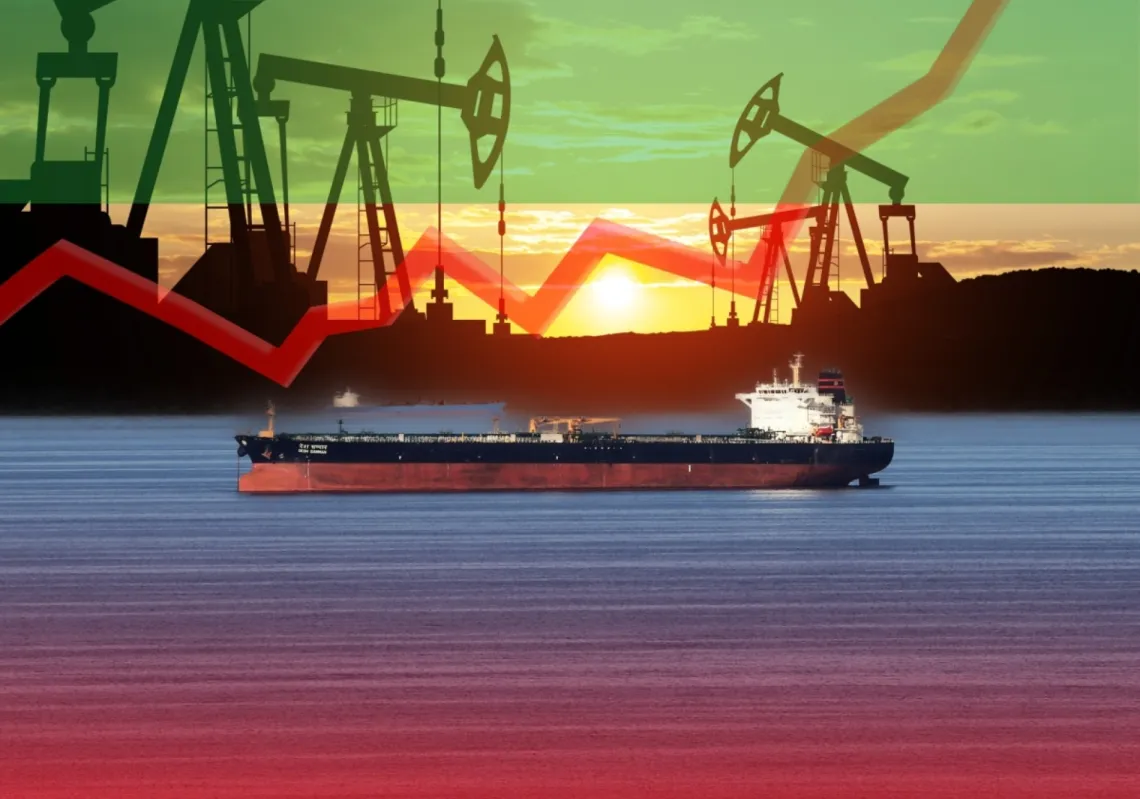
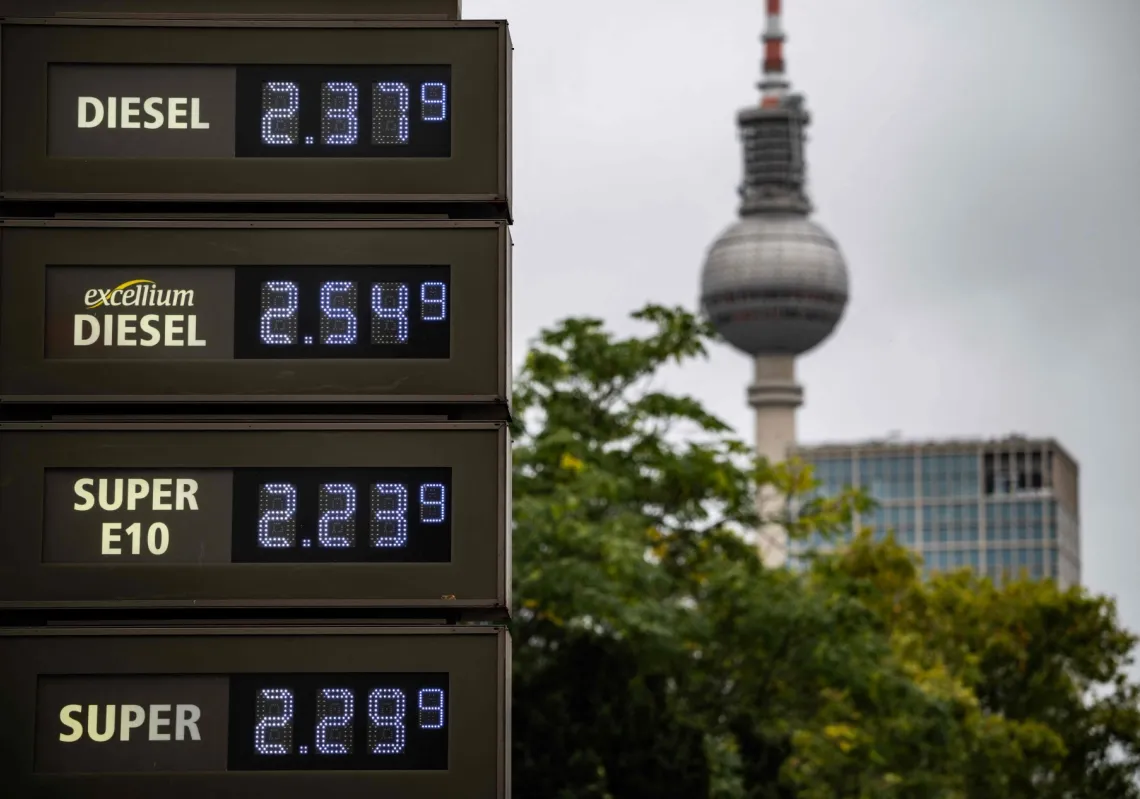
European and Asian carriers recorded steep early trading losses, signalling investor anxiety over the potential duration of the crisis. The most sensitive variable has been oil. Brent crude rose by 8%, approaching $84 per barrel, increasing jet fuel costs considerably. Even those airlines that employ partial hedging strategies cannot fully shield themselves from sudden price spikes of this magnitude. Higher fuel costs translate either into thinner margins, higher ticket prices, or both.