Lebanon front opens up amid US-Iran war

Attacks by Hezbollah and an Iraqi militia appear to be a calculated step by Tehran to widen the arena of conflict in a bid to raise the costs for its adversaries

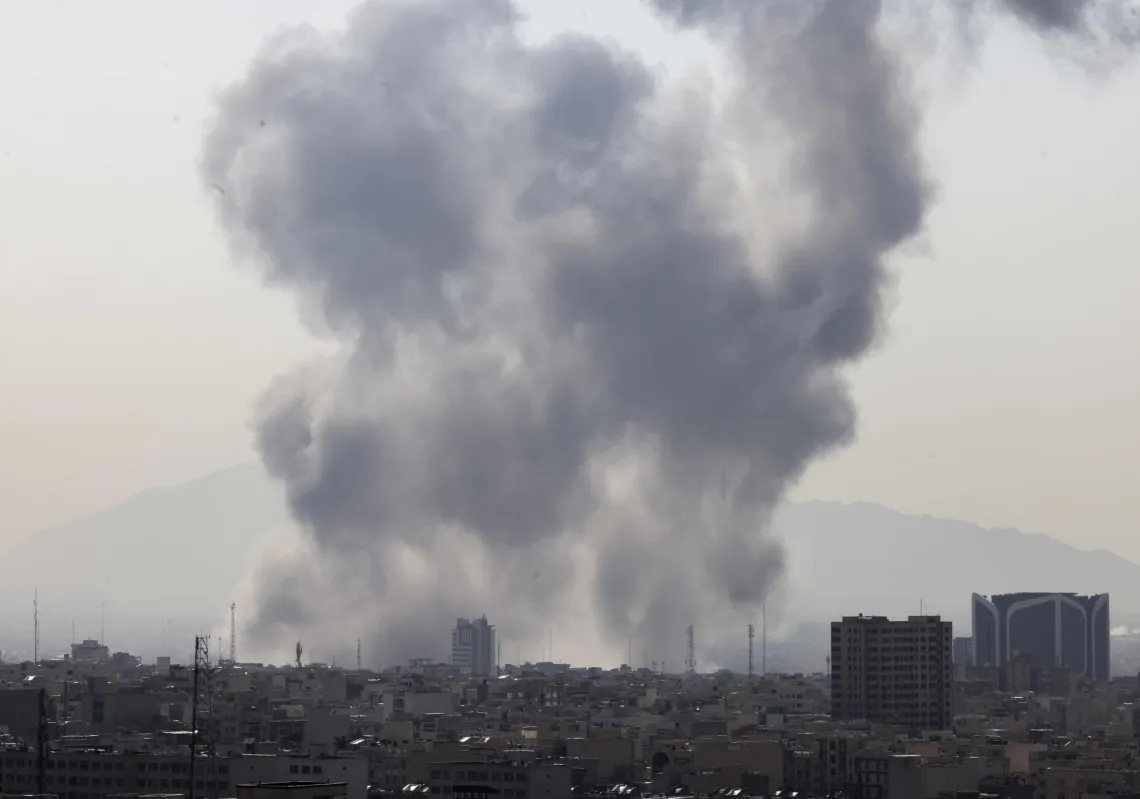
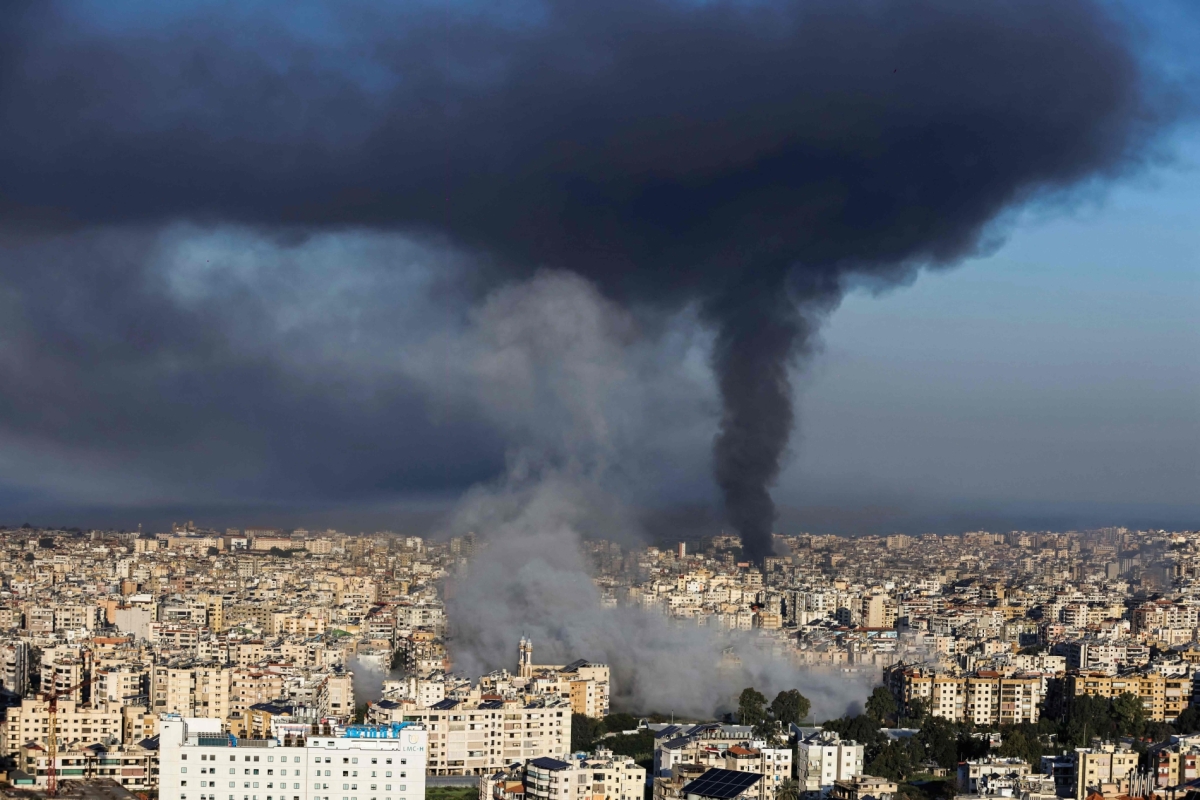
Plumes of smoke rise from the sites of Israeli airstrikes on the southern suburbs of Beirut on 3 March 2026.
IBRAHIM AMRO / AFP
Plumes of smoke rise from the sites of Israeli airstrikes on the southern suburbs of Beirut on 3 March 2026.

Lebanon front opens up amid US-Iran war

The US-Iran war that began on Saturday, 28 February, when Washington and Tel Aviv launched surprise attacks on Iran, officially expanded to Lebanon on 2 March, when Hezbollah launched six rockets into Israel targeting a missile defence installation south of Haifa in response to the killing of Iranian Supreme Leader Ali Khamenei and several senior Iranian figures.

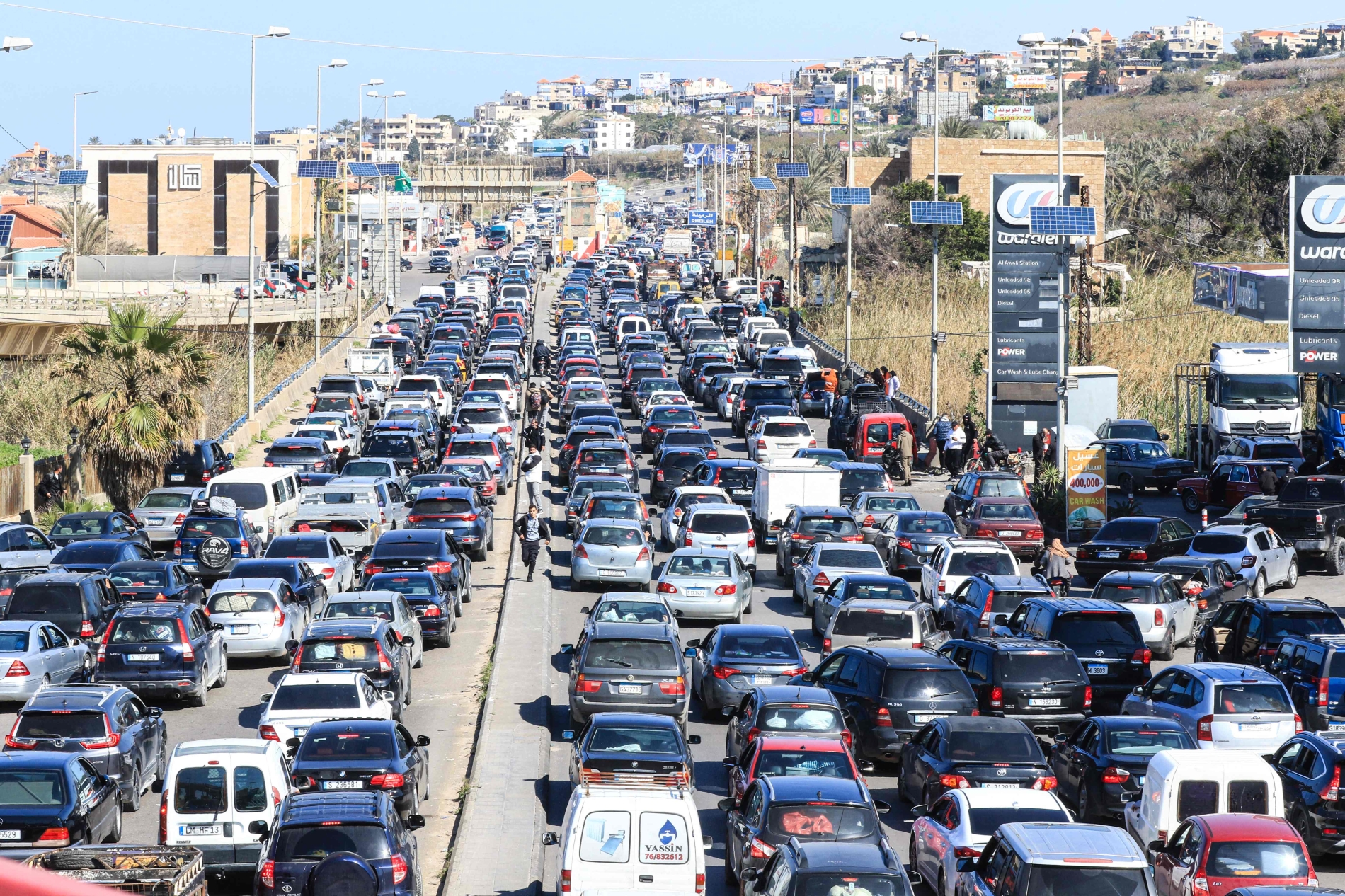
Almost instantly, Israel began pounding southern Lebanon, southern Beirut and the Bekaa valley, in the middle of the night, issuing evacuation orders for these areas. At the time of publishing, around 52 people had been killed, and dozens more injured, with streams of civilians pouring into safer areas.
Mahmoud ZAYYAT / AFP
Motorists block the highway as they flee villages in southern Lebanon along the coastal road through the city of Sidon on 2 March 2026.

Hezbollah’s strike against Israel marks its first attack on Israel since a ceasefire was declared in November 2024. Despite the supposed truce, Israel has consistently carried out strikes on Lebanon.

Shortly after Hezbollah’s announcement, an Iraqi faction known as Saraya Awliya al Dam launched a swarm of drones at the Victoria military base within Baghdad International Airport. Taken together, these actions appear to be a calculated step by Tehran to widen the arena of conflict in a bid to raise the costs for its adversaries.

In an unprecedented move, Lebanese Prime Minister Nawaf Salam announced a government ban on Hezbollah's military activities. Notably, the two ministers affiliated with Speaker of Parliament Nabih Berri—Hezbollah’s principal ally—didn't object to the decision, despite their longstanding opposition to measures addressing the group’s weapons.

Lebanon's fate could now be linked to potential negotiations between the US and Iran

Some analysts have suggested that the ban could empower the Lebanese army to use force to crack down on the group—something it was reluctant to do before. But while the move shows a concerted effort by the Lebanese government to contain the Israeli offensive, the possibility of an internal confrontation remains to be seen.

Having said that, Hezbollah's decision to strike Israel triggered a surge of resentment across Lebanese society, with some even claiming cracks in the group's supporter base. Against this tense backdrop, Israel's Chief of Staff, Eyal Zamir, cautioned that "many days" of fighting with Hezbollah lay ahead. Israel has mobilised around 100,000 reservists, many positioned along the borders with Lebanon and Syria.

Lebanon's fate could now be linked to potential negotiations between the US and Iran, with Trump saying he was ready to talk to Iran. For their part, Iranian leaders have ruled out further discussions with Washington. But even if diplomatic channels were to reopen, a swift ceasefire in both Lebanon and Iran is unlikely.

font change