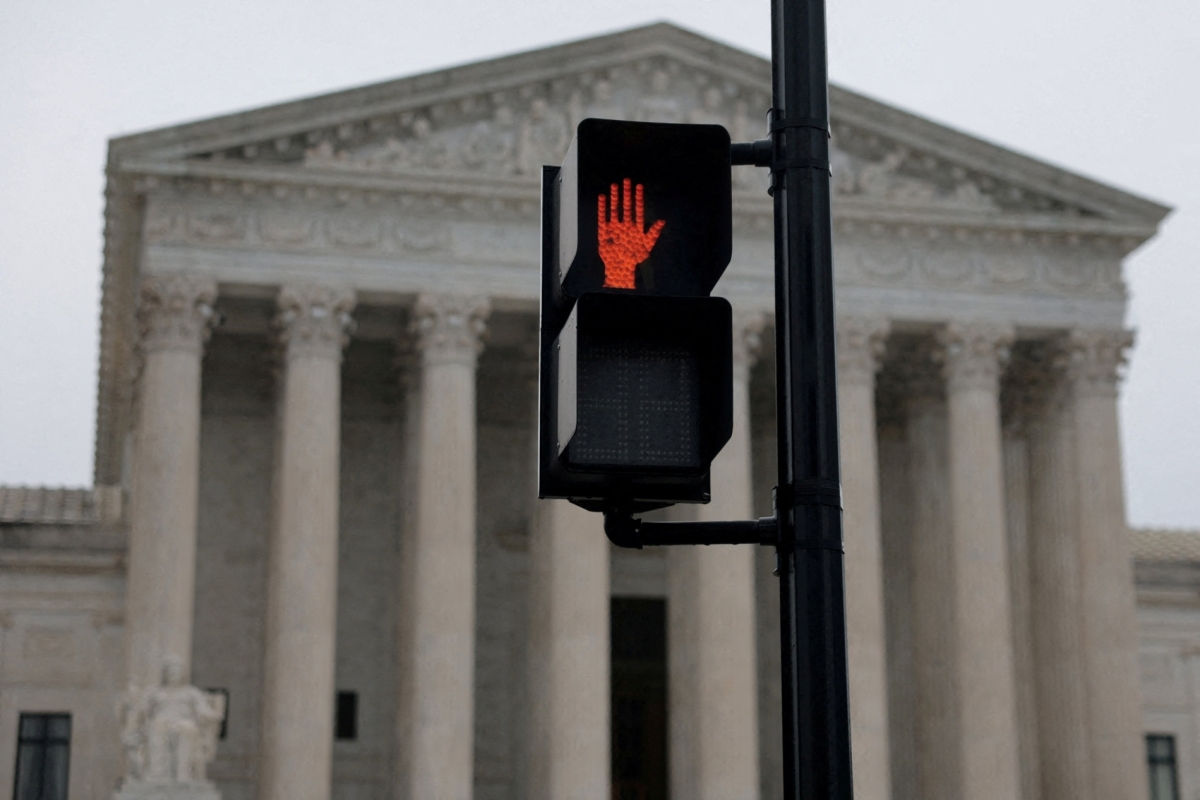

On 20 February, the US Supreme Court issued a ruling that reshaped the limits on executive authority to impose tariffs. The court found that the International Emergency Economic Powers Act (IEEPA), on which the Trump administration had relied, does not grant the president the power to impose tariffs.
Yet the impact of the ruling lies not only in invalidating the legal foundation of US President Donald Trump’s ‘Liberation Day’ tariffs, but in opening the door to a wave of lawsuits seeking to recover billions of dollars paid since the tariffs were imposed on 5 April 2025. The real battle now begins in the courts, not in politics.
In a landmark decision—passed by a six-to-three majority—the Supreme Court held that the IEEPA cannot serve as a legal basis for imposing broad tariffs on imports from a multitude of countries. In doing so, the court put an end to the administration’s loose interpretation, which had allowed ‘economic emergency’ powers to be used to impose tariffs beyond traditional policy limits.
The ruling didn't address the economic merits of tariffs so much as it focused on a fundamental constitutional question: which authority holds the power to impose taxes and duties? The answer was clear: that authority resides primarily with Congress, and any expansion through executive action requires explicit legislative authorisation.
With this ruling, the court explicitly stated that the IEEPA cannot be used as a permanent tariff tool, bringing the debate back to its constitutional core: the limits of executive authority in managing international trade. What initially appeared to be a legal victory for a group of companies and states soon shifted into a dispute over sums already paid, rather than liabilities that might arise in the future.
Trump strikes back
The White House made its displeasure with the ruling known. For Trump, tariffs had been central to managing trade relations with China, Europe, Canada, Mexico, and elsewhere, as well as to reshaping supply chains and supporting domestic industries. For his part, Trump unleashed a blistering attack on the Supreme Court, singling out Justices Amy Coney Barrett and Neil Gorsuch, whom he had appointed in his first term and voted with the majority, as “a disgrace to our nation.”
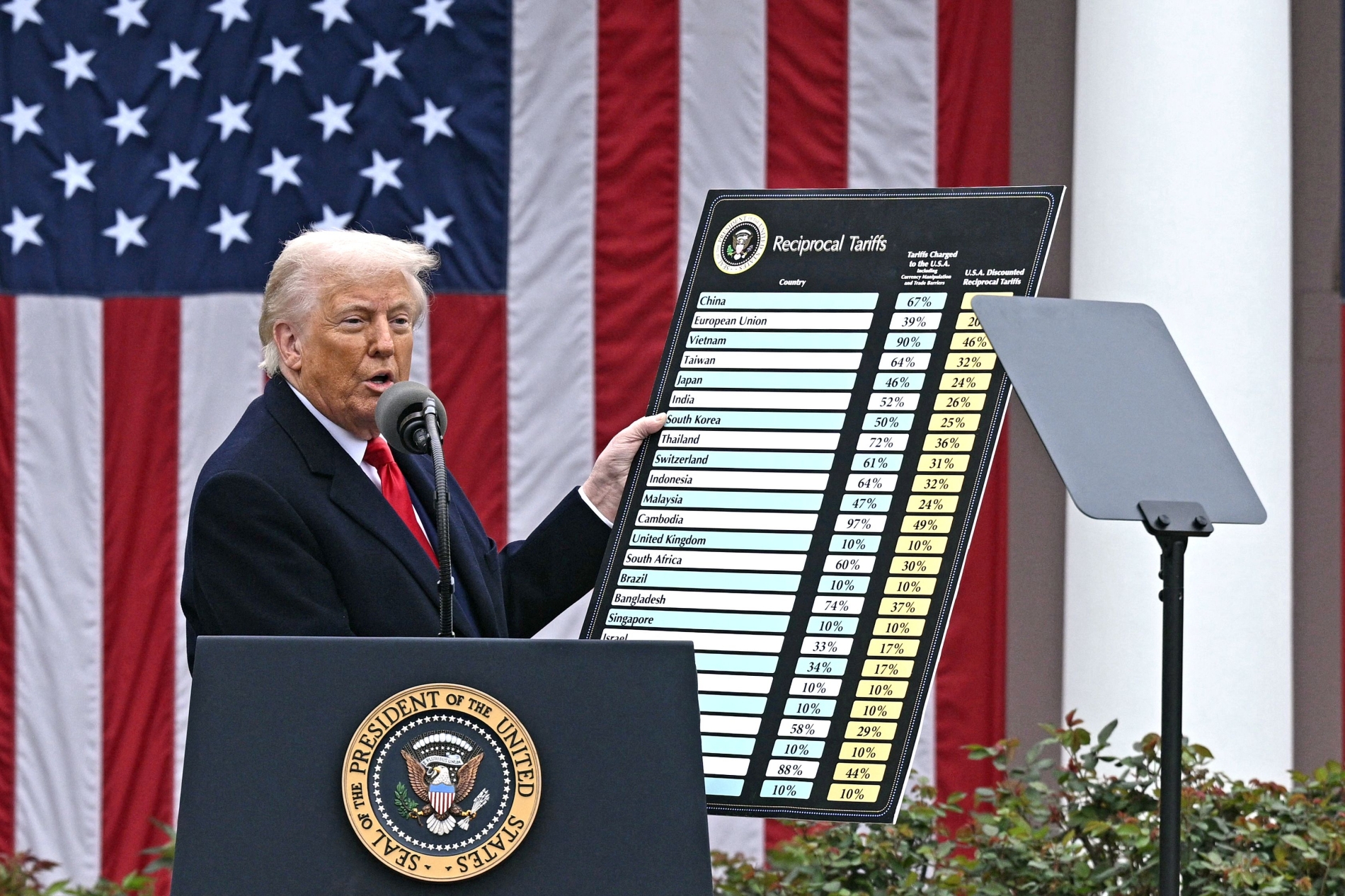
Despite the setback, Trump immediately announced a temporary 10% global tariff on imports, relying on Section 122 of the Trade Act of 1974, which permits limited tariffs for a short period to address balance-of-payments imbalances. The rate was later raised to 15% within the ceiling allowed by law, for a period not exceeding 150 days, unless Congress intervenes.
The administration is also considering recourse to other laws, including provisions on national security or unfair trade practices, that would allow it to impose tariffs under different frameworks.
In his State of the Union address on 24 February, Trump presented tariffs as a central pillar of his economic agenda, arguing that they would shift costs from Americans to foreign countries and could ultimately replace income tax. He said tariffs paid by other nations would “replace the modern-day system of income tax” and would “take the burden off Americans”, framing them as both a source of revenue and a protectionist tool to support US industry.
He also cast his tariff policy as a success, arguing that it should be expanded. He maintained that foreign countries would contribute more to the US Treasury while Americans would pay less, and suggested that tariffs could serve as a significant long-term source of federal revenue.
The $175bn refund fight
This legal manoeuvring did little to ease concerns among companies. The central question was no longer whether tariffs would return, but what would happen to the billions already paid.
Within days of the ruling, the US Court of International Trade, based in New York, began receiving successive lawsuits seeking the recovery of tariffs imposed under the legal basis struck down by the Supreme Court. This court is the specialised body responsible for adjudicating disputes relating to customs and duties.
The legal mobilisation was not confined to a single company, although the global shipping firm FedEx was among the first to file a lawsuit demanding a full refund of the tariffs it had paid under the measures invalidated by the court.
As the implications of the ruling became clearer, a broader wave of lawsuits emerged, led by major US companies across multiple sectors, including Costco, Revlon, and Alcoa, alongside hundreds of medium-sized and smaller firms that found themselves with a legal opportunity to recover what they had paid when the tariffs were in force.