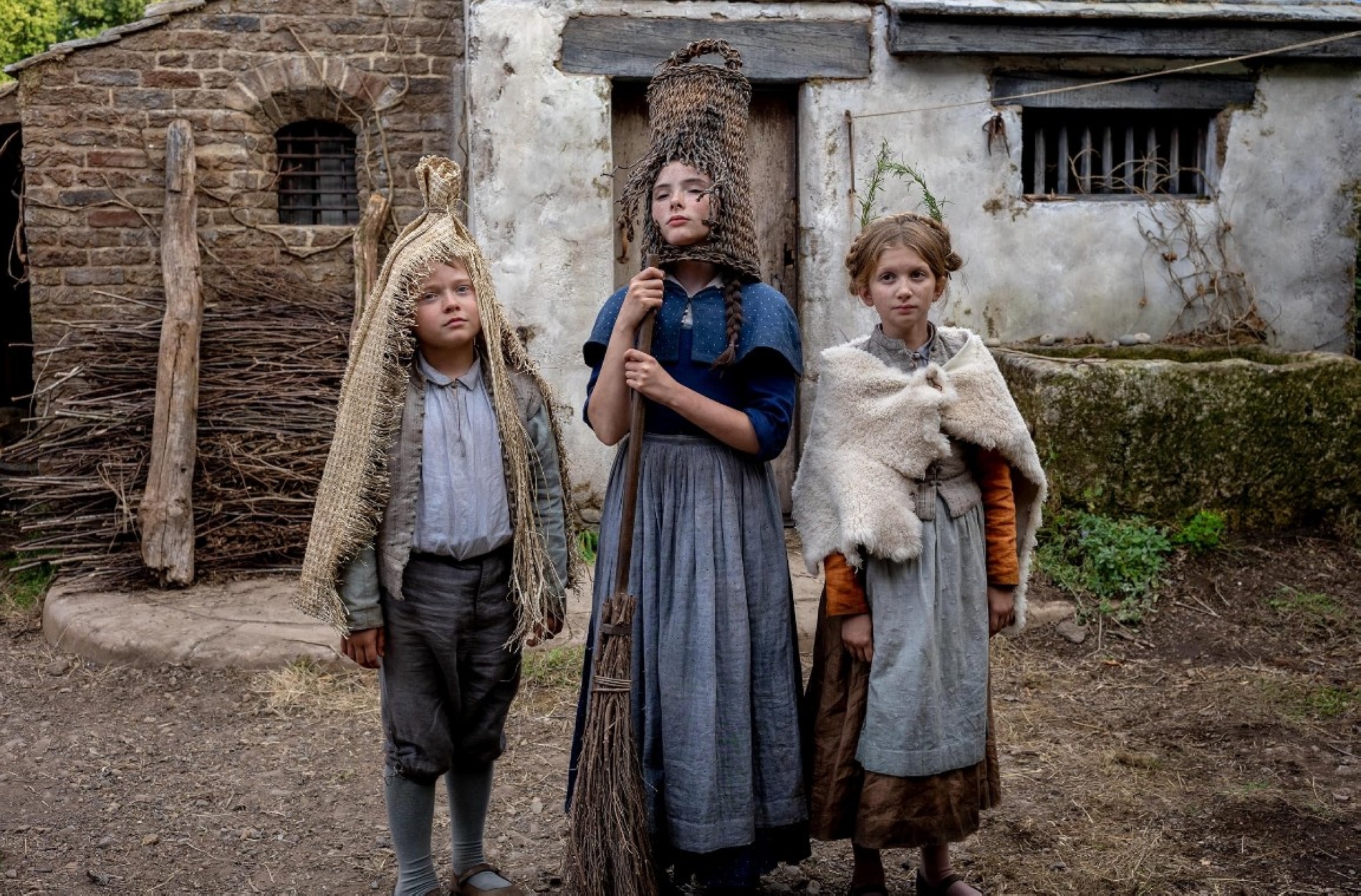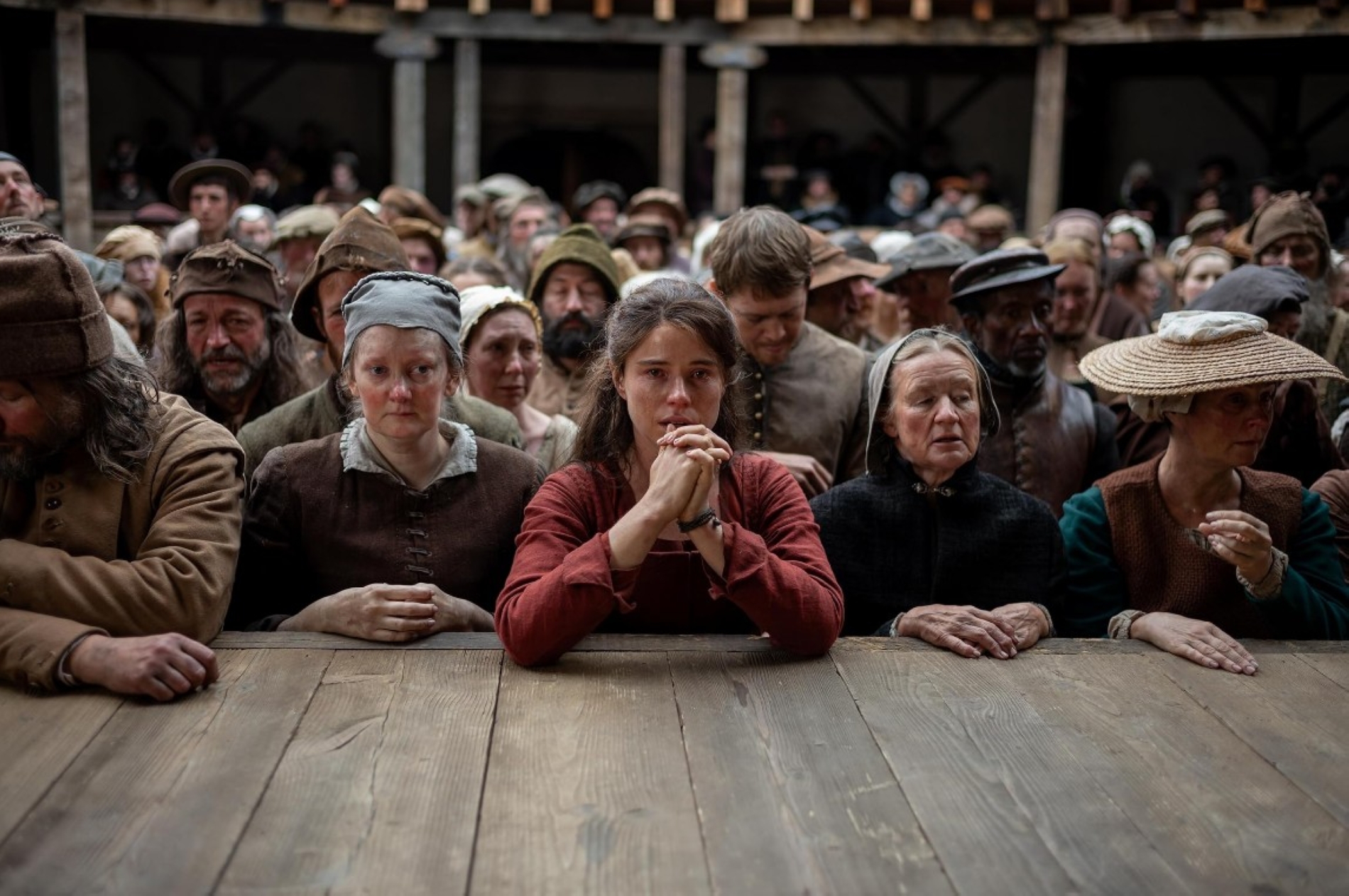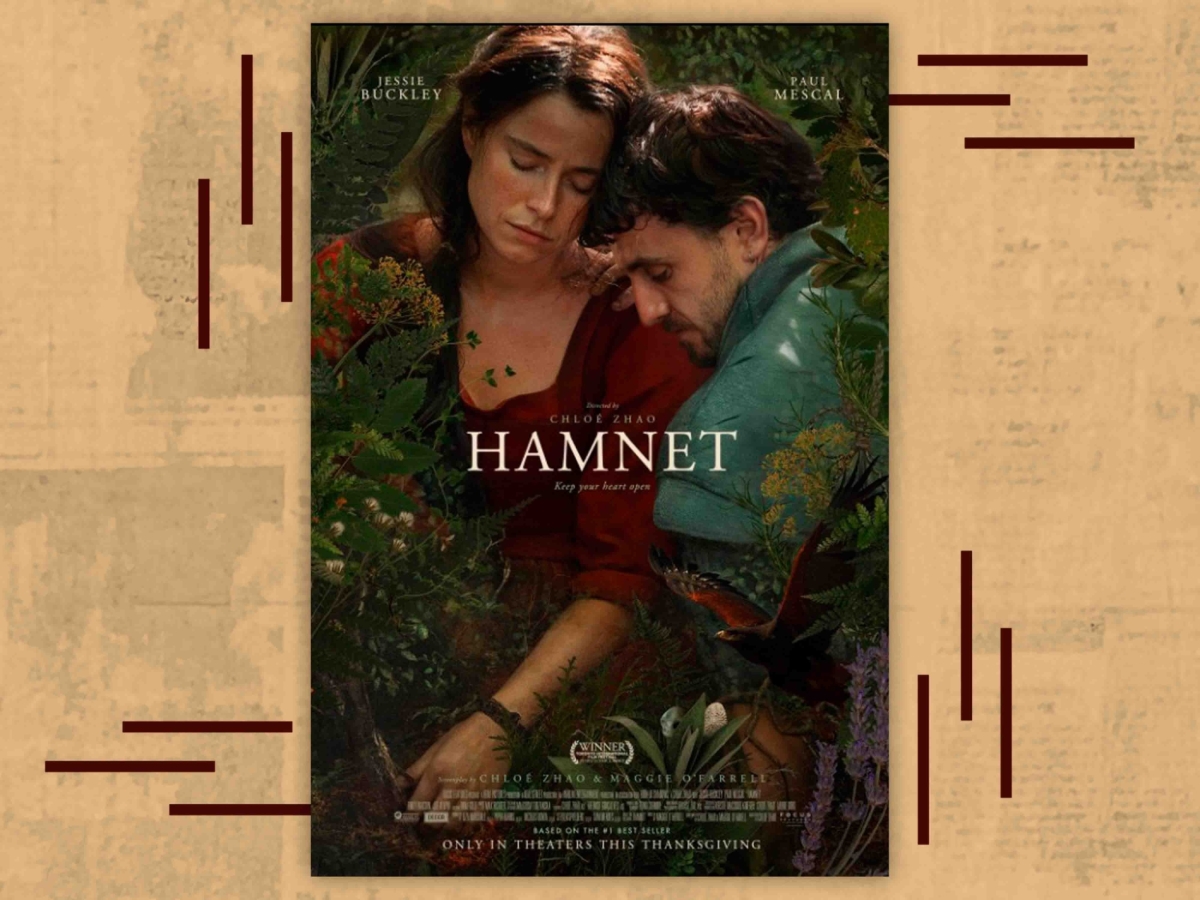

Renowned for the Oscar-winning Nomadland, Chloé Zhao opens Hamnet with an image that borders on the mythic. Agnes, played with haunting grace by Jessie Buckley, is seen embracing the earth beneath an ancient, towering tree. From the tree’s cavernous base, she seems to emerge, not unlike a newborn from a primordial womb. She lies still, cradled by roots and silence, untouched by the clamour of the world.
The scene unfolds as a visual incantation, heralding a film that prioritises feeling over plot, intuition over exposition. Characters arrive not to propel narrative, but as vessels of mood and memory, swept along by tides of ineffable sorrow and longing.
The film’s arrival has been met with a flourish of honours, including an Academy Award nomination in the newly minted best casting category. Adapted from Maggie O’Farrell’s celebrated novel, O’Farrell herself shares screenplay credit, with Hamnet bringing together a distinguished cast that features Paul Mescal, Emily Watson, and Joe Alwyn alongside the magnificent Buckley.
Though ostensibly a portrait of William Shakespeare and his family, it is Agnes who gives the film its soul. Her perspective frames the story, capturing the quiet ache of living alongside a man whose creative devotion eclipses domestic bonds. The camera cleaves to her gaze, to the interiority of a woman tethered to genius and solitude alike.
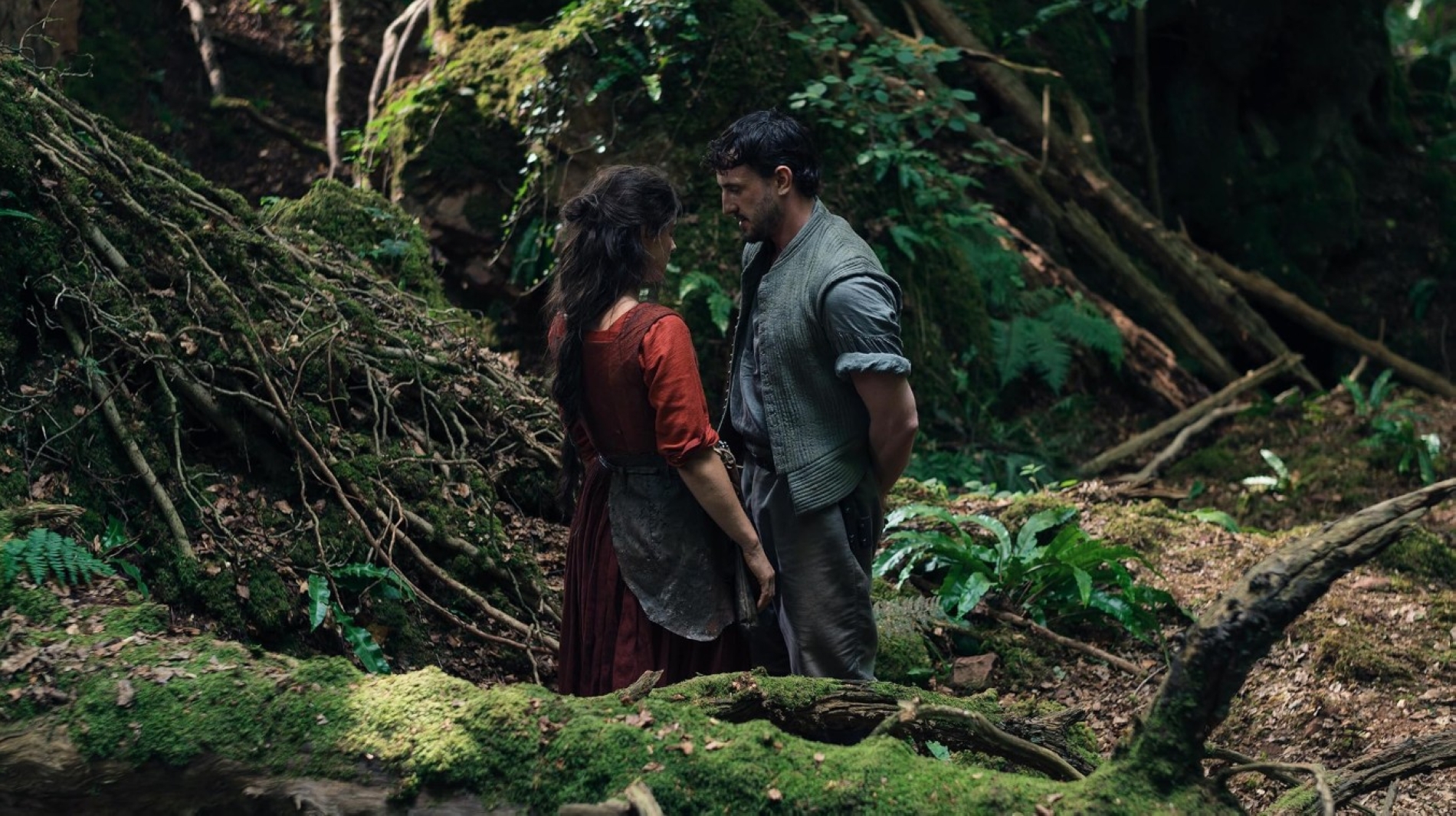
Agnes’s opening scene in the forest serves as an exquisite overture. From her mother, she inherits a spectral bond with nature, a herbalist’s touch, a wariness of towns, and a fierce affinity for wilderness. Her communion with the untamed renders her suspect in society’s eyes, casting her as an almost elemental figure—earthy, unknowable, and radiant with otherness. At her side, a falcon, wary of strangers, loyal as breath.
Love unfolds in light and silence
The film’s early movements promise something rare. Here is a work that listens to its characters’ emotions rather than binding them to mechanical narrative beats. Zhao allows love to unfold unannounced, unlabelled. Scenes of Agnes and Shakespeare discovering one another brim with unspoken depth. There is no need for explanatory devices; the performances, the cinematography, the rhythms of nature speak louder than words. In these passages, one senses the influence of Terrence Malick—a cinema attuned to silence, light, and the brush of wind across skin.
Visually, the film achieves a lucid beauty. Sound and image cohere with poetic clarity. Verdant landscapes, the shimmer of natural light, and an enveloping soundscape transport the viewer into Agnes’s world. Even costume design joins the harmony, weaving her into the fabric of the forest. She does not merely inhabit the setting—she becomes part of its breath and pulse.