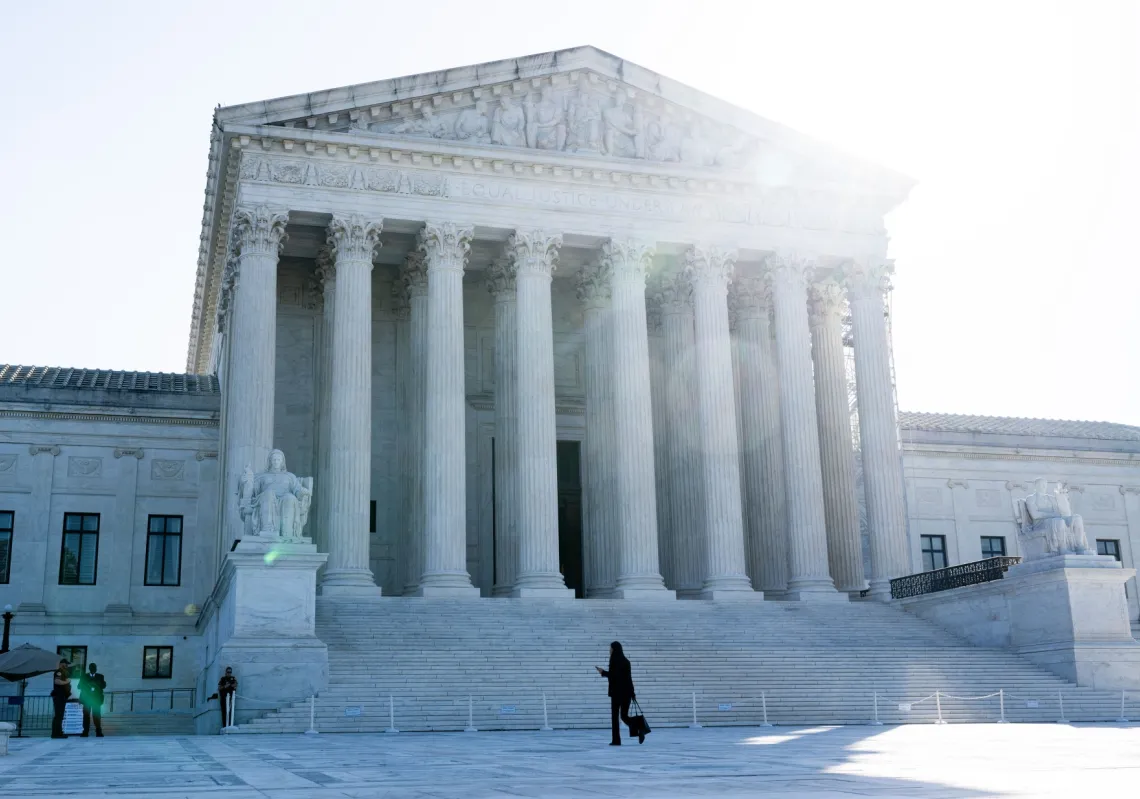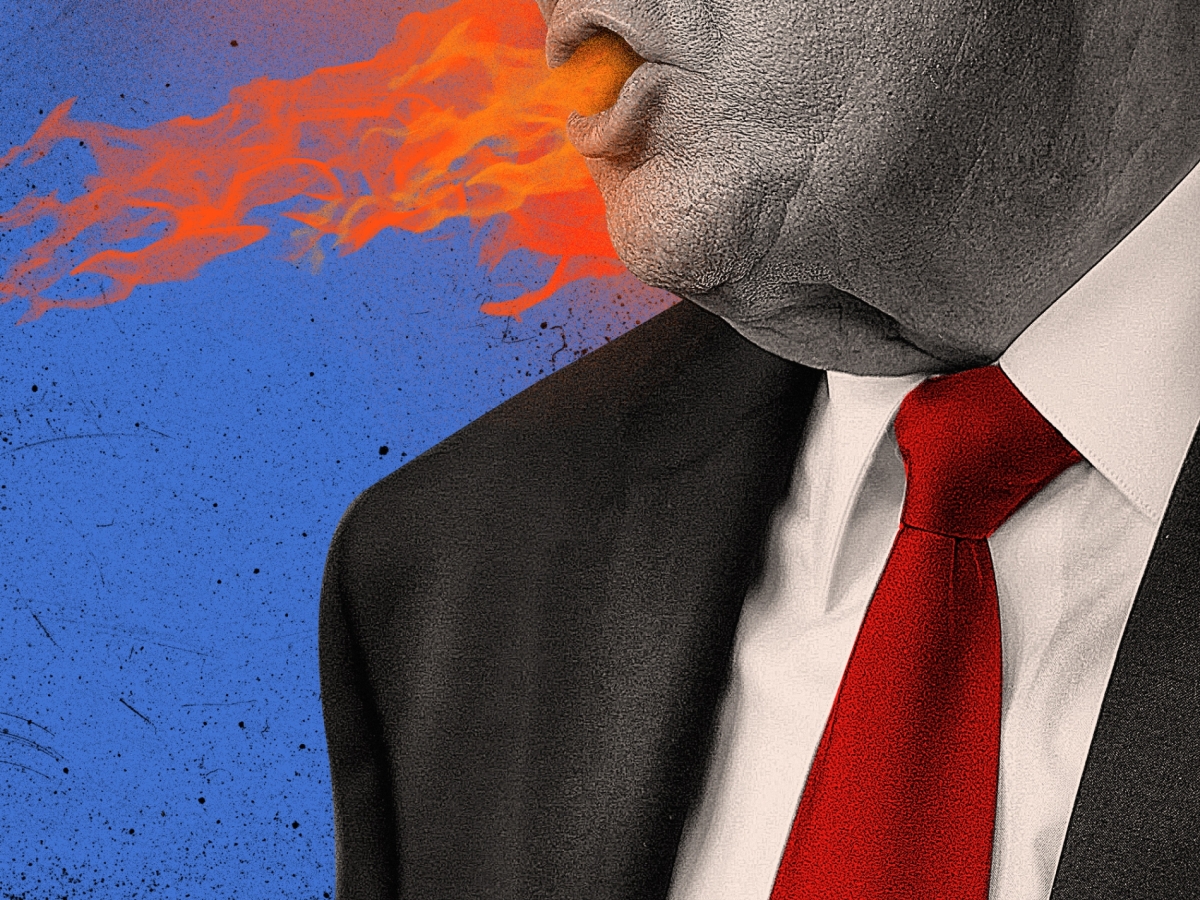

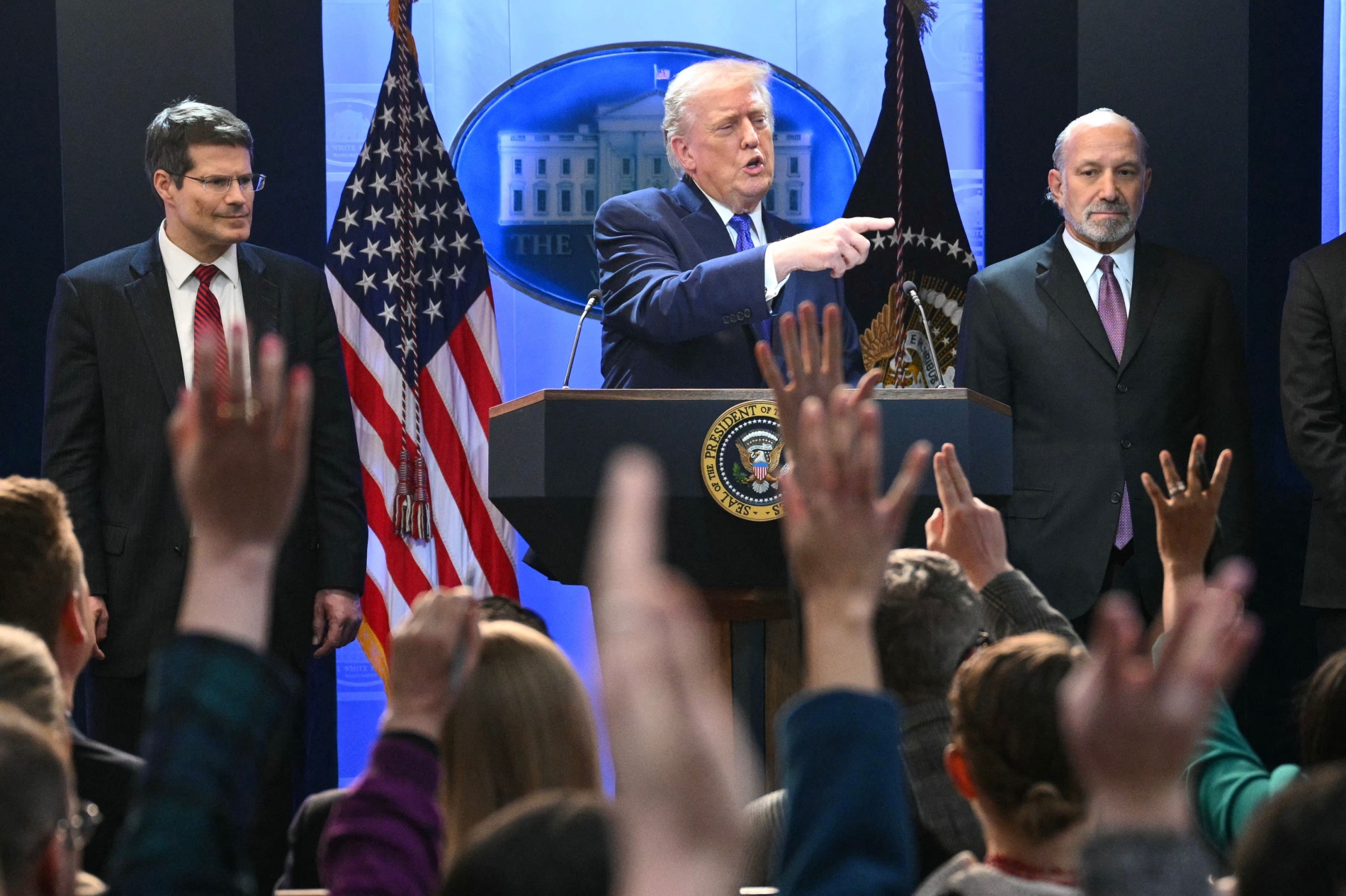
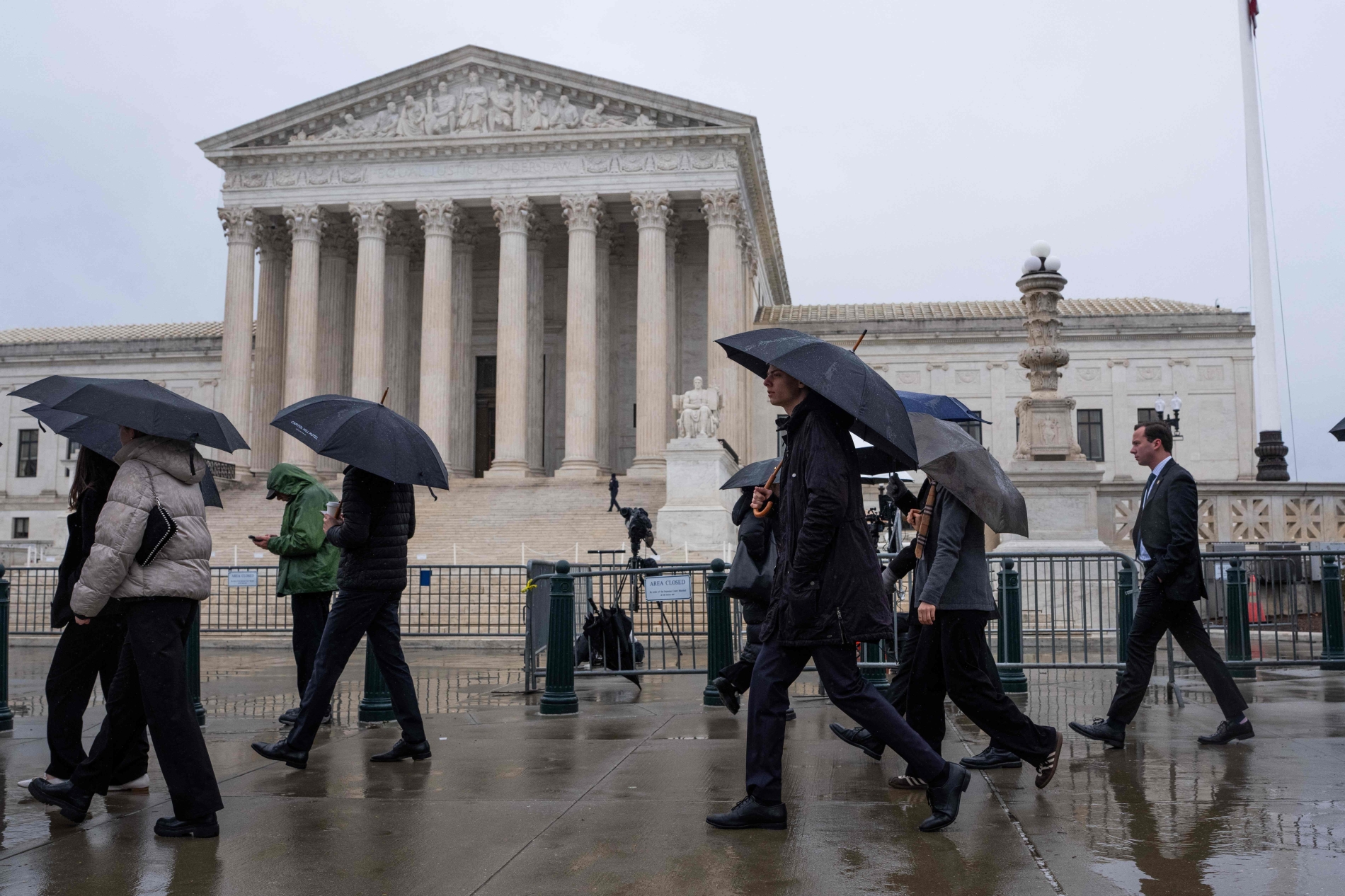
Rarely does so totemic a presidential policy receive so resounding a smackdown. On 20 February, the Supreme Court ruled, in Learning Resources v Trump, that the bulk of President Donald Trump’s tariffs were illegal. Mr Trump had asserted that a 1970s-era law, the International Emergency Economic Powers Act (IEEPA), allowed him to bypass Congress and set tariffs according to his whims. Six of the court’s nine justices disagreed, including John Roberts, the chief justice, who wrote the majority decision. In a press conference held shortly after the announcement, Mr Trump said the ruling was “deeply disappointing” and that he was “ashamed of certain members of the court”, before pledging new trade barriers.
The president had claimed that two emergencies demanded the increase in tariff rates: a “public-health crisis” stemming from the importation of illegal drugs, and “large and persistent” trade deficits. A number of lawsuits brought by small businesses challenging Mr Trump’s reading of IEEPA met with success in lower courts. When the matter arrived at the Supreme Court in November, liberal and conservative justices alike seemed wary of endorsing a robust presidential power to set tariffs under the statute.
The decision in Learning Resources confirmed this scepticism. In his opinion for the court, Chief Justice Roberts noted that the constitution’s framers “gave ‘Congress alone’ the power to impose tariffs during peacetime” and “did not vest any part of the taxing power to the executive branch”. The words “regulate” and “importation” in IEEPA, he continued, do not confer an “independent power to impose tariffs on imports from any country, of any product, at any rate, for any amount of time”. When it passed IEEPA, Congress did not “hid[e] a delegation of its birthright power to tax within the quotidian power to ‘regulate’”.
The verdict takes a battering ram to Mr Trump’s tariff wall. Knocking out the IEEPA levies should lower America’s effective tariff rate by about half, calculates Yale University’s Budget Lab. But the president has promised to rebuild his tariff barriers, pledging “methods, practices, statutes and authorities that are even stronger than the IEEPA tariffs”.
For now, he has invoked Section 122, another provision from the 1970s, to impose a global 10% tariff on top of existing levies. That will buy some time, but Section 122 only permits temporary duties for up to 150 days. The authority has also never been used before, and could well prompt legal wrangling, as it requires pointing to “large and serious” balance-of-payments deficits.
To rebuild the tariffs in full, Mr Trump needs to look elsewhere. One option would be to push them through Congress; tariffs are taxes after all, the domain of America’s legislature. But with slim majorities and upcoming midterms, that looks like a nonstarter. Another risky route, which Mr Trump nodded to, is Section 338, a never-invoked part of the Smoot-Hawley Tariff Act of 1930. That permits high tariffs if a country “discriminates” against American commerce.
But the president will probably rely mainly on sector- and country-specific tariffs, which bypass Congress. These rules, specifically Section 232 and Section 301, are already in use and have firmer legal grounding. Brick by brick, Mr Trump can use them to put his tariff wall back together. The catch is that they are much less flexible, requiring formal investigations before they are levied. The president has now pledged to launch several such probes, while griping about the “longer process” involved. This will cramp his preferred style of freewheeling tariff threats and hastily arranged negotiations with aggrieved trading partners. Still, his goal—the highest tariff rates in more than half a century—remains achievable.
The immediate economic impact will be more uncertainty. Businesses have spent the past year grumbling that America’s constantly changing trade policy has made hiring and investment a nightmare. Any hopes for calm in 2026 have now been dashed. Reconfiguring America’s trade policy around this ruling will be messy, and doubtless create fresh winners and losers. The long-term effects depend on how aggressive Mr Trump is in establishing new levies to replace those struck down. For now, markets are interpreting the news cautiously. Bond yields rose after the decision came, but only by a few hundredths of a percentage point. The dollar fell, but not by much.
The Supreme Court was largely silent on the other question that will determine the economic impact of the ruling: tariff refunds. Importers have already paid well over $100bn (0.3% of GDP) in levies, nudging down America’s vast budget deficit. Those will probably need to be refunded, although the exact process, and how much painstaking paperwork would-be beneficiaries would need to file, remains unclear.
Mr Kavanaugh raised the issue in his dissenting opinion: “The court says nothing today about whether, and if so how, the government should go about returning the billions of dollars that it has collected from importers. But that process is likely to be a ‘mess’, as was acknowledged at oral argument.” If the refunds do land swiftly, that could help juice the economy ahead of the midterm elections, paradoxically benefitting Mr Trump.