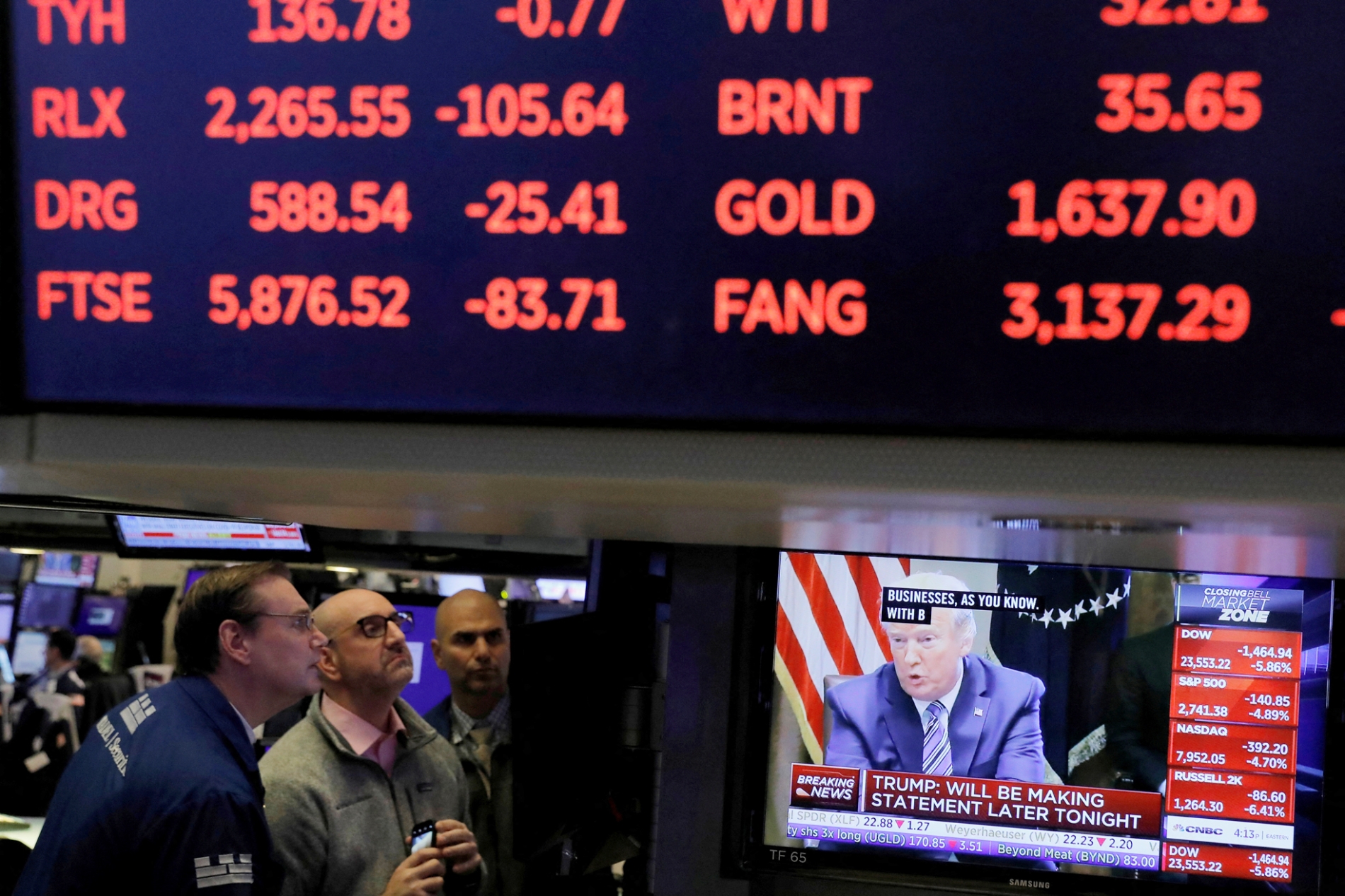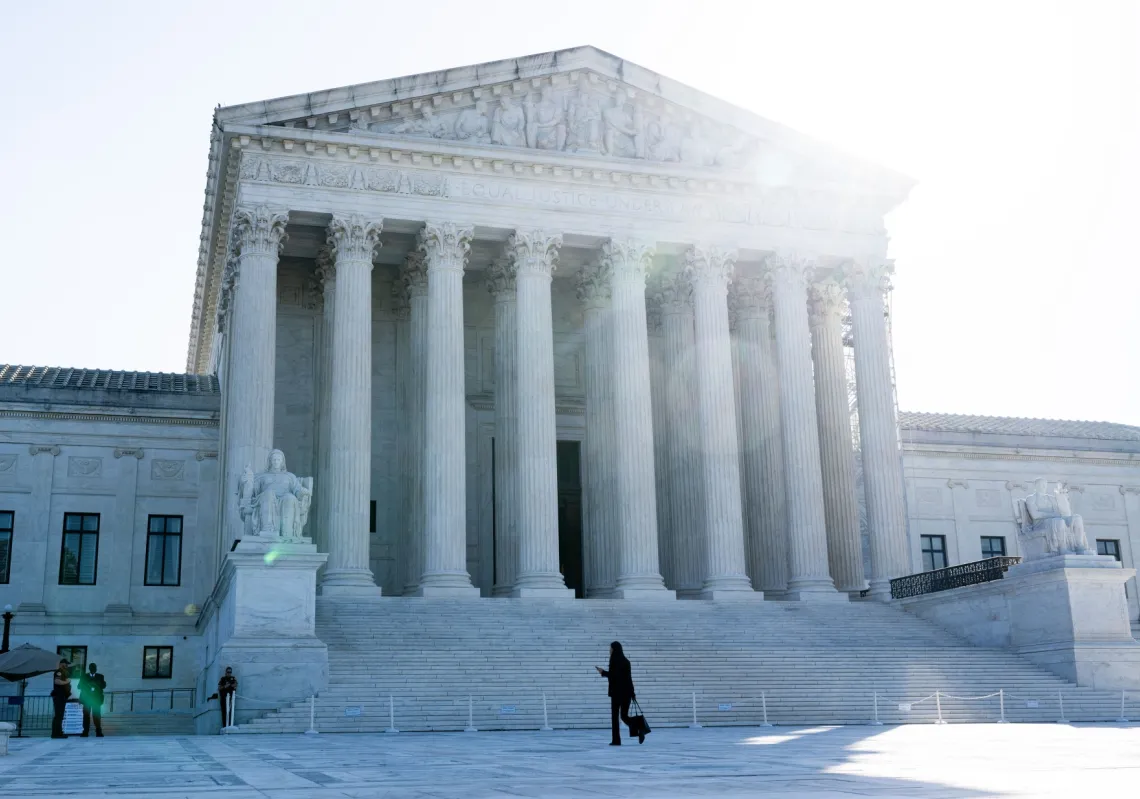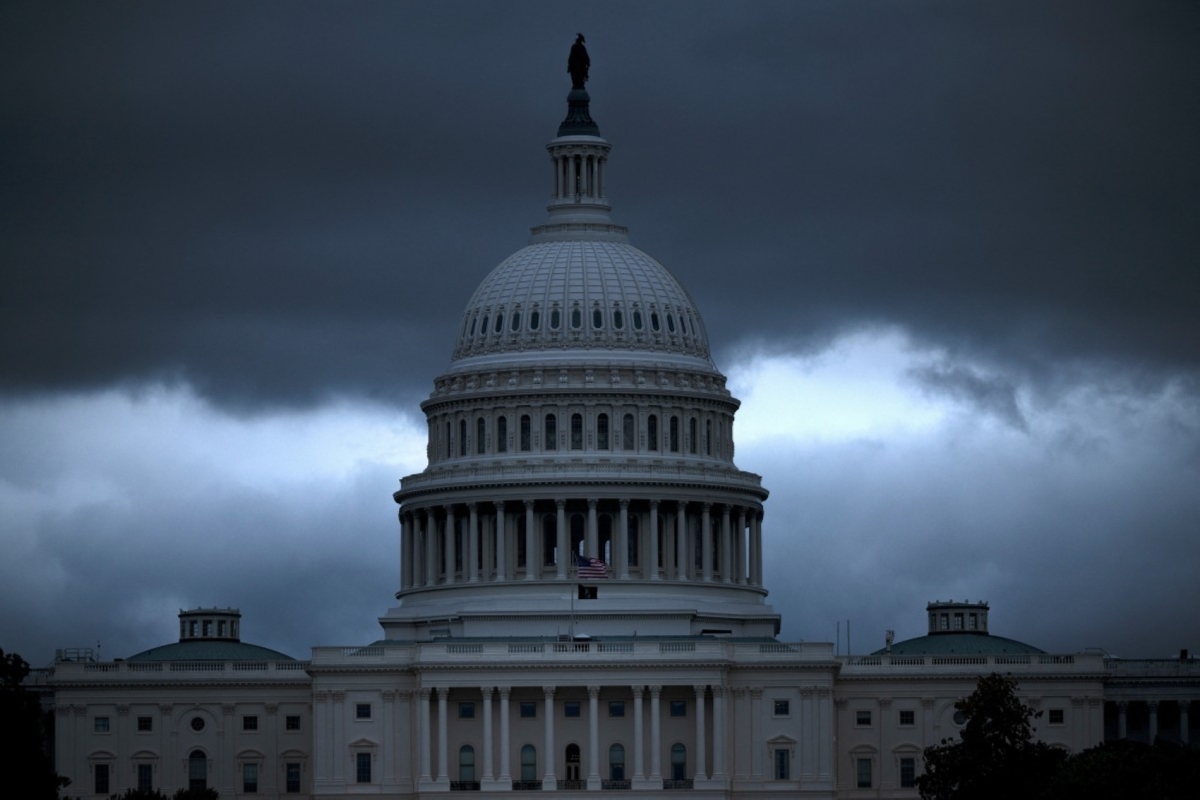

The fate of US President Donald Trump’s trade tariffs and the international disputes they ignite is now in the hands of the United States Supreme Court, ahead of what will be a landmark ruling in 2026. This is the most consequential challenge yet to the expansion of presidential power under the guise of national security, set against Congress’s assertion of its constitutional authority over the public purse.
Following a turbulent year of Trump-led trade confrontations that have overturned decades of established practice, 2025 concludes with suspended agreements, repeated revisions, and a tense wait for data to measure the economic and political fallout. As the conflict moves from the chambers of international diplomacy and the forums of economic summits to the very core of the American constitutional system, the final word in this confrontation is yet to be written.
In his second term, Trump has tested the limits of executive branch power. In 2026, the Supreme Court—which has a conservative majority—will rule on Trump’s national security argument. It could redefine the balance of power between the US president and the US Congress, while setting the course for tariffs for generations to come. In short, 2026 will be a year of reckoning in the ongoing domestic struggle between the executive and the legislature over trade and fiscal policy.
Trump’s powers
On 5 November, the Supreme Court heard oral arguments contesting a ruling by the Federal Circuit Court of Appeals in Washington, issued on 29 August, which ruled that most of Trump’s tariffs were unlawful. These tariffs—imposed on 2 April 2025, a date his team called Liberation Day—targeted America’s trading partners and other nations, justified by their purported role in the flow of narcotics into the US.
Representing the President was Solicitor-General John Sauer. Private sector interests were represented by attorney Neal Katyal, while state governments were represented by Solicitor-General Benjamin Gutman. Sauer’s defence of Trump centred on the claim that narcotics trafficking from China, Mexico, and Canada posed a national emergency, justifying punitive tariffs against those countries.
He also said the trade imbalance favouring exporters to the US had eroded domestic industry and evolved into “an unusual and extraordinary threat”. On this basis, he said the President was entitled to invoke the powers granted under the International Emergency Economic Powers Act of 1977 (IEEPA), Section 1701 of which authorises Trump to act “to deal with any unusual and extraordinary threat, originating in whole or substantial part outside the United States, which threatens the national security, foreign policy, or economy of the United States”.

During times of emergency, Section 1702 grants the President the authority to “regulate imports or exports” with any foreign nation whose nationals are involved in such trade. Sauer argued that Congress’s delegation of authority to the President to “regulate imports” inherently included the power to impose tariffs, describing them as “a traditional and common instrument of regulating trade”.
Reach and overreach
Several of the United States’ founding constitutional authorities, including James Madison and Chief Justice John Marshall, considered tariffs to be a means of regulating commerce. In the seminal 1824 case Gibbons v Ogden, Marshall affirmed “the right of authority to regulate commerce through the imposition of tariffs”. Fast forward 140 years, and in August 1971, President Richard Nixon imposed a temporary 10% tariff, invoking a statute nearly identical to the IEEPA.