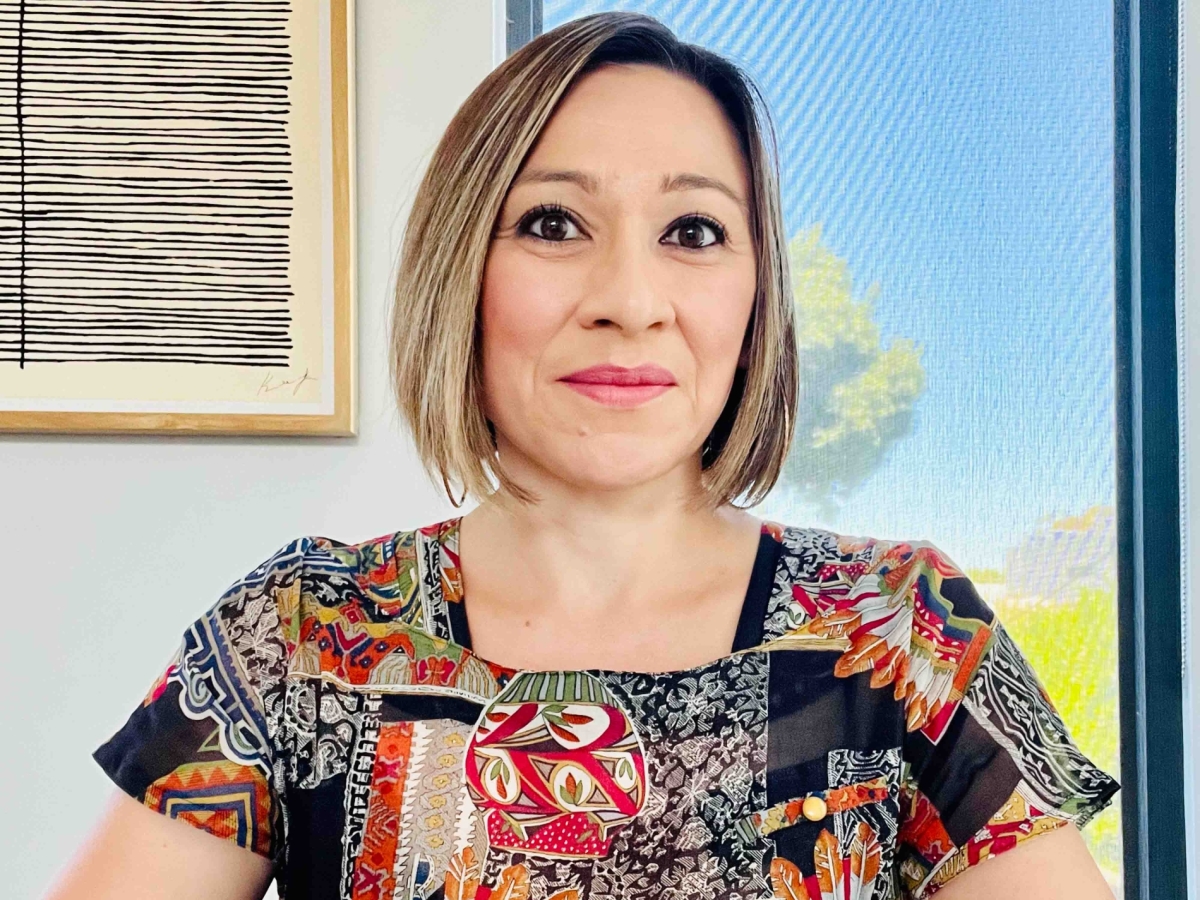

In her short stories and novels, Australian physician and novelist Melanie Cheng combines the sensitivity of a doctor with the imagination of a writer. Born in Adelaide, Australia, to Chinese parents, she moved to Hong Kong in 1986 before later returning to settle in Melbourne, a journey clearly reflected in her writing, which explores questions of identity, belonging, and human fragility.
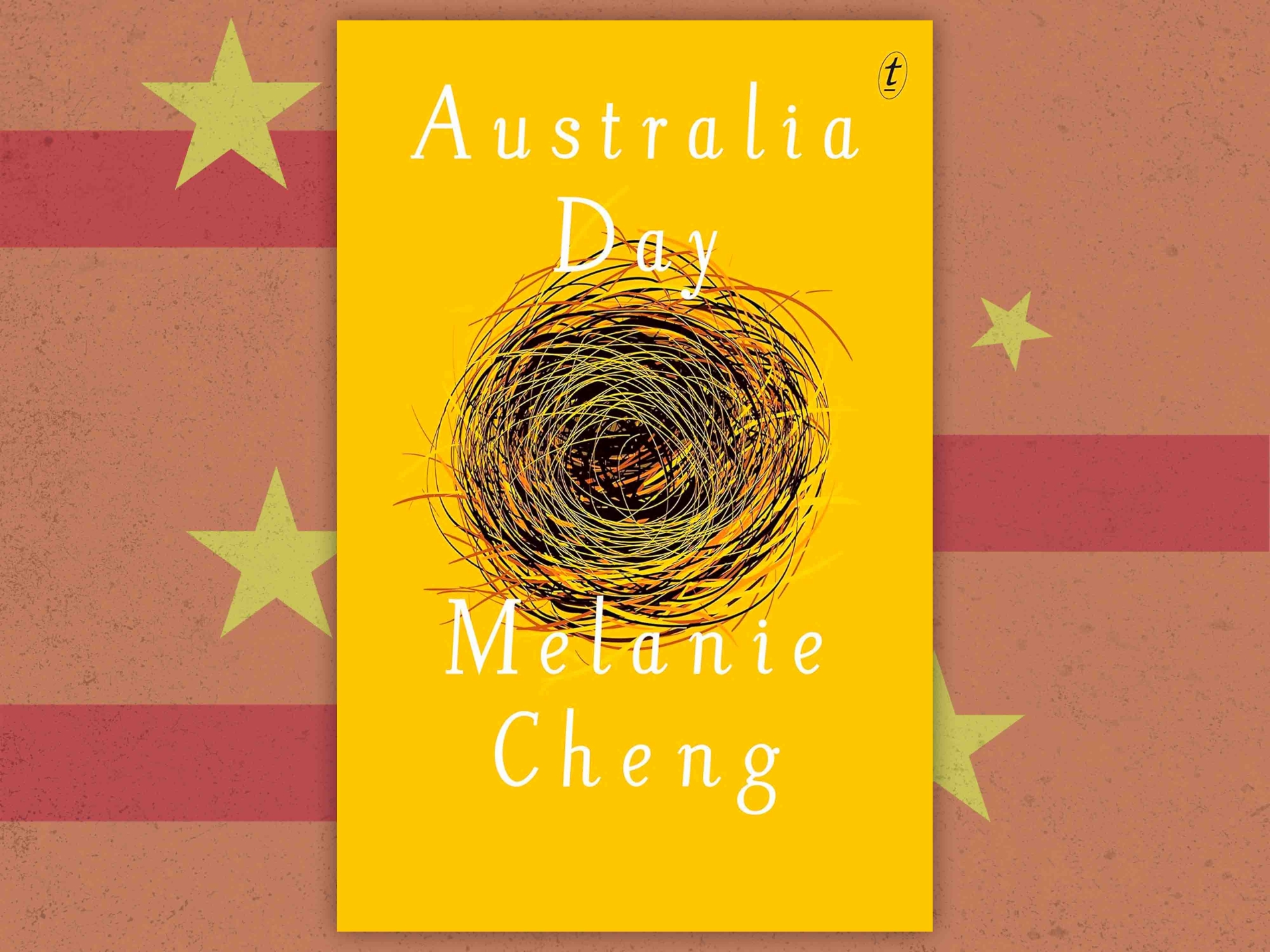
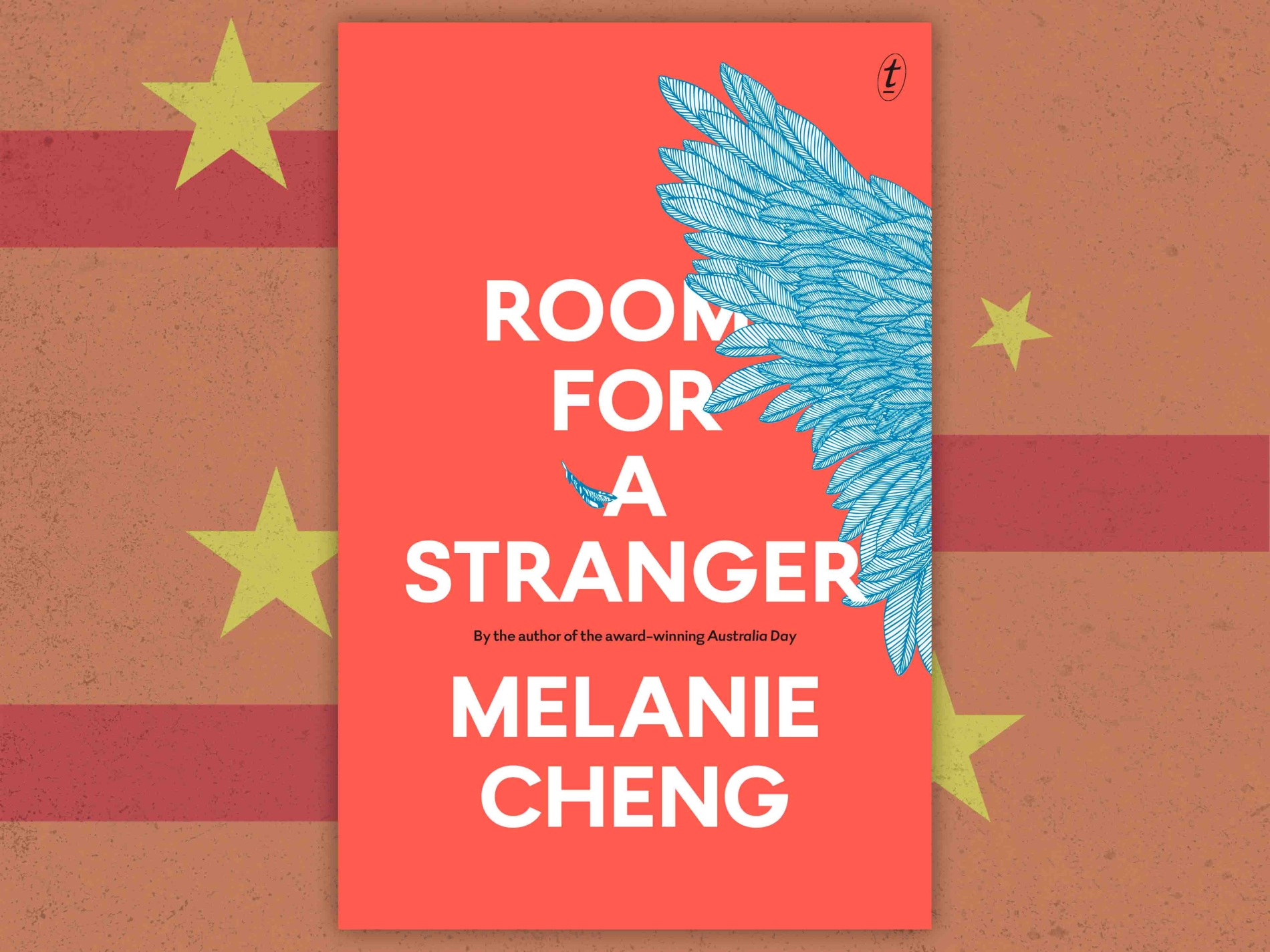
Her first collection of short stories, Australia Day, catapulted her into the spotlight, and her debut novel, Room for a Stranger, was nominated for several literary awards.
Her most recent novel, The Burrow, has also garnered critical acclaim and was longlisted for the 2026 Dublin Literary Award. In an interview with Al Majalla, Cheng reflects on writing as a space for understanding humanity rather than representing it, explains how she captured loss in her latest novel and the different ways people cope with it, and talks about how she regrets not being able to speak her mother tongue of Cantonese.
Below is the full conversation.
You chose to tell The Burrow through multiple voices within a single family. What made you go with this approach?
When I’m not writing, I work as a family medicine doctor. It is not unusual for me to see multiple members of a single family as patients in my practice. Sometimes the family will be grieving a loved one. Through my observations of such families, I've come to understand that people grieve differently, and I wanted to give readers a full range of the grief experience.
Some want to talk endlessly about the deceased, while others prefer not to speak about their loved one at all. Some throw themselves into work as a means of distraction, while others are so paralysed by their grief they’re incapable of attending to themselves, let alone their careers. Some want to read every book that has ever been written about death, while others avoid the mere mention of the word.
Did you intend for the novel to reveal the fragility of the concept of family, or its capacity to endure despite the cracks?
Great question! I really wanted to reveal both these things. Families, a little like diamonds, are both incredibly strong and surprisingly brittle. Their resilience comes from the strength of their bonds, yet a sharp blow applied just right can break them.
When we meet the Lee family at the beginning of the novel, they are in pieces following one such life-shattering blow. As the story progresses, however, we see that all is not lost. I like to think of it in terms of the Japanese art of Kintsugi—an ancient method of ceramic repair that involves mending broken pottery with gold lacquer; the finished product may not be as strong as the original, but it is definitely more intricate and arguably more beautiful than before.
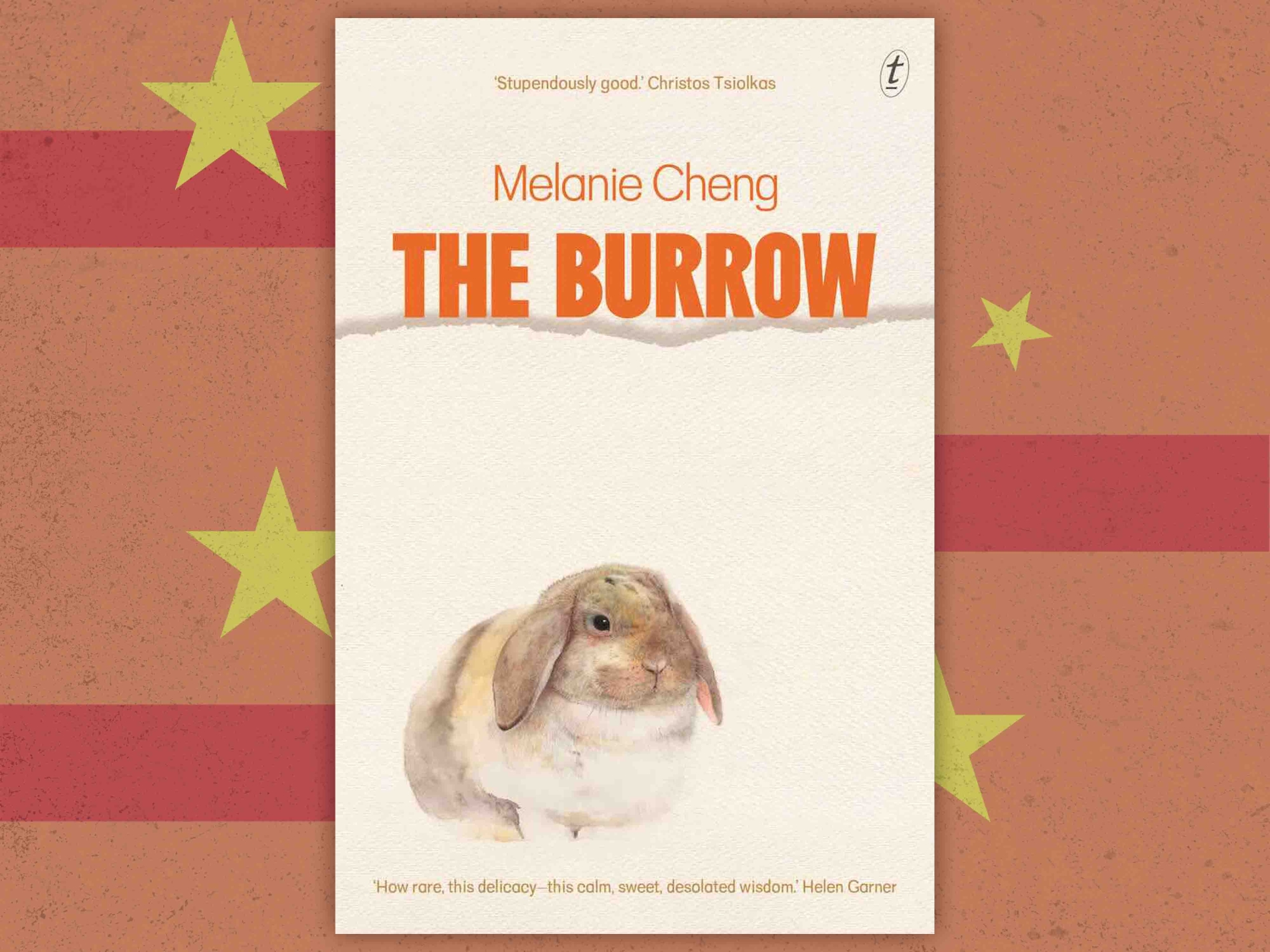
Can the title The Burrow be read as a metaphor for grief itself, not just for the family?
In English, the word “burrow” is both a noun and a verb. A burrow is an animal’s home, but “to burrow” is to bury oneself in something. I loved the ambiguity of this title because it describes the Lee family so well. They are both in enforced hiding (from the pandemic) and voluntary hiding (from the world). Their home, or burrow, is simultaneously a refuge and a symbol of their isolation.
At one point in the book, Amy, the mother, says that she doesn’t want to give up her sorrow because it is her last remaining connection to her dead daughter, so yes, grief is like a burrow—at select times it can be a welcome retreat, and at other times it can be a deep, dark, obliterating hole.
The struggle of belonging is always present in your writing. Do you feel that literature can bridge the gap between cultures, or does it simply expose it more clearly?
As a person of mixed-race heritage who spent their formative years in Hong Kong and their adult years in Australia, belonging was an obvious and inevitable preoccupation. I grew up hearing stories about how my parents struggled to adapt to their respective adopted homes.