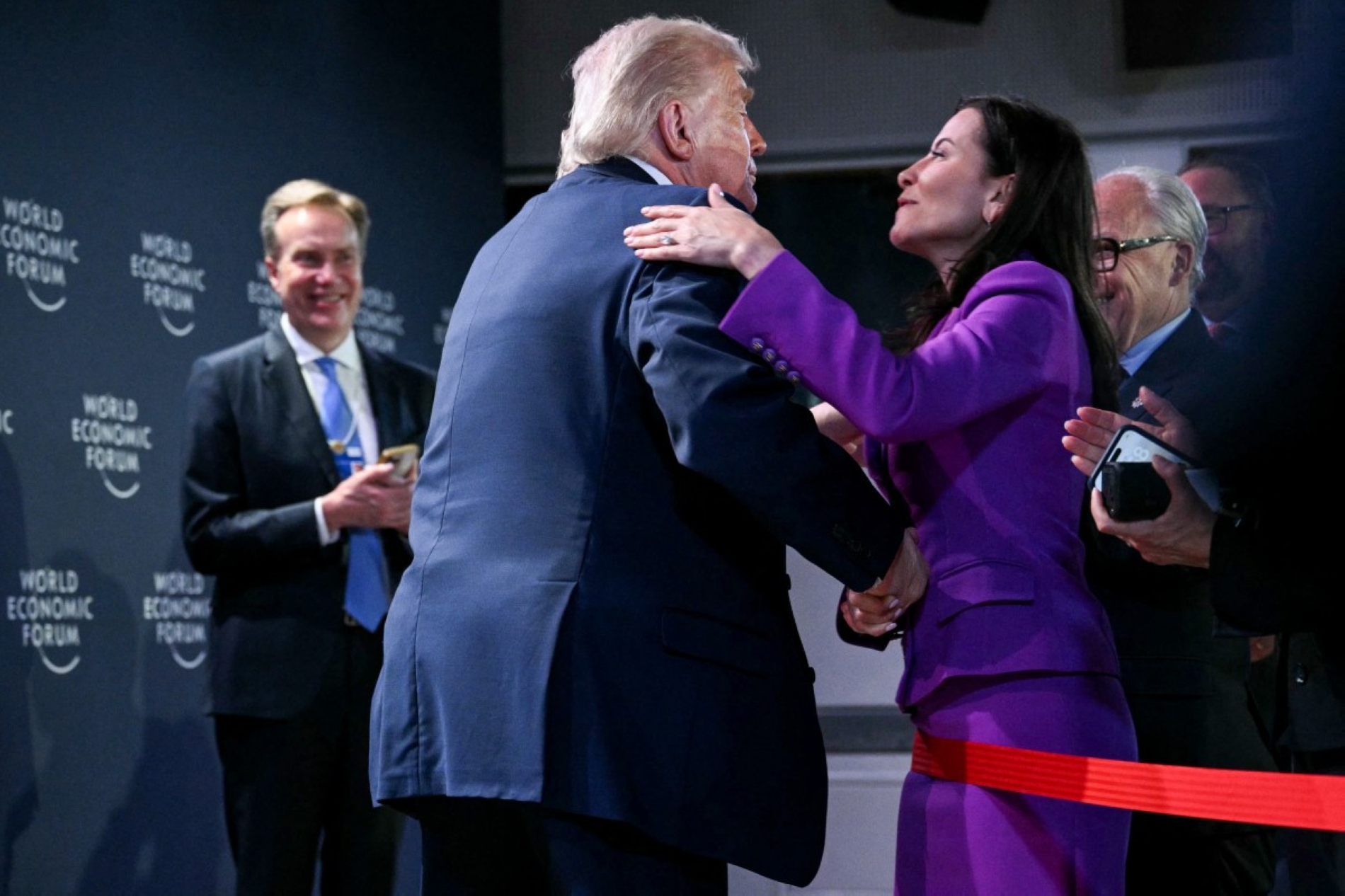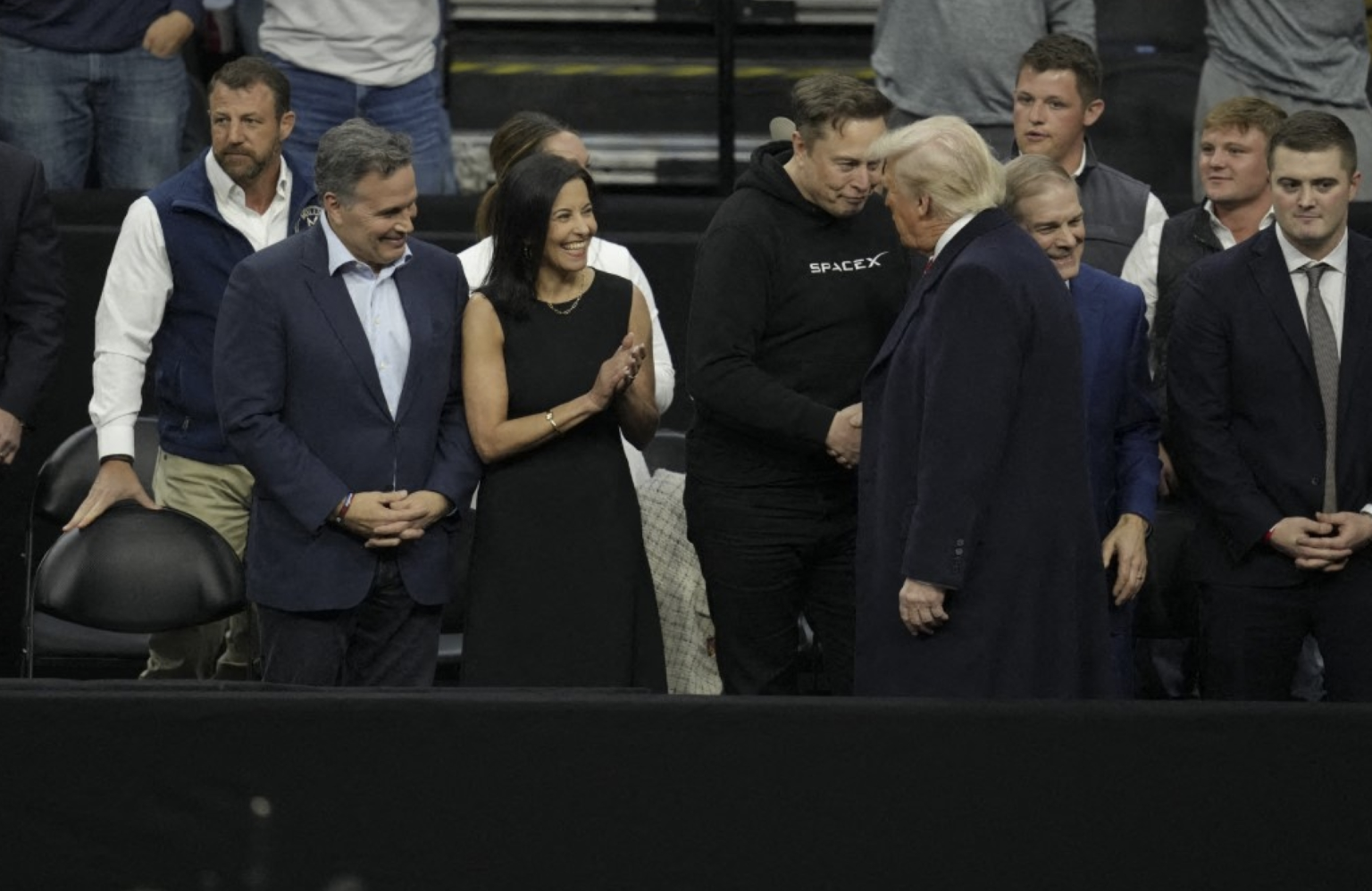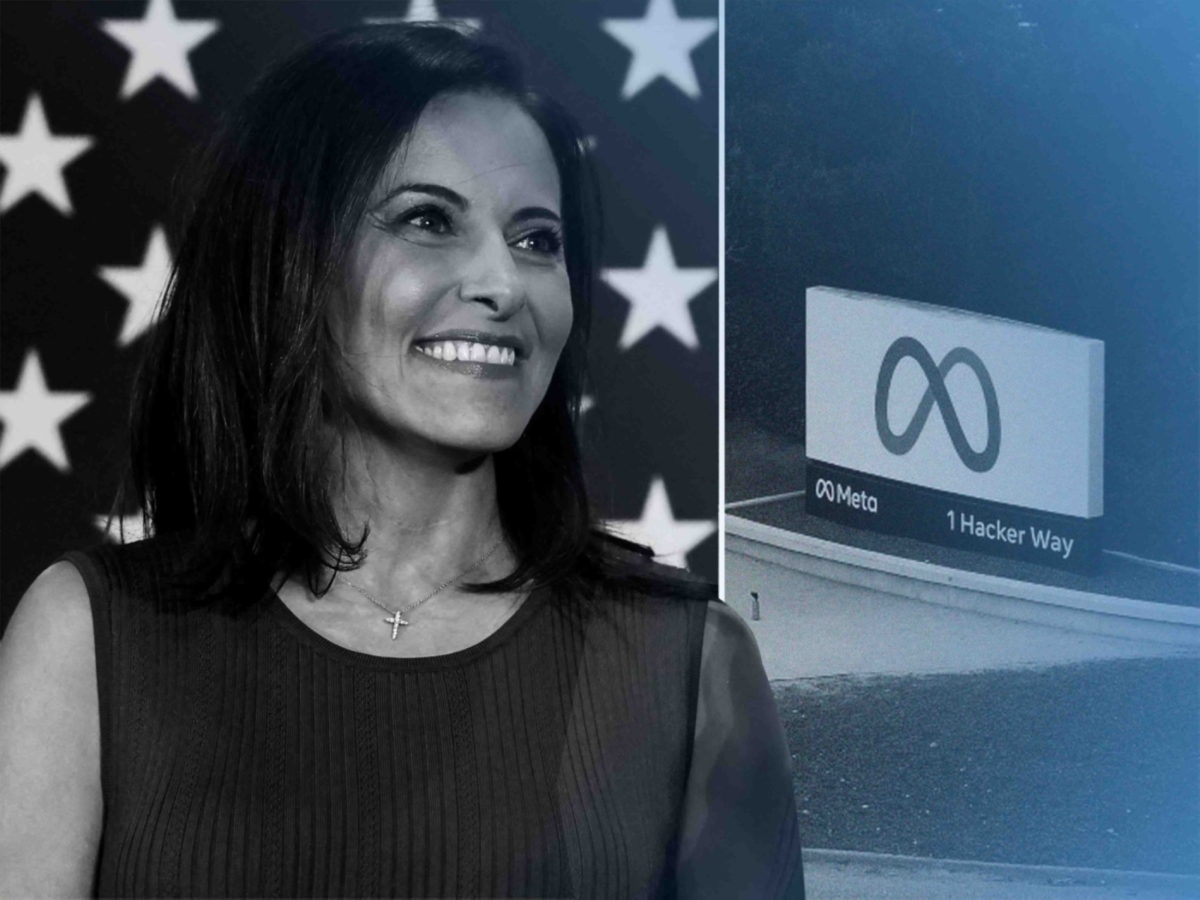

Dina Powell McCormick ranks among the most accomplished figures of Egyptian heritage to have ascended the corridors of influence in the US. Over the course of her career, she has held senior positions at Goldman Sachs and served in senior advisory roles under two presidents, including Donald Trump during his first term. These roles placed her close to the centre of political and economic decision-making.
Now she has joined Meta as president and vice chairman, entering a new chapter within one of the world’s largest technology companies. Her appointment is accompanied by a compensation package that reflects the weight of expectations: an annual salary of $1mn, equity valued at approximately $60mn, and a $10mn signing bonus.
According to Meta’s official statement, Powell will help guide the company’s overall strategy and execution, with a particular focus on forging new strategic capital partnerships. She will also be responsible for identifying innovative ways to expand the company’s long-term investment capacity as it seeks to power the next decade of computing through data centres, energy systems, and global connectivity.
Speaking of her appointment, Meta’s founder and CEO Mark Zuckerberg said: “Dina’s experience at the highest levels of global finance, combined with her deep relationships around the world, makes her uniquely suited to help Meta manage this next phase of growth as the company’s President and Vice Chairman.”
Egyptian-American
Dina Powell McCormick (née Habib) is a first-generation Egyptian-American. Born in Cairo in 1973, she grew up in a household that held fast to its cultural roots while embracing full participation in American life. She later described this formative experience as a kind of dual belonging, recalling childhood moments when she yearned for a turkey-and-cheese sandwich with potato chips, like her classmates, only to return home to grape leaves, hummus, and falafel. In that quiet contrast lay an early lesson in balancing cultural inheritance with American ambition.

She studied political science at the University of Texas at Austin, then moved on to Georgetown University, one of Washington’s foremost incubators of political leadership. That path opened the door to the institutions of American governance.
Powell began her career in Congress before rising into senior roles within the Republican Party. During President George W. Bush’s administration, she held a series of executive posts between 2001 and 2007, serving first as Deputy Assistant to the President for Presidential Personnel and later as Assistant to the President for the same portfolio, before joining the State Department as Assistant Secretary for Educational and Cultural Affairs. Those years offered direct experience in institutional leadership, talent development, and the inner workings of the federal executive branch.
In 2017, Powell returned to the centre of decision-making during Donald Trump’s first term as president, serving as Deputy National Security Adviser until 2018. Her portfolio encompassed foreign policy, diplomacy, and national security, and she contributed to the management of international relations during a period marked by global turbulence.
Alongside her public service, Powell built a formidable presence in finance. She spent 16 years at Goldman Sachs, holding senior leadership roles, including serving as head of the firm’s global sovereign business and guiding its sustainability and inclusive-growth initiatives. She also served on the bank’s management committee.
Her tenure included a pivotal role in shaping and launching major economic programmes such as 10,000 Women and 10,000 Small Businesses—initiatives designed to expand entrepreneurship and stimulate economic growth across diverse markets, leaving a lasting developmental imprint on an international scale.

Powell is married to David McCormick, a businessman, former government official, and US senator from Pennsylvania, firmly embedding her within Washington’s political and economic networks. Her professional path, however, stands firmly on its own terms, defined by a steady movement between public service, global capital, and cross-border institutions. This blend has given her a rare ability to understand the logic of governments with the same depth she brings to markets.