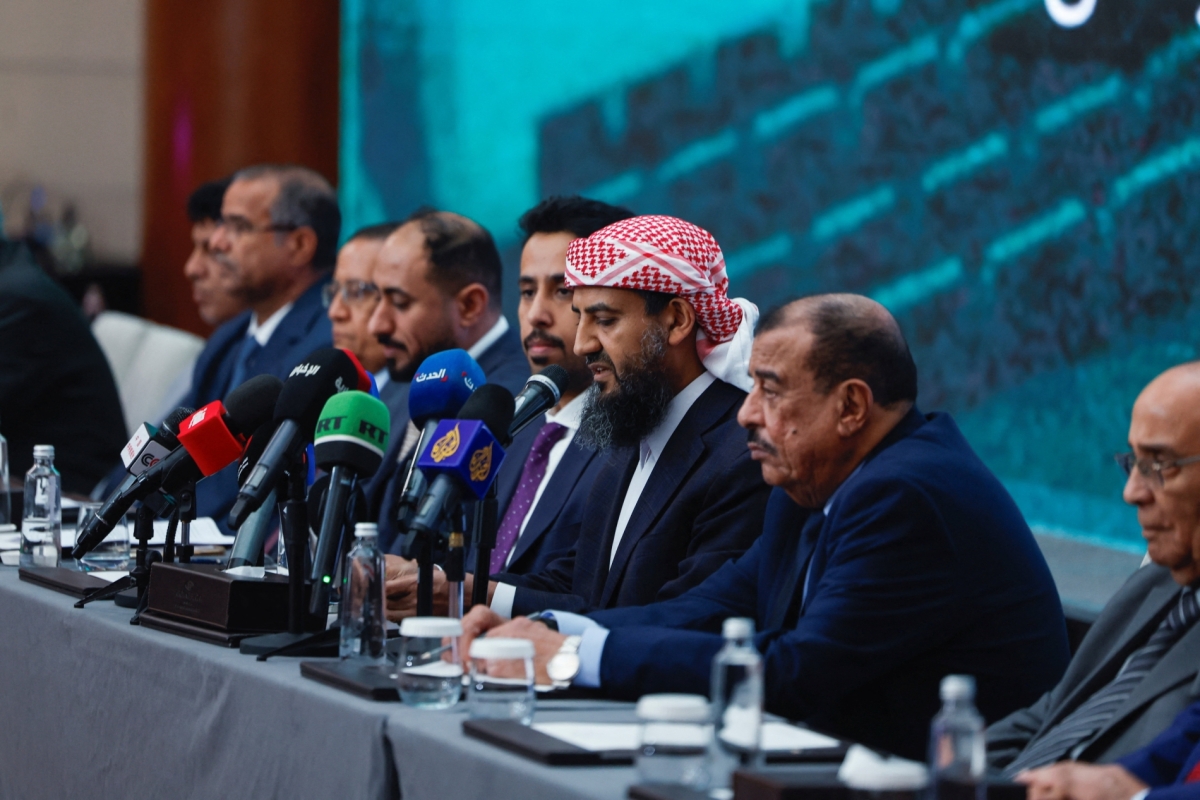

Saudi Arabia is set to host a dialogue between various actors in the south of Yemen after a tumultuous two months in which half the country’s territory changed hands in a brief uprising by secessionists. Some see the discussions as a decisive step forward that could align the visions of rival southern factions and create a workable platform for negotiations. Others say it simply extends the years-long impasse.
Saudi Arabia agreed to host the talks at the request of Yemen’s internationally recognised government, hoping to avoid further turmoil in its neighbour after years of what the government called reckless meddling by the United Arab Emirates under the anti-Houthi coalition’s banner. This interference fostered militias, one of which advanced into the regions of Hadramout and Al Mahrah in December 2025, before withdrawing.
The turbulence has hampered the government’s ability to function in the interim capital, Aden, and undermined efforts to stabilise the south and unify forces opposed to the Houthi movement in northern Yemen. Some in the south want to restore the former People’s Democratic Republic of Yemen (South Yemen), 35 years after unification under a single state whose constitution was approved by referendum.
Systems and laws were united, and the state gained recognition at the United Nations and elsewhere. Some argue that the South cannot break away from the North even if a referendum on self-determination were held, because the 1989 constitution that both states signed does not allow it.
No fixed date
There are fears that talks about southern Yemen in Riyadh could end in discord, pushing all sides to the brink of conflict, such as the divisions and grievances, recently exacerbated by the reported discovery of UAE-run prisons in Yemen’s south. As yet, there is no fixed date for convening a conference and no mechanism for its management, with some wanting to limit attendees only to South Yemeni components. Yet even within camps, there is disagreement on the best form of governance.
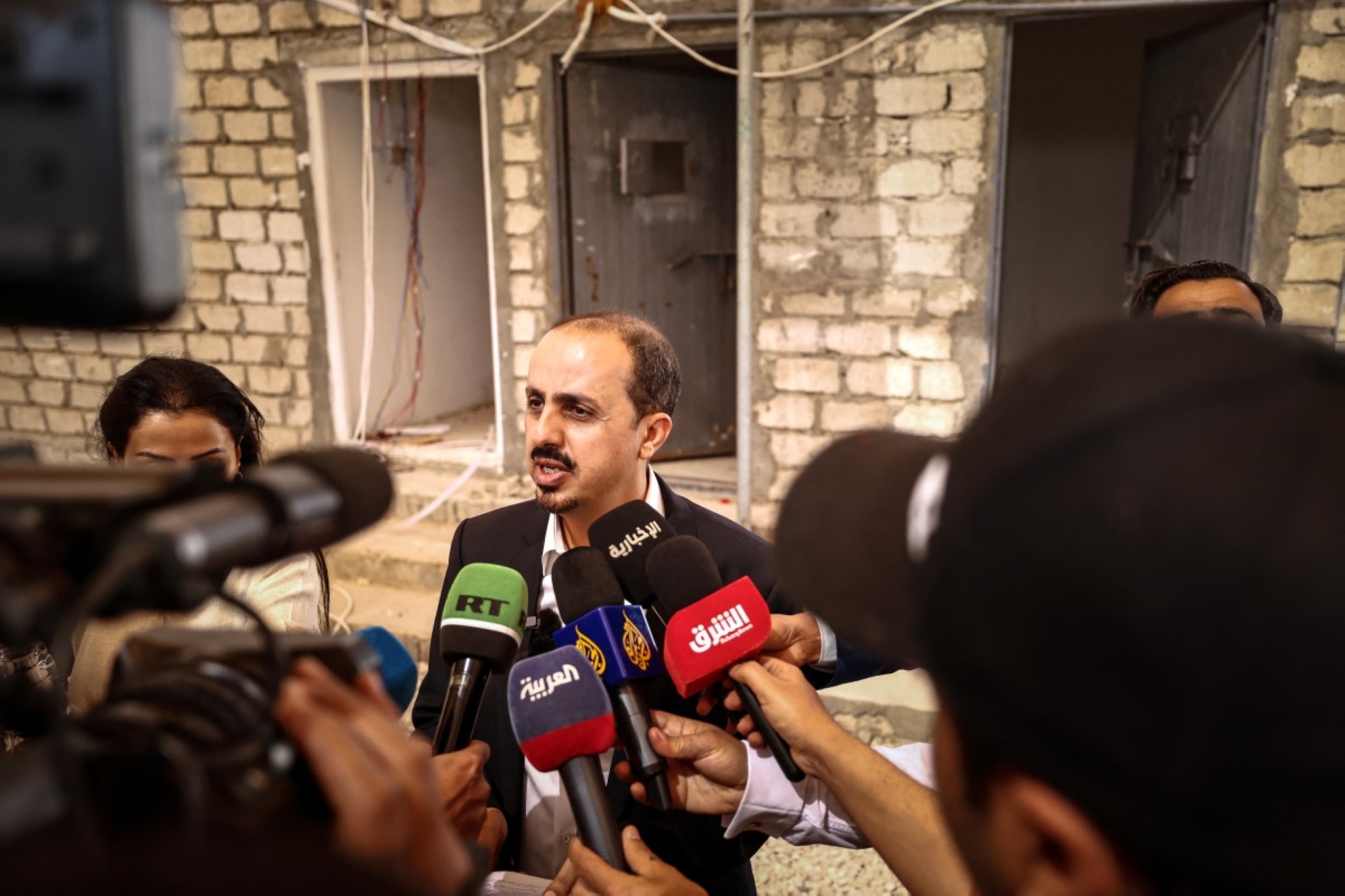
After a decade of conflict, Yemen is a country exhausted by internecine strife. The Riyadh conference faces challenges that cannot be overcome by good intentions alone. After forces loyal to the Southern Transitional Council (STC)—whose leader is now in hiding—advanced into the oil-rich governorates of Hadramout and Al Mahrah, old wounds reopened, reviving a level of rancour that many hoped belonged to the past.
Key challenges
The most important challenge ahead of the talks is deciding who to invite. The southern political researcher Radwan Al Atiqi raises questions around geographic representation. He notes that the likely participants will comprise 38 from Al Dhale, 22 from Aden, six from Al Mahrah, five from Lahij, four from Yafa’a, three from Hadramout, two from Shabwah, one from Abyan, and one from Radfan.