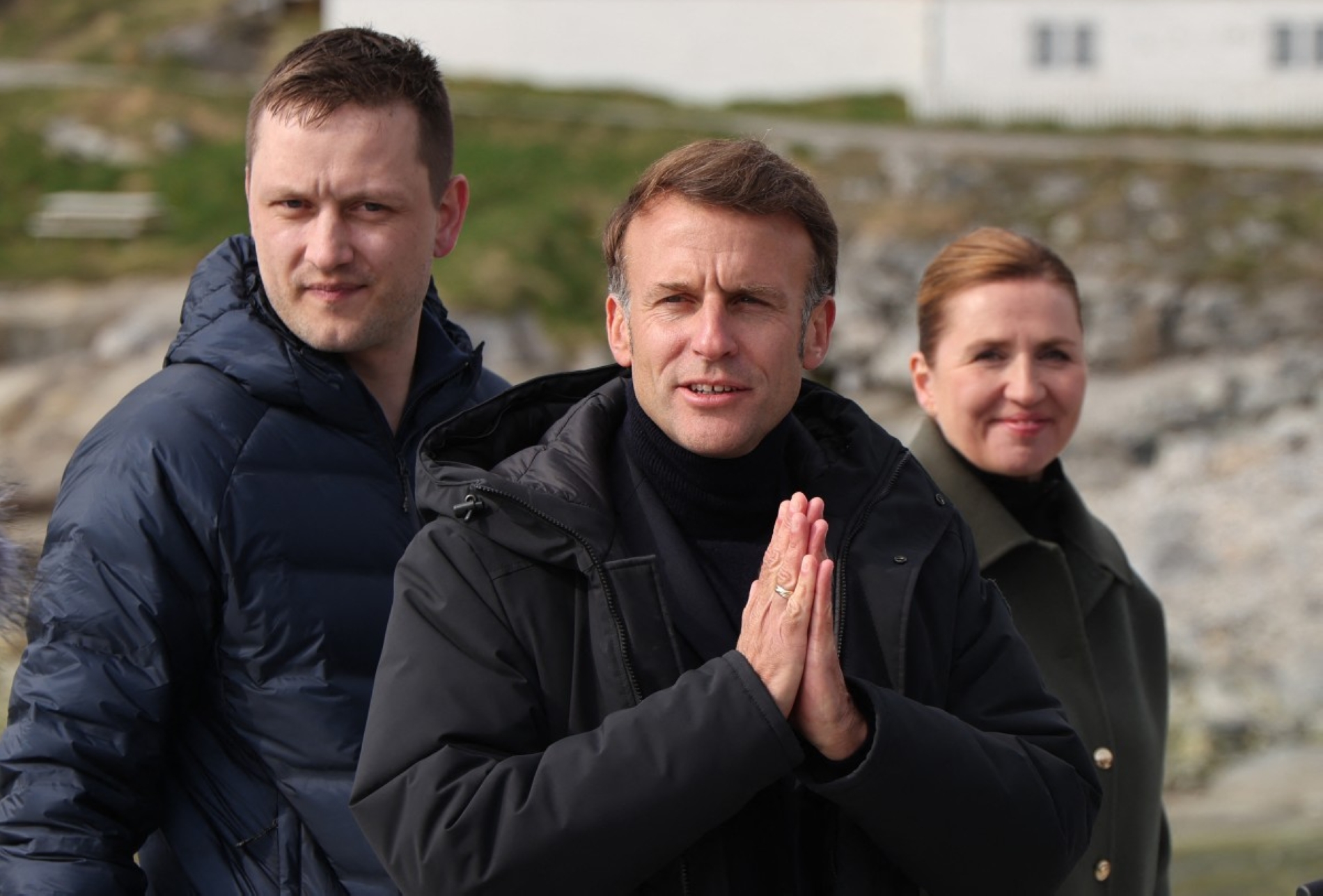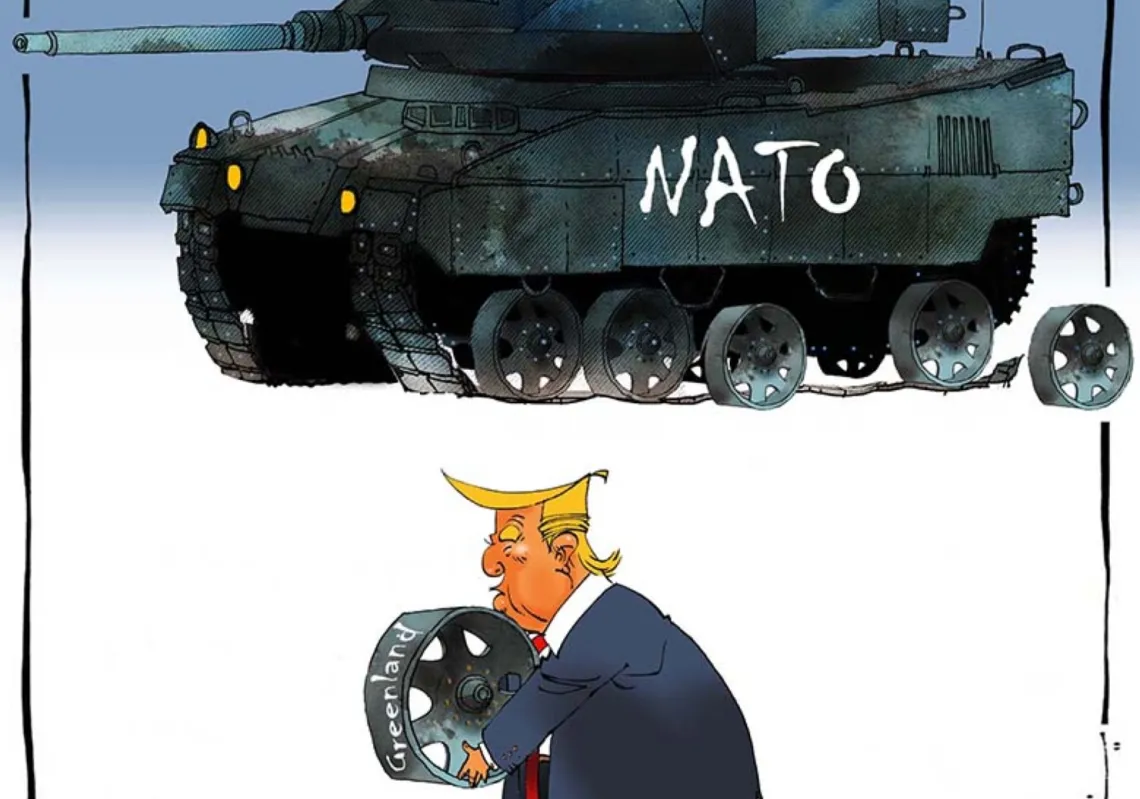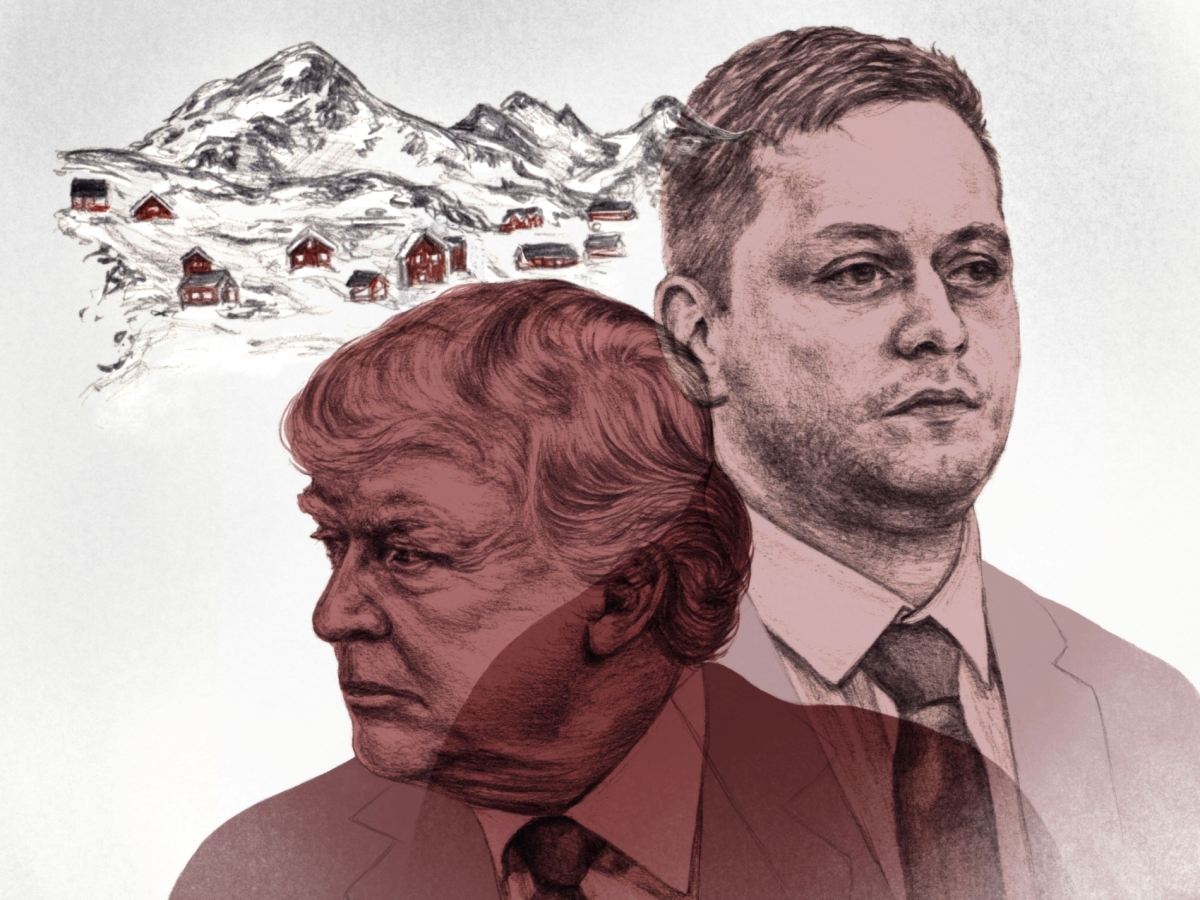

At a time of deepening tensions with Washington over US President Donald Trump’s desire to seize control of Greenland, the ancestry of the country’s youthful prime minister, Jens-Frederik Nielsen, makes him the ideal candidate to defend his country's national interests.
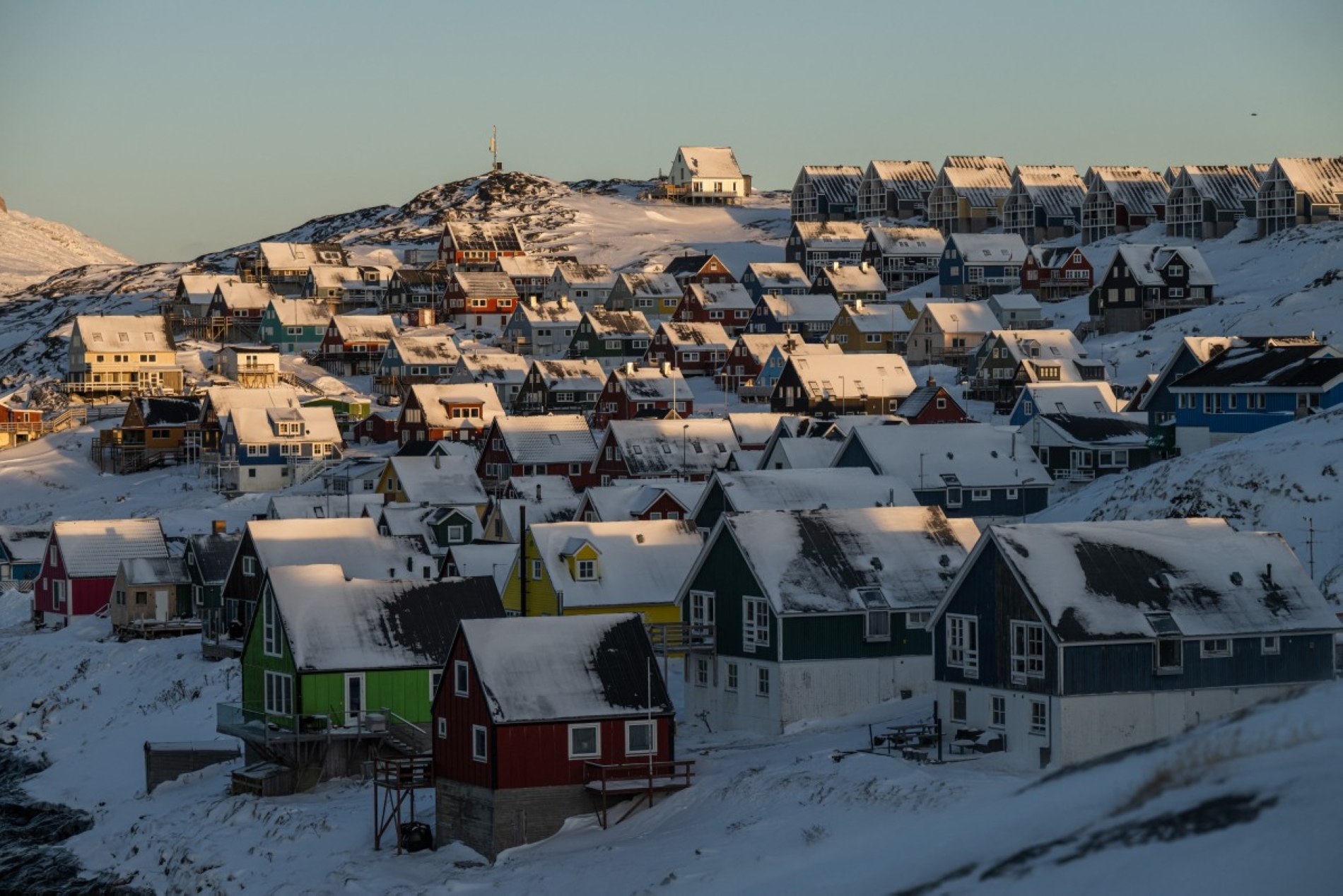
Nielsen was born and raised in Greenland after his Danish father moved there as a child, while his mother is a native of the country, making his hometown Greenland’s capital, Nuuk.
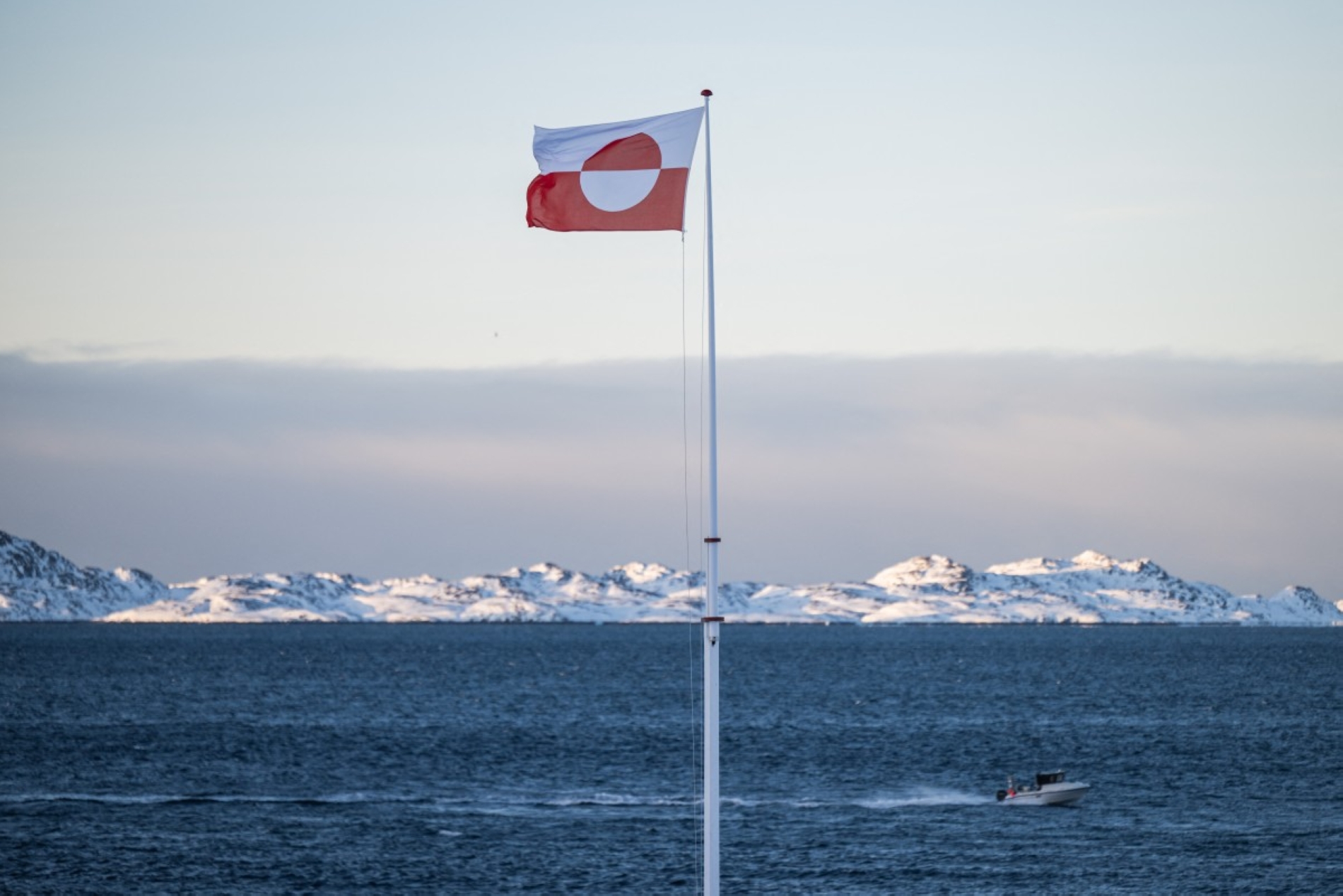
A proud Greenlander, Nielsen’s entire political outlook is based on his long-term desire to achieve independence for a country with a population of around 57,000 people.
While Nielsen concedes it will take years for Greenland to achieve the level of economic self-sufficiency that will enable the country to end its long-standing affiliation with Denmark, his entire political philosophy is based on his determination to achieve self-determination for Greenland's people. Stretching over 800,000 square miles, Greenland currently enjoys semi-autonomous status from Denmark, with ties between the two countries dating back many centuries.
Nielsen’s nationalist agenda, therefore, makes him ideally suited to represent Greenland’s interests at a time when Trump has openly declared his intention to place the country under American control by the end of his second term in three years’ time.
Rich in rare earths
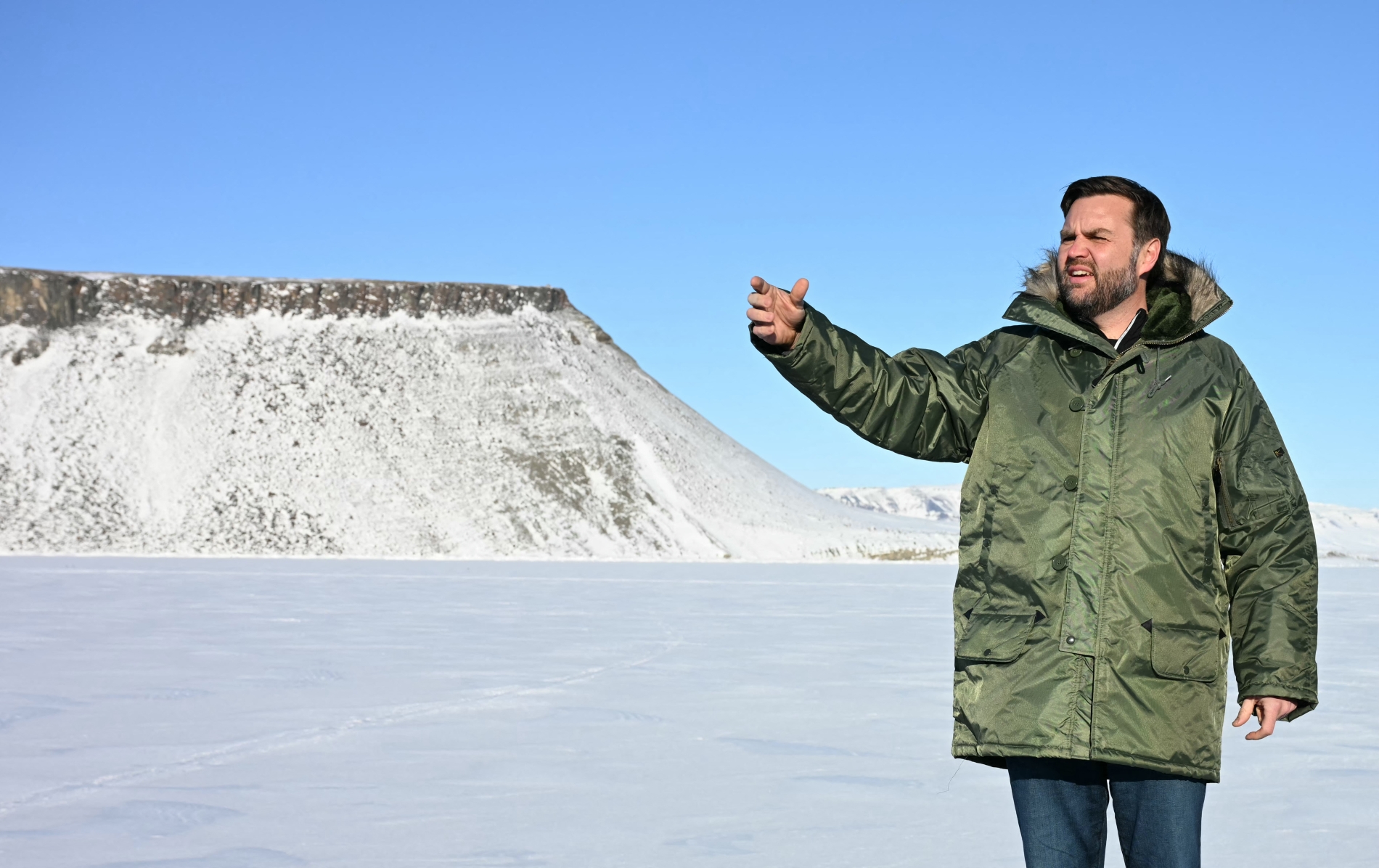
In recent years, there has been increased interest in Greenland's natural resources—including rare earth minerals, uranium and iron—which are becoming easier to access as its ice melts due to climate change. Scientists think it could also have significant oil and gas reserves.
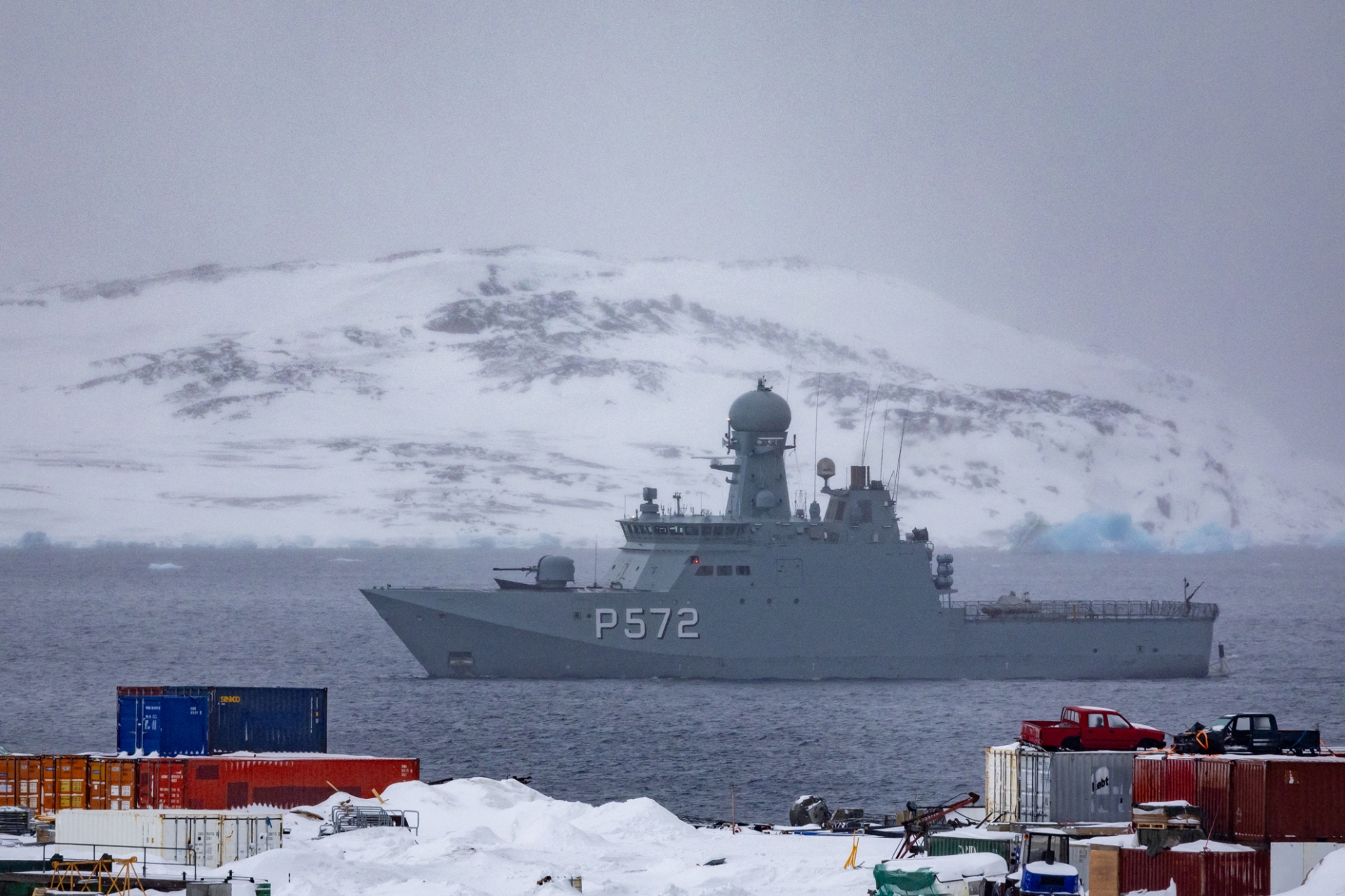
The US and its allies have also been concerned that, in the absence of proper security guarnatees, Greenland could come under the influence of rival powers, such as Russia and China, which have intensified their interest in the Arctic region in recent years.
This prompted Trump to offer to buy the island from Denmark in 2019, during his first presidential term, only to be told it was not for sale.
More recently, concerns over the future of the territory resurfaced after Trump's use of military force against Venezuela to seize its president, Nicolás Maduro.
Speaking shortly after America’s military intervention in Venezuela, Trump indicated that he might be prepared to use military force to seize control of Greenland if a deal could not be reached that enabled the US to “own” the country to prevent Russia and China from doing so.
'Absolute necessity'
At the time, Trump said he regarded taking control of the territory as an “absolute necessity” for the economic security of the US and its Western allies.
“We are going to do something on Greenland, whether they like it or not, because if we don’t do it, Russia or China will take over Greenland, and we’re not going to have Russia or China as a neighbour,” Trump told reporters earlier this month.
The US will do it "the easy way" or "the hard way", the president added. The White House also floated the idea of buying the semi-autonomous territory of fellow NATO member Denmark, but it would not rule out annexing it by force.
Denmark and Greenland say the territory is not for sale. Denmark has said military action would spell the end of the trans-Atlantic NATO defence alliance.
Trump’s comments prompted a swift and firm response from Nielsen, who assumed office in April 2025 and has since seen his early months shaped by escalating pressure from Washington.
“The current and repeated rhetoric from the United States is completely unacceptable, " Nielsen responded. “When the US president talks about ‘needing Greenland’ and links us to Venezuela and military intervention, it is not just wrong. It is disrespectful,” he posted on social media.
Resolute tone
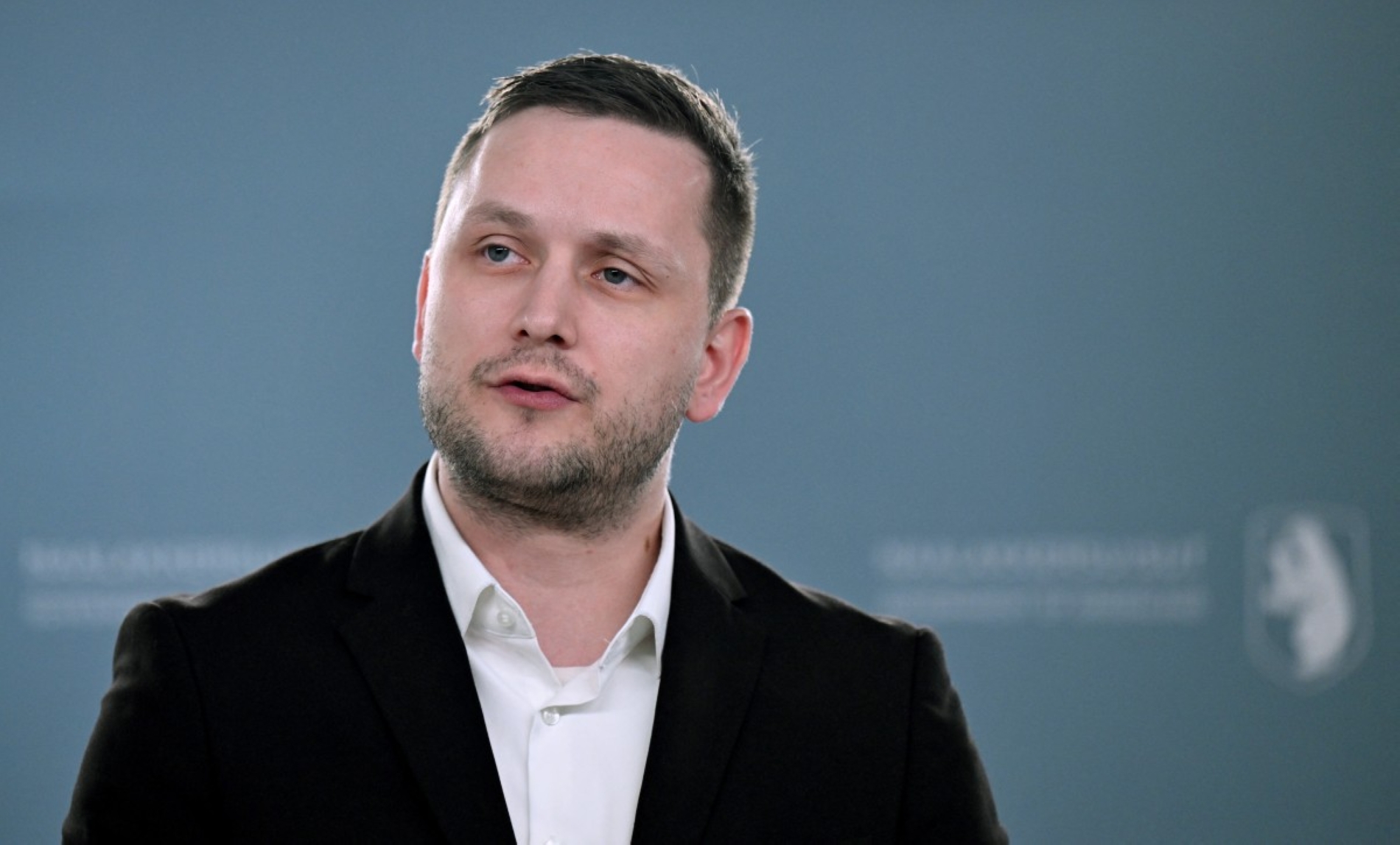
Although he has signalled his willingness to establish a dialogue with Trump, Nielsen struck a resolute tone. “Enough is enough. No more pressure. No more insinuations. No more fantasies of annexation,” he said.
“We are a democratic society that makes our own decisions ... Greenland does not want to be owned by the United States, and Greenland will not be governed from Washington.”
Nielsen’s firm stance has been backed by Greenland’s party leaders, including the opposition, who reiterated their call for the "US's disregard for our country to end" in a joint statement.