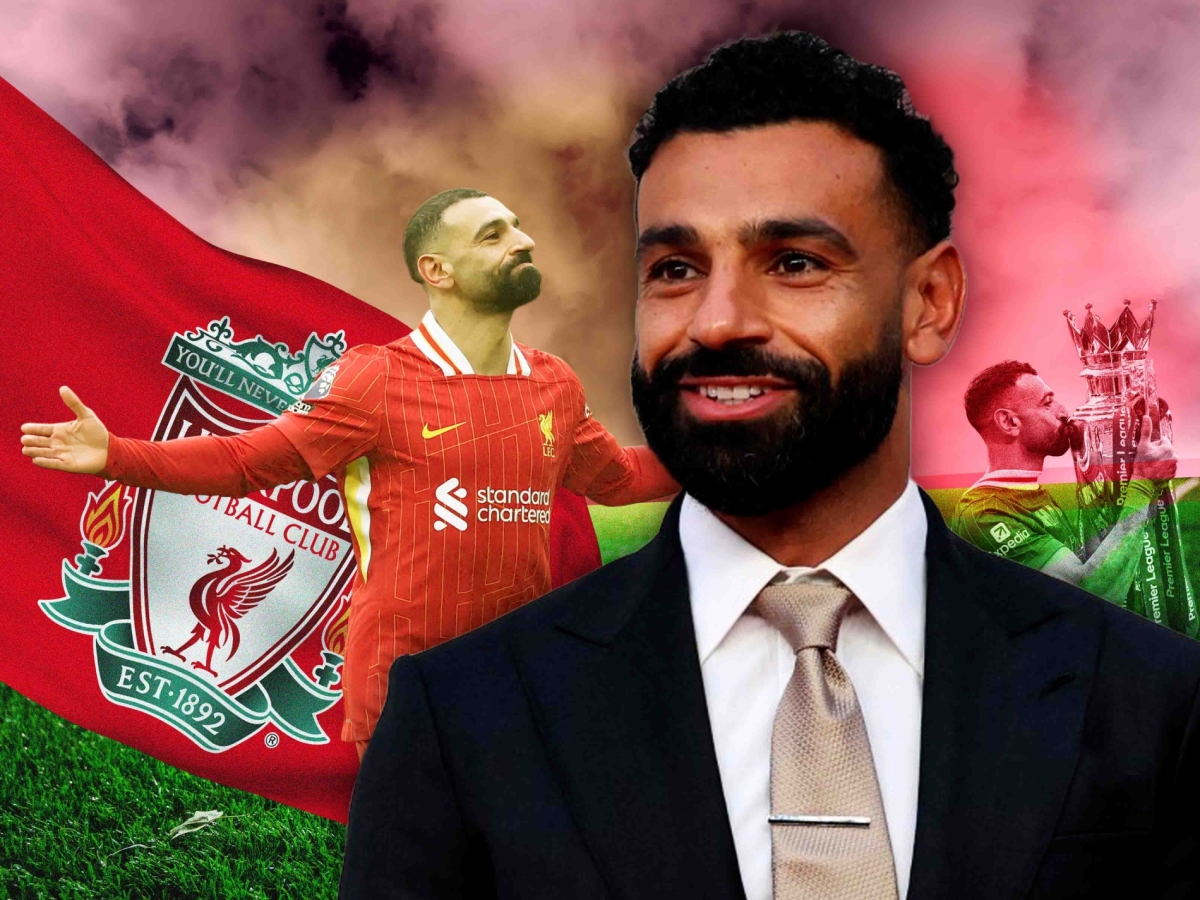
Mo Salah: Egyptian football superstar considers his future

One of the world’s best players in recent years, the striker is now 33 and after a few poor games, he found himself on the substitutes’ bench. It was a long journey to here. Where next?

Liverpool's Egyptian football star Mo Salah joined in 2017 and has helped his side to two Premier League titles. Some now wonder whether he will finish his career in Saudi Arabia.
AFP/Reuters/Al Majalla
Liverpool's Egyptian football star Mo Salah joined in 2017 and has helped his side to two Premier League titles. Some now wonder whether he will finish his career in Saudi Arabia.

Mo Salah: Egyptian football superstar considers his future

Queuing in the designated area to meet players after an English football match on a cold Saturday night in December can be a thankless task for the local newspaper reporters and website correspondents sent to do so. It can be thankless because often players do not stop to speak.

Imagine their surprise, then, when on 6 December, one of the world’s best footballers stopped not only to speak but to accuse his club of making him a scapegoat for recent poor performances. “It seems like the club is throwing me under the bus,” he said. It made headlines around the world.

That footballer was Mohamed (or ‘Mo’) Salah, Liverpool Football Club’s Egyptian star and the third highest goalscorer in the club’s 130-year history, who had just spent a third consecutive match on the substitutes’ bench. Salah said his relationship with the club’s manager Arne Slot had broken down and accused Liverpool of not wanting him to remain at the club where he has spent eight golden years, helping deliver silverware. His has been the most successful spell of any Arab or African player in English football by some considerable margin.

The plaudits for Salah are justified. He became the Premier League’s all-time top overseas goalscorer, a roll call of names that underlines the scale of his achievement, scoring more than any player from outside the country in the world’s strongest league. How did this boy from Egypt’s Nile Delta countryside become a global phenomenon?

From Egypt’s alleys

Salah was born in the village of Nagrig in the summer of 1992. Raised in a middle-class family that backed, he dreamt of becoming a footballer, so took the five-hour journey from his village to Cairo, where he believed he could reach his potential. His pace, unusual among Egyptian players, and a deadly left foot caught the scouts’ eyes.
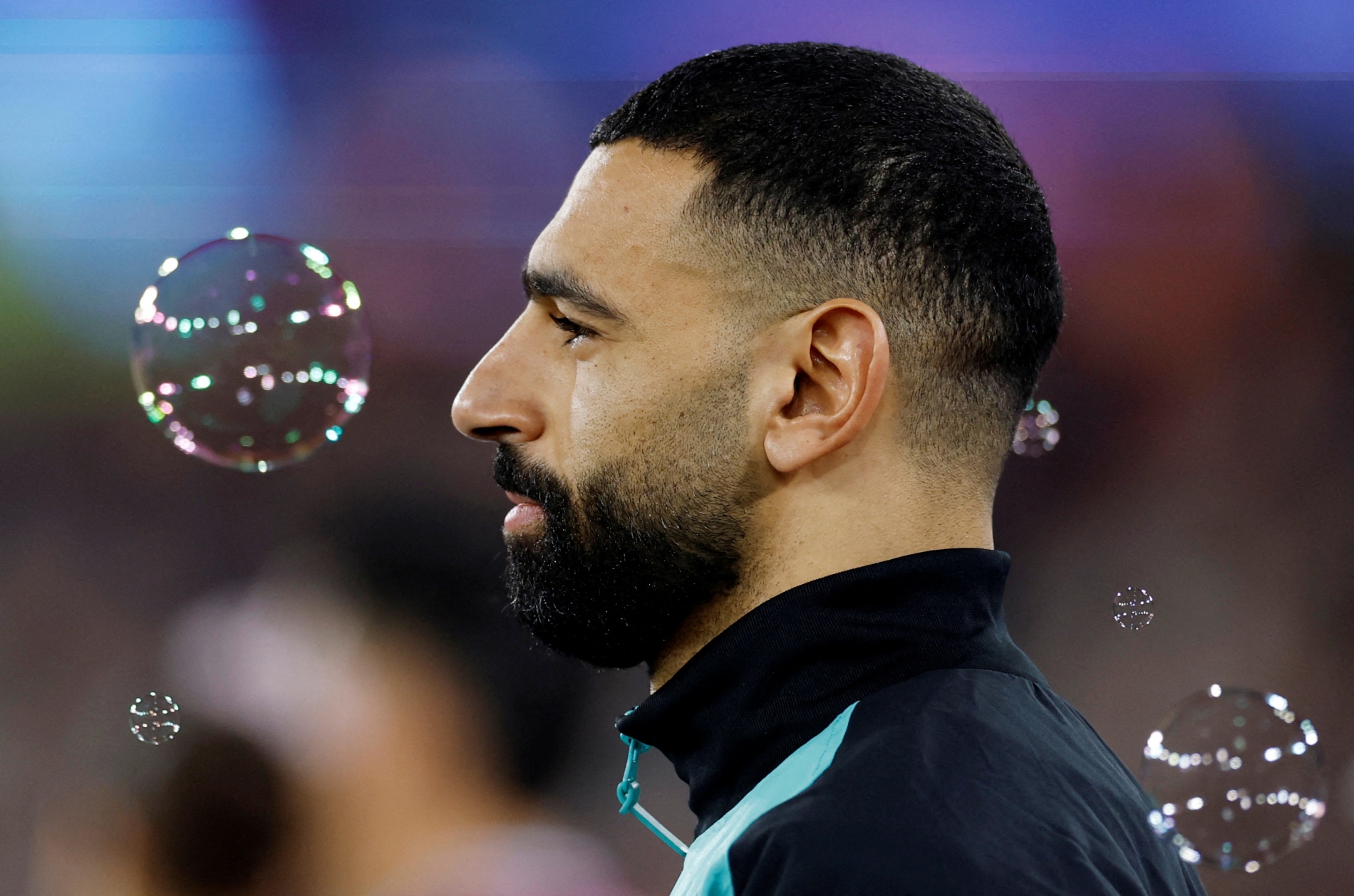
Reuters/Peter Cziborra
Mo Salah began life playing in Egypt, before spells in Italy, Switzerland, and England.

He came without the excessive showmanship of other footballing talents, his habits having been shaped by street football in Egypt’s alleys and on its uneven rural fields. Scouts moved him quickly from Ittihad Basyoun, the closest town to his village in Gharbia Governorate, to Othmason Tanta in the governorate’s capital. Before long, they realised his talent needed a bigger stage, so when he was 13, they moved him on swiftly to Al Mokawloon Al Arab (Arab Contractors Football Club), the team representing one of Egypt’s major construction and contracting companies.

For boys from the Egyptian countryside, the route to Cairo’s two biggest clubs—Al Ahly and Zamalek—and then to the Egypt national team is rarely completed without a belief in one’s own abilities. Skipping past defenders as if they were training cones, the issue soon boiled down to what he felt he could achieve. Years later, he would be skipping past some of the world’s best defenders in some of the world’s biggest stadia in Europe’s biggest footballing competitions.

Salah had become a first team player for Al Mokawloon Al Arab before he turned 18 and it did not take long for the country’s football establishment to court a new talent who looked set for the national side. Egyptian football was in crisis after political events spilled into the stands and brought games to a halt, but the disruption opened a door, one Salah stepped through and never looked back.

Next stop: Europe

He broke into European football without fear of leaving behind the attention Egypt gives its domestic players, finding a second chance in Switzerland with FC Basel, who took him in 2012 and turned him from a fast teenager who could dart past defenders into a mature player who scored decisive goals, including ones that hurt London’s Chelsea.
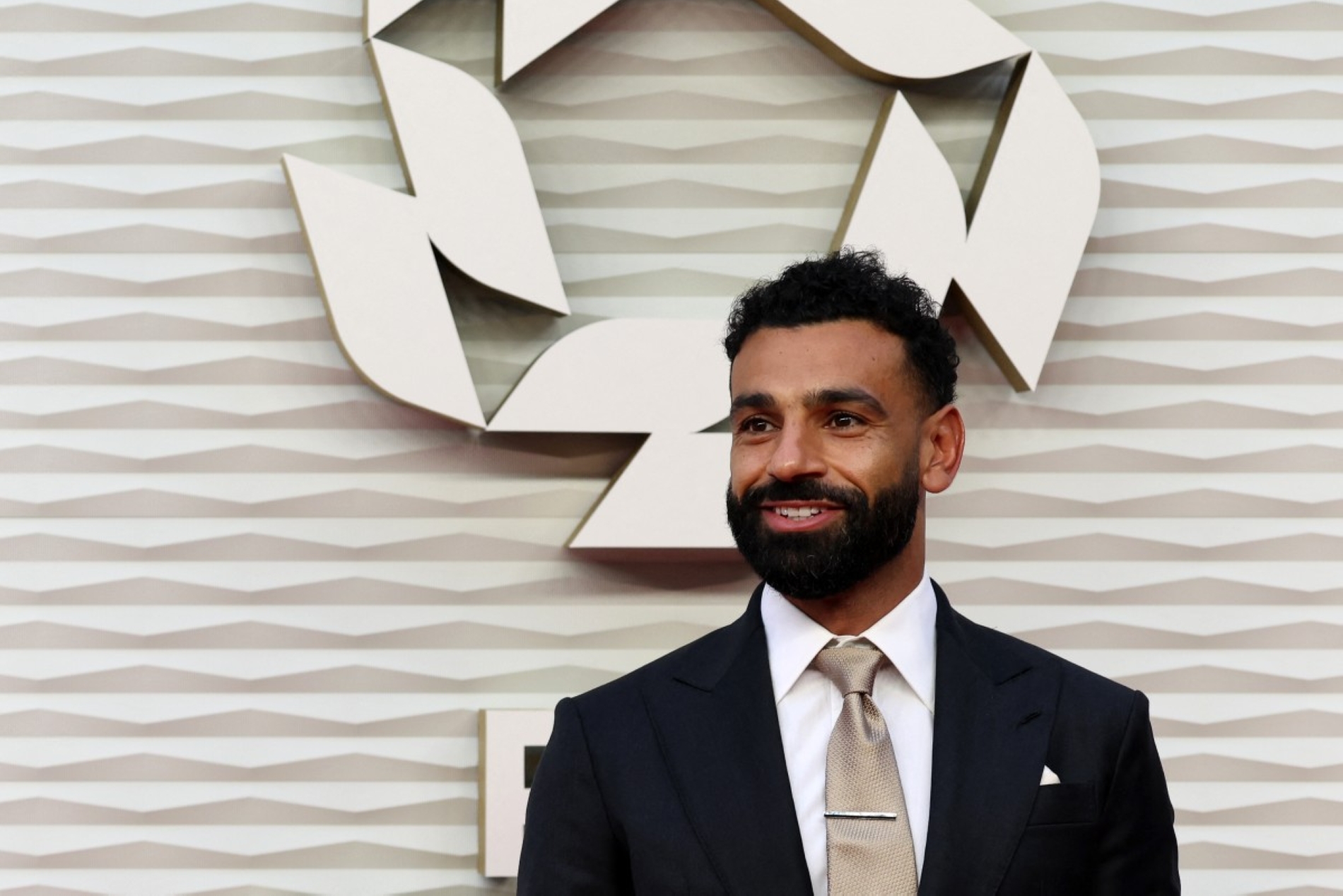
Darren Staples/AFP
From Egypt's alleys to the biggest stages in world football, Mo Salah has had a dazzling career.

This helped carry him to England for the first time in January 2014, when Chelsea manager José Mourinho bought him, but the club were less patient than the situation required, and Salah was not about to stagnate on the substitutes’ bench. He found a second chance at Fiorentina in Italy, where he impressed. After six months, fellow Italian side Roma bought him and he moved to the Italian capital under the gaze of Francesco Totti, the club’s enduring icon.

With Roma as he approached 25, Salah discovered that the speed that carried him past his peers in youth centres and age group pitches could also make him a goalscorer, but he wanted a second chance in England. It did not take long to arrive. Liverpool, one of England’s most successful clubs, wanted Salah to help restore them to the summit of the domestic game after a period in the doldrums, made worse for the parallel success during the same period of Liverpool’s eternal rival, Manchester United.
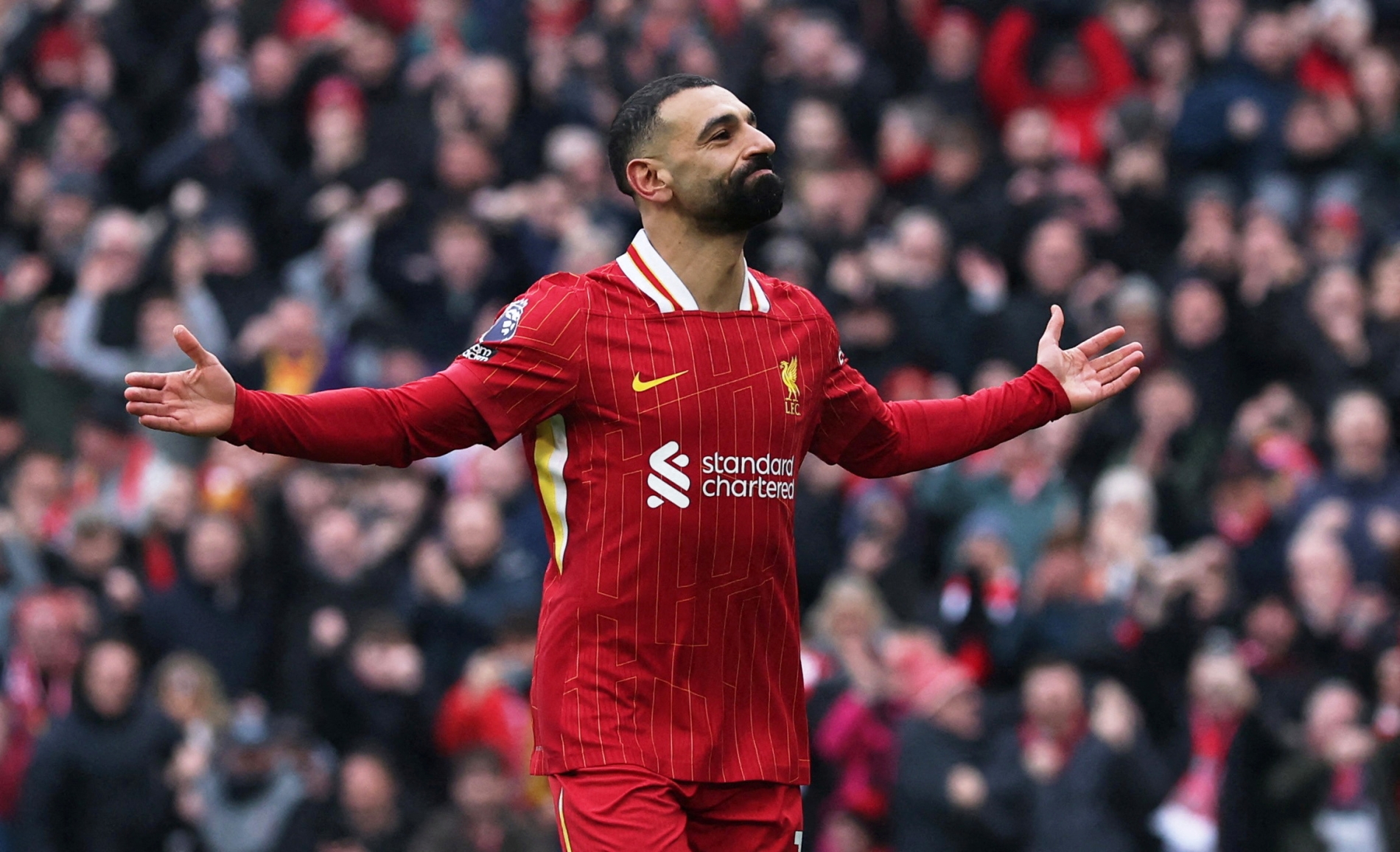
Salah, the boy from Egypt's Nile Delta, became the Premier League's all-time top overseas goalscorer

In the pursuit of redemption, Liverpool opted for a new manager: Jürgen Klopp. The German brought a loud, relentless rhythm to the team. He demanded his players' energy match the longing of the club's supporters to find success once again. Into this context, Salah arrived in the summer of 2017, for a then club record fee of almost £37m. Yet he quickly seemed to complete Klopp's side, giving the team the spark and dynamism it had been missing. In his first season, he was the league's top scorer (32 goals in 38 games) and was named England's player of the year.

Becoming a legend

Salah rapidly rose from prolific scorer to one of the defining faces of the Premier League. Some struggled to explain how such a quiet young man with no media machine surrounding him was outpacing first impressions. He was the star of the Egyptian national side, too. One night in Borg El Arab, in Alexandria, he almost single handedly took his country back to the World Cup for the first time in 28 years. Just weeks later, however, a shoulder injury against Real Madrid in Europe's top club competition ruled him out of not only the Champions League but also the 2018 World Cup in Russia.

Phil Noble/Reuters
Salah is one of Liverpool's all-time top scorers, finishing his first season with 32 goals out of 38 games.

He was not prepared to let the Champions League pass without claiming it. This had been a dream, and he claimed it the very next season, in Madrid. Season after season, he strengthened his legend at Liverpool, who won their first Premier League title in 2018-19 under Klopp, then won it again in the 2024-25 season under Slot, a campaign in which his efforts were pivotal. Perhaps the last thing Salah expected against Leeds United on that cold night on 6 December was feel unwanted by his club.

Months earlier, celebrating their Premier League title, his teammates had placed a crown on Salah's head: 'King Mo.' An historic goalscorer for an historic club, he became a symbol of a city whose relationship with football has been shaped by sorrow, drama, and defiance. But football moves in cycles. A place in the team this year is not determined by performances last year. Still, Salah felt that he deserved better. As a child playing in youth teams, he preferred to cry in the dressing room, rather than answer a coach's criticism. Outside Leeds on 6 December, he broke his silence.

Pondering next steps

Opinion on his comments was divided. To some, he was arrogant. To others, he was justified. Most football writers immediately began wondering if a big money move to the Saudi Arabian league was now on the cards, ending an emphatic eight-year tenure. When asked in the days that followed, Slot said he had "no idea" if Salah had played his last game for Liverpool. He hadn't. In the run-up to Christmas, Salah has again featured and again been pivotal in the side getting results. In January, however, the transfer window opens again. The Egyptian King is at a crossroads.

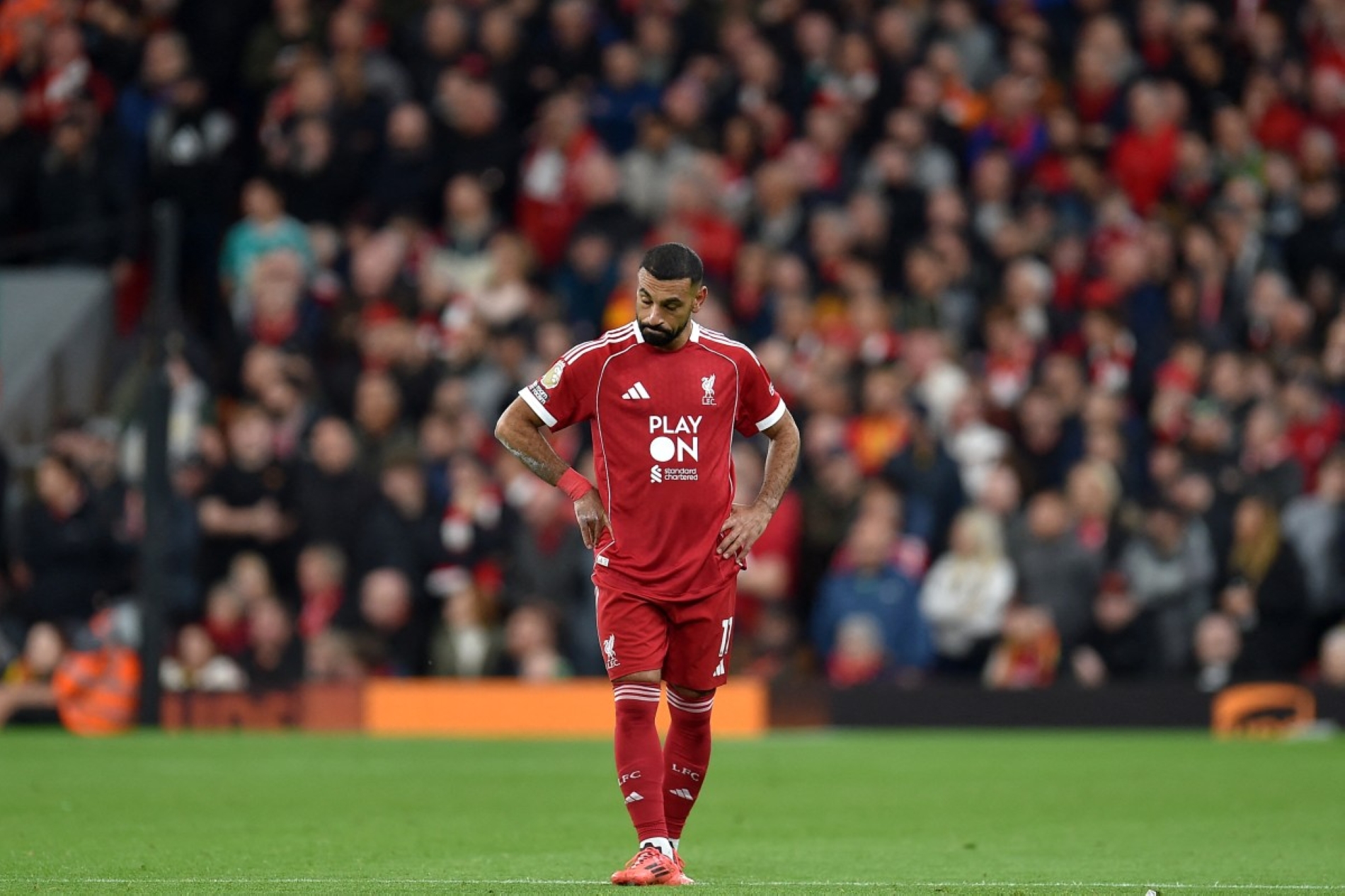
Peter Powell/AFP
Liverpool's Egyptian striker Mohamed Salah in a match against Liverpool rivals Manchester United at Anfield Stadium on 19 October 2025. After a poor run of form, he was dropped to the substitutes' bench.

Before every match at Anfield, Liverpool supporters sing You'll Never Walk Alone. The song is about coming through a storm, and the lyrics will have seemed particularly poignant to the Egyptian this month. "Walk on through the wind, walk on through the rain, though your dreams be tossed and blown. Walk on, walk on, with hope in your heart, and you'll never walk alone." As he considers his future, Liverpool fans will hope that their hero finds that promised golden sky after the storm, and continues walking in the club's iconic red.

font change