Drawing lines for gas: Lebanon and Cyprus sort their waters out

The two countries at last have a maritime border, letting energy firms search for new gas fields in the Eastern Mediterranean, but the agreement has geopolitical repercussions too.

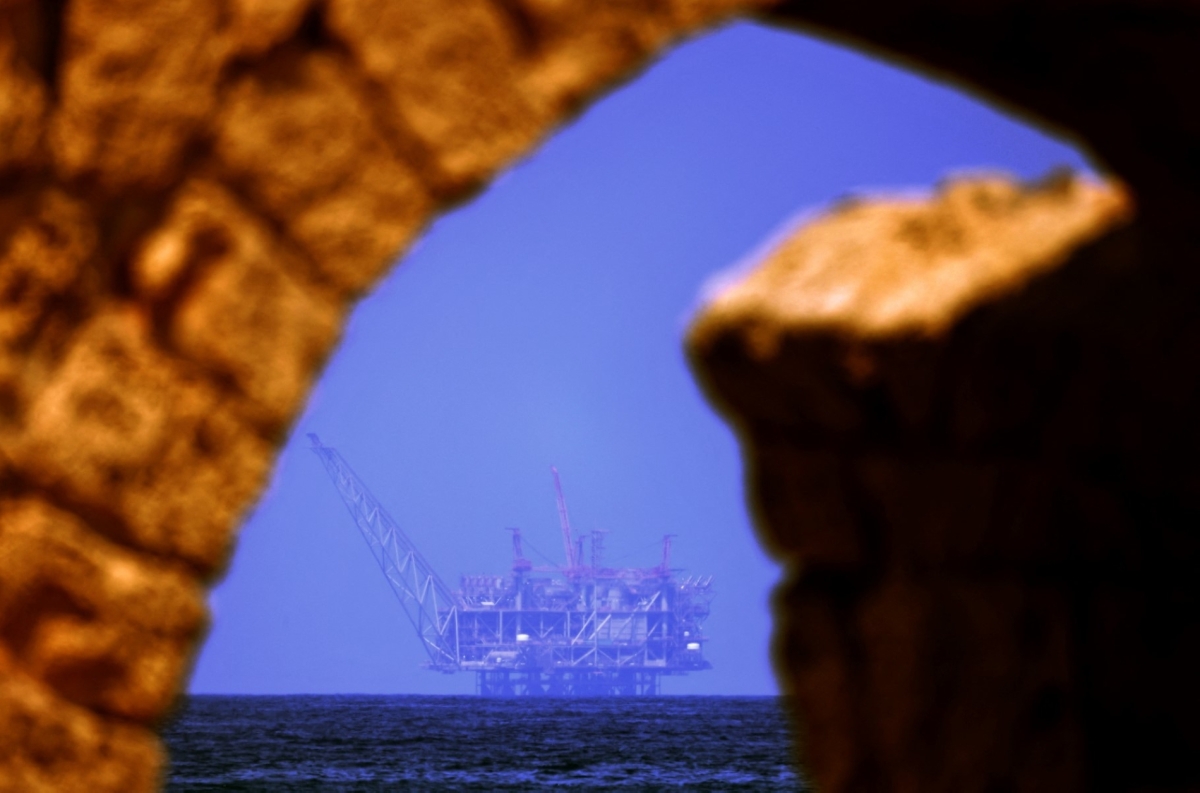
The Leviathan natural gas platform in the Mediterranean Sea. With Lebanon and Cyprus having finally demarcated their maritime boundary, exploration for new gas fields can begin.
Jack Guez/AFP
The Leviathan natural gas platform in the Mediterranean Sea. With Lebanon and Cyprus having finally demarcated their maritime boundary, exploration for new gas fields can begin.

Drawing lines for gas: Lebanon and Cyprus sort their waters out

After two decades of stalled talks, Cyprus and Lebanon finally demarcated their offshore Exclusive Economic Zones (EEZ) on 26 November, in an agreement that caused few ripples, despite its sensitivity and importance.

As the crow flies, the distance between these two Mediterranean nations is less than 300km, and the final EEZs were agreed using the median line, an international law principle in which the maritime boundary is defined as the line where every point is equidistant from the nearest baseline of each state, acting as a natural midpoint when no treaty exists.

A previous agreement was reached back in 2007, but it was not ratified by the Lebanese parliament owing to political problems in the country at the time. In November 2025, however, it was signed off by Lebanon’s President Joseph Aoun, together with his Cypriot counterpart Nikos Christodoulides.

The official text of the present agreement has not yet been published, but substantial changes are not expected to have been made. It appears that Aoun does not intend to bring the agreement before the Lebanese parliament for ratification, for fear it could once again get stuck. This may raise questions over its legality, but these will not prevent its official endorsement.

Boundary implications

The deal now signed, Lebanon can finally advance plans to realise its energy potential within its newly defined EEZ, offering reassurance for firms seeking new gas fields in Lebanese waters. For its part, Cyprus has the added benefit that the agreement further reinforces its political-regional status—important given that the island is still divided between a Turkish north and Greek south.

Cyprus and Lebanon have agreed to explore plans to lay a underwater power cable between them, similar to projects planned between Greece and Cyprus (in advanced stages) and between Cyprus and Israel (in the early stages). Energy connectivity is seen as increasingly important, especially in the Eastern Mediterranean, where some states are ‘energy islands’.
The deal now signed, Lebanon can finally advance plans to realise its energy potential within its waters

The war in Ukraine and Europe's efforts to wean itself off Russian gas have changed the regional energy picture significantly, and the Cyprus-Lebanon demarcation agreement opens the door for Syria to begin demarcating its EEZ with Lebanon. Although Syrian President Ahmed al-Sharaa has a lengthy to-do list, he will be interested in moving forward on a Syrian EEZ, given that it may attract investment for gas exploration in Syrian waters.

Türkiye and Israel

The elephant in the room is Türkiye, which is uneasy with developments, in which it was neither involved nor included. Ankara condemned the previous agreement signed between Beirut and Nicosia in 2007 and has done so again. Given its interests on the island of Cyprus, and the historic animosity between Türkiye and Greece, it is notably twitchy.

AFP
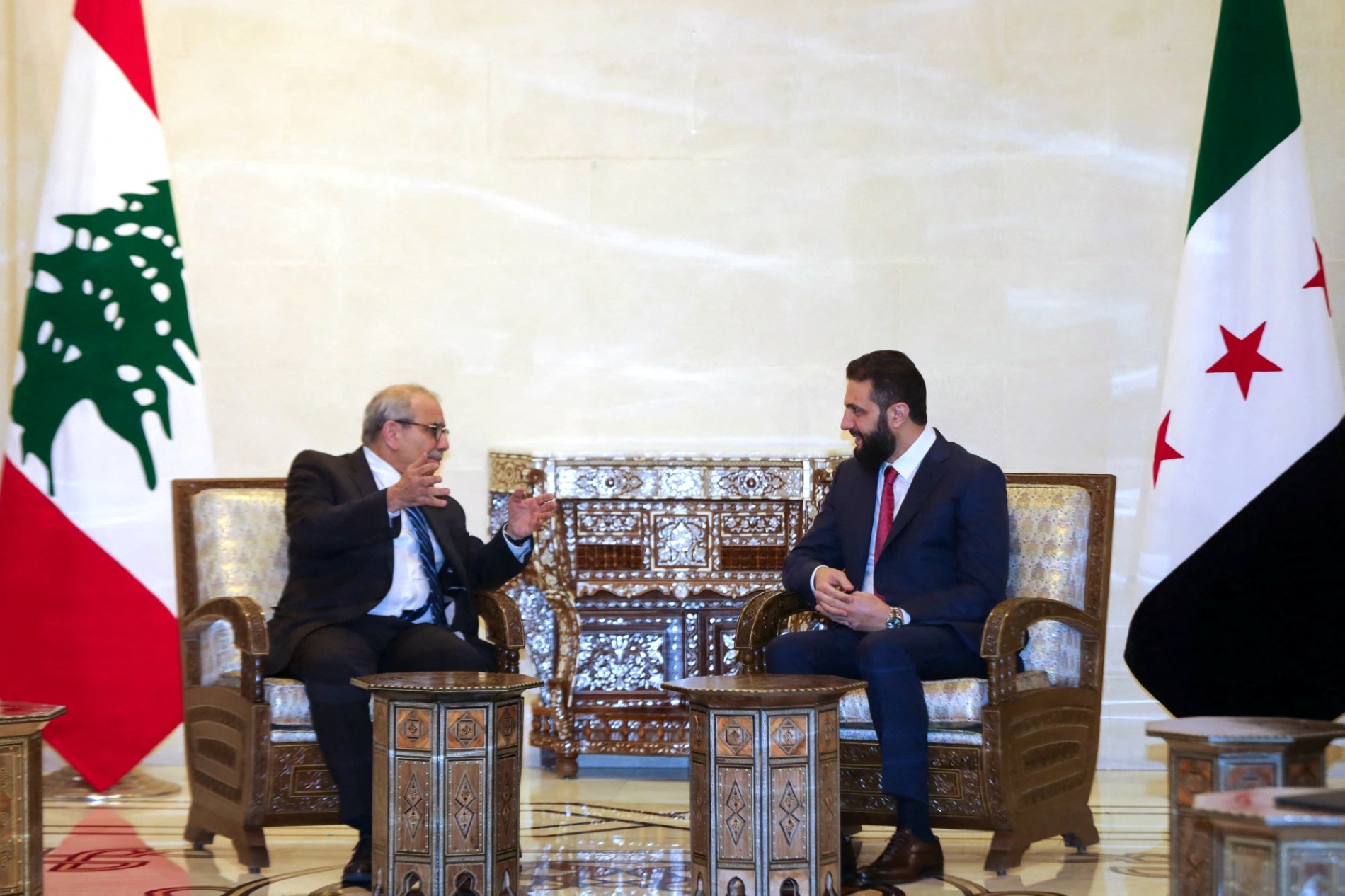
Lebanese Prime Minister Nawaf Salam meets Syrian President Ahmed al-Sharaa in Damascus on 14 April 2025. Both men have an interest in energy resources within their national waters.

The United States was not directly involved in the maritime demarcation negotiations, but the Lebanon-Cyprus EEZ agreement serves the interests of Washington's principle regional ally, Israel. Moreover, if it creates the opportunity for new gas discoveries in Lebanese waters, this would help the country out of its economic dire straits and support its regional integration.

In January 2019, Lebanon was invited to join the seven-member Regional Gas Forum, which includes Israel and Palestine. The initial proposal was to include Lebanon as an observer. Beirut politely declined at the time, but this may be more feasible now, given Lebanon's increased openness to political dialogue with its near neighbours, including Israel.

Reuters
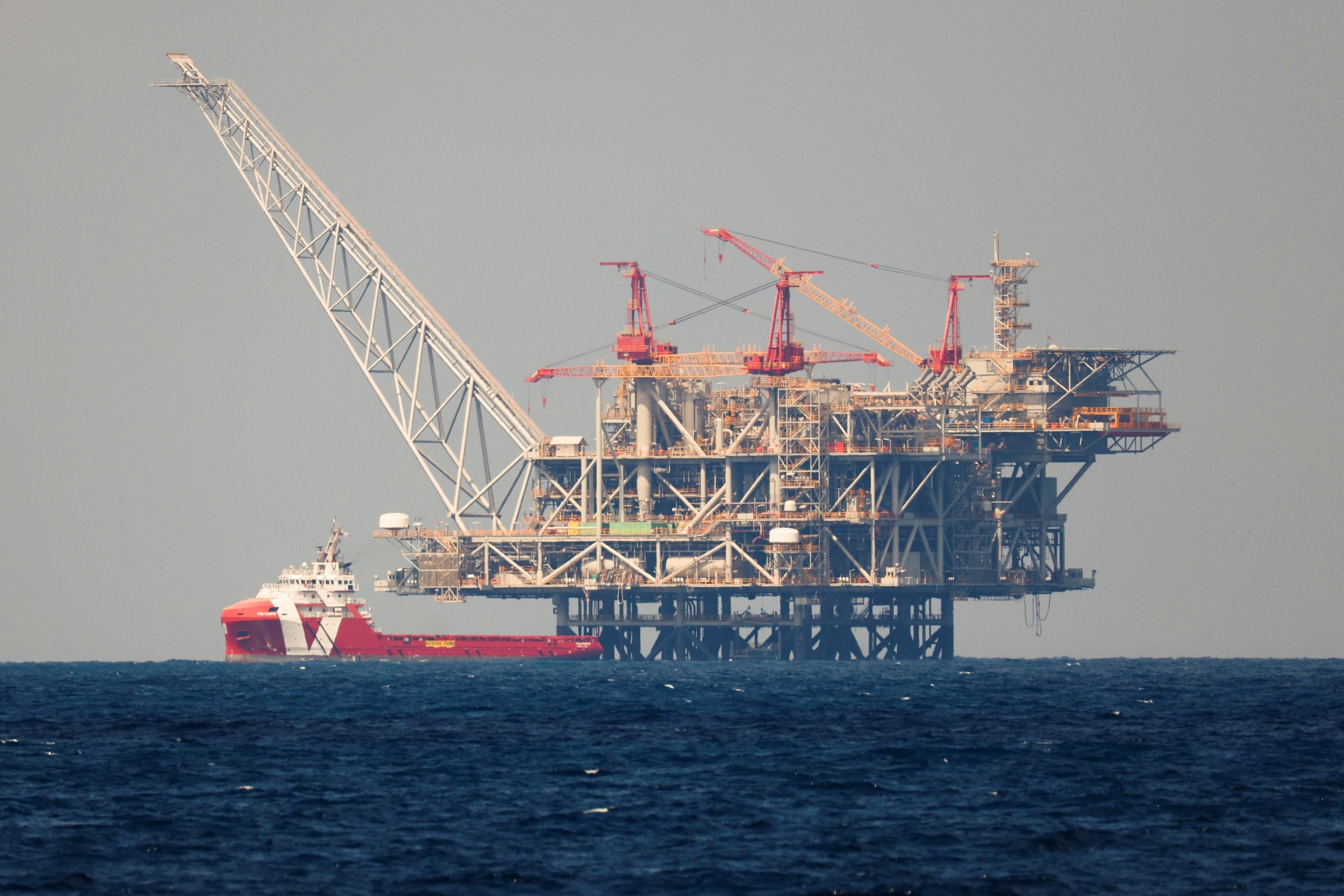
A production platform for the Leviathan natural gas field in the Mediterranean Sea, off the coast of Haifa, northern Israel, June 9, 2021.

Although Türkiye has opposed the demarcation, it is expected to limit its protests to political condemnation. Its current focus is on Syria, stabilising al-Sharaa's regime and securing its interests vis-à-vis Damascus. Ankara will keep a close eye on plans between Damascus and Beirut to advance a maritime agreement between them.

Part of a pattern

More generally, these developments should be seen through a strategic prism. The Eastern Mediterranean has undergone fascinating developments over the last 15 years. The regional architecture has proven itself to be solid, given the tumult of the last two years, but Syria could become a battlefield between Türkiye and Israel. The former suspects the latter of holding aspirations for regional hegemony.

Turkish-Israeli dialogue, often discreet, therefore becomes important to clarify positions and avoid miscalculations, whether over Syria or gas reserves in the Eastern Mediterranean. Creative diplomacy has always been necessary in the Middle East, and so it remains.

font change