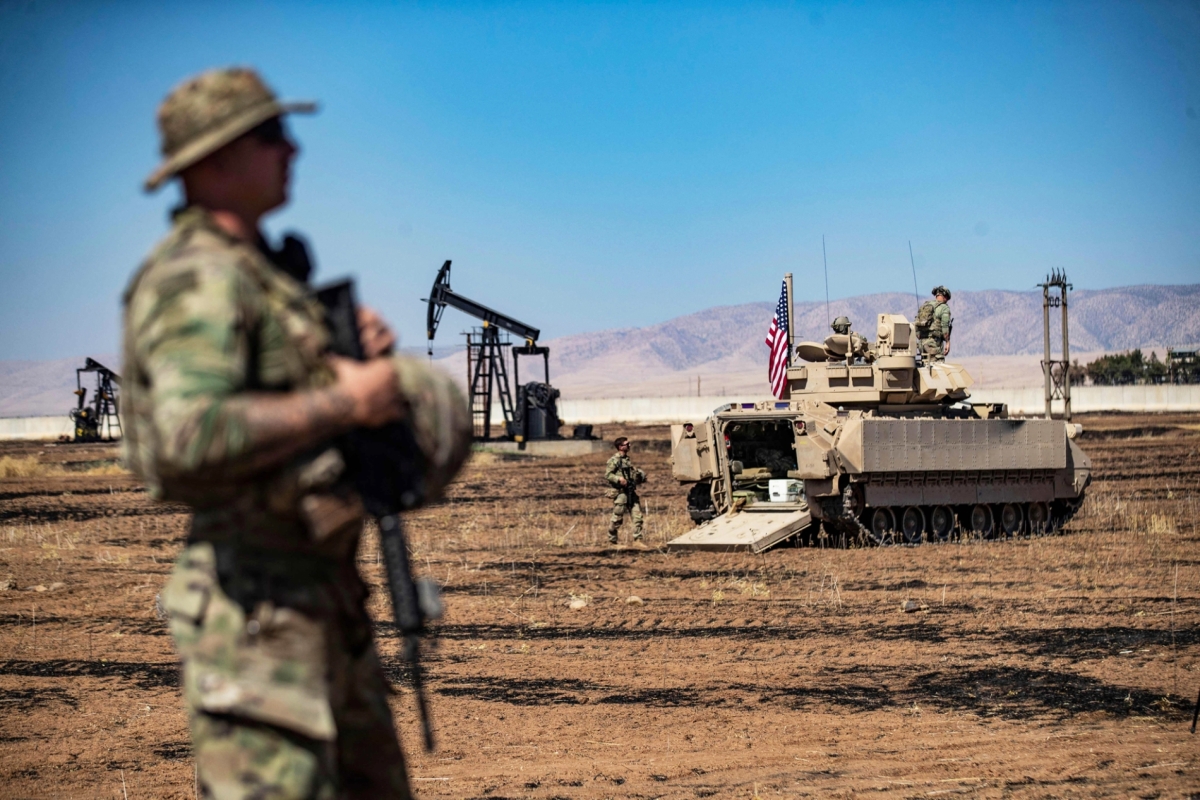

In the summer of 2015, Islamic State terrorists overran the ancient central Syrian city of Palmyra, looting and bulldozing its treasures and architecture in the weeks and months that followed. Just over a decade later, on 13 December, it once again attacked the city. This time, an IS operative infiltrated Syrian security forces to target a meeting of Syrian and American forces near Branch 221 of the Syrian Desert Division to discuss coordination mechanisms for defeating IS.
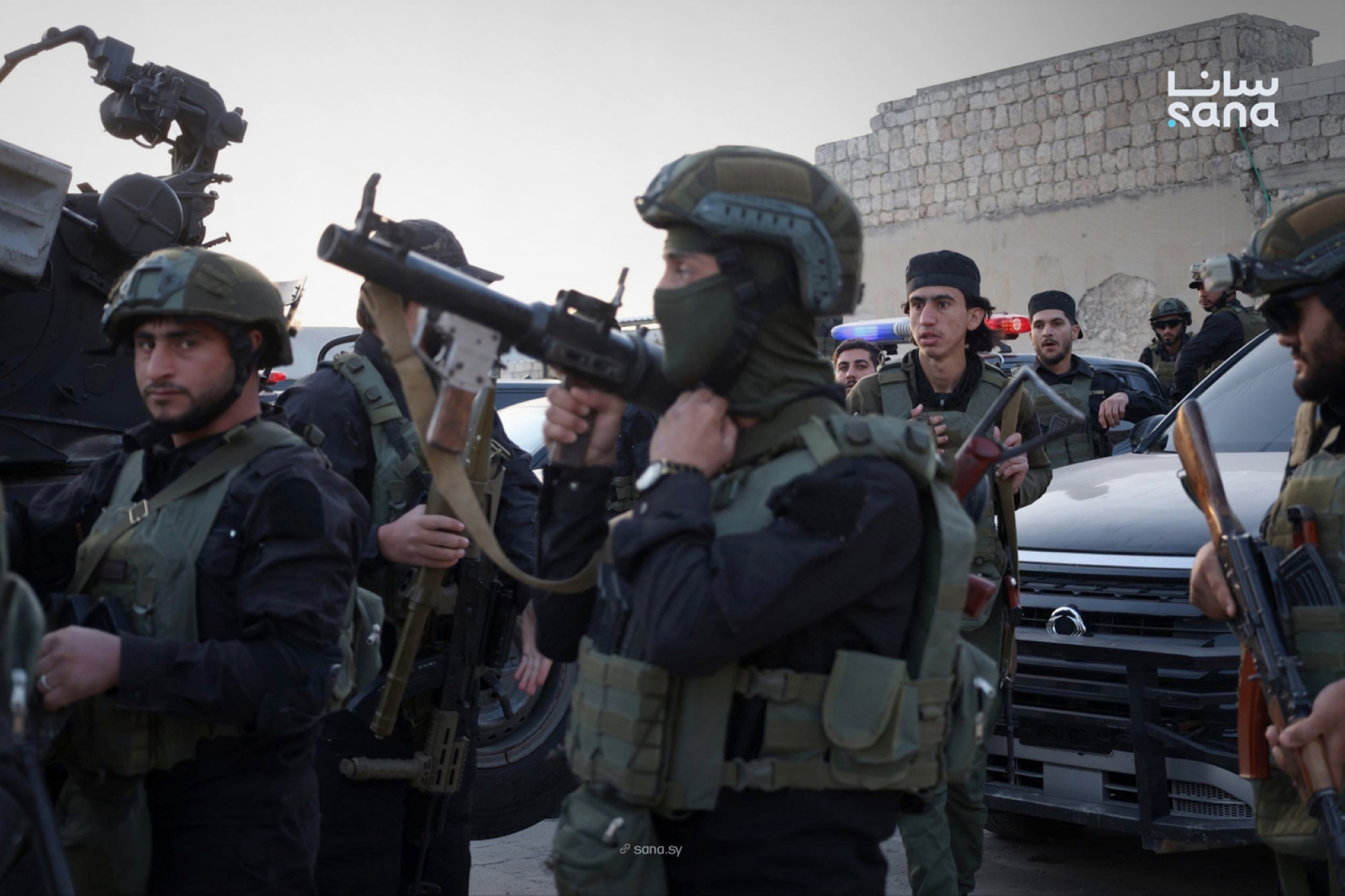
According to a Pentagon, the assault resulted in the deaths of two American soldiers and one American civilian, with three other military personnel wounded. The Syrian Arab News Agency (SANA) reported that two members of the Internal Security Forces were also injured. Noureddine al-Baba, spokesperson for the Ministry of Interior, stated that the assailant espoused takfiri (extremist) ideology.
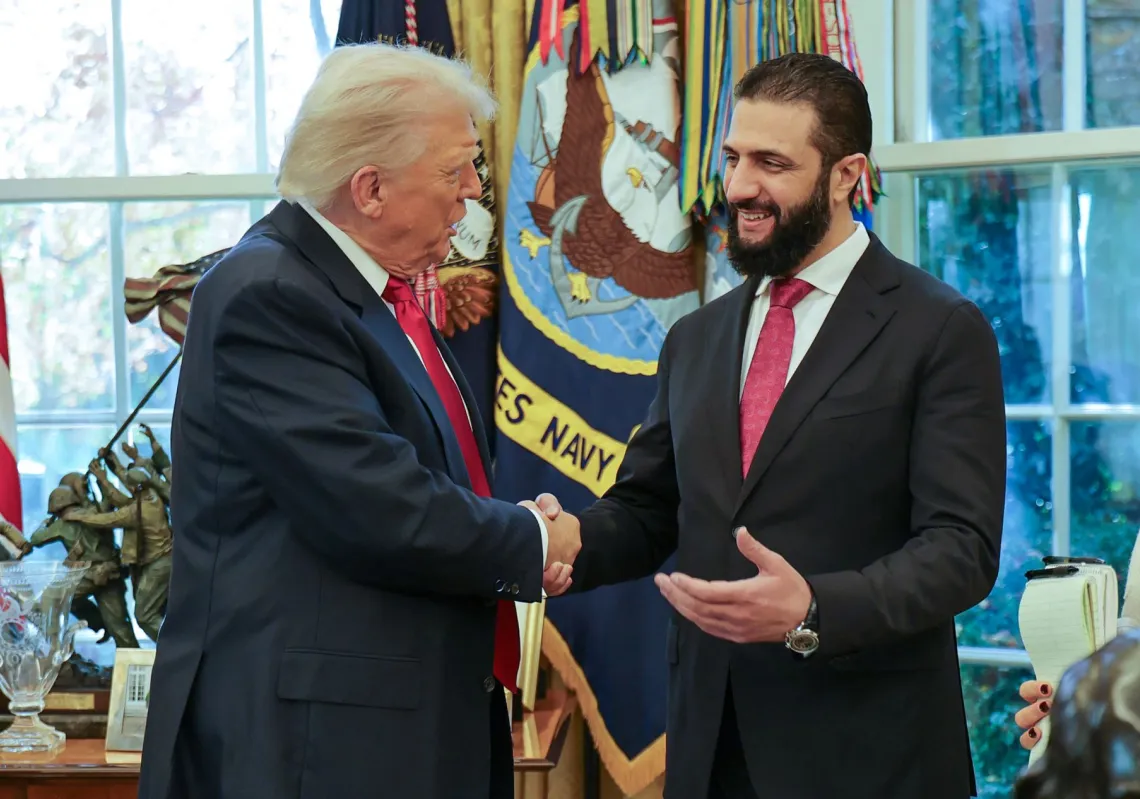
US President Donald Trump, who has been supportive of Syria’s new rulers, pledged a harsh retaliatory response against IS. He stopped short of assigning responsibility to the Syrian government, noting only that Syria’s interim President Ahmed al-Sharaa was “extremely angry” over the attack, which occurred at a highly sensitive time, given that the US Congress is in the process of repealing the Caesar Act, under which onerous sanctions have been placed on Syria and those trading with it since 2019.
Spanner in the works
The Syrian government has been making concerted efforts to build confidence with the international coalition against IS, of which it is part, to demonstrate its ability to act as a credible alternative to the US-backed Syrian Democratic Forces (SDF) in fighting the group. As such, this attack is a serious setback for Damascus. The fact that the assault was carried out by an IS infiltrator within the ranks of the new Syrian government could have far-reaching implications for the Syrian government’s coordination with the international coalition. More broadly, it will cause significant reputational damage.
The incident also indicates a shift in IS strategy, from passive planning to active engagement. It exposes holes in the Syrian government’s intelligence capabilities, a known vulnerability given the shortages of personnel and resources, and the country’s geographic instability. But the embedding of IS operatives among the forces accompanying an international coalition designed to fight it is a grave development.
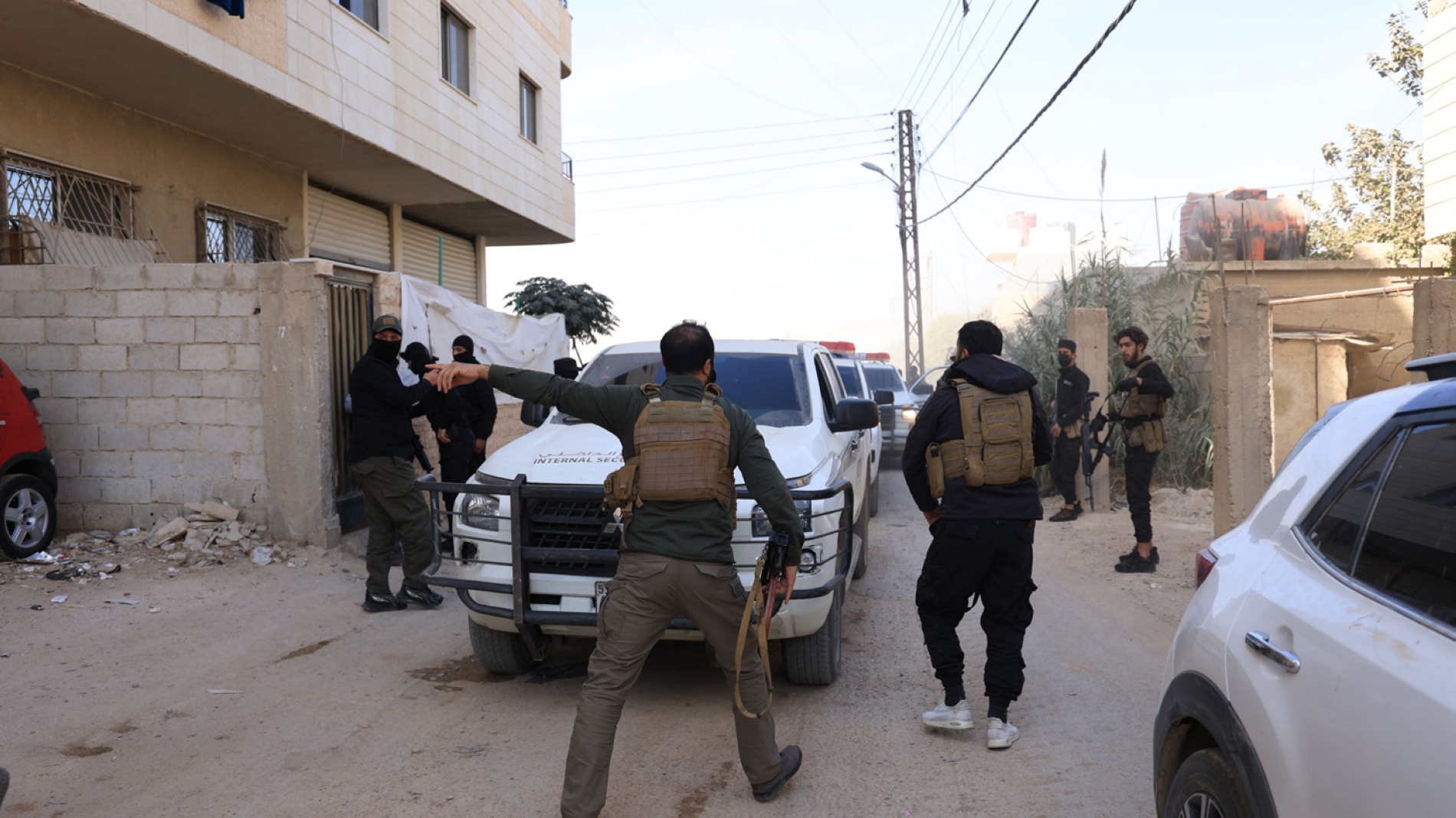
It calls for an urgent and thorough reassessment of recruitment protocols for new personnel within the Ministries of Interior and Defence, alongside more rigorous scrutiny of current staff and applicants. It remains unclear whether this weakness extends to the coordination between the intelligence services—lacking an executive arm—and the two branches of the Interior Ministry, namely the internal security and counterterrorism forces.
Any such flaw could jeopardise growing cooperation between Syria and the international coalition. This is particularly pressing given that the United States has already limited its collaboration to the Interior Ministry, excluding the Ministry of Defence due to its incomplete structure. The coalition continues to regard the latter as an unreliable partner, amid ongoing concerns over potential information leaks.
Spotting weaknesses
Within Syria, some will seek to exploit the Palmyra attack to bolster their negotiating positions with the Syrian government. Among the most important ongoing dialogues that could be impacted are talks between Damascus and the autonomous Kurdish-led SDF in Syria’s north-east, and between the government and armed Druze factions in Sweida, in Syria’s south, some of whom are backed by Israel.
The Palmyra attack may be used to argue that the Syrian government is compromised and cannot be trusted in key areas like counterterrorism. This adds even more urgency to the Syrian government’s efforts to reorganise its internal structures in a manner that does not hinder its attempts to build trust and reinforce joint operations with the international coalition.