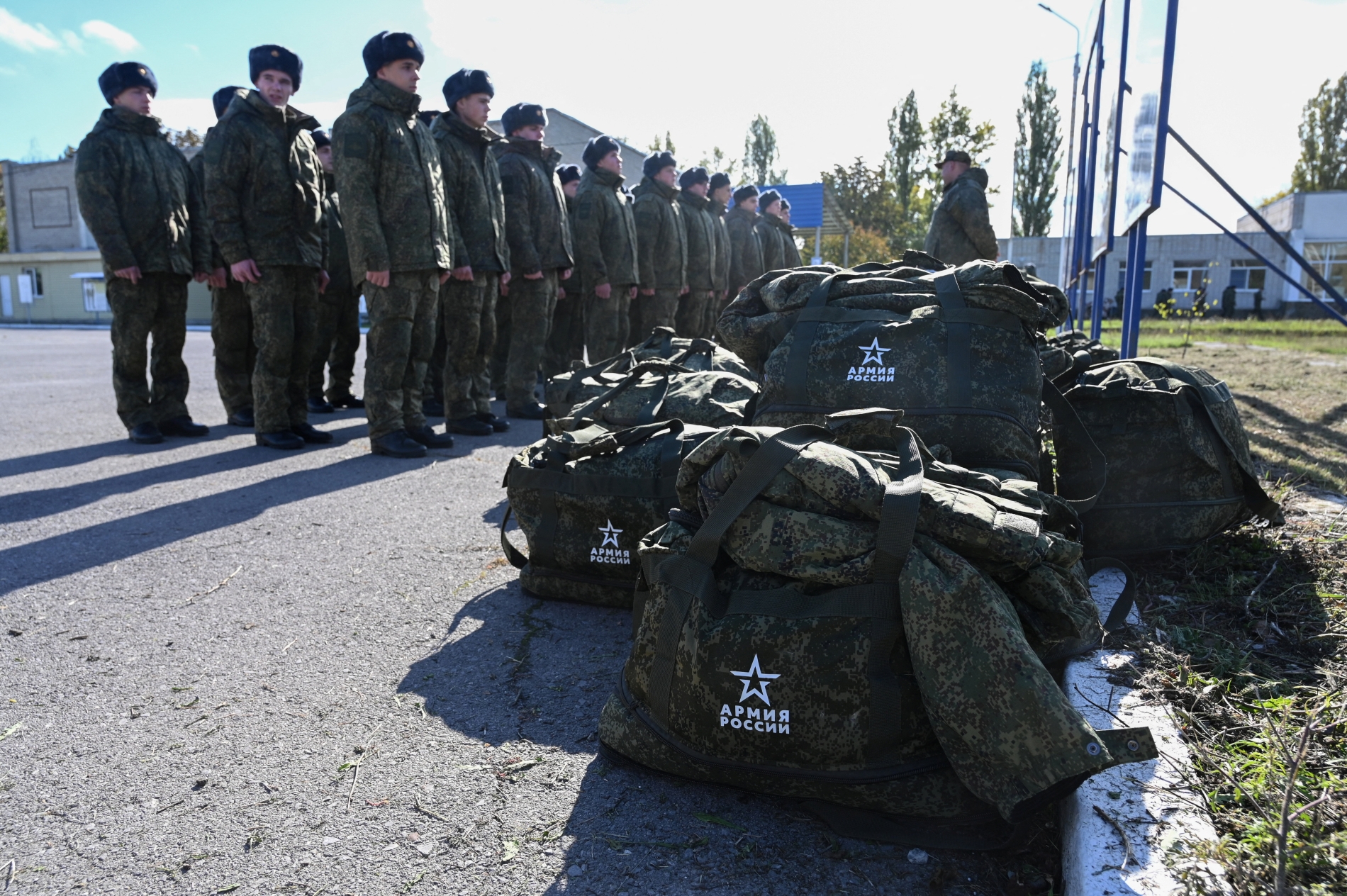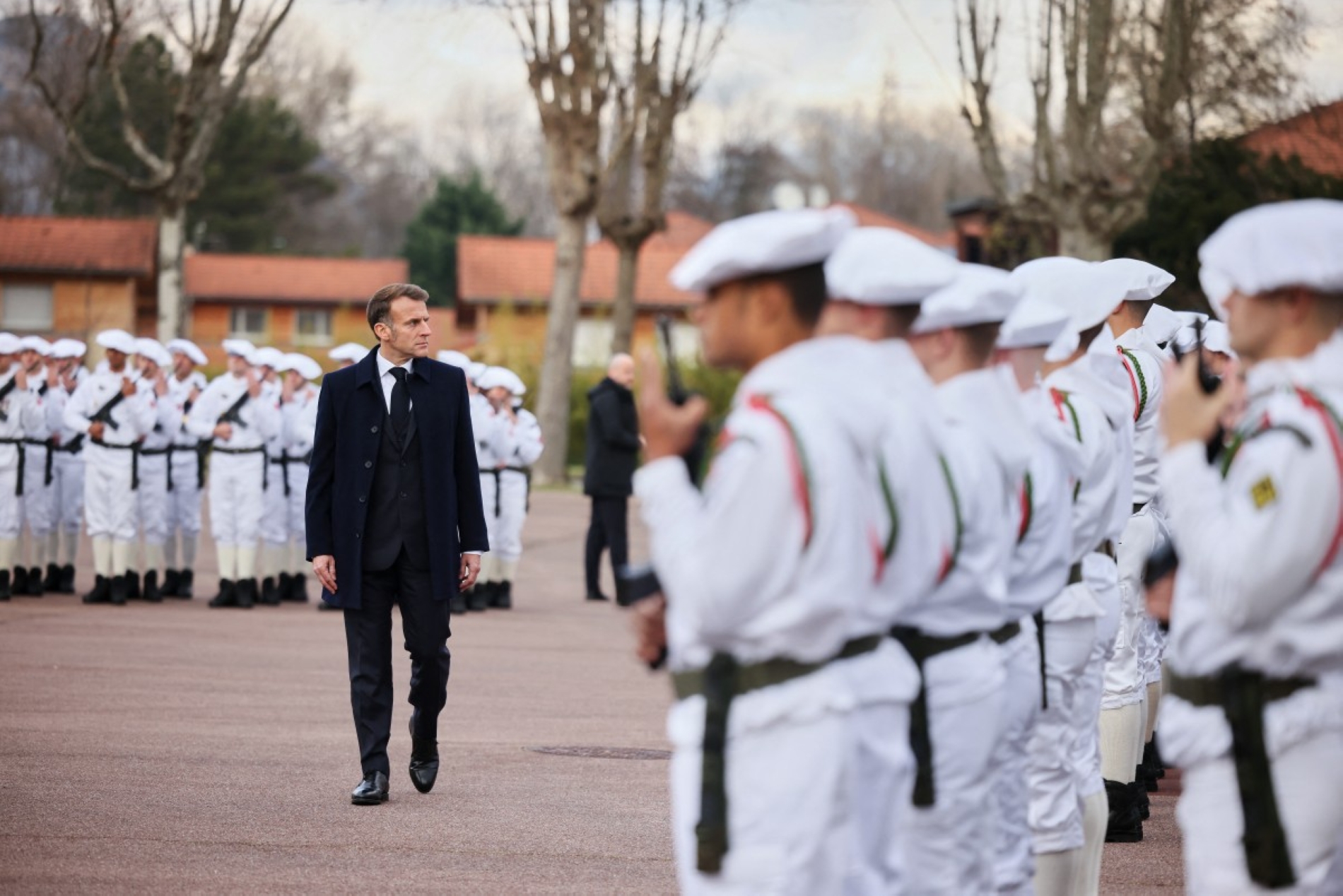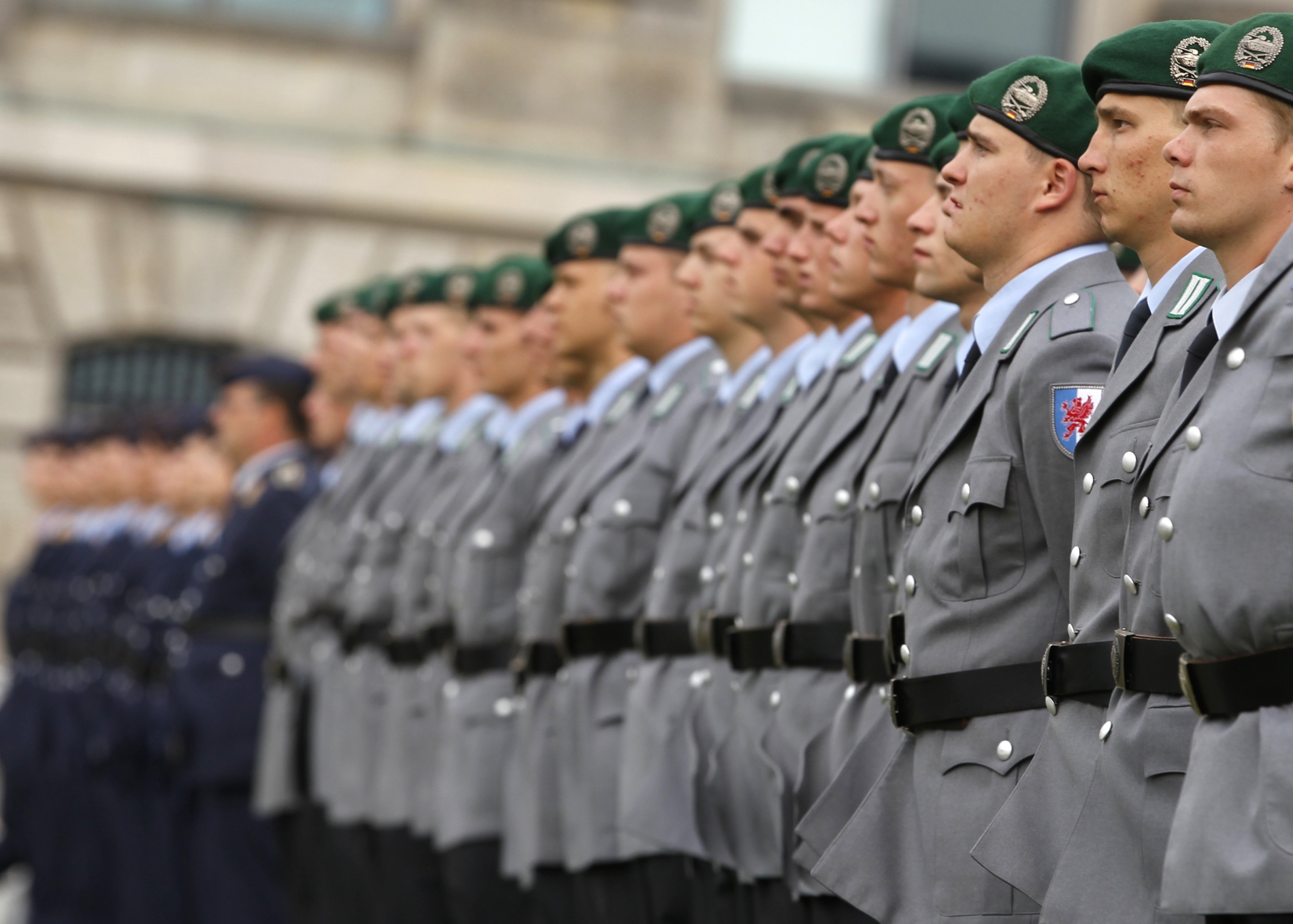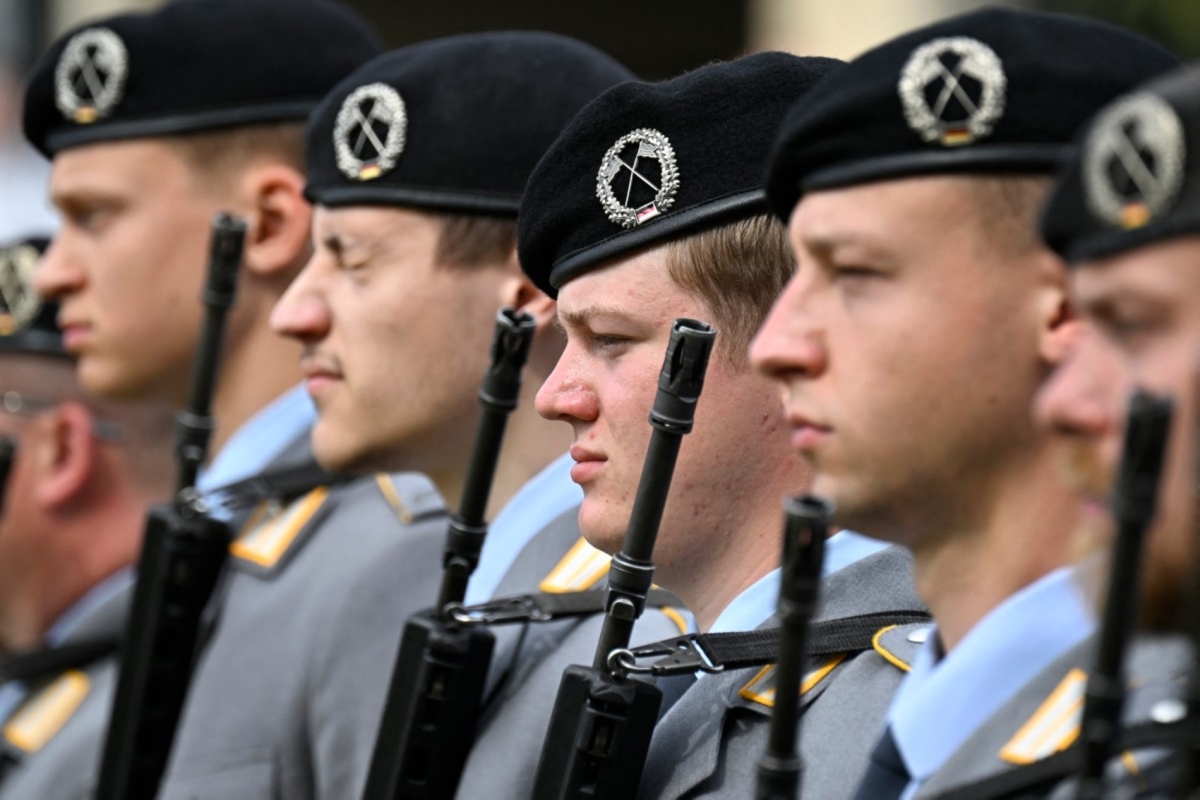

Within a few days of each other, France and Germany have moved to revive National Service in the face of Russia’s growing military threat. In late November, French President Emmanuel Macron said he would introduce a voluntary scheme that would pay young men and women for ten months of military training. A few days later, in early December, the German Bundestag voted through a similar scheme, with every 18-year-old asked whether they want to serve.
This is quite a turnaround, given that both governments abolished National Service less than 25 years ago. The last French conscripts passed out in 2001, while Angela Merkel ended German conscription in 2011, as both states enjoyed the post-Cold War ‘Peace Dividend’ that saw western militaries shrink as the threat of war receded, before Russia’s invasion of Ukraine overhauled the latent complacency in European capitals.
A history of service
Far from being outliers, Paris and Berlin’s plans reflect a continent-wide shift back towards National Service as a key component of defence strategy. Yet National Service is far from new. The concept of compulsory or voluntary enrolment in a country’s armed forces in Europe dates back millennia. Rome’s legions were conscripts, while medieval armies were drawn mostly from peasants compelled to fight by their feudal lords.
Europe’s transformation from a continent of mostly dynastic empires to a collection of nation states in the 19th and 20th centuries changed the character of conscription, but it remained a feature of warfare. Rather than landowners forcing their tenants to serve, national governments emphasised citizens’ duty to fight for the ‘homeland’.
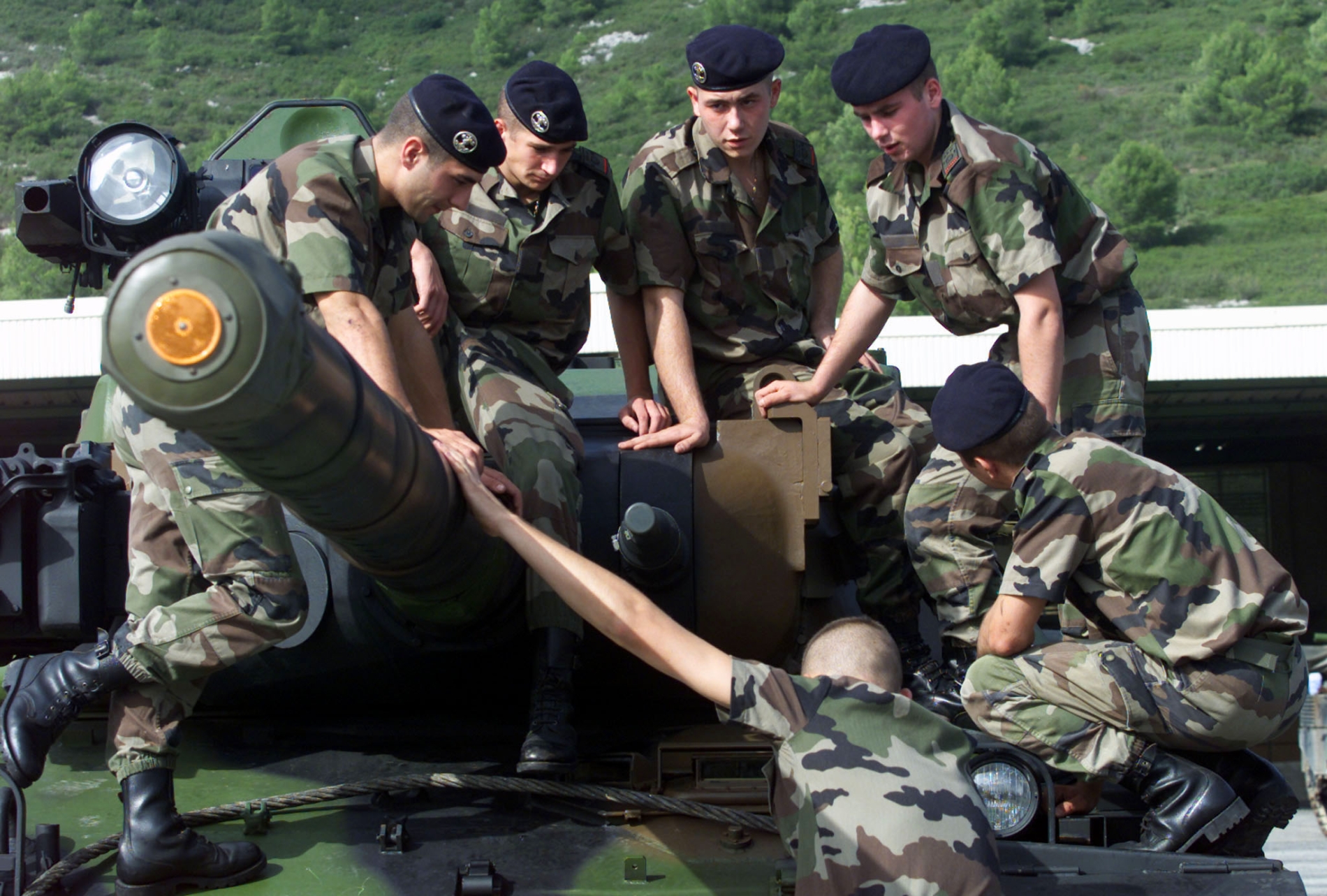
Under the slogan of ‘Liberté, Egalité, Fraternité,’ the leaders of the French Revolution in 1789 believed ‘fraternité’ compelled all to fight for France, formalising the conscription of ‘citizen soldiers.’ This was a model replicated by many other European states in the decades that followed. This meant that most of the key protagonists in the two world wars went into battle with vast armies of conscripted soldiers.
Filling the void
Britain was an exception at the start of the First World War in 1914, having an entirely volunteer force, but heavy losses led it to make service mandatory in 1916. It reintroduced this measure on the eve of the Second World War. States like France, Germany, and Italy all had conscription throughout. With the Soviet Union keeping its vast military stationed across Eastern Europe after 1945, western European states—having created NATO alongside the US and Canada—retained their conscripts.
In the 1950s, RAND (a think-tank) estimated that there were 900,000 NATO troops in Western Europe (half were American, the rest mainly European), but changes in circumstances gradually shifted attitudes to National Service. Protected to an extent by the English Channel, Britain was the first NATO member to end conscription, concluding in 1960 that its lack of popularity and the changing nature of war in a nuclear age meant that a smaller army of volunteer professionals was preferable.
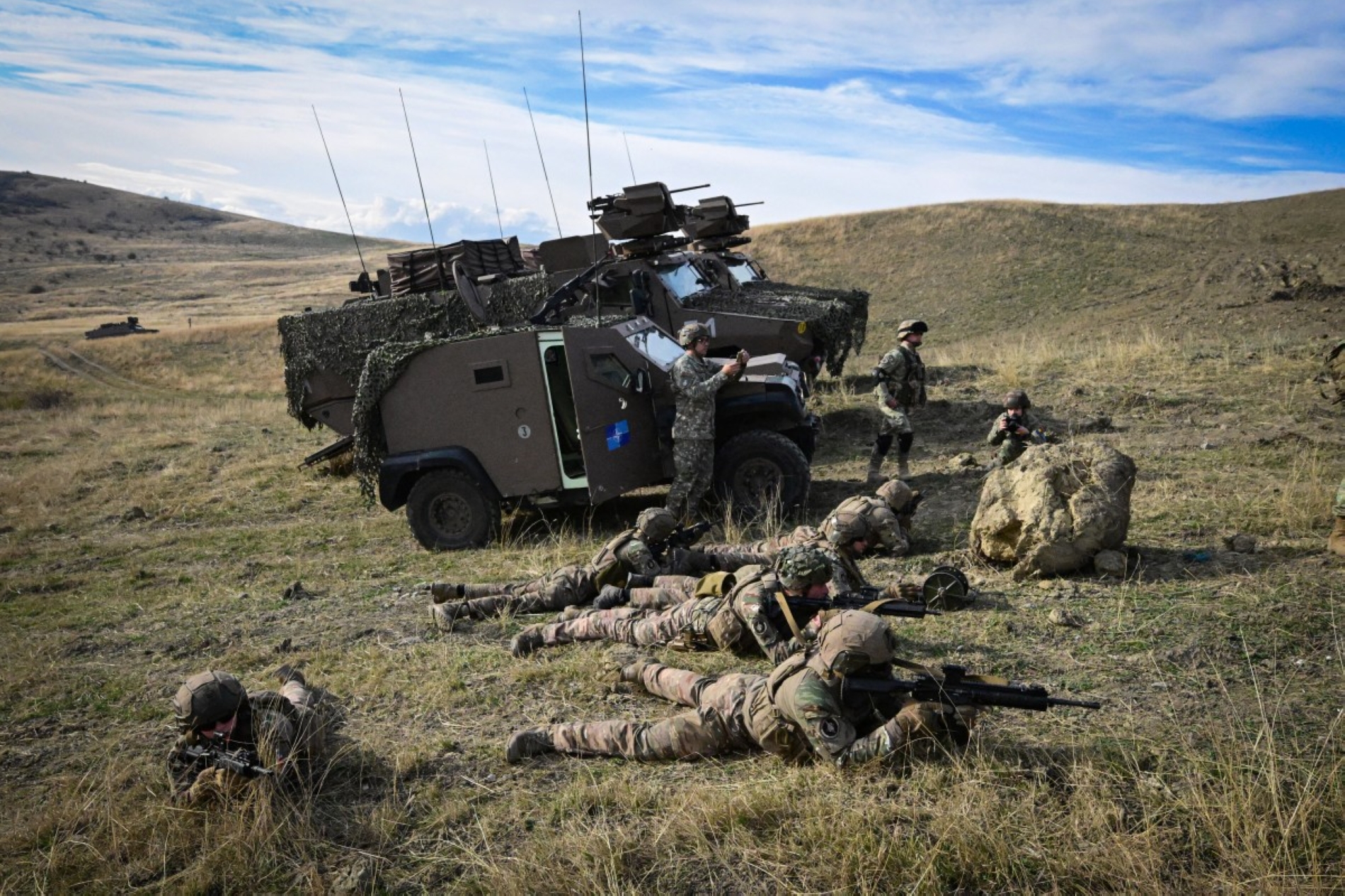
Others in Europe waited until the Cold War ended. Belgium suspended conscription in 1992, moving to an all-volunteer force in 1995. In 1997, France and the Netherlands ended National Service. Spain followed in 2001, Italy in 2005, and Germany in 2011, while the likes of Austria, Greece, Denmark, Norway, Sweden and Finland retained National Service. By the time Russia invaded Ukraine in 2022, most European states had opted for smaller, professional militaries.
A new urgency
While the Ukraine war was the first warning to European leaders about their military readiness, the re-election of Donald Trump to the White House in late 2024 increased the urgency. On the campaign trail, Trump repeatedly threatened to pull US troops out of Europe altogether. Since winning, he has done little to alleviate NATO allies’ fears. Were the US to withdraw their 84,000 troops currently stationed in western Europe, they would need replacing.