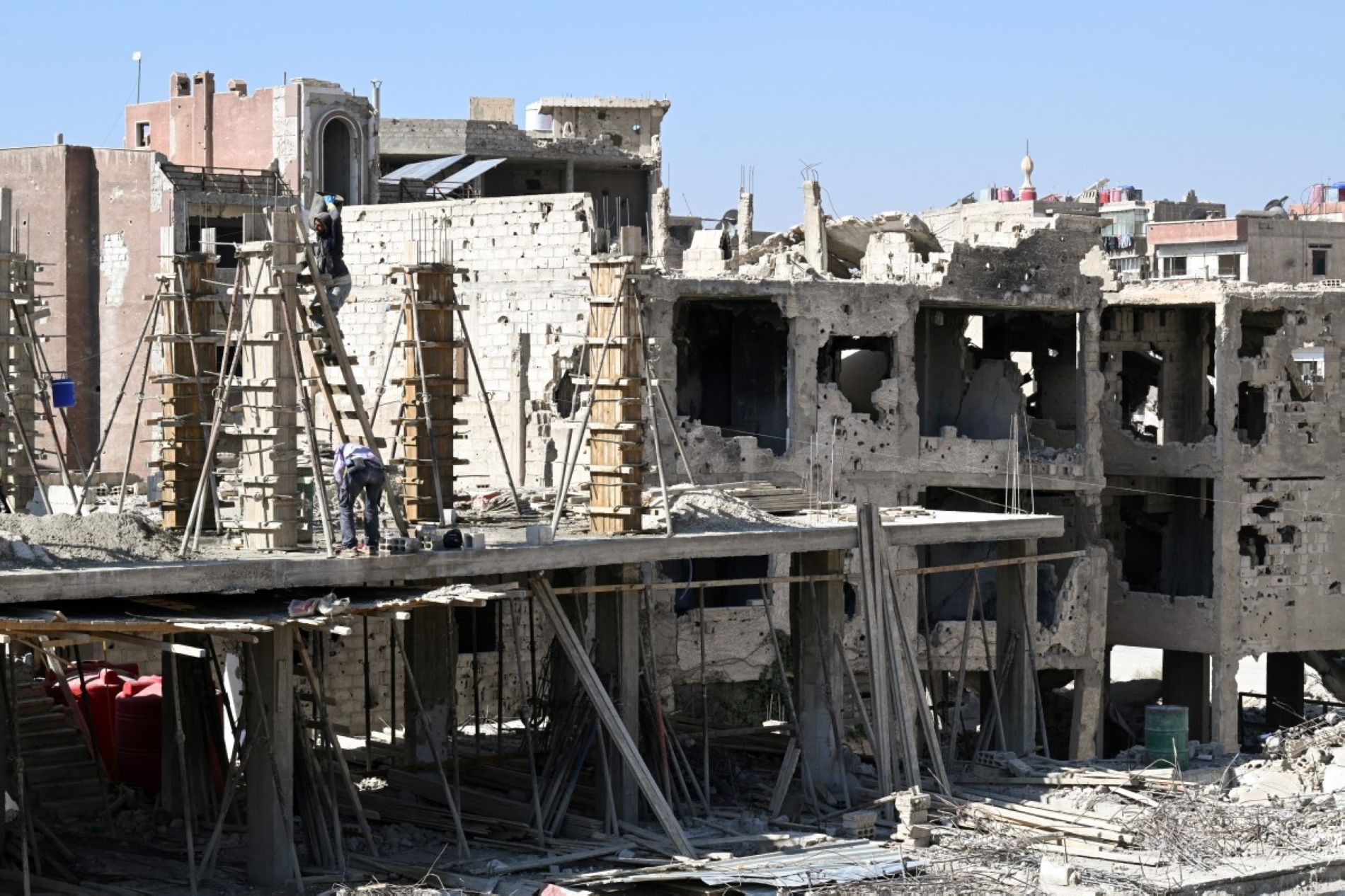
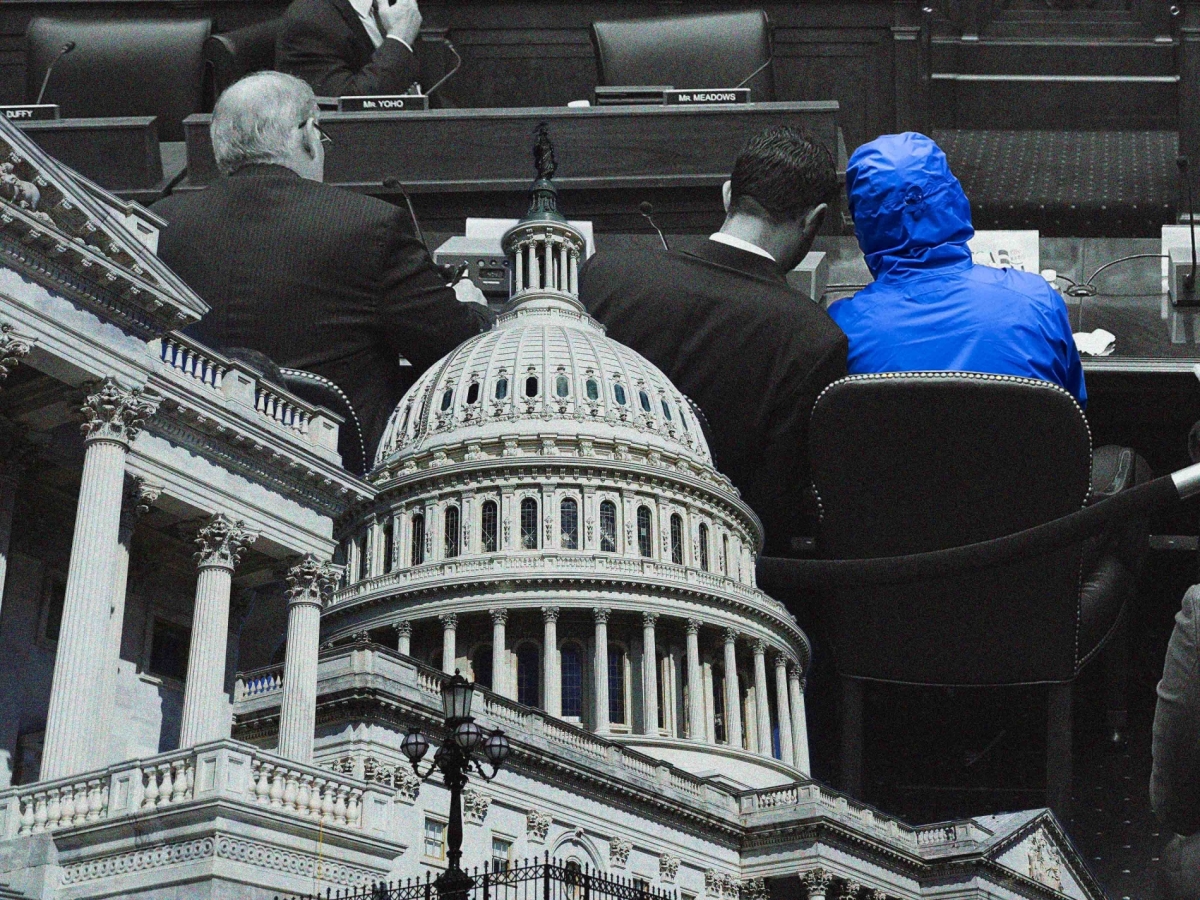

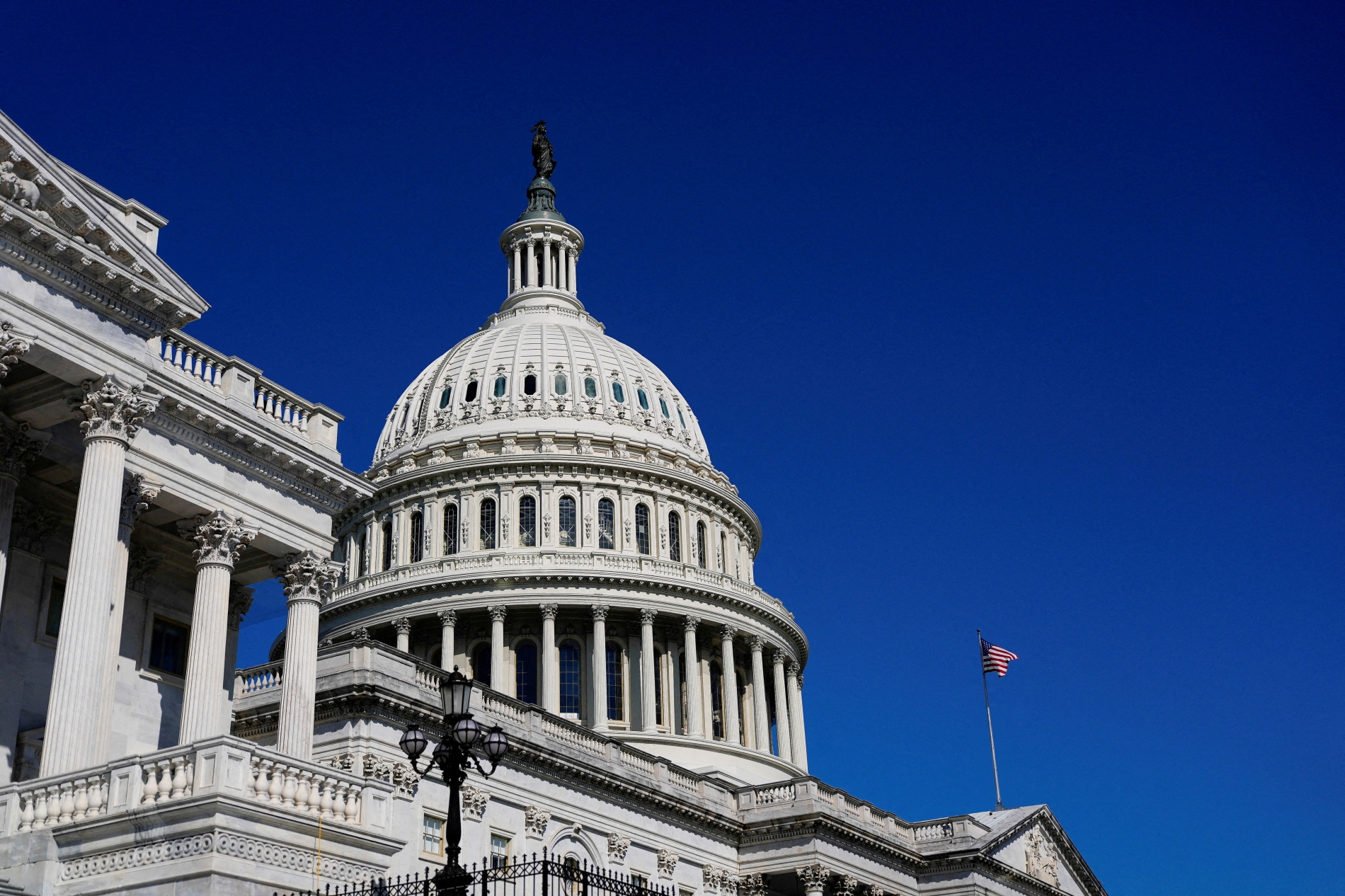
When the US House of Representatives passed a massive $900bn defence spending bill on 10 December, it also repealed the main American sanctions package in-place against Syria, instituted during the reign of Bashar al-Assad. For a country crippled by a 14-year civil war and in desperate need of investment for reconstruction, the removal of the Caesar Syria Civilian Protection Act of 2019 (aka the Caesar Act) is a landmark moment, assuming it gets the nod in the Senate and final sign-off from US President Donald Trump.
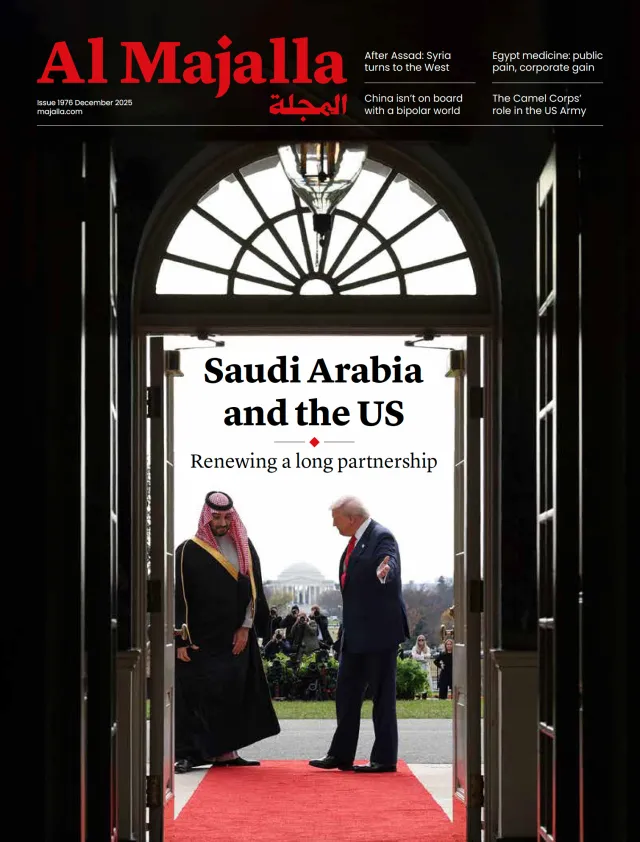
The Caesar Act targeted the Assad regime and its allies. The secondary nature of these sanctions meant that it also targeted foreign individuals and institutions doing business with sanctioned Syrian entities. While Trump announced plans to lift all sanctions on Syria when he met Syria’s interim president Ahmed al-Sharaa in Saudi Arabia in May, his administration could only suspend them temporarily. To remove them permanently required an act of Congress.
Final approval of the 2026 National Defence Authorisation Act (NDAA), which includes the repeal of the Caesar Act, is expected by the end of this year. Another bill submitted in November seeks to repeal both the Syria Accountability and Lebanese Sovereignty Restoration Act of 2003 and Syria Human Rights Act of 2012. If this also gets approval, this would likely be in 2026.
The 2019 Caesar Act sanctions any public or private entity assisting the former Syrian regime, as well as groups and entities linked to it, or contributing to the reconstruction of Syria, in addition to any assistance provided to the governments of Russia and Iran in Syria. This covers those investing in Syria’s energy, aviation, construction, or engineering sectors, as well as financial lending (Section 102).

The US Secretary of the Treasury previously pondered whether Syria’s central bank may fall within the remit of the sanctions, if it was deemed to play a role in money laundering, and in December 2020 the US Treasury added the Central Bank of Syria to the List of Specially Designated Nationals and Blocked Persons (the SDN List).
Unlocking a rebuild
Repealing the 2019 Caesar Act will undoubtedly assist Syria’s new leaders in their task of creating improved economic conditions for recovery and reconstruction process. While Damascus had secured numerous agreements and memoranda of understanding (MoUs) with foreign companies promising an estimated $28bn in investments, many were based either explicitly or implicitly on the permanent repeal of the Caesar sanctions by an Act of Congress.
Advocates hope that the passage of the 2026 NDAA will facilitate and accelerate this investment, while encouraging businesses and financial actors to consider Syria as an opportunity, newly reassured that they will not fall foul of US sanctions. In reality, repealing the Caesar Act will not completely eliminate investors’ doubts, since much still rests on compliance measures taken by banks, exporters, transport companies, and insurance firms doing business in Syria.
The repeal further removes restrictions on commercial and financial dealings with Syria, and facilitates the import of essentials goods and services for the reconstruction process. Yet Syria still faces deep structural economic challenges. The Syrian population’s living standards and working conditions both need to be improved, with productive sectors like agriculture and manufacturing rebuilt, and a new era of economic accountability embedded in governance. The new rulers in Damascus have a bulging in-tray. They must make the right calls if sanctions relief is not to become a missed opportunity.