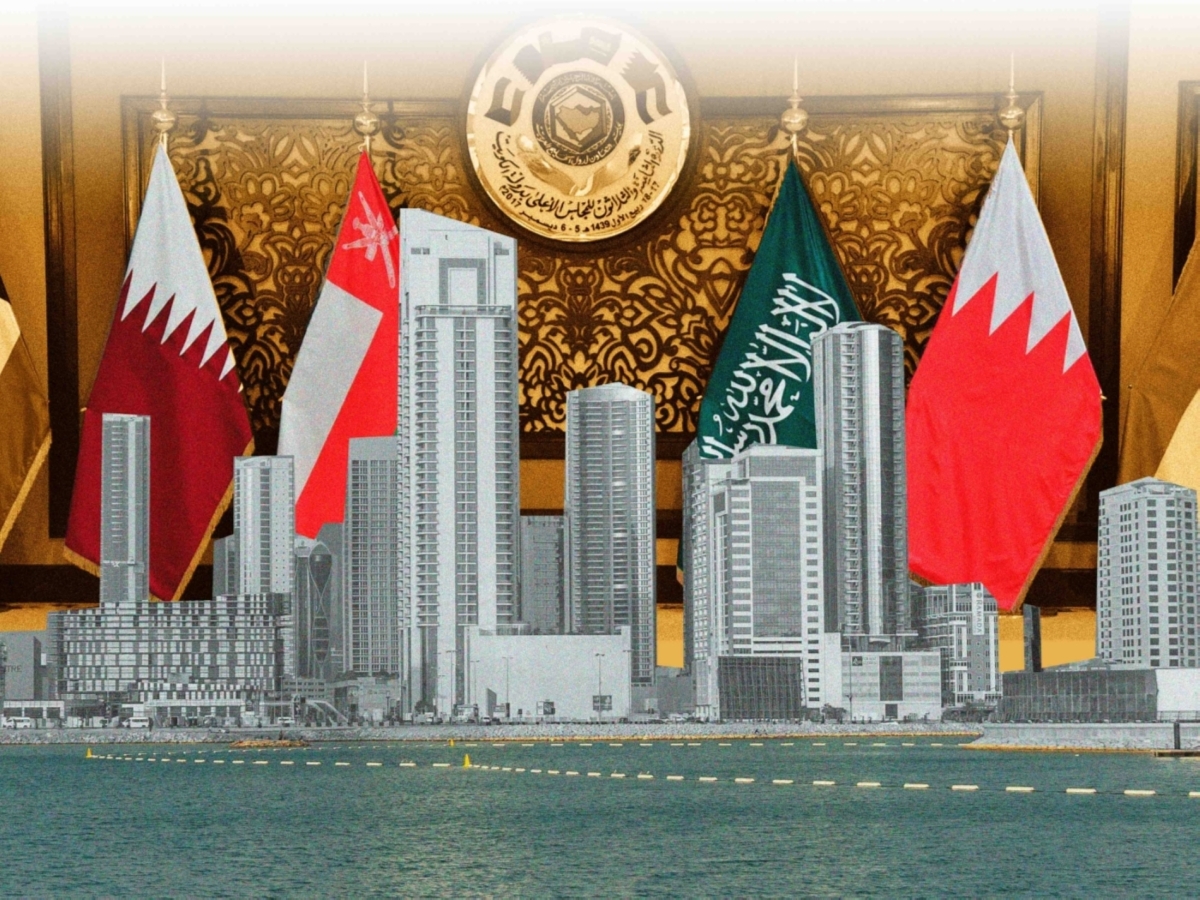

In the wake of Israeli and Iranian attacks on Qatar, the leaders of the Gulf Cooperation Council (GCC) have pledged to deepen their nations’ integration and boost security.
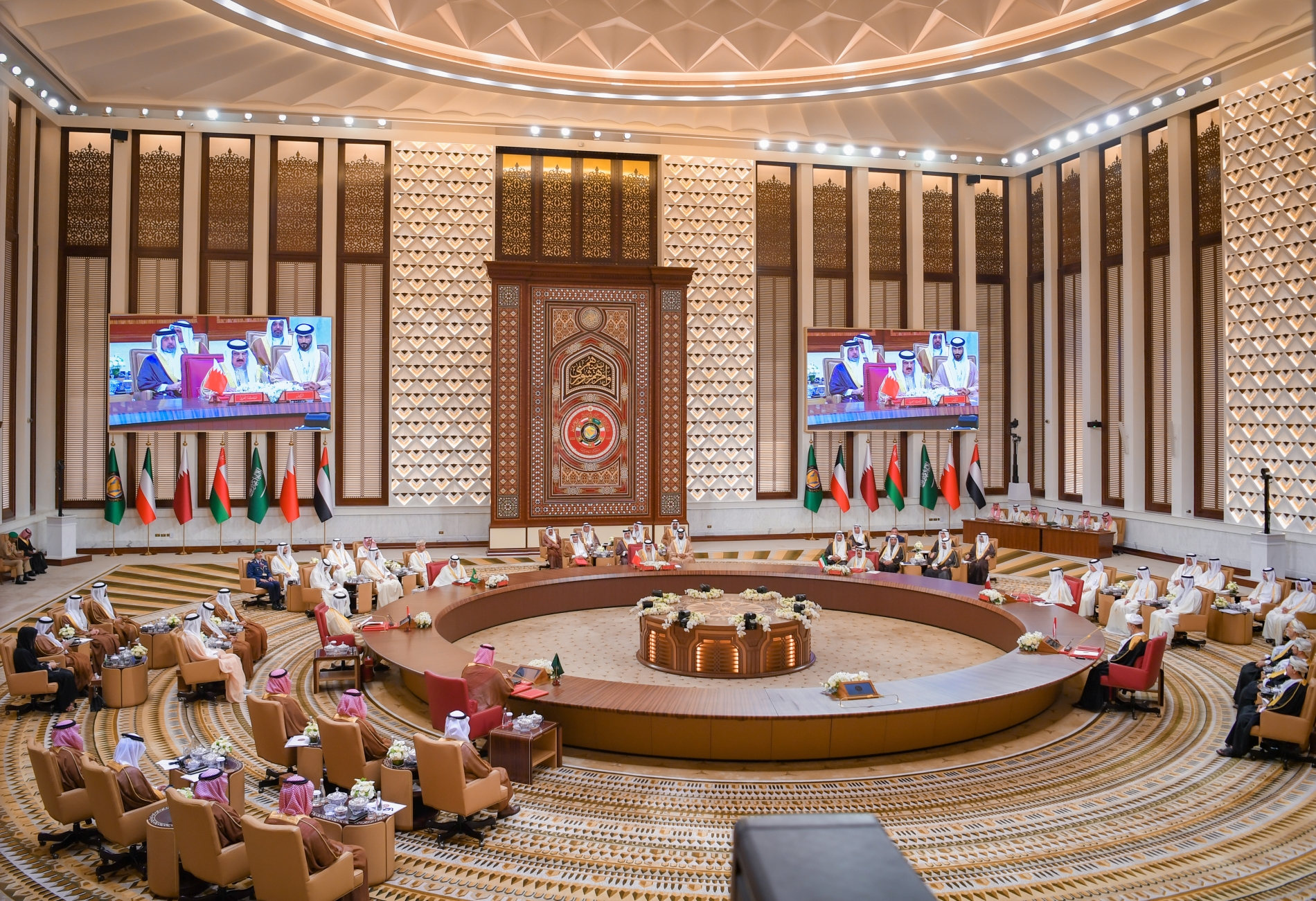
The pledge was made at the conclusion of the 46th Gulf Cooperation Council Summit in Manama, where security and the economy were at the top of the agenda. Underscoring the Gulf’s position as a key partner in shaping regional security, the leaders set a new direction for the Gulf under the banner: ‘One Region, One Security.’
Drawing on the unity of their peoples, the summit delivered a clear political message: that the security of the nations of the GCC is indivisible, and that any attack on one member state will be regarded as an attack on all.
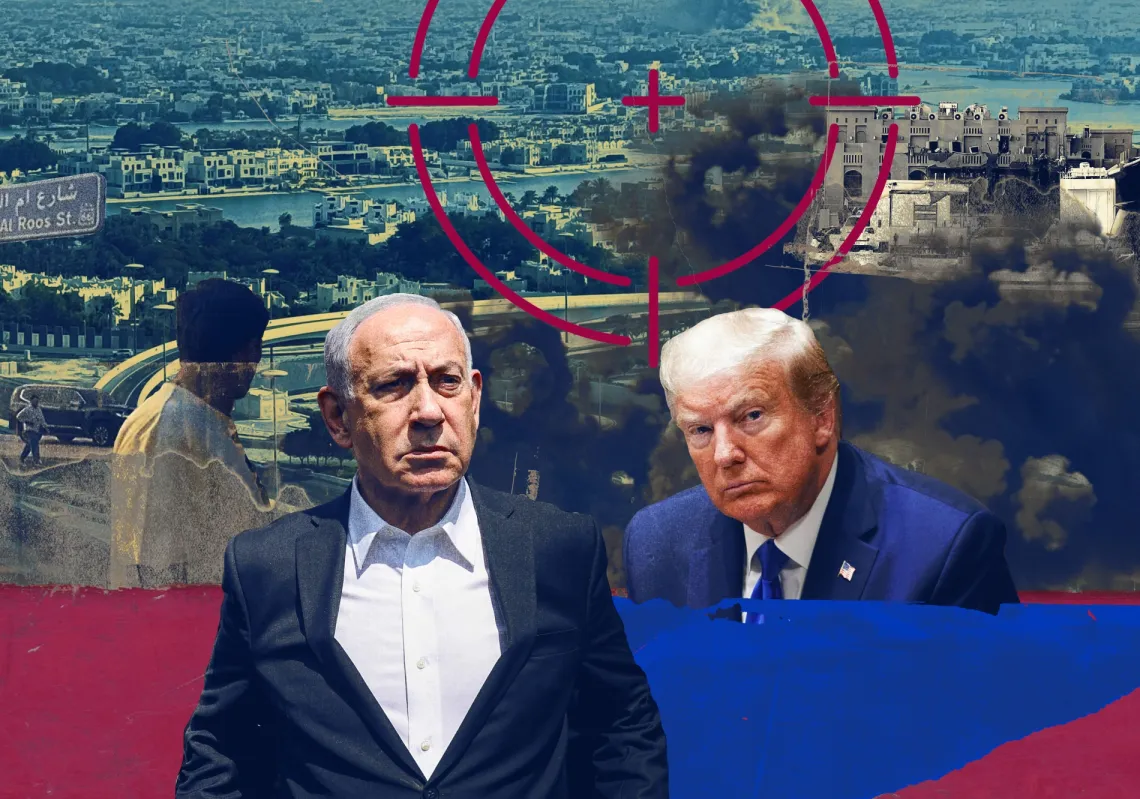
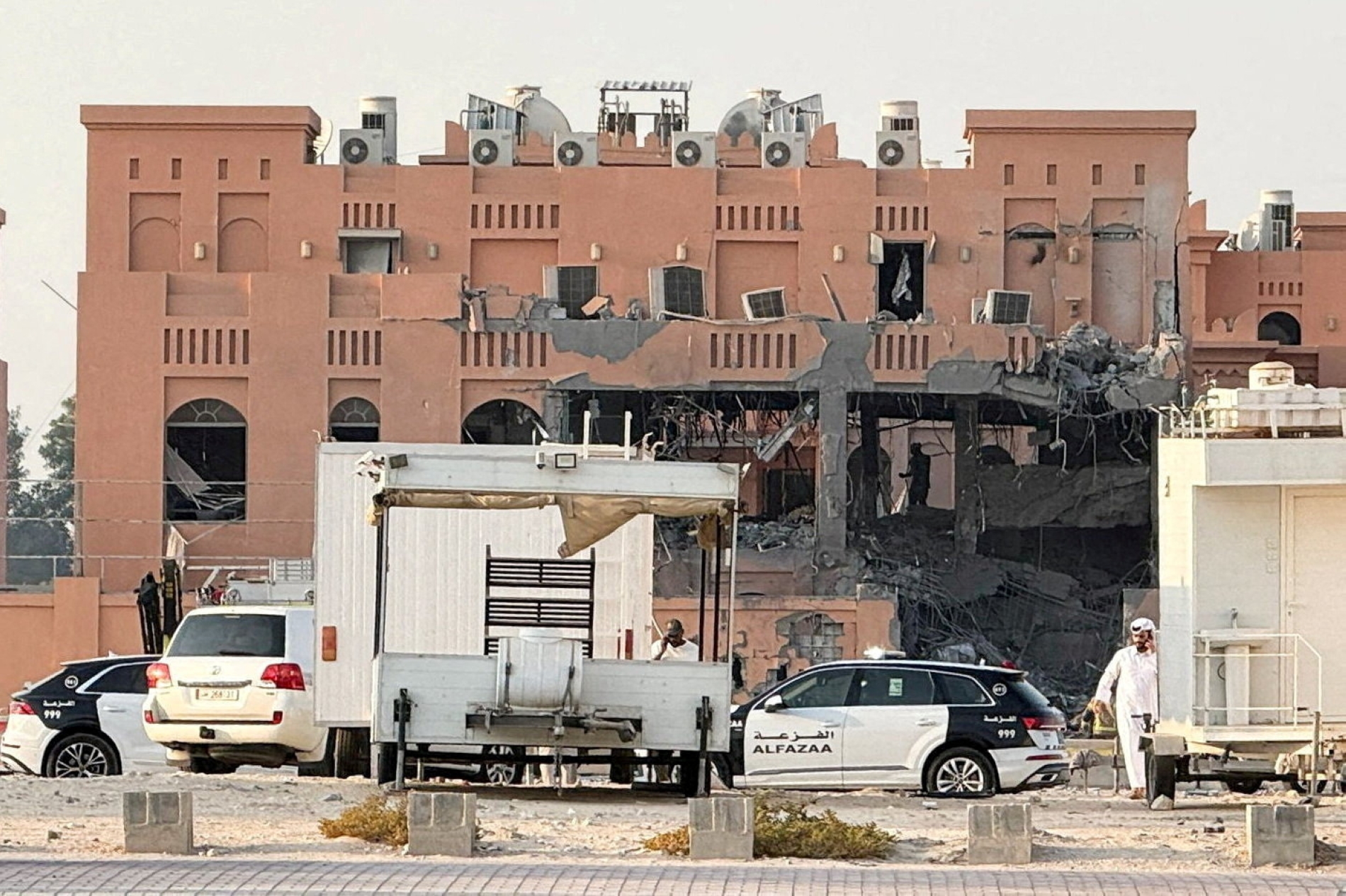
The missile and air raids on Qatar marked a turning point in the GCC’s perception of threats. On 23 June, Iran targeted a US airbase in retaliation for American participation in Israeli strikes on its nuclear facilities. This was followed on 9 September by Israeli air raids on a Hamas-affiliated site in Doha.
These developments prompted the six GCC states to conduct a series of joint military exercises, according to Secretary-General Jasem Mohamed Al-Budaiwi. He confirmed that the bloc has begun implementing the recommendations of the Joint Defence Council’s extraordinary session on 18 September, including the ‘Union 25’ naval exercise. Al-Budaiwi said this military coordination embodies the principle affirmed at the summit: “Gulf security is indivisible, and any threat to a Gulf state constitutes a direct threat to all.”
A ‘Gulf missile shield’
Discussions were also held on the proposed ‘Gulf Missile Shield’, which will act as a collective defence framework. An integrated system that includes radar networks, air defence systems, and real-time information sharing, Al-Budaiwi stated: “Individual defence is no longer viable in the age of cruise missiles and drones.” He also affirmed that the region is “working to establish a joint deterrence network.”
According to Saudi commentator Munif Amash Al-Harbi, these developments are significant because they accelerate the integration of the GCC’s security and military structures and strengthen the concept of a unified Gulf national security framework—particularly in the aftermath of the attacks on Doha.
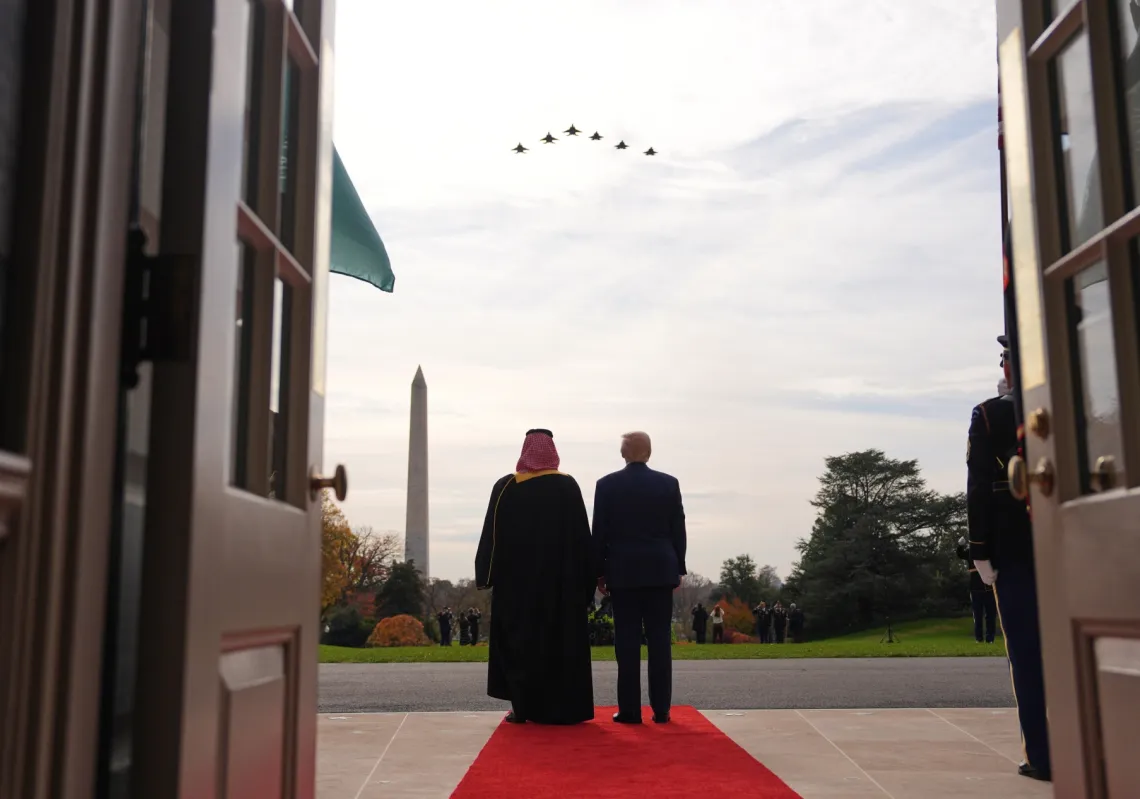
Speaking to Al Majalla, Al-Harbi noted that this strategic shift in deterrence, especially following the Saudi-Pakistani defence agreement and Washington’s approval of F-35 fighter jet sales to Riyadh, enhances the Gulf’s ability to protect its regional security and positions any assault on a member state as an attack on the entire system.
The summit marked the beginning of a new phase in the Gulf’s security doctrine—a noticeable shift from slogans to the concrete integration of defence and foreign policy. The significance of this vision, Al-Harbi explained, lies in its move away from exclusive reliance on US protection. Instead, it expands defence partnerships and adopts more inclusive regional security arrangements, signalling the Gulf’s transition from passive defence to strategic initiative.
The summit also finalised the joint ‘Air and Missile Defence Shield’ project, considered critical given escalating aerial threats. This initiative became urgent after recent military exercises exposed weaknesses in national-level defence systems, such as radar coverage gaps and delayed response times, particularly in geographically smaller states. A ballistic missile or drone crossing from one Gulf state to another, for example, necessitates an immediate, synchronised response.
The shield initiative seeks to integrate the advanced capabilities of member states into a unified operational picture by linking sensors and radars through a secure communications network. This will enable the joint command centre to detect any threat at the moment of its launch and to deploy the most effective interception system, irrespective of which nation possesses it.
Future readiness
In response to the year’s developments, GCC defence ministers convened an emergency meeting, during which they approved five measures to strengthen coordination and announced plans for a joint Gulf military exercise in early 2027. The exercise is designed to test the effectiveness of the new shield system and evaluate the speed of joint decision-making under pressure.
The council also adopted a document called ‘The GCC Vision for Regional Security,’ which includes provisions for criminalising all terrorist groups, protecting maritime routes in the Gulf and the Red Sea from piracy, and strengthening defences against cyberattacks targeting critical infrastructure.
Economic issues were not overlooked; on the contrary, the final communiqué described them as the solid foundation for building stability. Key decisions included the establishment of a Gulf Civil Aviation Authority, to be headquartered in the UAE, the launch of the Gulf Industrial Platform to support shared supply chains, progress on the customs union project with a data exchange platform scheduled to go live in 2026, and the organisation of a ‘Made in the Gulf’ forum next October to promote industrial products.