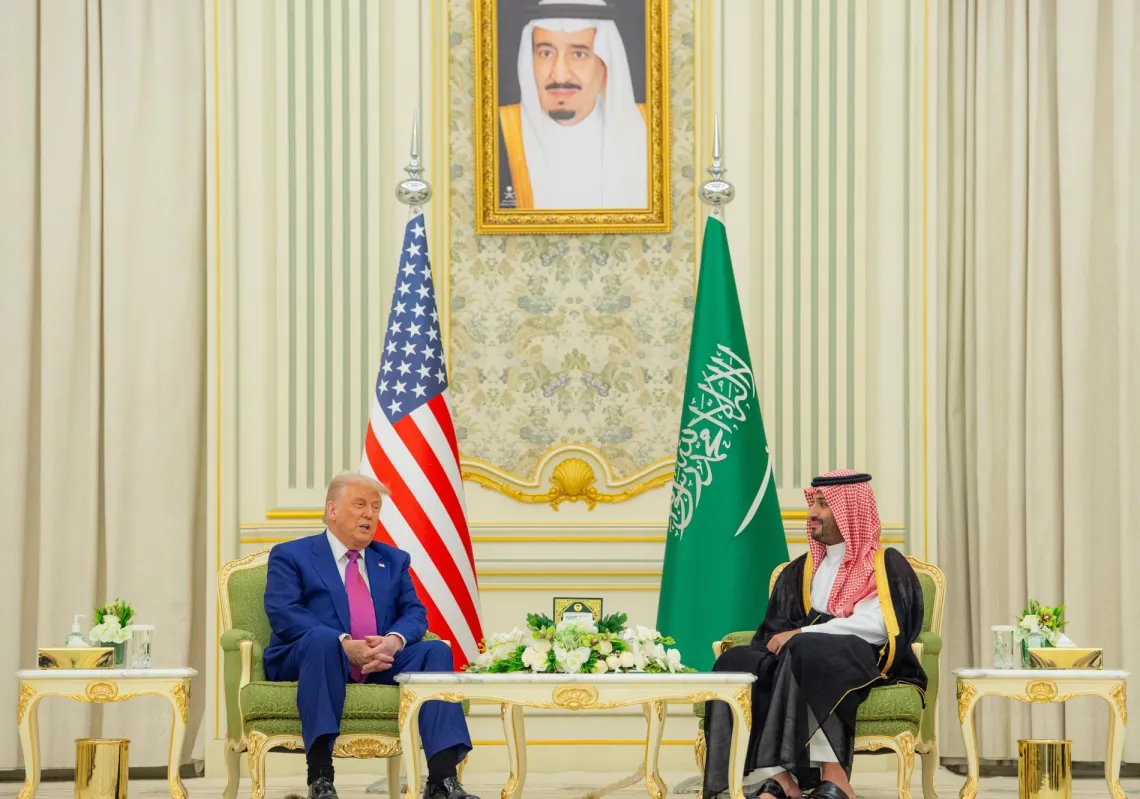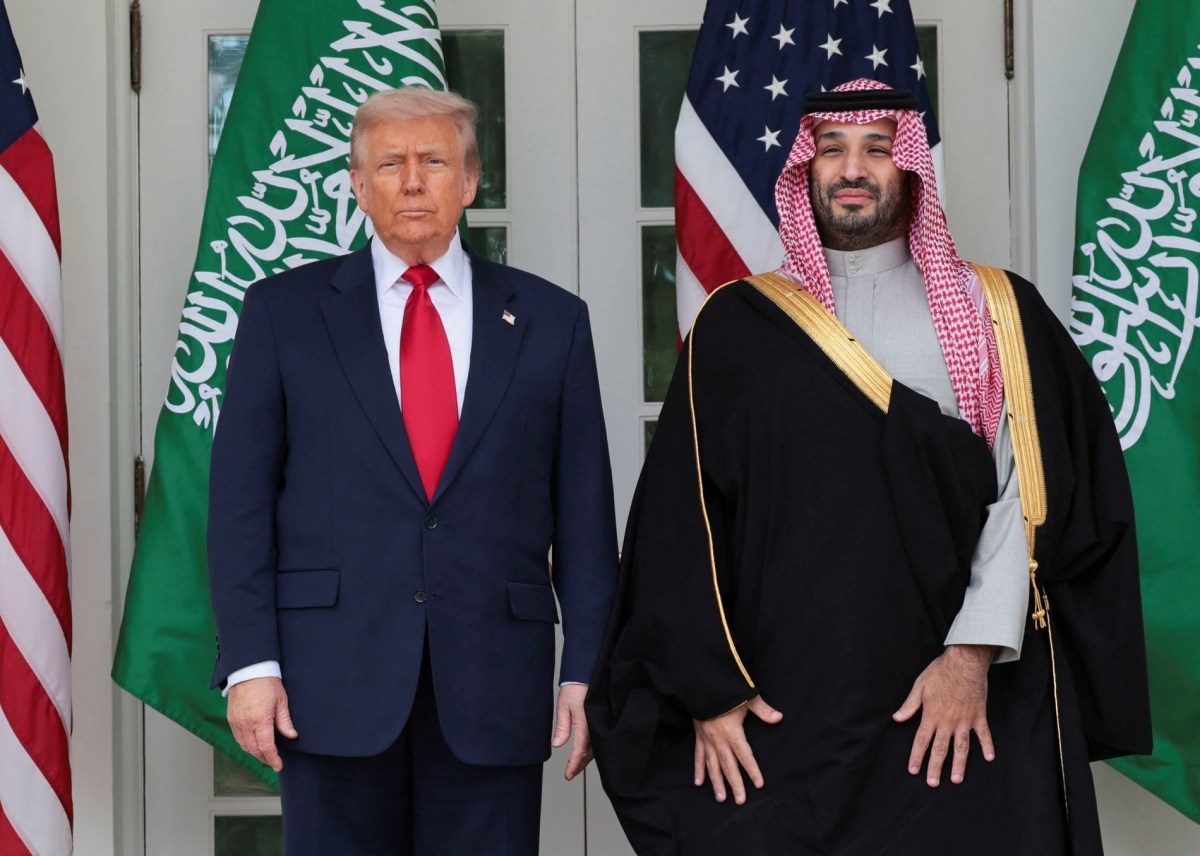

Saudi Crown Prince Mohammed bin Salman's visit to the White House marks a pivotal moment in Saudi-US relations. It may well prove to be the most consequential in years, as relations between Riyadh and Washington enter a phase of renewal between two longstanding partners who are now exploring how their deeply rooted interests can shape the sweeping transformations across the Middle East and the wider world, along with the opportunities and challenges these changes bring.
President Donald Trump said Tuesday the US has entered into a security agreement that will ease weapons transfers to, and elevate the relationship with, Saudi Arabia.
Under the agreement, Saudi Arabia would be designated a “major non-NATO ally,” a formal relationship that falls short of a security guarantee, but nonetheless deepens defence cooperation.
Earlier during a presser in the Oval Office, the crown prince announced that Saudi Arabia will increase its US investment from $600bn to almost $1tn. Beyond investment deals, Riyadh and Washington have the opportunity to establish new frameworks that connect politics and security with technology and development.
Although the United States still holds many keys in the Middle East, it is no longer the sole gatekeeper. For its part, Saudi Arabia has emerged as a key policymaking power in the region and beyond, approaching Washington with the confidence of a state that has built a diverse network of relationships capable of reinforcing and revitalising the partnership.
Read more:
1. Renewing the Saudi-US partnership by Ibrahim Hamidi
2. Legacy for legacy: why Saudi Arabia is seeking a US treaty by Abdullah F. AlRebh
3. US-Saudi ties are the cornerstone of Trump’s Mideast policy by Brian Katulis
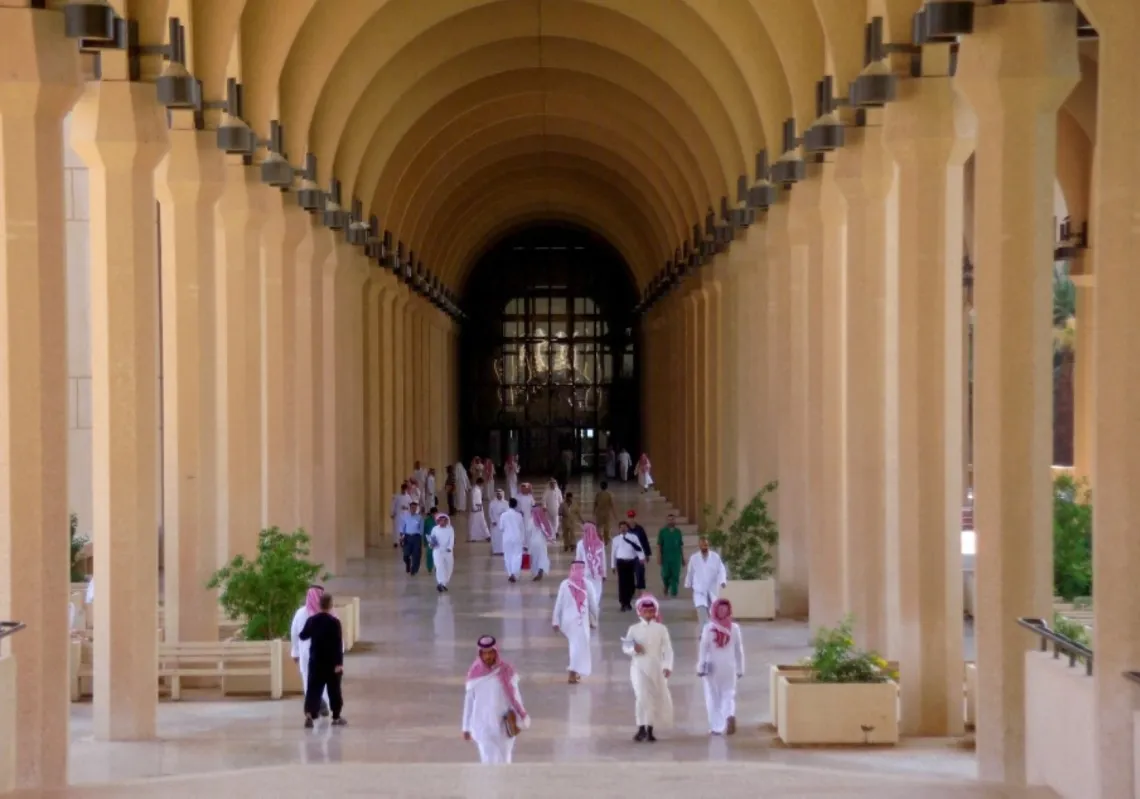
4. Education: the missing pillar in the US–Saudi partnership by Daniel Benaim
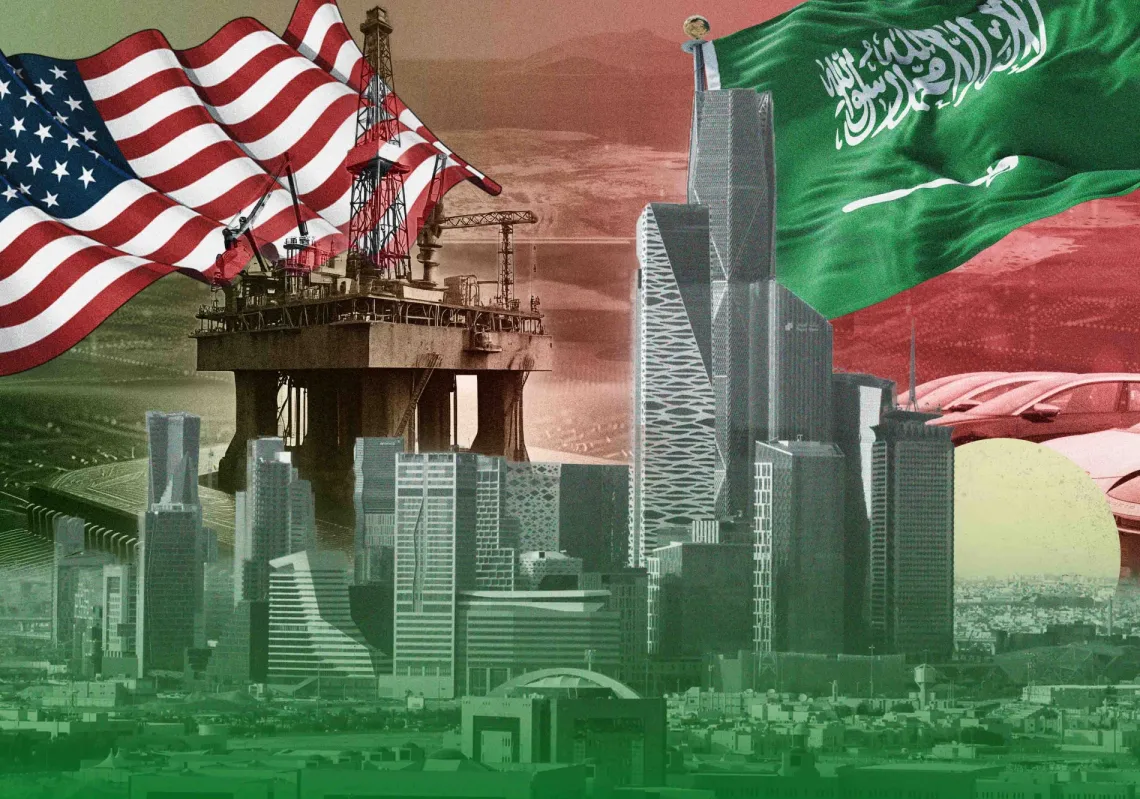
5. From oil to AI: a century of Saudi-US partnership by Omar Harkous
5. TOURISE to take Saudi tourism to greater heights by Sharif Mohammad