

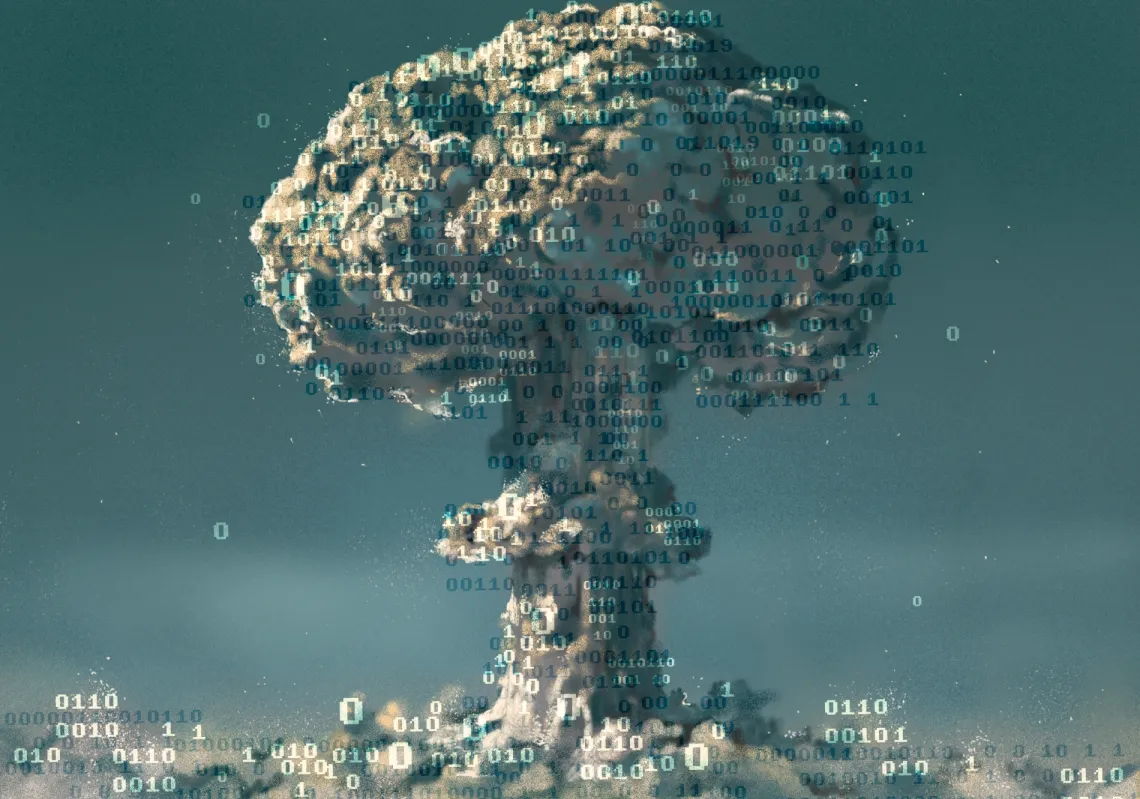

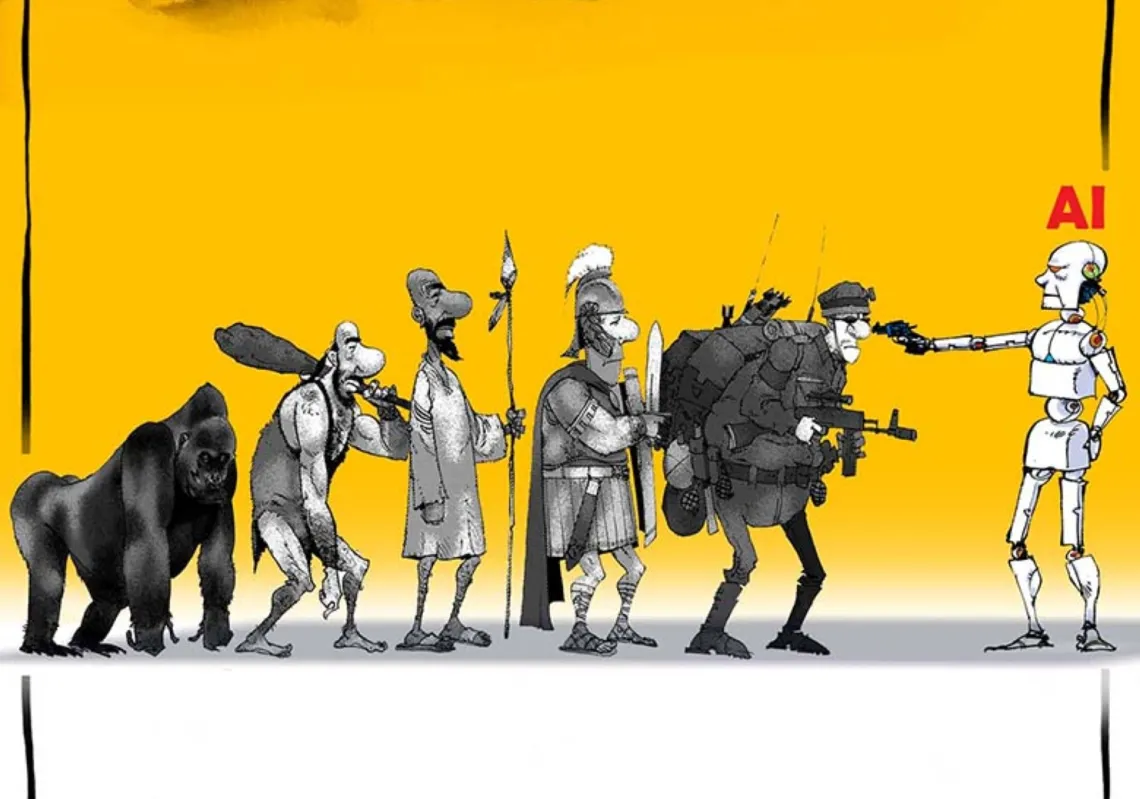





Those with the most advanced chips and algorithms can integrate them into their military infrastructure to create a potent fighting machine. As a key White House document shows, the race is on.
Stanford University’s Global AI Vibrancy Tool 2025 offers one of the most comprehensive assessments of artificial intelligence competitiveness worldwide. It measures the dynamism of national AI…
Amid warnings about the understated depreciation of assets in the AI sector, there are lessons to be learnt from the last time the tech industry experienced overinflated values
Elon Musk's new AI-driven encyclopaedia promises freedom from human bias. But as Grokipedia takes shape, it exposes a deeper struggle over who controls knowledge in the digital age.
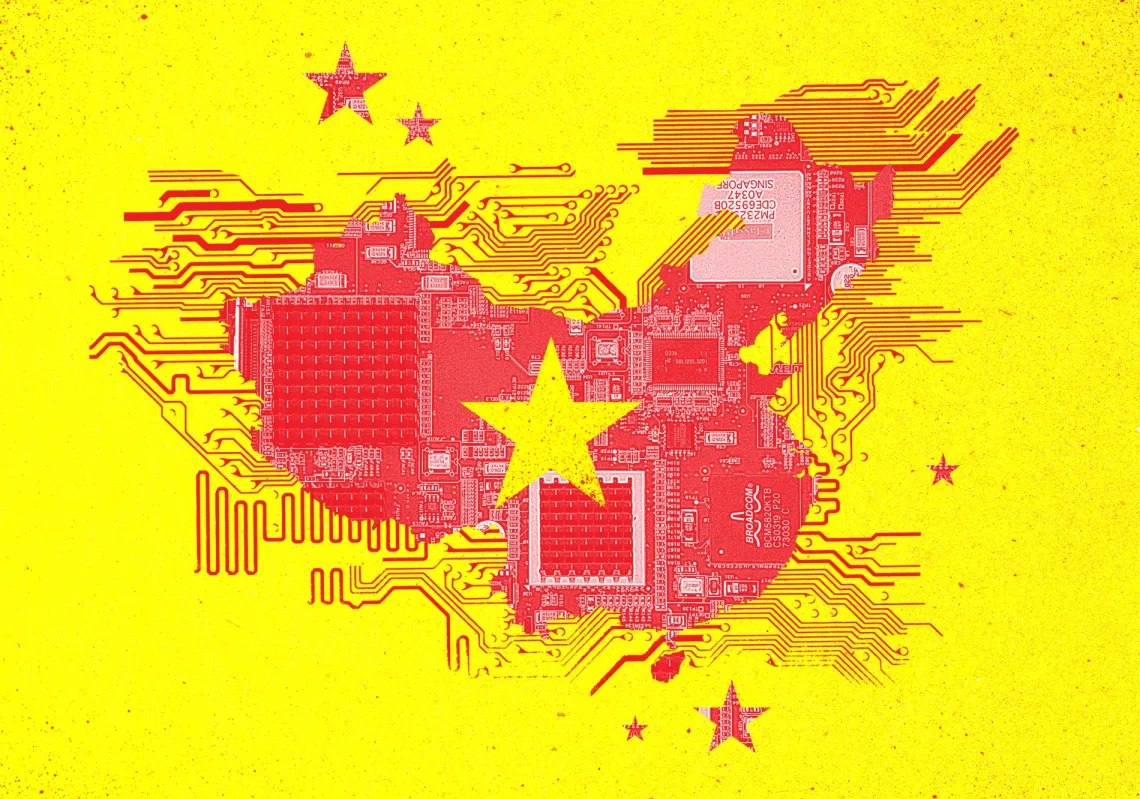
A global race between the US, China, Europe, and Gulf states towards AI supremacy is fully underway but the globalised nature of the 21st century prime technology creates border problems.
The latest large language models appear to question, display emotion, convey preference, possess independent thought, and even offer wisdom. Is this still algorithms, or something deeper?
A $500bn project involving key industry players is designed to build the gargantuan infrastructure needed to support the expansion of the AI revolution. For the US president, it is also about winning.
Last year's 12-day war with Iran was ostensibly aimed at its nuclear programme. This time, the regime is significantly weakened, presenting an opportunity Israel may feel it can't miss.
Pressure builds on Venezuela after Trump appoints himself 'acting president'. With Colombia, Mexico and Cuba seemingly also in the line of fire, they will be closely watching what happens in Caracas.
It remains unclear if Damascus's move to kick the Kurds out of Aleppo will pressure the SDF to implement the 10 March deal to integrate its forces into the Syrian army or harden its resolve to resist
The UAE backs southern Yemenis who want secession, while Saudi Arabia wants a unified Yemen. Egypt also favours unity, but is close to both Gulf states, putting it in a difficult position.
Recently declassified meeting minutes between the two leaders show how Washington was well aware of Moscow's grievances over NATO expansion, but went ahead anyway