



Washington seems to have changed its tone after the RSF committed atrocities in October, putting increasing pressure on the foreign backers of a paramilitary that now controls Darfur. What next?
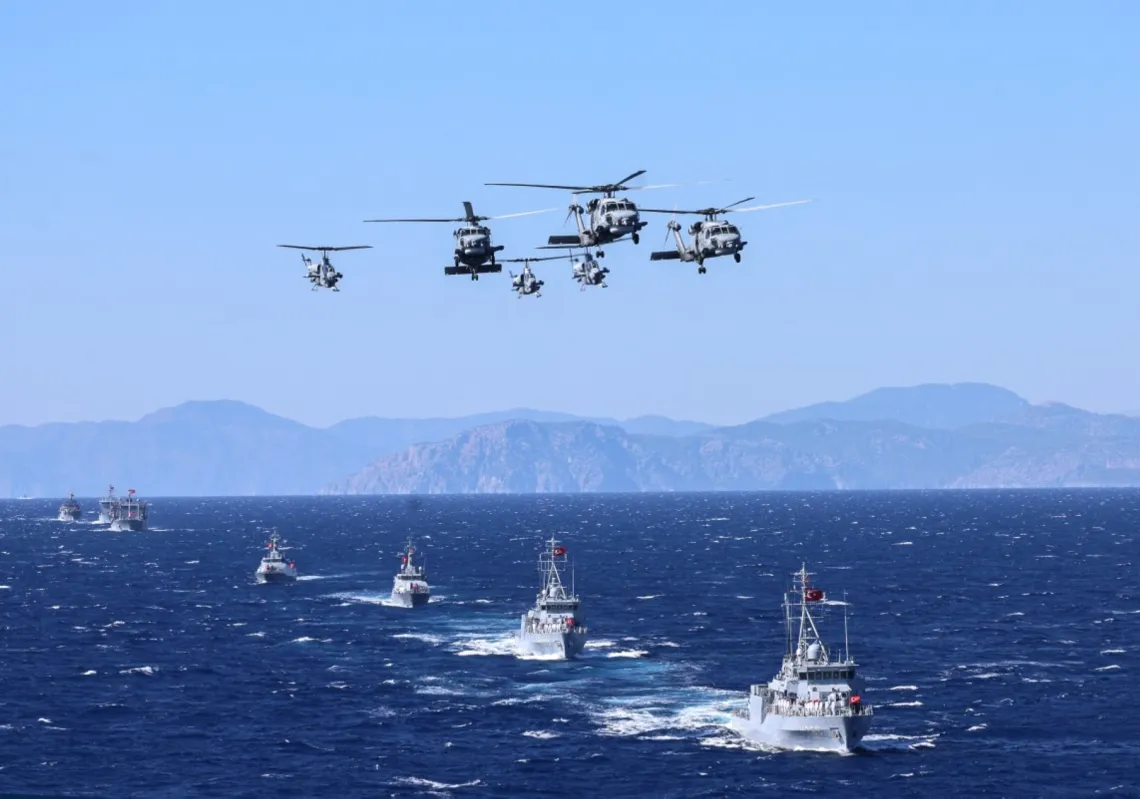
The two countries at last have a maritime border, letting energy firms search for new gas fields in the Eastern Mediterranean, but the agreement has geopolitical repercussions too.
A $35bn gas supply deal between these two neighbours is being held up by political disagreements, some of which relate to their 1979 peace treaty. What next for the Israel-Egypt relationship?
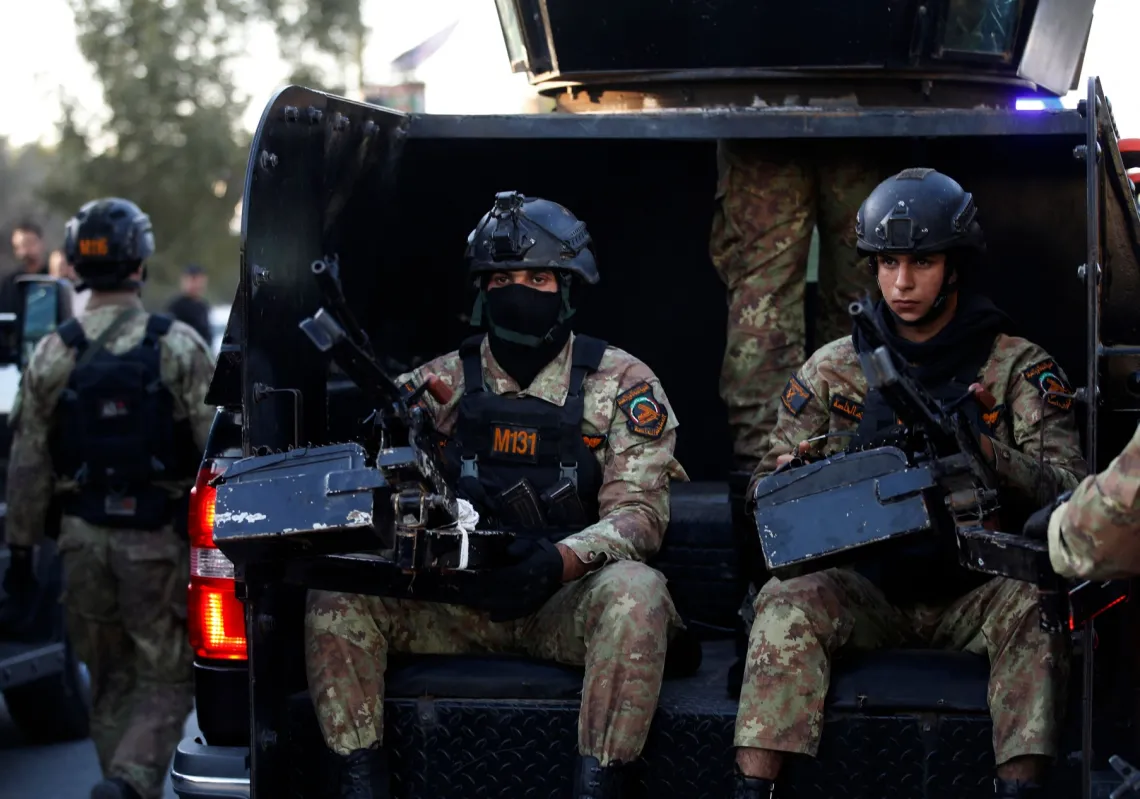
An Islamic State operative infiltrated Syria's security set-up and waited until he was with American soldiers. The assault requires an urgent reassessment of personnel and recruitment in Damascus.
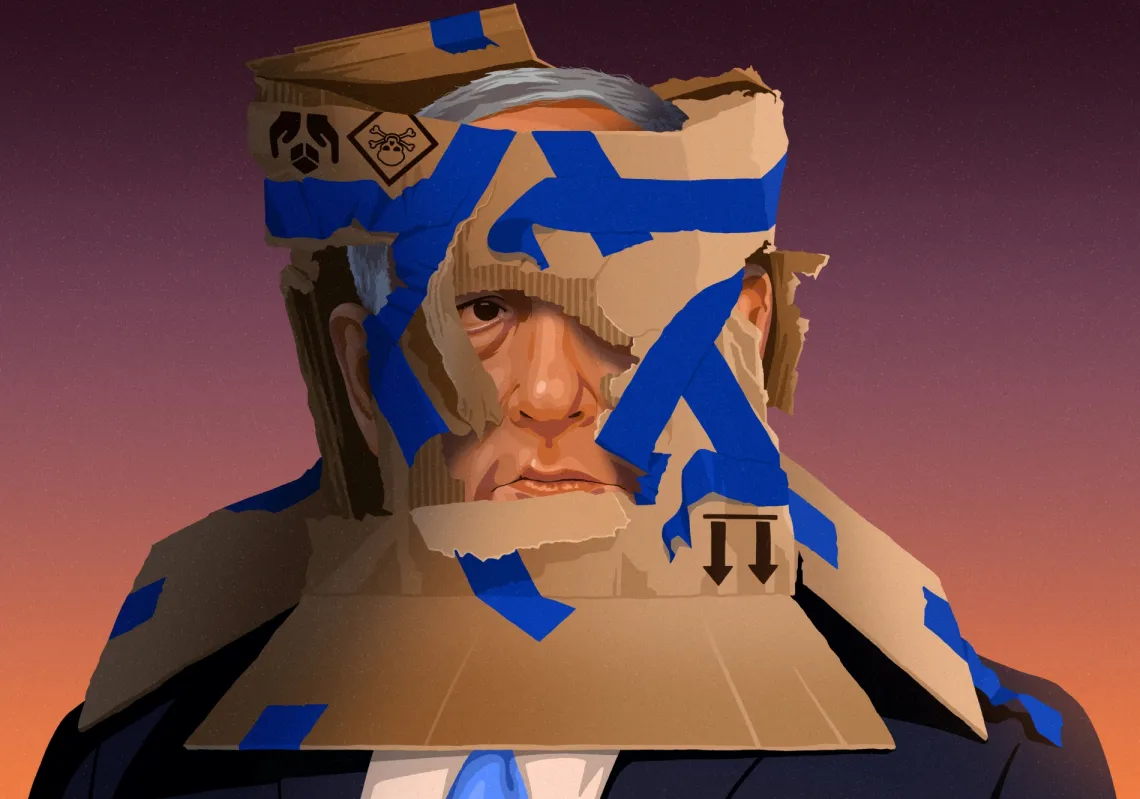
Benjamin Netanyahu has said he will go off what his opposite number in Damascus does, not what he says. In the meantime, Israeli actions make a genuine peace more difficult.
To the surprise of many, Syria's interim president has neither removed Assad-era staff nor sought revenge on his key lieutenants. It has helped stop Syria from fragmenting.
Sudan's army needs a Russian lifeline to avoid collapse in the ongoing civil war. The price is a naval facility in Port Sudan, giving Moscow access to the Red Sea.
An axis comprising Israel, Ethiopia, and Somaliland appears to be emerging, which has the potential to polarise the Horn of Africa and rapidly accelerate its militarisation
For those who look closely, there were recurring cultural themes over the past 12 months, whether in cinema, music, art, or literature. There were also common threats and shared opportunities.
London is making it clear that it expects more than just symbolic gestures from Damascus when it comes to holding security forces accountable for atrocities