


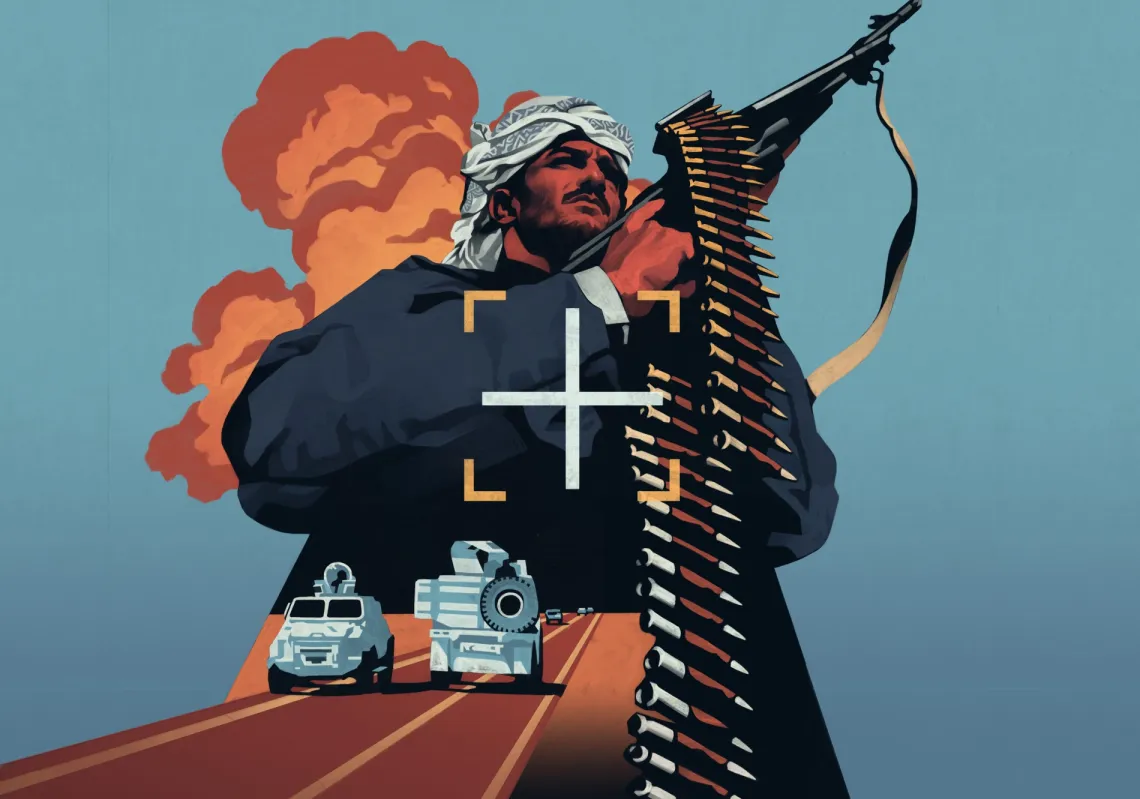


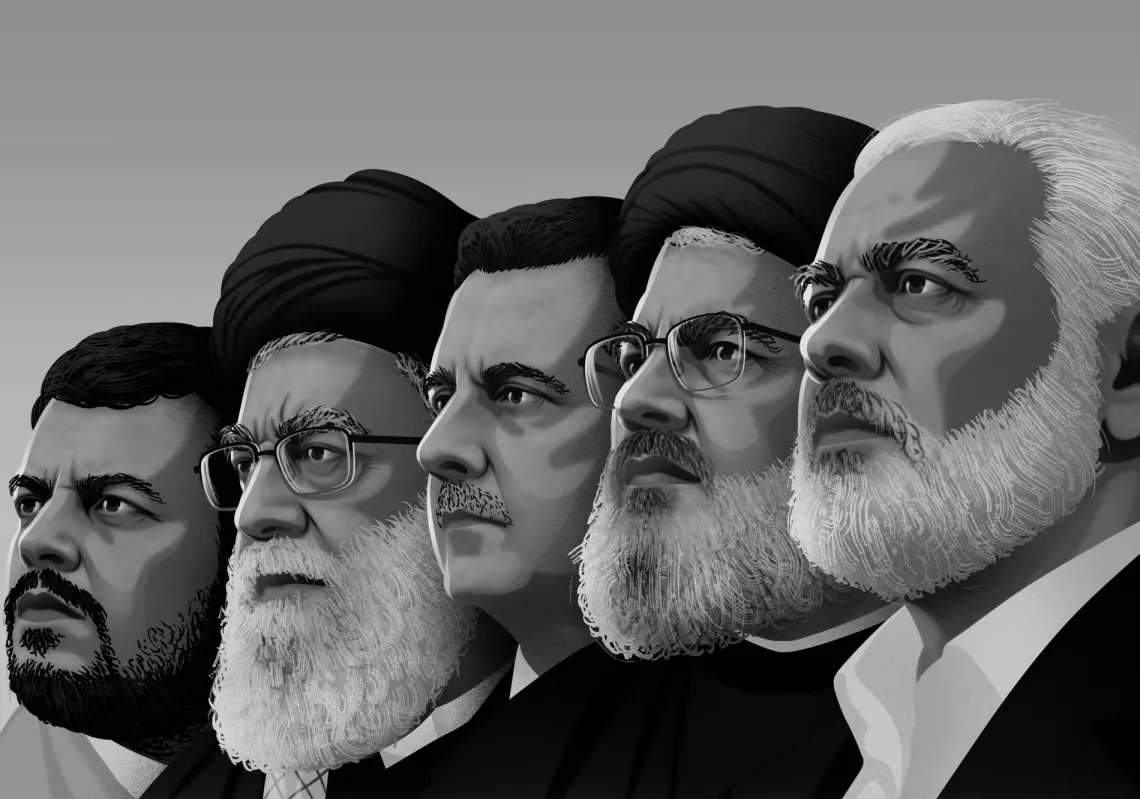


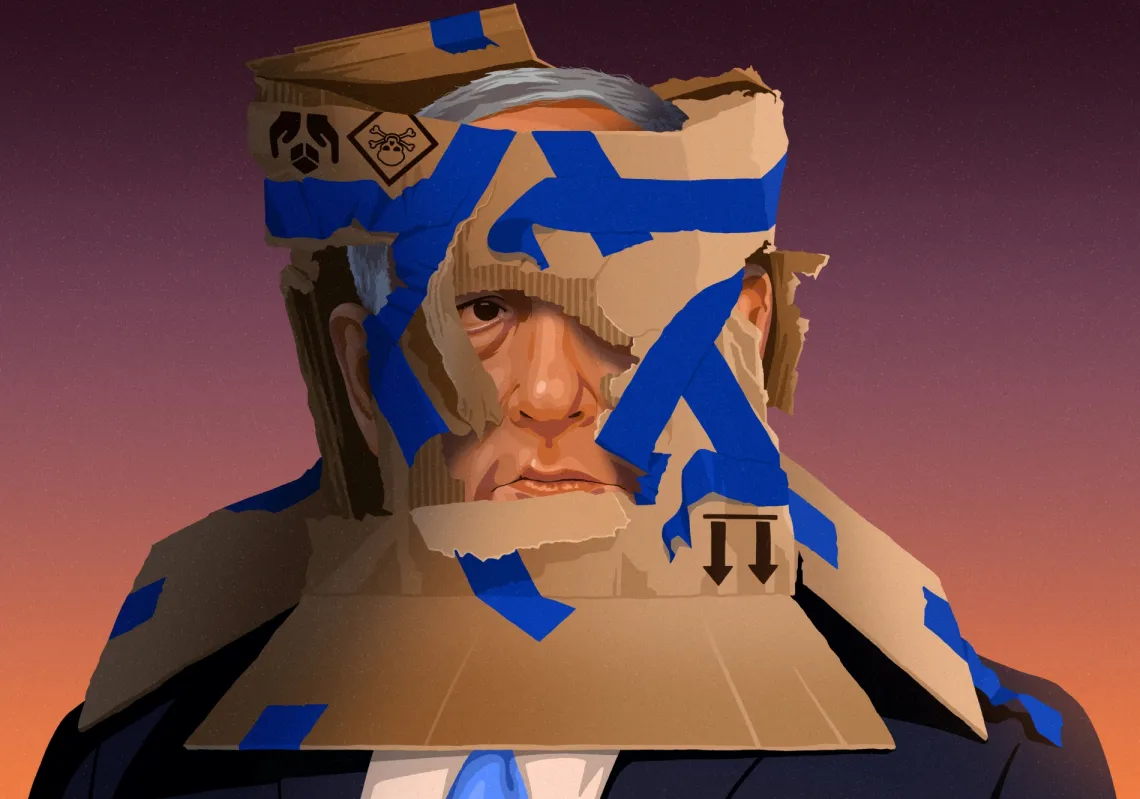
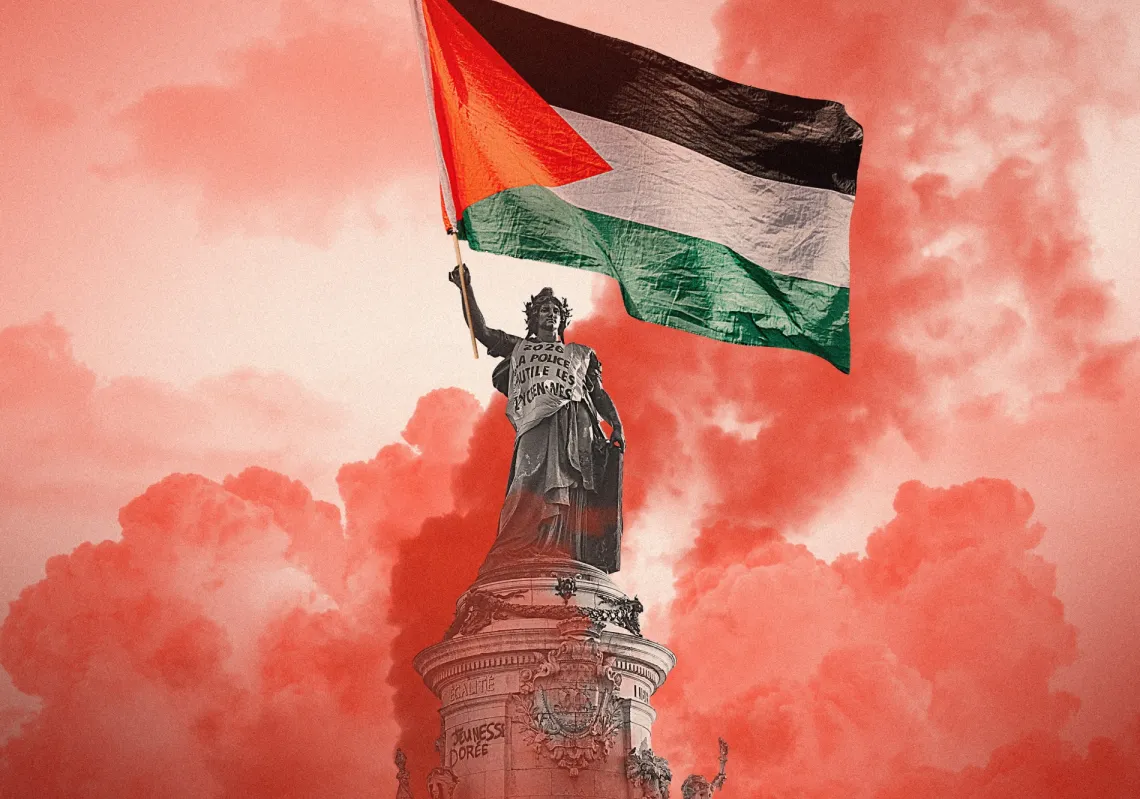

When states are attacked, authority gravitates towards institutions capable of mobilising resources, enforcing discipline, and coordinating a military response
Even if it stays on the sidelines of the US-Iran war, the country is fragile. Unlike larger economies that can absorb shocks in global markets, it has little room to cushion the impact.
Cairo and Tehran have been at loggerheads since 1979, but the Iranian threat has always acted as a check on Israeli ambitions. If Iran is completely defeated, Israel will reign supreme.
The announcement last week that the US was pulling its 1,000 troops there has sparked worry, as American presence is seen as crucial for integrating the Kurds and fighting IS
Washington and Tel Aviv may think the key to ending Iran's regime is to kill its missile bank and capabilities, but sometimes strategy matters more than hardware
From military spending to energy markets, the US-Israeli war on Iran is driving rising costs, with the Strait of Hormuz emerging as a central pressure point
Until fairly recently, most Americans sided with Israel. These days, most side with the Palestinians. That will eventually influence US foreign policy.
Any disruption in the Hormuz has cascading knock-on effects that extend far beyond energy markets, impacting international trade. Al Majalla explores all this and more.
Al Majalla - London
Sign up for the Weekly Newsletter
Get the best of Al Majalla, straight to your inbox.