
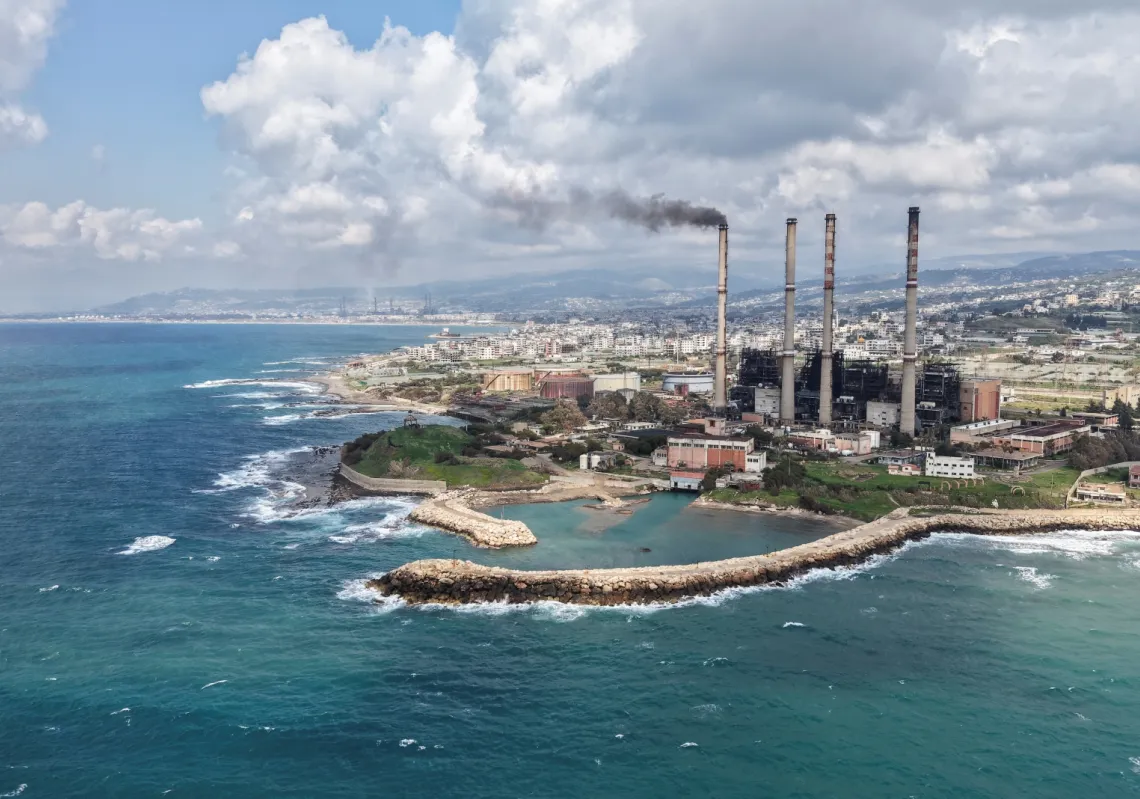


The north African nation wonders if it might step in, as war in the Middle East halts shipments of liquefied natural gas and leaves importing nations looking for alternatives.
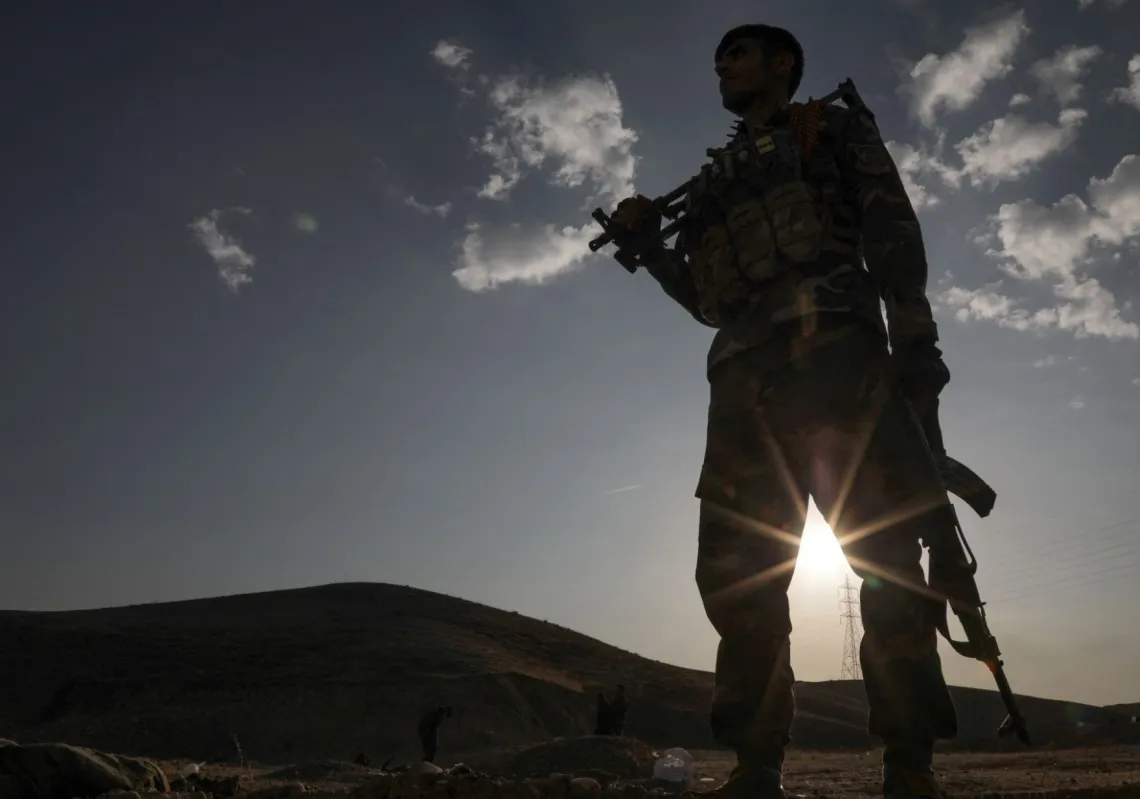
When states are attacked, authority gravitates towards institutions capable of mobilising resources, enforcing discipline, and coordinating a military response
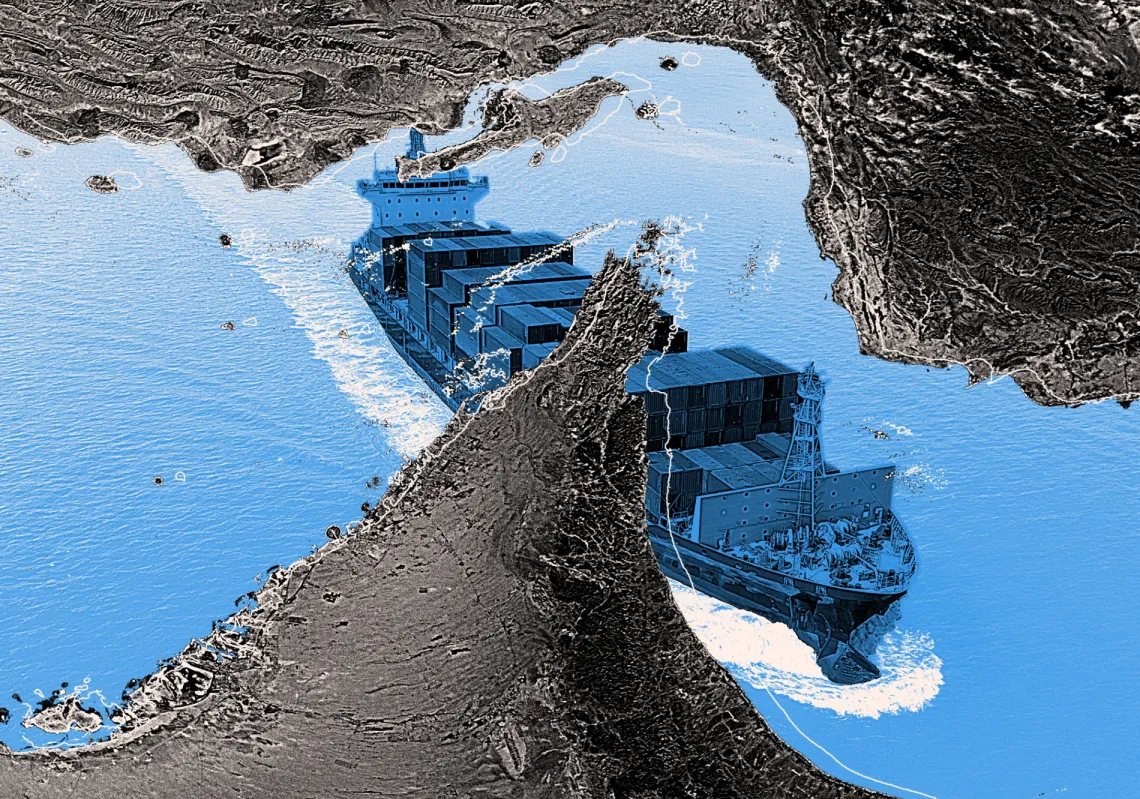
European gas prices have jumped by 30% after some big GCC oil and gas producers cut supplies, and now a vital maritime trade route is being threatened. The stakes have seldom been higher.
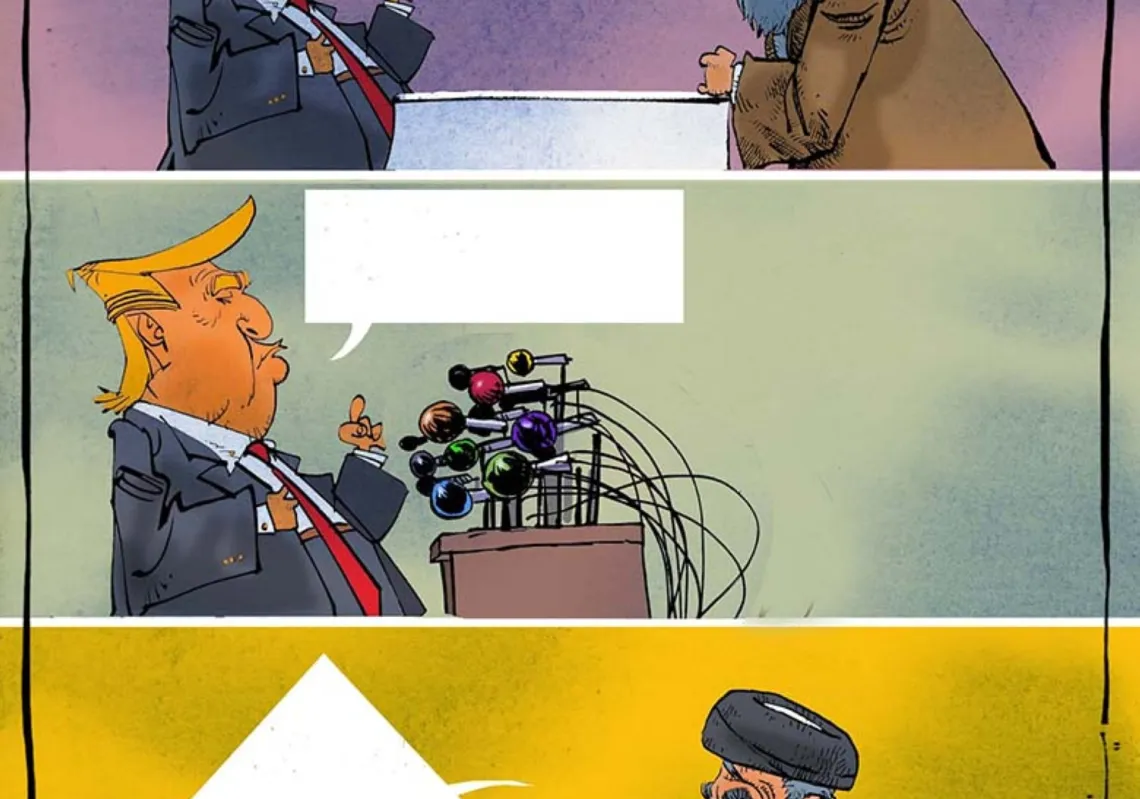
Military strategists have long warned that war should be waged only if those waging it know what they want to achieve. Herein lies a problem: Washington's war aims in Iran are incoherent.
Quick, in-and-out precision operations that inflict maximum damage with minimum US casualties have long been a favoured tool of US presidents. Is Trump planning one for Iran?
A drop in the price of crude these days is nowhere near as painful as it used to be, because most of the Gulf Cooperation Council states have diversified away from hydrocarbons
Many of the big regional energy producers retain strong credit ratings as they boost their borrowing. How the money is spent will determine the wisdom of each approach.
A US envoy wants the institutions of western Libya to accommodate the son of an eastern warlord as Libyan president. Is this another doomed effort to unite the feuding factions, or could it work?
As the FIFA World Cup 2026 shows, identity, belonging, and tension combine to make football fandom unlike any other sport. So, what is going on in fans' brains?
Beijing's duty-free access for African exports promises mutual economic gains, but more importantly, it deepens its strategic influence across the continent
