




A booming fintech sector, soaring non-oil credit, flexible regulation, new insurance products, more digital payments, and more support for smaller firms bodes well for Vision 2030 targets
More than $75bn of construction projects were awarded in Gulf states last year, with much more expected, but the cranes across Riyadh, Muscat, and Dubai are building more than just skylines.
Far from being a technicality, the militia that controls much of Yemen's west and north is using the rial and the physical expression of money to alter the state's identity.
The country has the chance to change direction, open up, and win the investment that would transform its natural and human resources into the economic engine needed. It just needs the will.
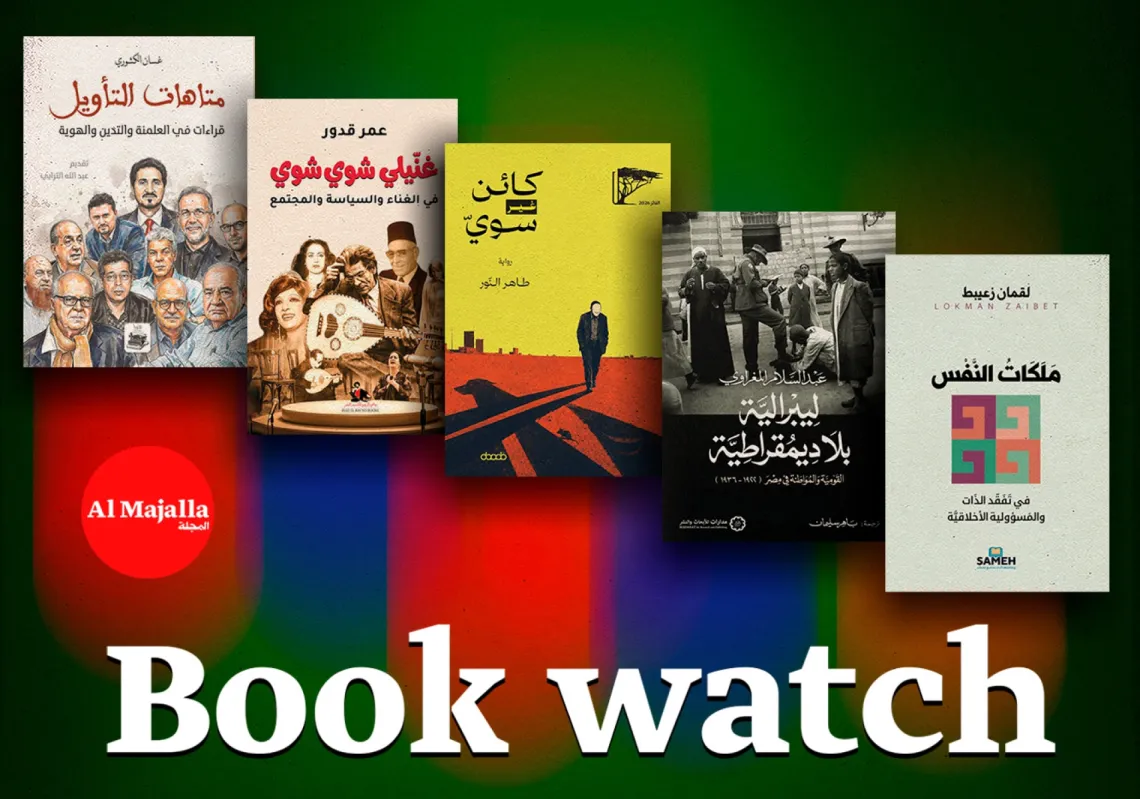
Saudi writers are rediscovering the Arabian Peninsula, not least the tensions and conflicts that emerged from the Bedouin way of life, shaped by its customs, traditions, and challenges.
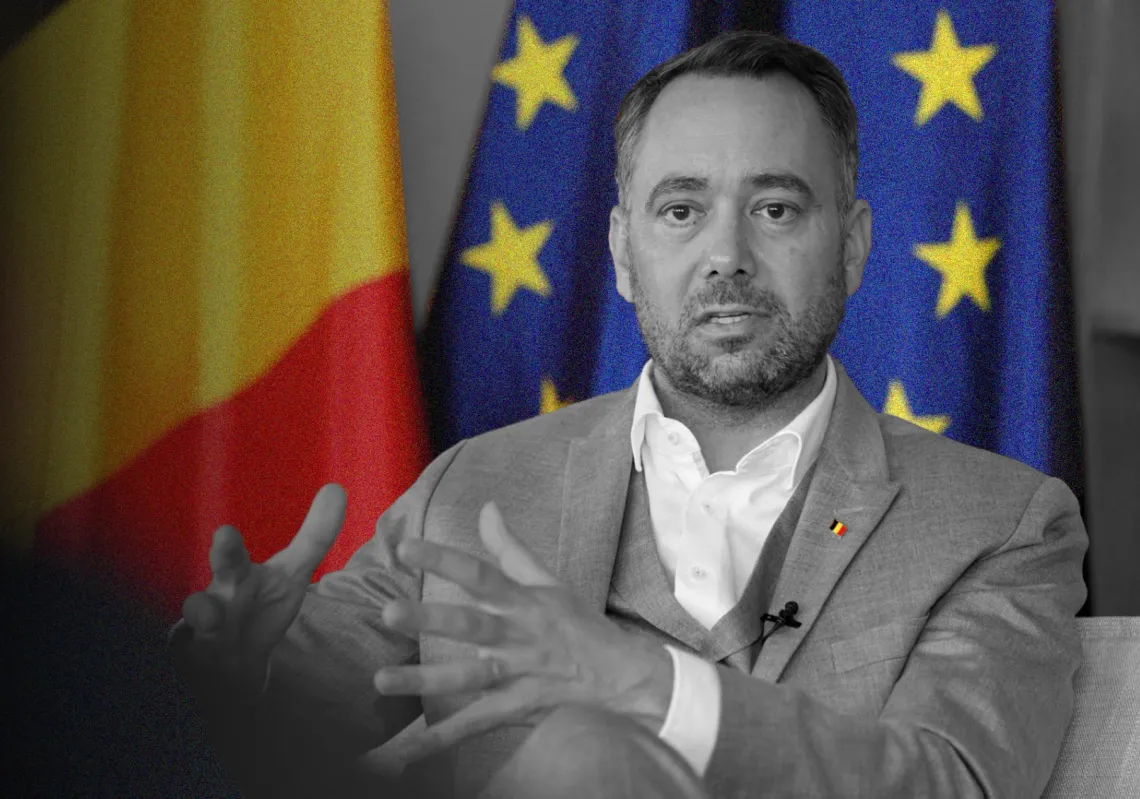
The seasoned British diplomat and barrister who, until recently, was the United Nations' Under-Secretary-General for Humanitarian Affairs, speaks to Al Majalla about the Middle East.
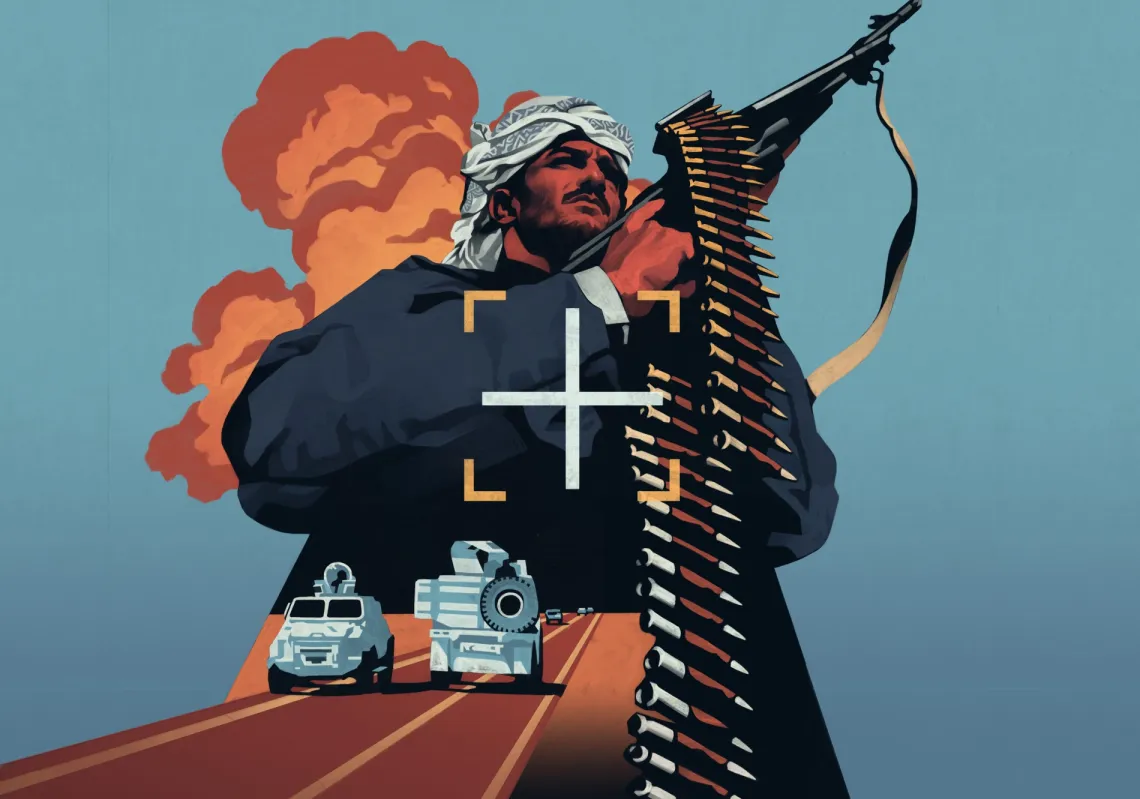
US President Donald Trump agreed a ceasefire in early May on the condition that the Houthis do not attack American ships. Good to their word, they are still attacking others, with no comeuppance.
The state is well-positioned to diversify its economy away from hydrocarbons and alter its tax system to ensure a fairer contribution from the population, but a change of culture may be needed first.
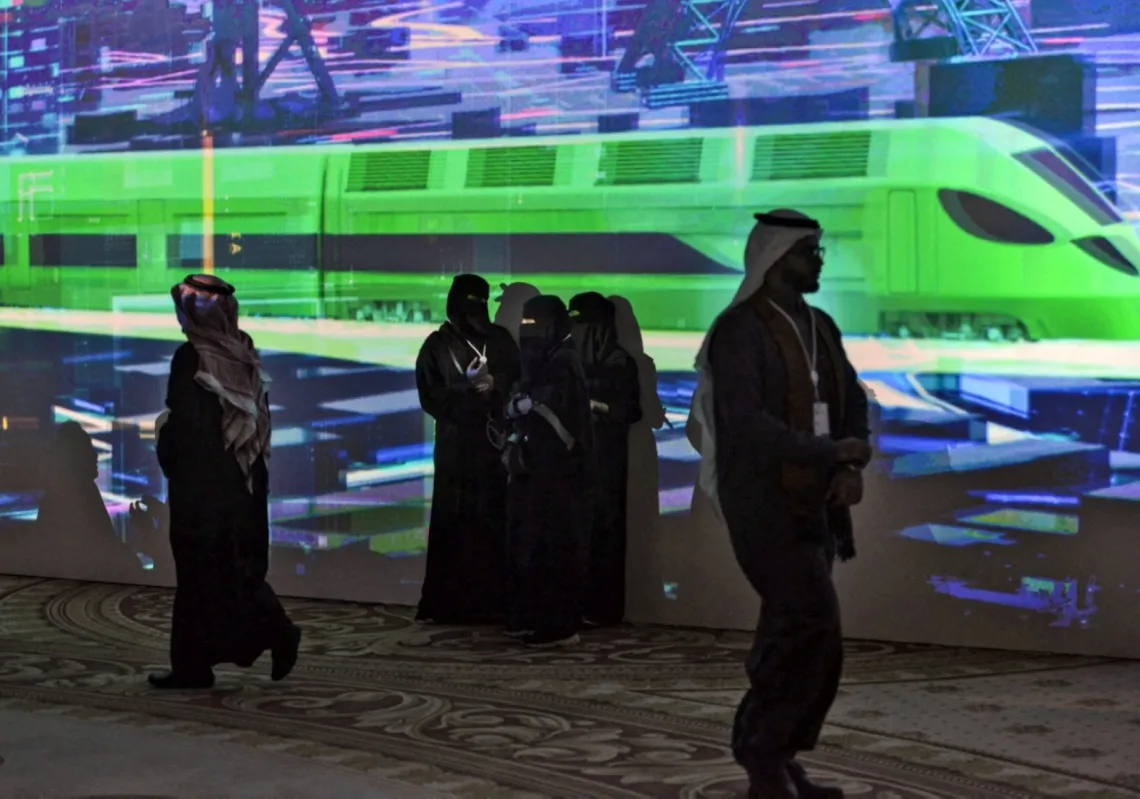
The Kingdom wants to become a global logistics hub bridging three continents, so it is upgrading and expanding its ports on both the Red Sea and the Arabian Gulf.
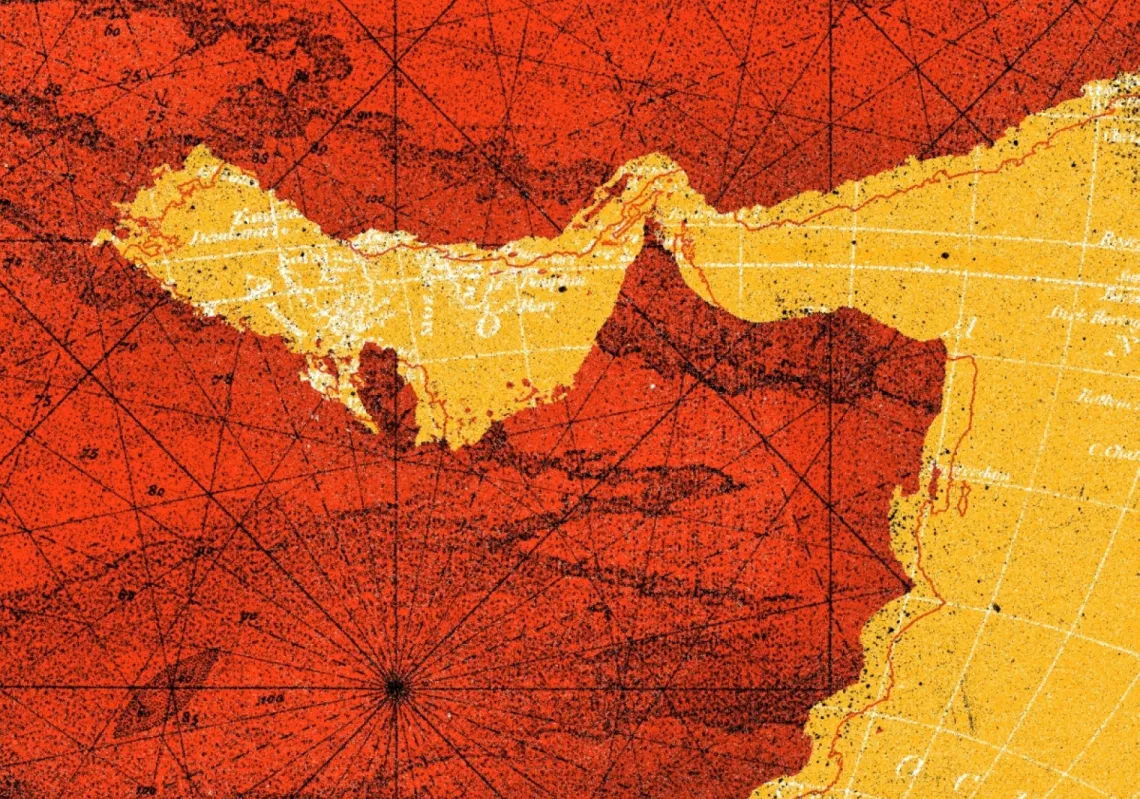
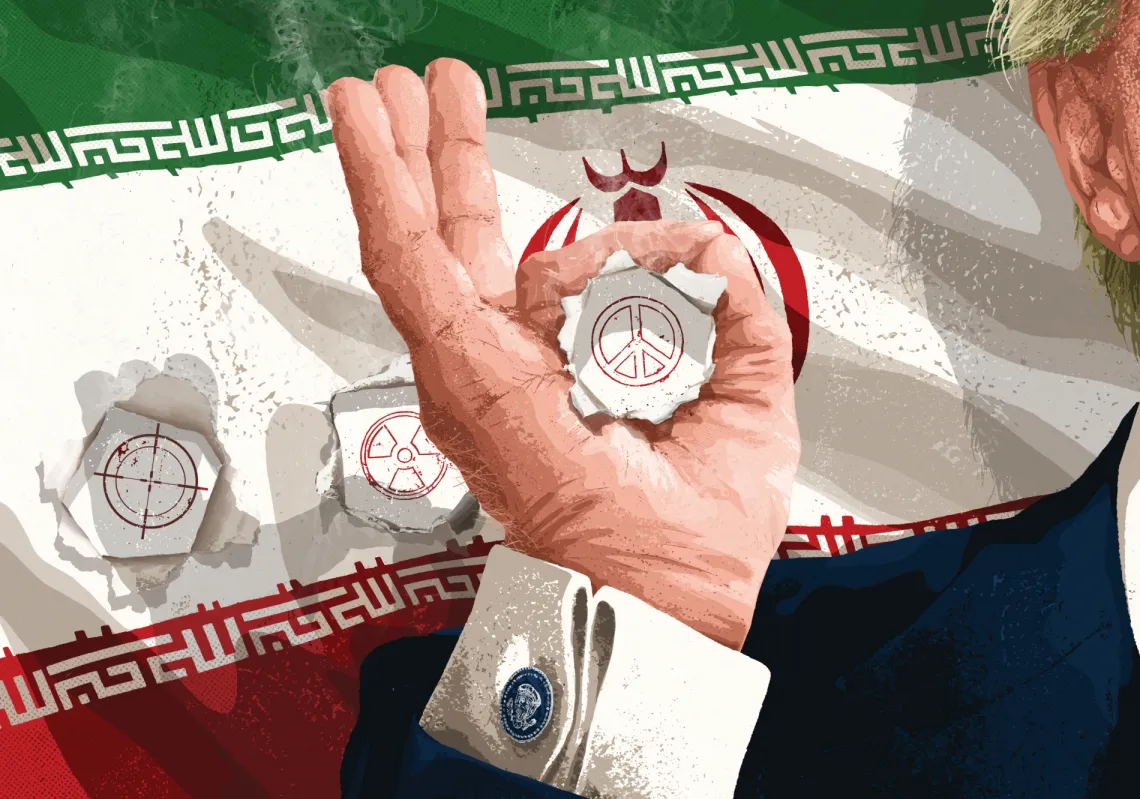
Iran's defeat at the hands of Israel has presented an opportunity for the likes of Saudi Arabia and the UAE to make sure it never rebuilds to the same threat level. That requires two things.
In an interview with Al Majalla, the prominent French jurist discusses Israeli and Western duplicity, their violation of international law, and why Israel bears the cost of Gaza's reconstruction
Tehran's elite have few friends, but regional states fear the consequences of a disorderly transition. If Iran's 92 million people turn on one another, it could cause millions to flee abroad.
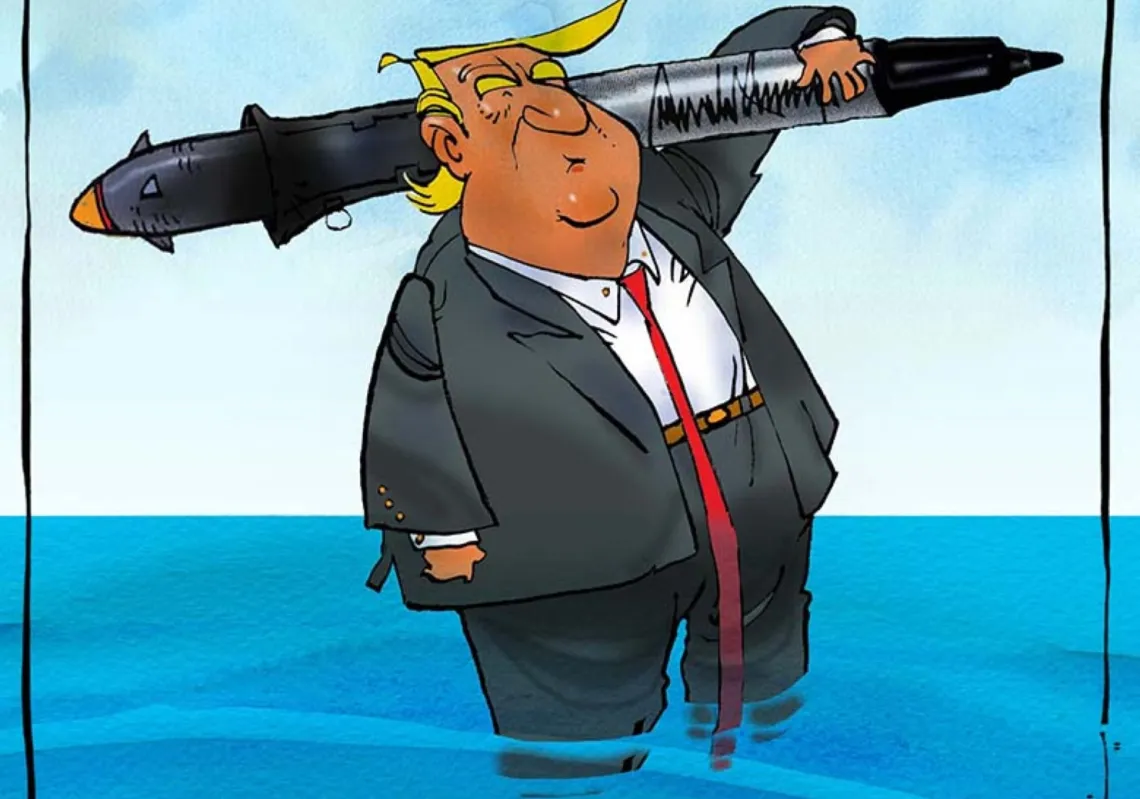
Going forward, the international community needs to reduce dependence on the US without upsetting the world's largest military and economic power. It will be a shaky tightrope to walk.
Scrapping foreign ownership caps and qualifying criteria will bring in more capital, with markets reacting positively to the latest reforms that build towards a more open country
