The deal is an opportunity to build trust between the two countries until it leads to a favourable regional climate that will have positive knock-on effects in Yemen and other troubled states
Power dynamics in Middle East are shifting. After Saudi Arabia's moves to normalise relations with Iran, Syria has choices to make over differing efforts to bring it out of isolation.
From multi-billion dollar contracts to boost port capacity to new shipping lines and logistical parks, maritime transport is at the forefront of Vision 2030 plans to transform the Kingdom's economy
Countries such as Lebanon, Syria, Egypt, Tunisia, and Morocco have been traditional magnets for tourists in the region, but now GCC countries are becoming rising competitors
The importance of fully examining structural history above and below ground cannot be overstated and preservation efforts are urgently needed in Khaybar to protect what is there
Three factors that limit optimism over the deal are Iran's radicals, China's unwillingness to play a more significant security role in the region and Israel's fear over Iran's nuclear programme
With significant and deepening interests in the Middle East, Beijing's growing role in geopolitics is reshaping both the region and China's reputation in global diplomacy, first via Riyadh and Tehran
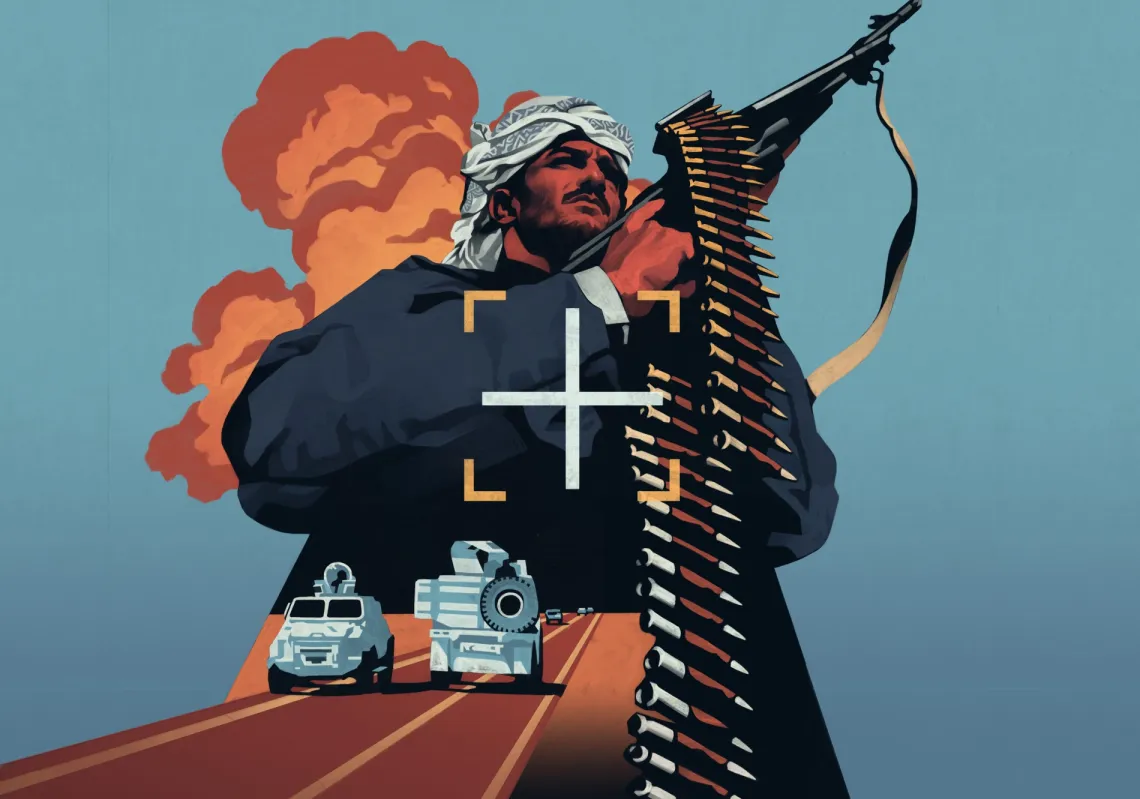
From military spending to energy markets, the US-Israeli war on Iran is driving rising costs, with the Strait of Hormuz emerging as a central pressure point
Until fairly recently, most Americans sided with Israel. These days, most side with the Palestinians. That will eventually influence US foreign policy.
Any disruption in the Hormuz has cascading knock-on effects that extend far beyond energy markets, impacting international trade. Al Majalla explores all this and more.
Al Majalla - London
Sign up for the Weekly Newsletter
Get the best of Al Majalla, straight to your inbox.