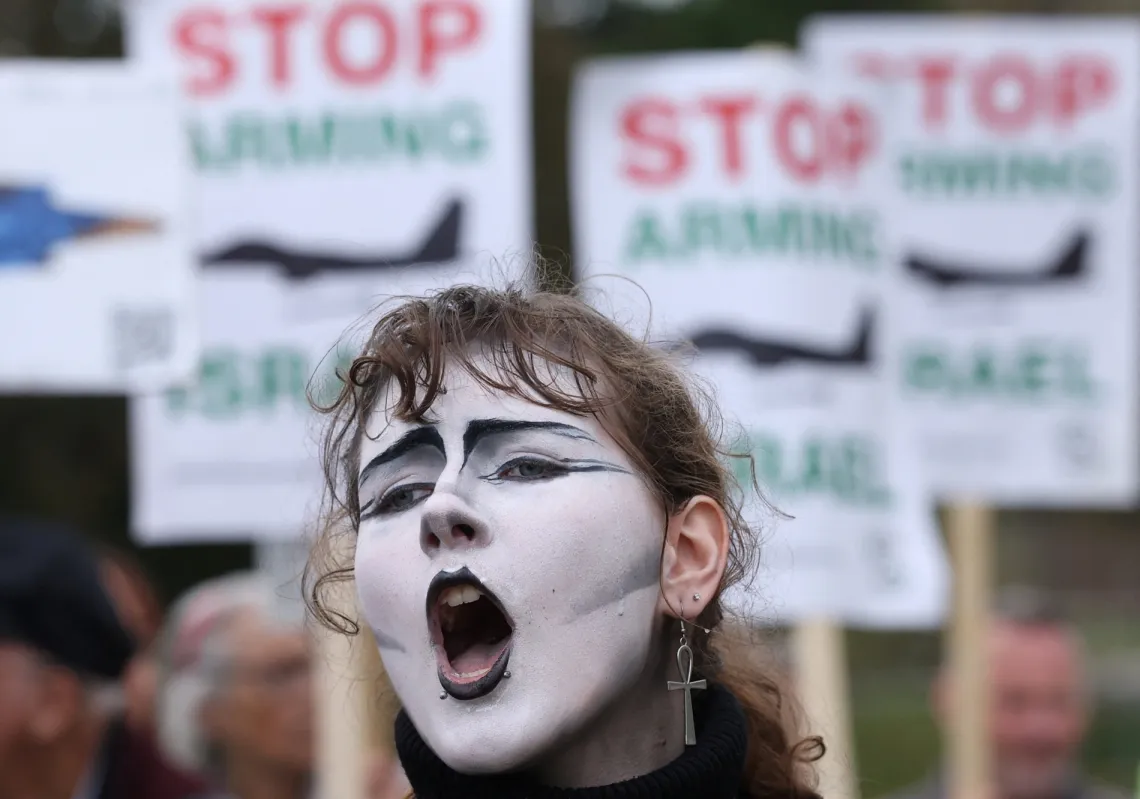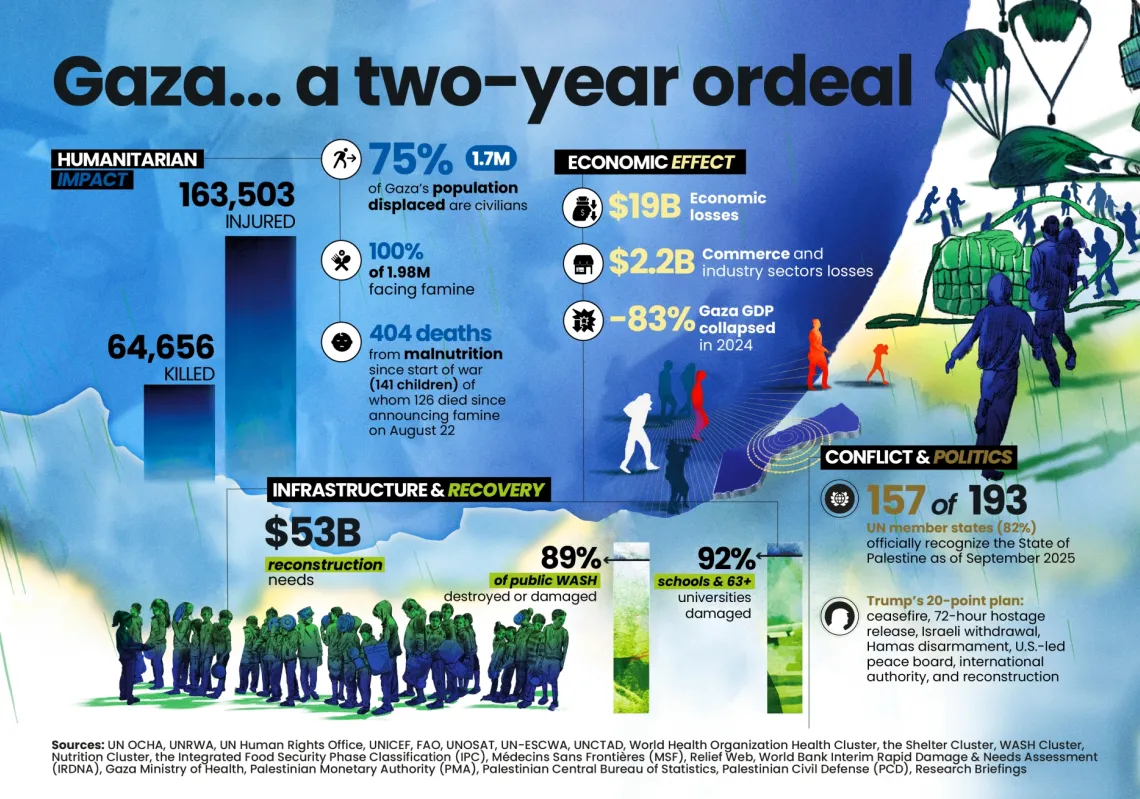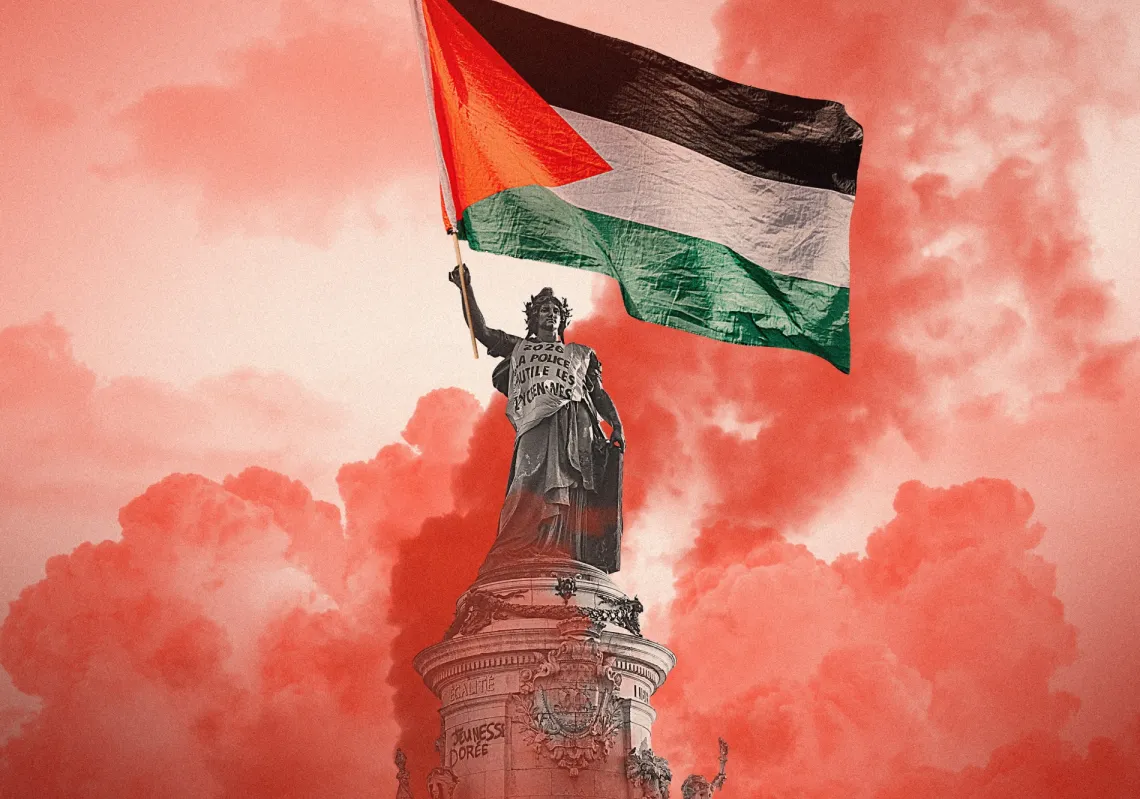
For nearly two years, protests around the world calling for an end to Israel's war on Gaza haven't fizzled out, but grown. Their geographic reach and longevity appear to have no precedent in history.
Palestinians do not have the luxury of time. The prospect of their state is vanishing before their very eyes. What will next week's UN General Assembly bring?
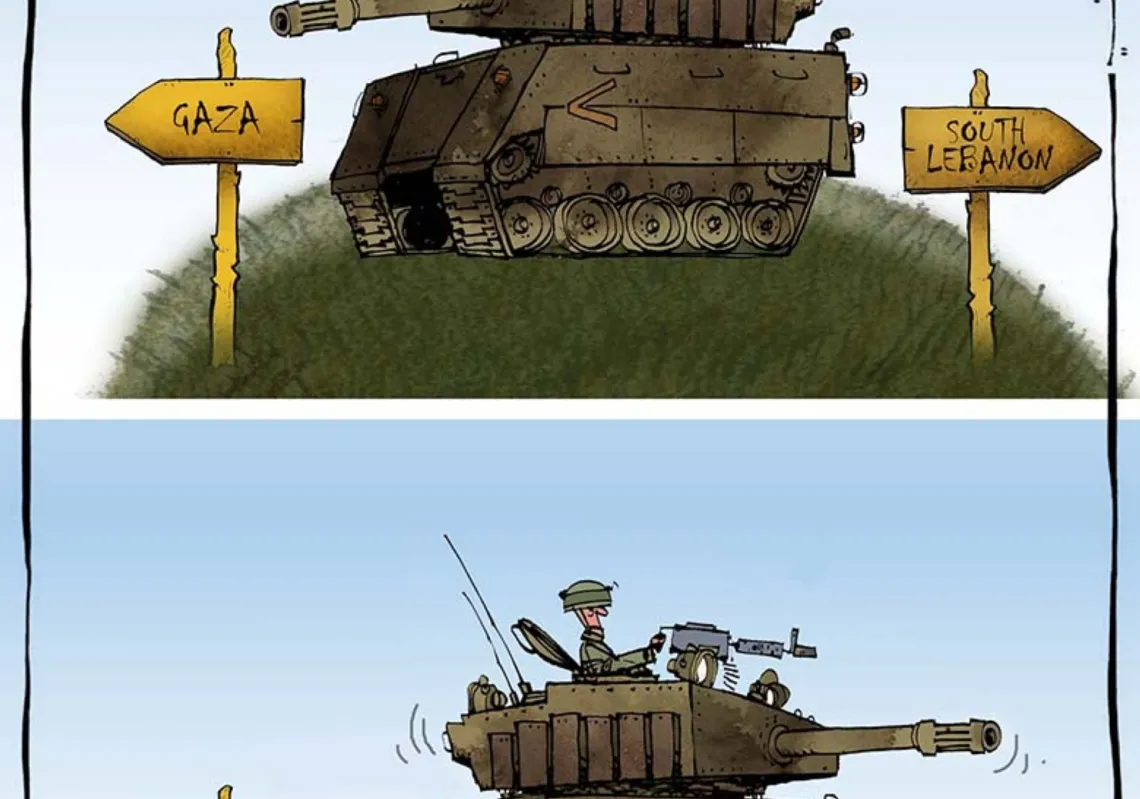
Apart from its ongoing genocide in Gaza, Israel has, this week, attacked Syria, Lebanon, Tunisia and, most shockingly, Qatar—a staunch US ally. But in Yemen, it's been especially brutal.
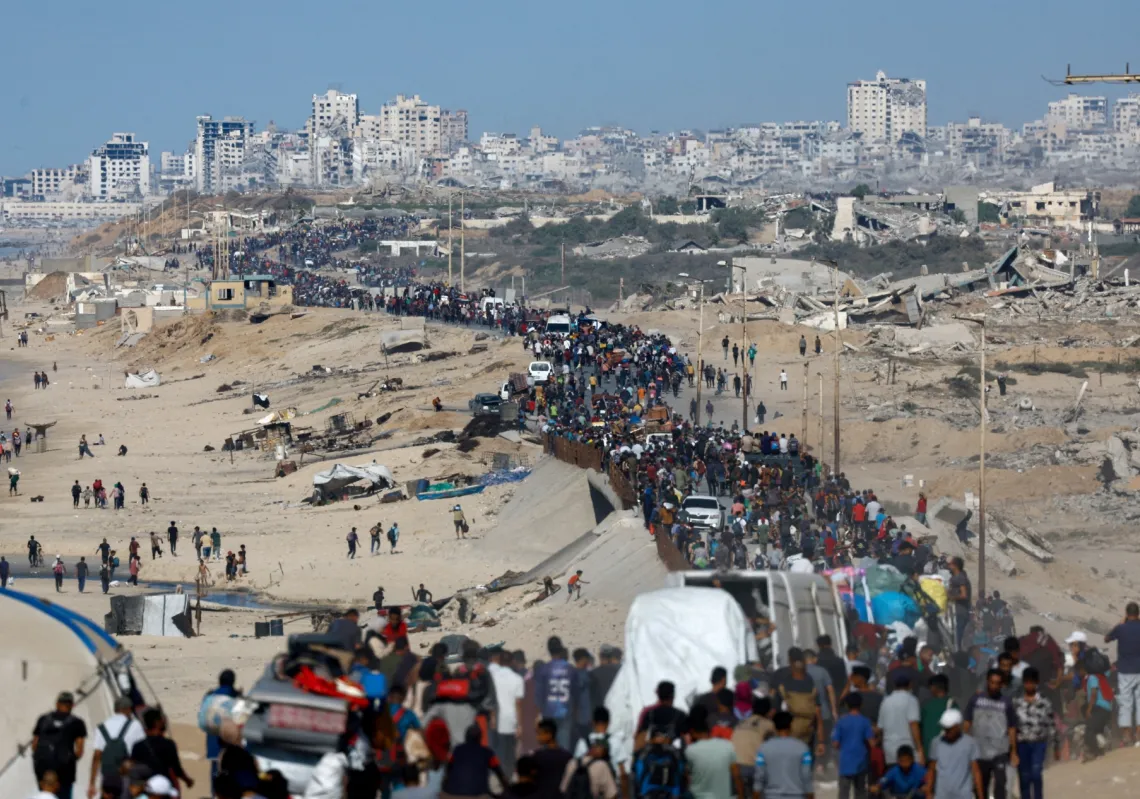
Vast areas of the Strip are being flattened. Even trees are being destroyed, lest a Palestinian hide behind them. Increasingly, explosive-laden vehicles are being sent to do the damage.
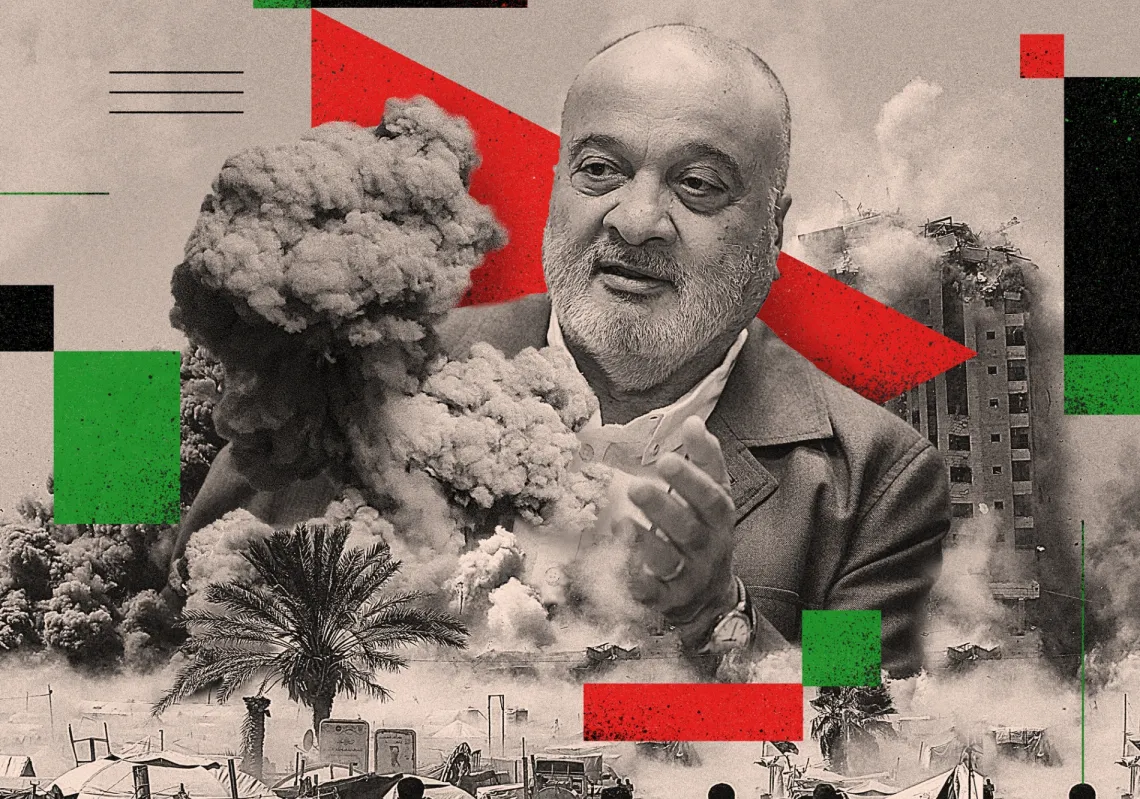
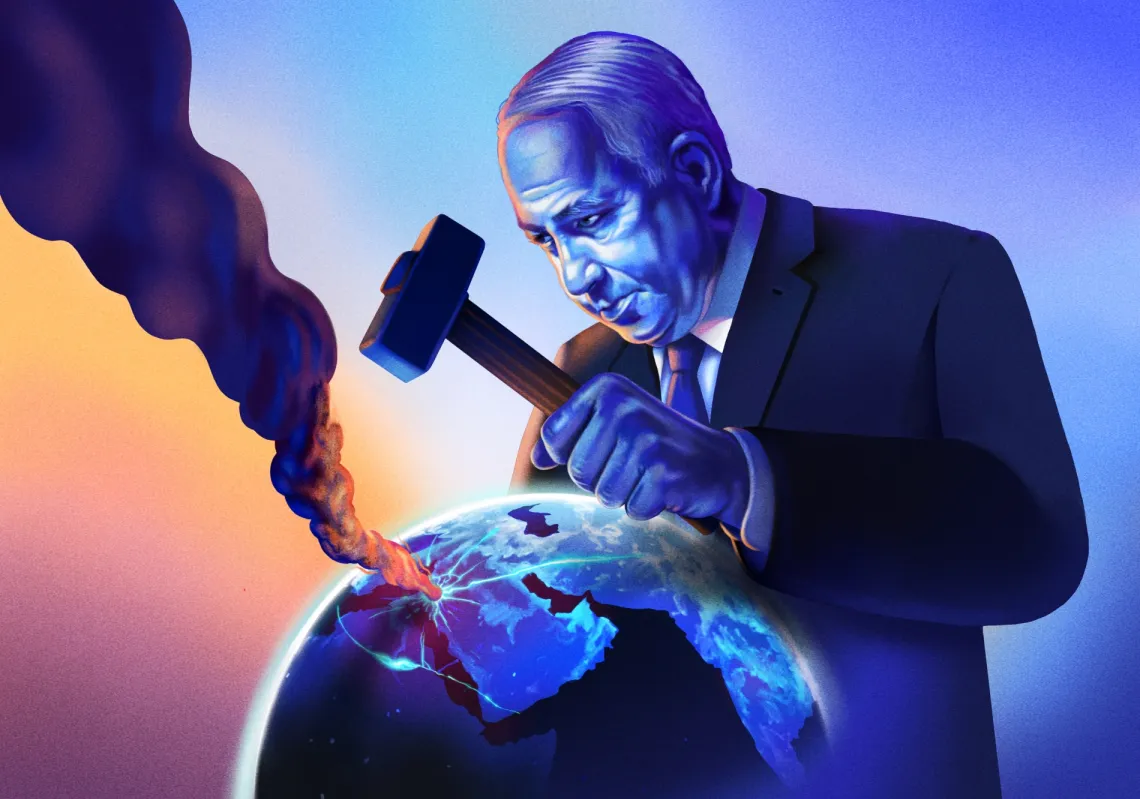
His emerging strategy shows a willingness to gamble on high-profile assassinations, even at the expense of diplomatic blowback, regional stability, and fragile negotiations
Doha says it will keep up its efforts to secure a ceasefire in Gaza, despite Israel's targeting of Hamas leaders on its soil, but some are doubtful. But is peace even possible at this point?
The White House moved quickly to distance itself from the attack on a key ally in the region, but it's unclear whether the trust can ever be repaired, which bodes badly for hopes of a Gaza ceasefire
The standoff in the Hormuz is not simply a question of whether Tehran can survive economic pressure, but whether Washington can sustain the pressure at an acceptable cost.
The Strait of Hormuz is now poised to become the primary arena of confrontation, with Iran relying on speedboat-driven guerrilla warfare to confront the US navy.
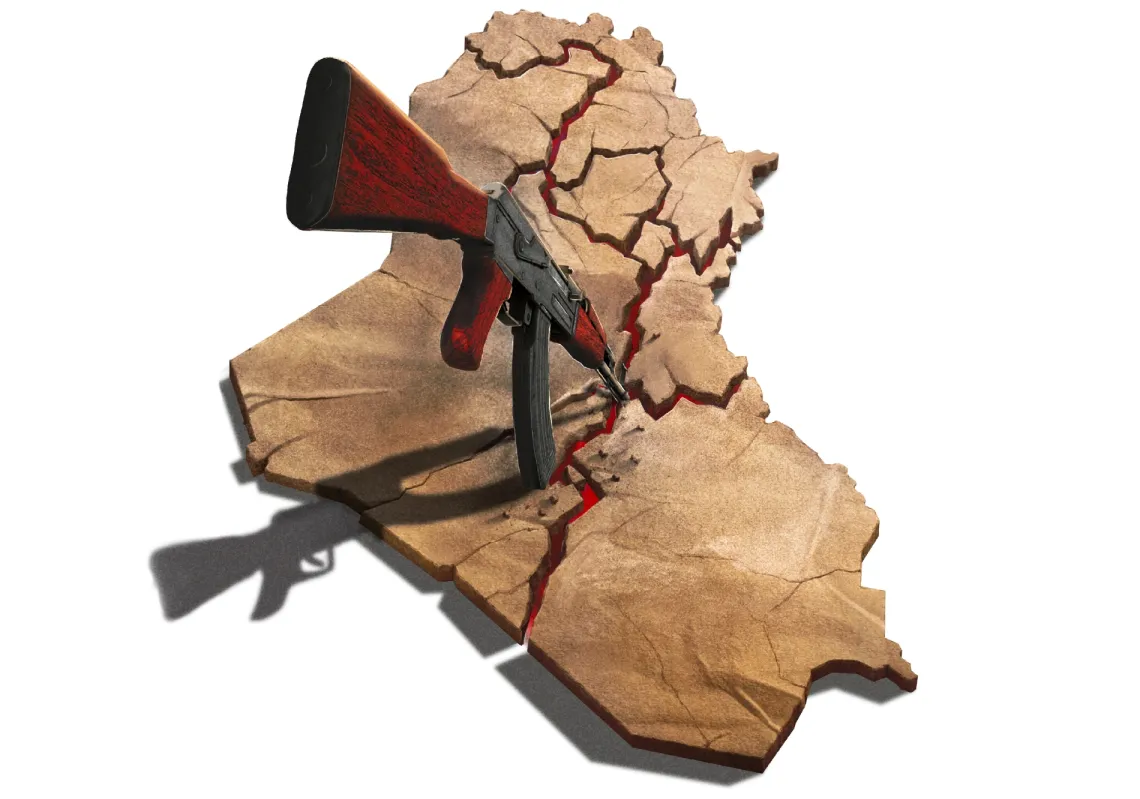
Former regime soldiers are stuck in limbo, as their undocumented status prevents them from working, travelling, and curbs family members' access to education, healthcare and social services