

Economic blockades have long served as instruments of coercion, deliberately positioned in the grey zone between diplomacy and war. They have been used throughout history as a pressure tactic to force the enemy to make concessions at the negotiating table. This could be what Trump hopes to achieve by imposing a naval blockade on Iran, which continues to exercise control over what ships can enter and exit the Strait of Hormuz.

Blockading the blockade: Trump tightens his chokehold on Iran is this week’s cover story. In it, we examine the political and economic repercussions of the US naval blockade on Iran and whether such a strategy is sustainable amid Iran’s proven ability to withstand US pressure tactics.

The Portfolio Model of Foreign Assistance

[caption id="attachment_55254345" align="aligncenter" width="900"] A young boy rests by empty USAID vegetable oil tins in the Dagahaley refugee camp which makes up part of the giant Dadaab refugee…

Majalla

Will Iran Become the Next North Korea?

[caption id="attachment_55254300" align="aligncenter" width="900"] A picture taken on August 20, 2010 shows an Iranian flag fluttering at an undisclosed location in the Islamic republic next to a…

Majalla

Will al Qaeda Make a Comeback?

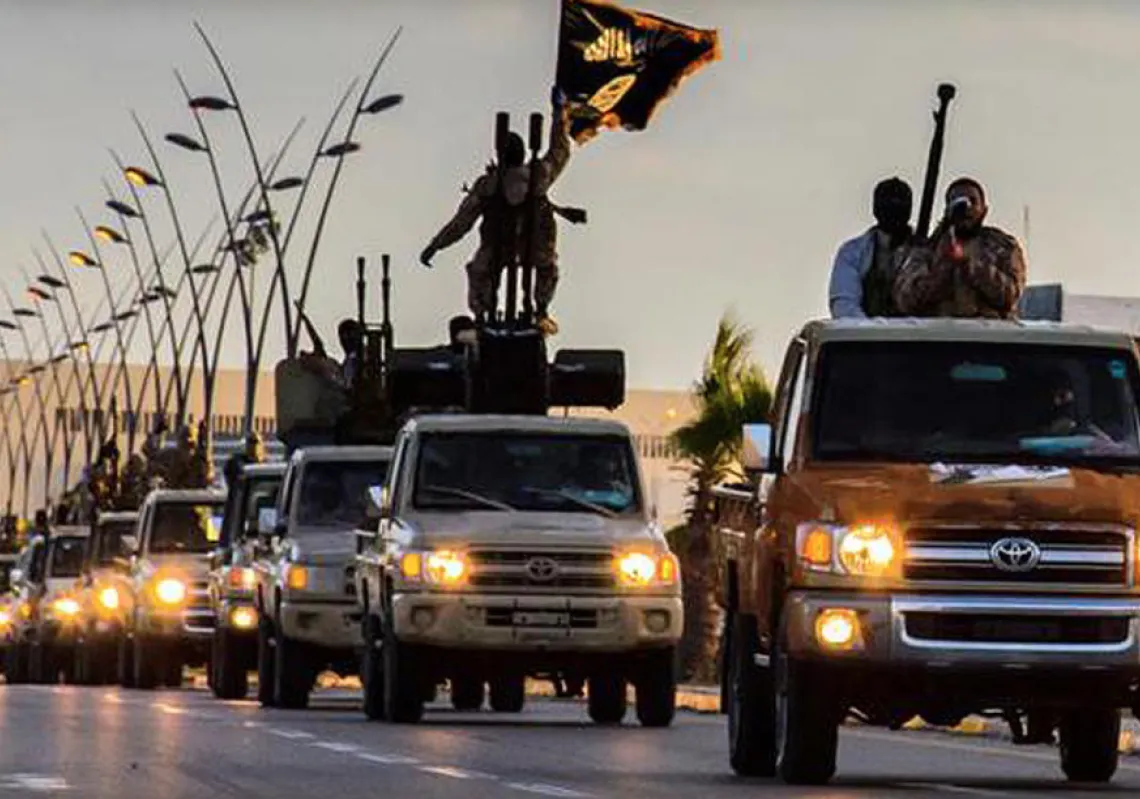
[caption id="attachment_55254295" align="aligncenter" width="900"] Fighters from Al-Qaeda's Syrian affiliate Al-Nusra Front drive in the northern Syrian city of Aleppo flying Islamist flags as they…

Majalla

President Trump’s Syria Conundrum

[caption id="attachment_55254291" align="aligncenter" width="900"] US President Donald Trump and Russia's President Vladimir Putin shake hands during a meeting on the sidelines of the G20 Summit in…

Majalla

Siemens’ Crimea Scandal

[caption id="attachment_55254232" align="aligncenter" width="900"] A man looks at electricity supply meters at a house in Simferopol on November 22, 2015. Crimea declared a state of emergency on…

Maia Otarashvili