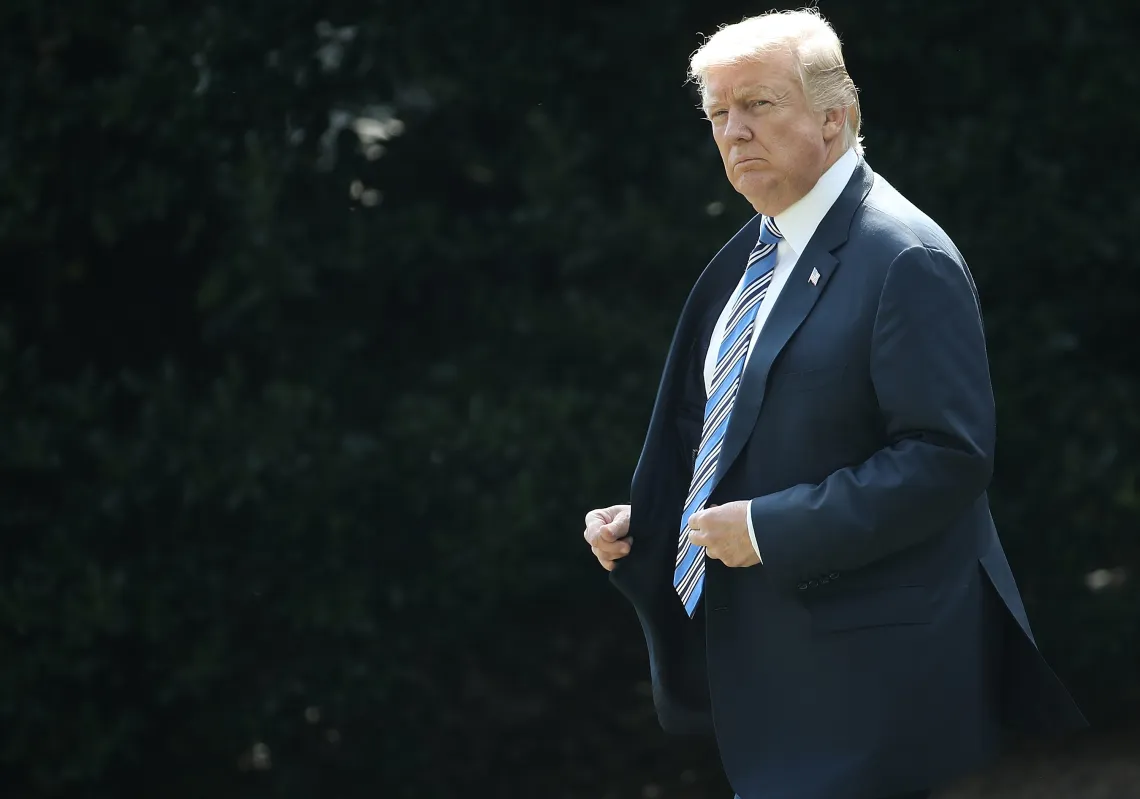


Economic blockades have long served as instruments of coercion, deliberately positioned in the grey zone between diplomacy and war. They have been used throughout history as a pressure tactic to force the enemy to make concessions at the negotiating table. This could be what Trump hopes to achieve by imposing a naval blockade on Iran, which continues to exercise control over what ships can enter and exit the Strait of Hormuz.

Blockading the blockade: Trump tightens his chokehold on Iran is this week’s cover story. In it, we examine the political and economic repercussions of the US naval blockade on Iran and whether such a strategy is sustainable amid Iran’s proven ability to withstand US pressure tactics.

Is Turkey Turning Into a Mafia State?

[caption id="attachment_55255002" align="aligncenter" width="3500"] Turkey's President Recep Tayyip Erdogan (C) arrives to attend a ceremony marking the 79th death anniversary of Mustafa Kemal…

Majalla

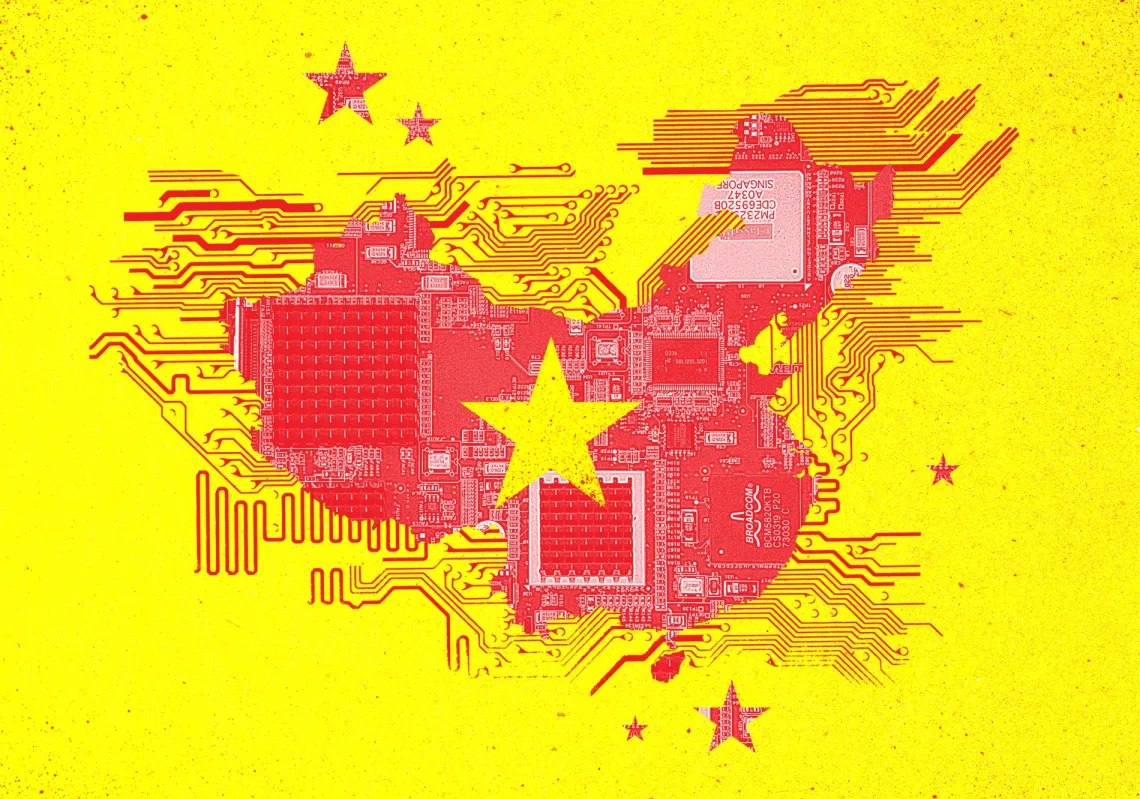
Artificial Intelligence and Chinese Power

[caption id="attachment_55254998" align="aligncenter" width="3000"] Security guard walk past the Chinese national flag at the Military Museum of Chinese People's Revolution on March 1, 2008 in…

Majalla

The New Language of European Populism

[caption id="attachment_55254993" align="aligncenter" width="4563"] Austrian citizens and asylum seekers march past a poster for Norbert Hofer’s his presidential campaign which includes the phrase …

Majalla

Even Smarter Sanctions

[caption id="attachment_55254957" align="aligncenter" width="4340"] U.S. Ambassador to the UN Nikki Haley is seen voting in favor of new sanctions during the Security Council meeting. (Getty)[…

Majalla

Deterring Cyberattacks

[caption id="attachment_55254972" align="aligncenter" width="4957"] A picture taken on October 17, 2016 shows an employee walking behind a glass wall with machine coding symbols at the headquarters…

Majalla