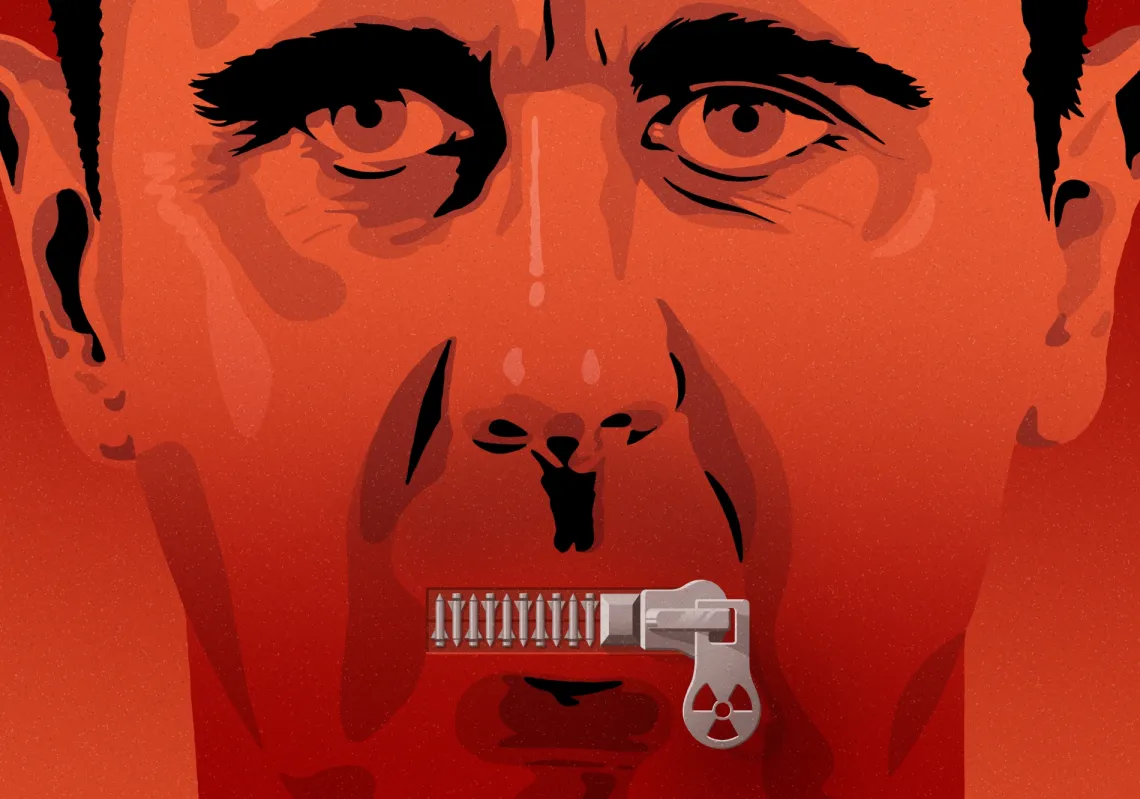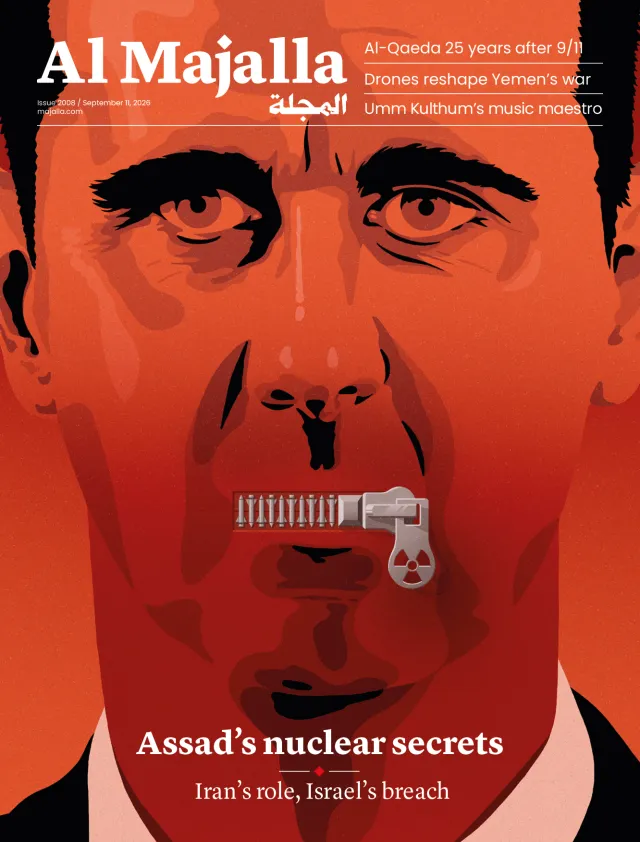


Al Majalla chose Bashar al-Assad’s nuclear programme as this week's cover story following reports issued by the International Atomic Energy Agency in early September, which revealed that the project was much more extensive than previously believed.This investigation traces the hidden history of the former Syrian president's nuclear ambitions, while shedding light on the roles played by North Korea and Iran, the depth of Israel’s penetration into the most guarded leadership circles, the destruction of the al-Kibar reactor in 2007, and the 2008 assassination of Brigadier General Mohammed Suleiman—one of the senior officials entrusted with Syria’s most sensitive strategic weapons programmes.