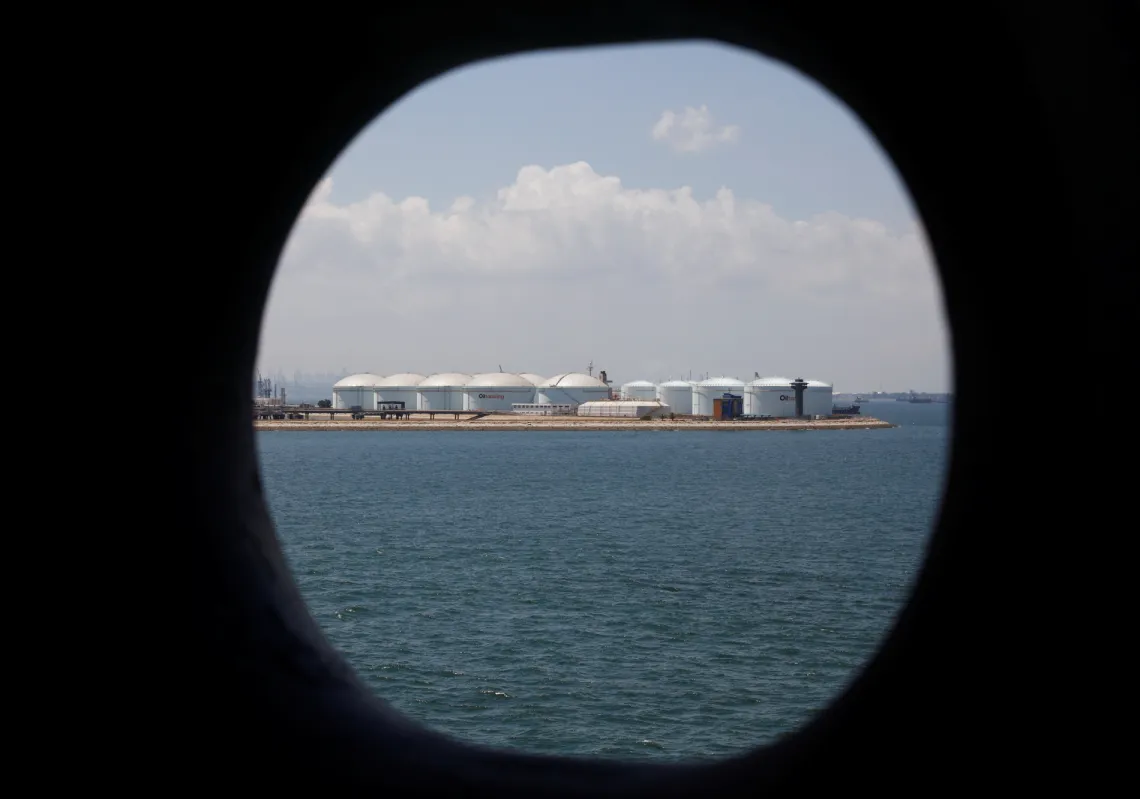


On the night of 17 July 2026, an Iranian missile attack hit buildings housing American troops at Muwaffaq Salti Air Base in Jordan, killing three US service members and damaging at least 19 buildings in the vicinity, according to satellite imagery.
The attack was part of an ongoing kinetic confrontation with Iran that began when the US attacked it on 28 February along with Israel, killing Iran's Supreme Leader Ali Khamenei and several members of Iran's top-tier leadership. It showed how vulnerable US bases had become in a region put there to project American power.
As the war dragged on, costs piled up. By 16 October, cost estimates reached $47.1bn, with damage to bases adding an additional $5bn price tag. One source cited by The Wall Street Journal suggested that figure could reach $15bn.
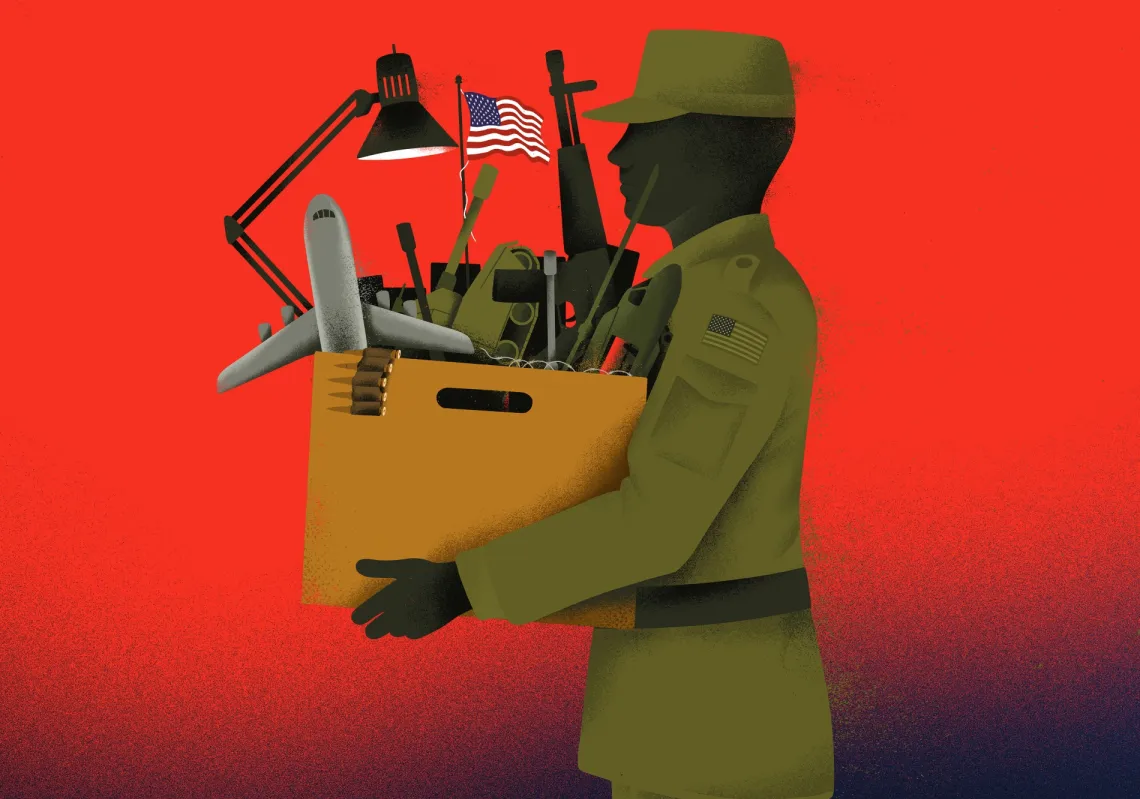
The rising cost of the war, coupled with the increasing vulnerability of US military bases and installations across the region, has revived a question that has long hung over the Gulf for years. Is America leaving? And what kind of security architecture is best suited to replace it?
Read Bilal Saab's contribution to this week's cover story: A US Middle East posture that makes strategic sense
While a decision to completely withdraw US forces from the Gulf has yet to be made, Washington is said to be mulling troop relocation and reduction. An October report by the International Institute for Strategic Studies said US military presence in the Middle East is likely to shift towards the Eastern Mediterranean, warning that allies and adversaries alike would interpret this move as proof of a weakening US commitment to Gulf security.
And in a September podcast interview with The Christian Science Monitor, former CIA director and CENTCOM commander David Petraeus said American bases in the region were "no longer viable". For her part, Jennifer Kavanagh, director of military analysis at Defence Priorities, proposes closing American bases in Bahrain, the United Arab Emirates, Saudi Arabia, Qatar, and Kuwait, while retaining access arrangements and rotational deployments and using facilities in Jordan and Oman.
Gulf security researcher Kristian Alexander argues in a September study published by the Stimson Centre that the best approach would be a dispersed network of bases, retaining key hubs supported by smaller facilities and rotational deployments.
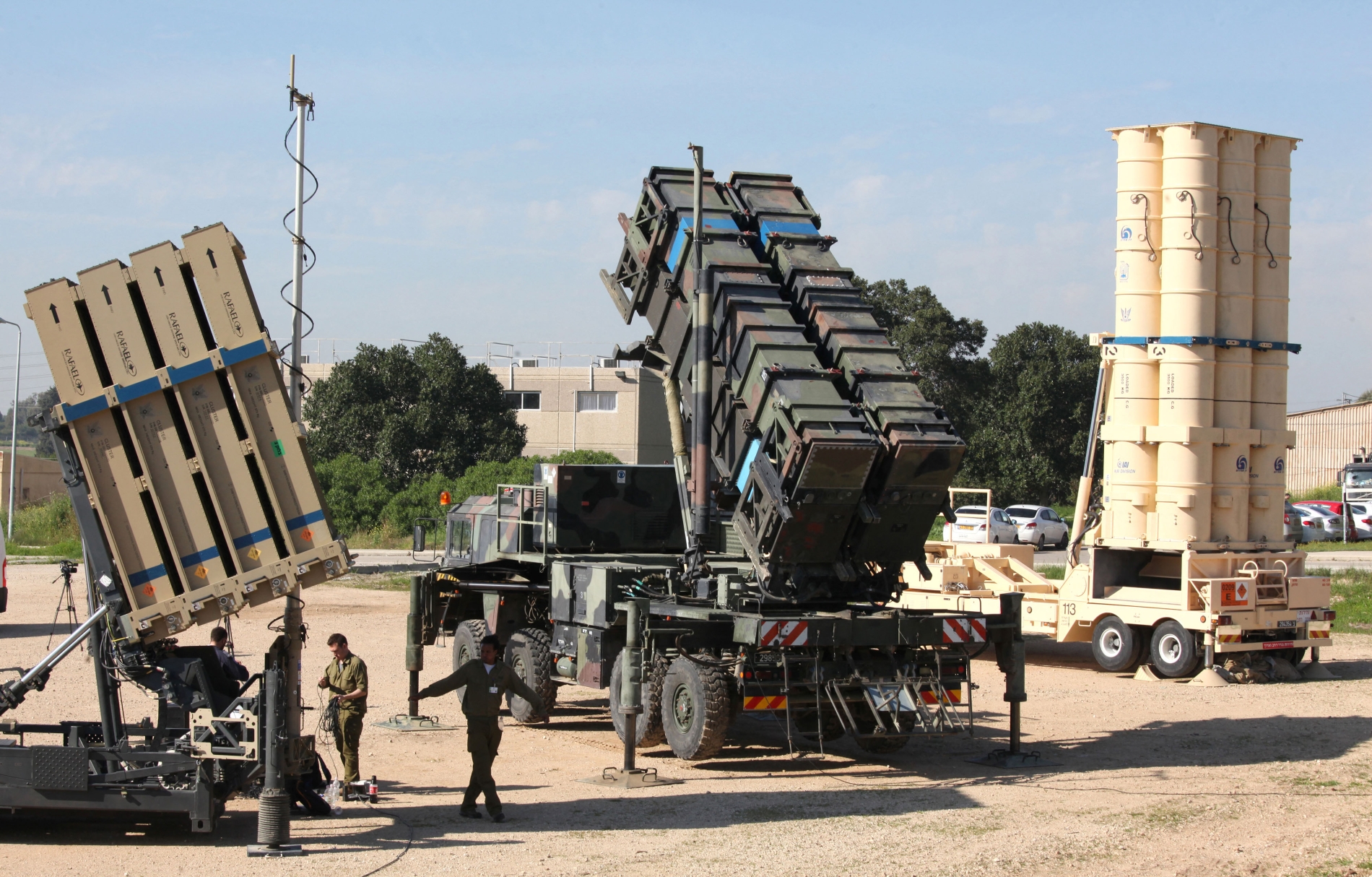
Jonathan Ruhe, a researcher at the Jewish Institute for National Security of America, known as JINSA, advocates relocating American military assets and missions to Israel. His argument focuses on Ovda Air Base, its infrastructure capable of accommodating US aircraft, its multilayered defences and the ease of operational cooperation. The institute has also documented the deployment of US fighter aircraft there before the war.
Because Israel's infrastructure lies farther from Iran than Gulf bases near the Iranian coast, he argues this makes it a better location to be a centre for air operations, logistical support and intelligence. But Israel is still within the range of Iranian missiles. And while greater distance from Iran may improve some aspects of defence, it doesn't make it immune from attack. The same logic applies if US bases shift to the Eastern Mediterranean.
The US has three general options going forward. The first and riskiest option would be to rebuild key bases while reducing exposed troop concentrations and improving fortifications and protection. These installations would still be vulnerable to attack, but would preserve the ability to respond quickly and stay close to operational theatres.
The second option is to spread American forces across a wider network encompassing selected Gulf installations, Jordan, Israel and the Eastern Mediterranean, with more distant supply depots and logistical support facilities. This would reduce dependence on any single installation. But a wider network requires political agreements allowing those facilities to be used during a crisis and also drives up transport, maintenance, and communications costs. If troop numbers are cut faster than these alternatives can be established, redeployment could result in a genuine loss of operational capability.
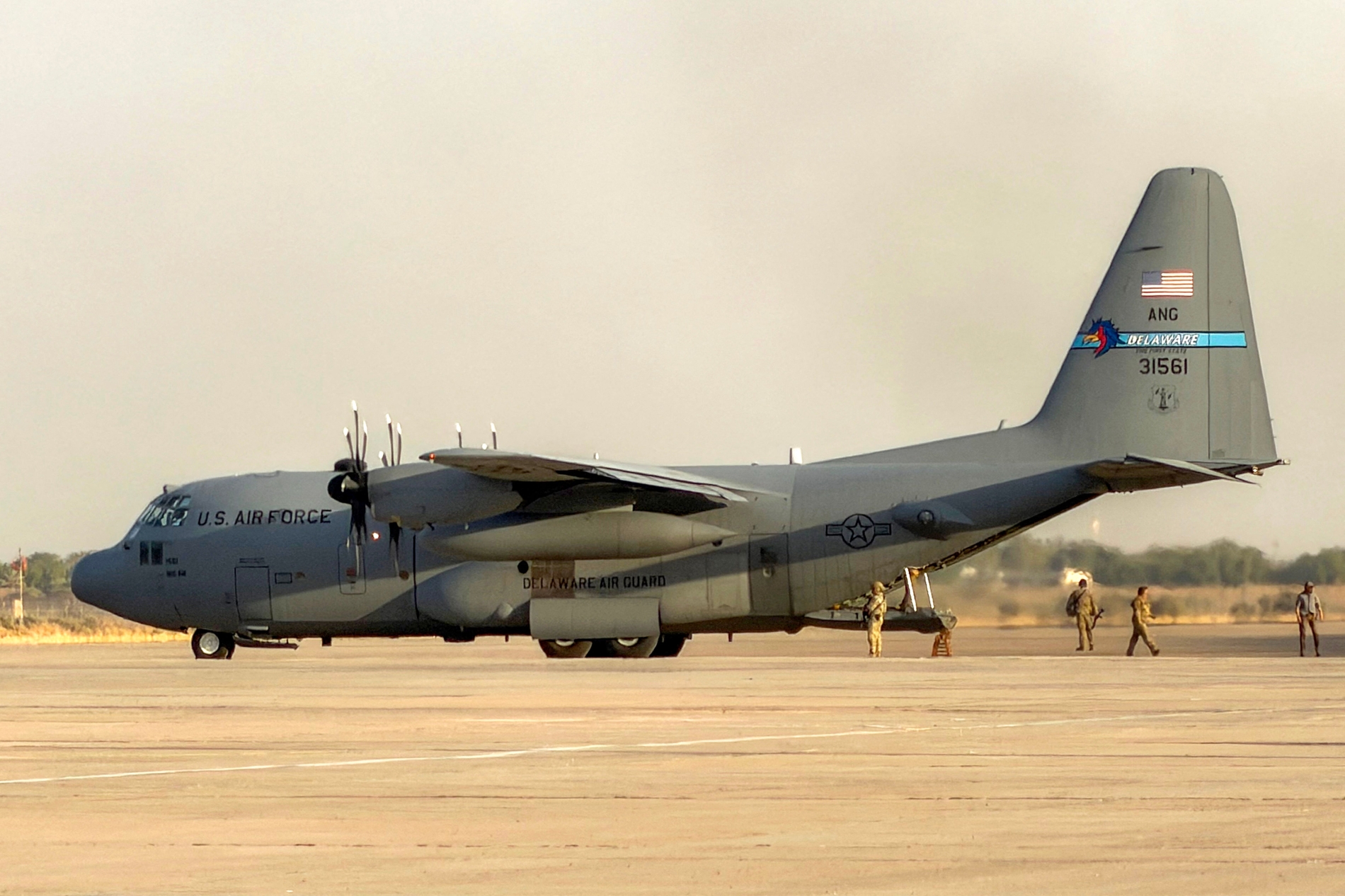
The third option, with the most far-reaching political implications, would be to substantially reduce permanent deployments and rely more heavily on naval forces, long-range aviation, and reinforcements when needed. While this would leave fewer permanently stationed troops exposed to attack, the effectiveness of the US presence would diminish.
For their part, Gulf states are not only concerned about the fate of American bases on their soil, but more about Washington's diminishing ability to keep these countries secure. Even if the US provides weapons, intelligence, connectivity and reinforcements, Gulf states are coming to the realisation that they may have to assume greater responsibility for defending their own territory going forward.