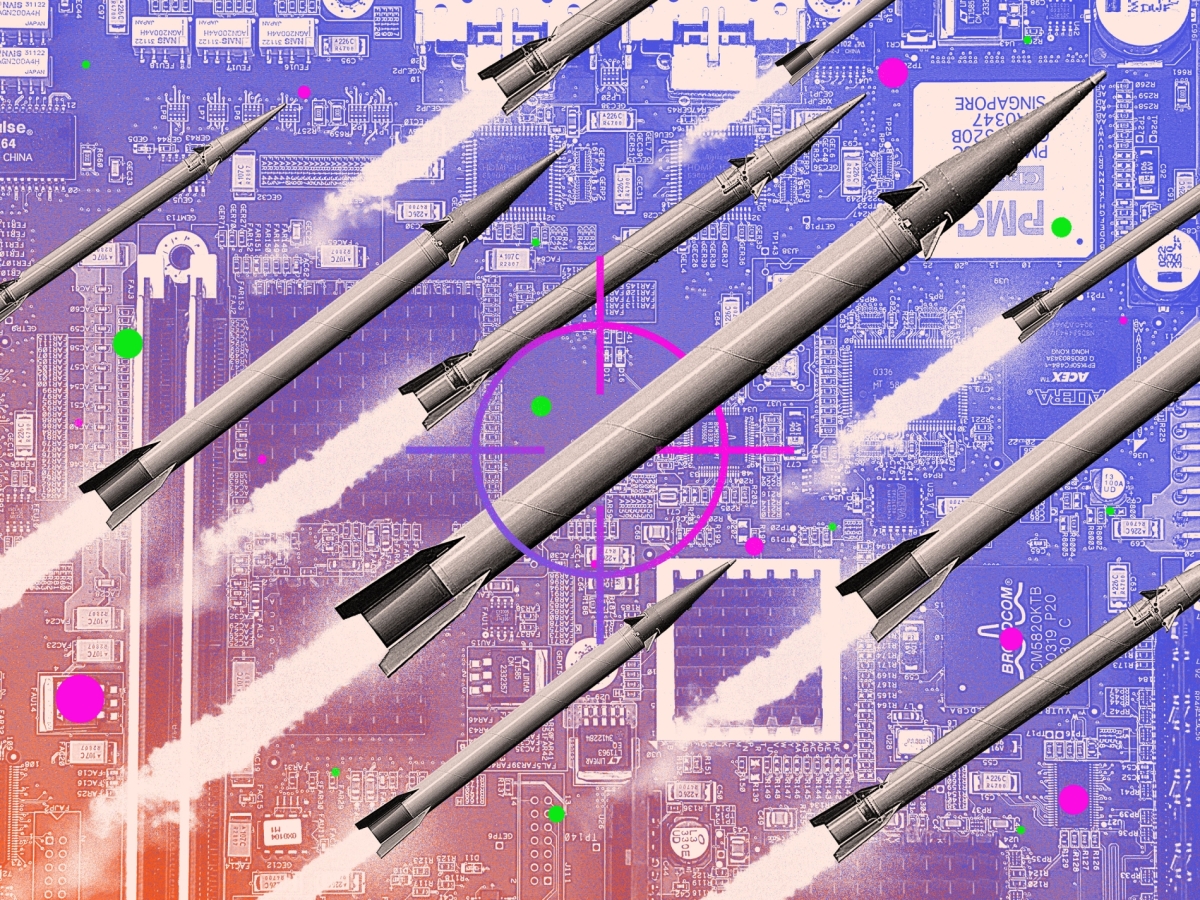

Generative AI gives anyone access to specialised technical knowledge across domains, from building missile control programmes to simulations and cyber warfare. Technology has made it easier for anyone to access military know-how, triggering a policy debate on how to constrain non-state actors in the digital space.
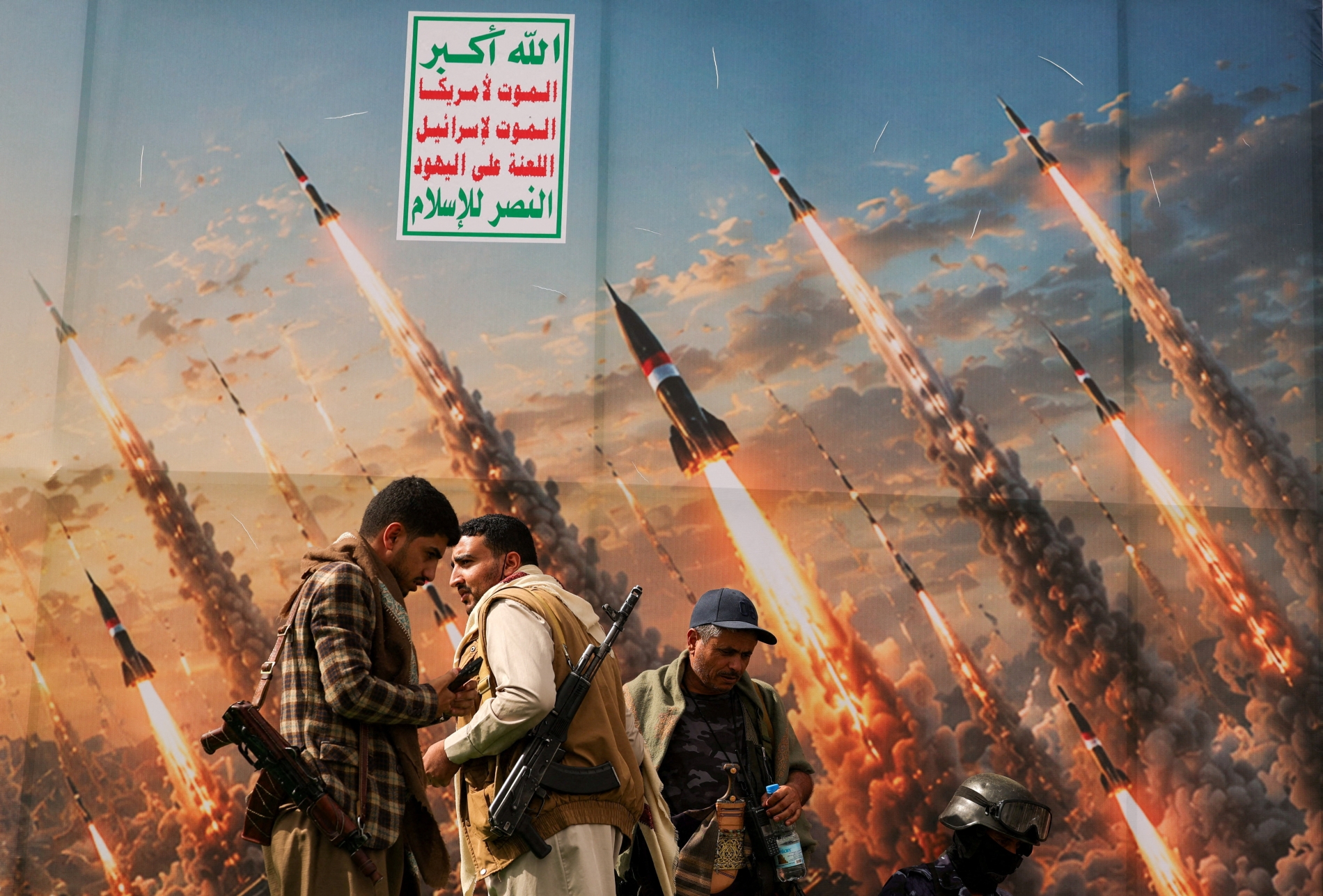
For their part, the Iran-backed Houthi rebels in Yemen are using commercially available AI tools such as Claude and ChatGPT to make their missile and drone engineering more adaptable, resilient and disruptive. AI company Anthropic’s September 2026 report Detecting and Countering Misuse of AI identified a cell in north-western Yemen pursuing three distinct weapons programmes, including a ballistic missile with a range of 2,000km and a hypersonic variant. Analysts suspect that the Houthis are working with Iran and Hezbollah, an assessment broadly shared by France’s Fondation pour la Recherche Stratégique.
The Houthi cell used Claude code “in place of human software engineers” for guidance, troubleshooting, and simulation. After a failed rocket test, the cell operators were diagnosing the reasons within hours. They also developed an offline simulation software that survived the ban on their accounts. “Our safeguards blocked many of their requests,” said Anthropic, “but not all of them.”
A July 2026 Cambridge study, based on interviews including 27 former members of Boko Haram (which originated in north-eastern Nigeria), found dedicated AI units already integrated in major armed factions, partly trained by foreign IS operatives. However, the study did not measure how much AI tools contributed to improving the groups’ strike capability and impact.
Anthropic also recorded a suspected freelance Russian team developing software for an autonomous kamikaze drone swarm, a China-based researcher building electronic-warfare targeting tools, and propaganda bodies aligned to Iran’s Islamic Revolutionary Guard Corps (IRGC) employing Claude through virtual private networks (VPNs) and foreign phone numbers.
Learning curve
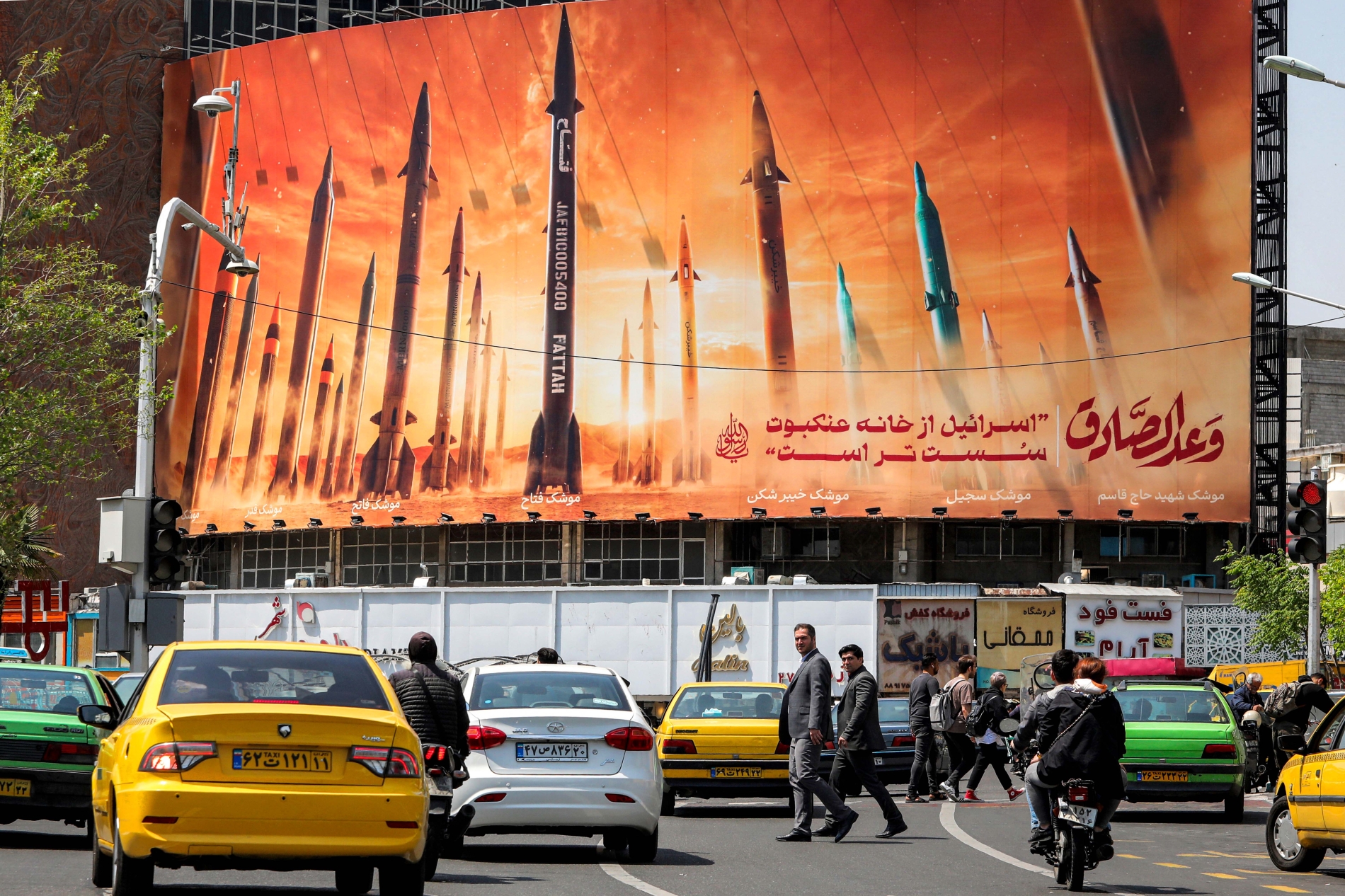
This is likely to be the tip of the iceberg in terms of who is using AI to advance their agendas. Those close to the fighting in ongoing conflict zones, such as in Ukraine and the Gulf, say that armed forces are on a steep learning curve, experimenting with AI to develop offline software, test military hardware, examine operational failures, and improve weapons systems. AI accelerates progress, innovation, problem-solving, and efficiency.
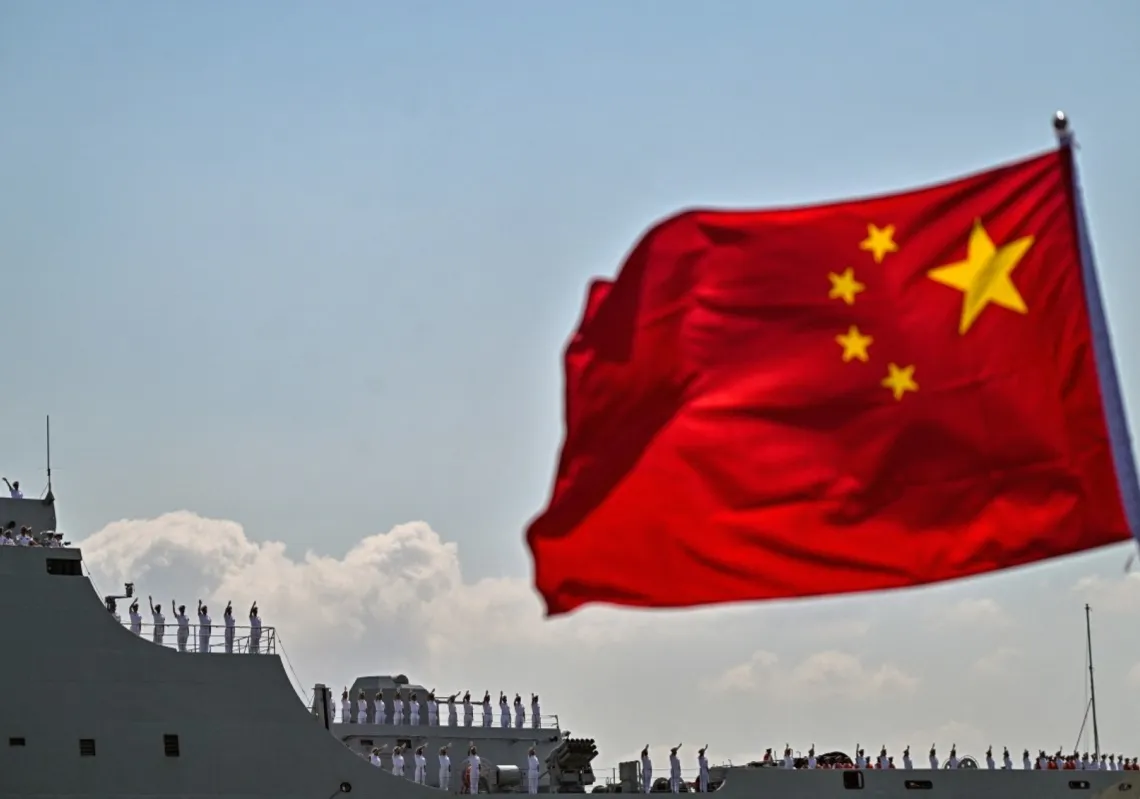
The Houthis and others are deploying the technology in assembly workshops, production lines, and procurement networks. Assembly is proving crucial. A Century Foundation study in February 2026 drew on almost 140 interceptions and more than 370 documented items in 2024-25. More than 80% of intercepted items intended for the Houthi militia were manufacturing components, not complete weapon units. Of these, 35% were made in China and 21% in Iran, underscoring a shift toward decentralised local assembly.