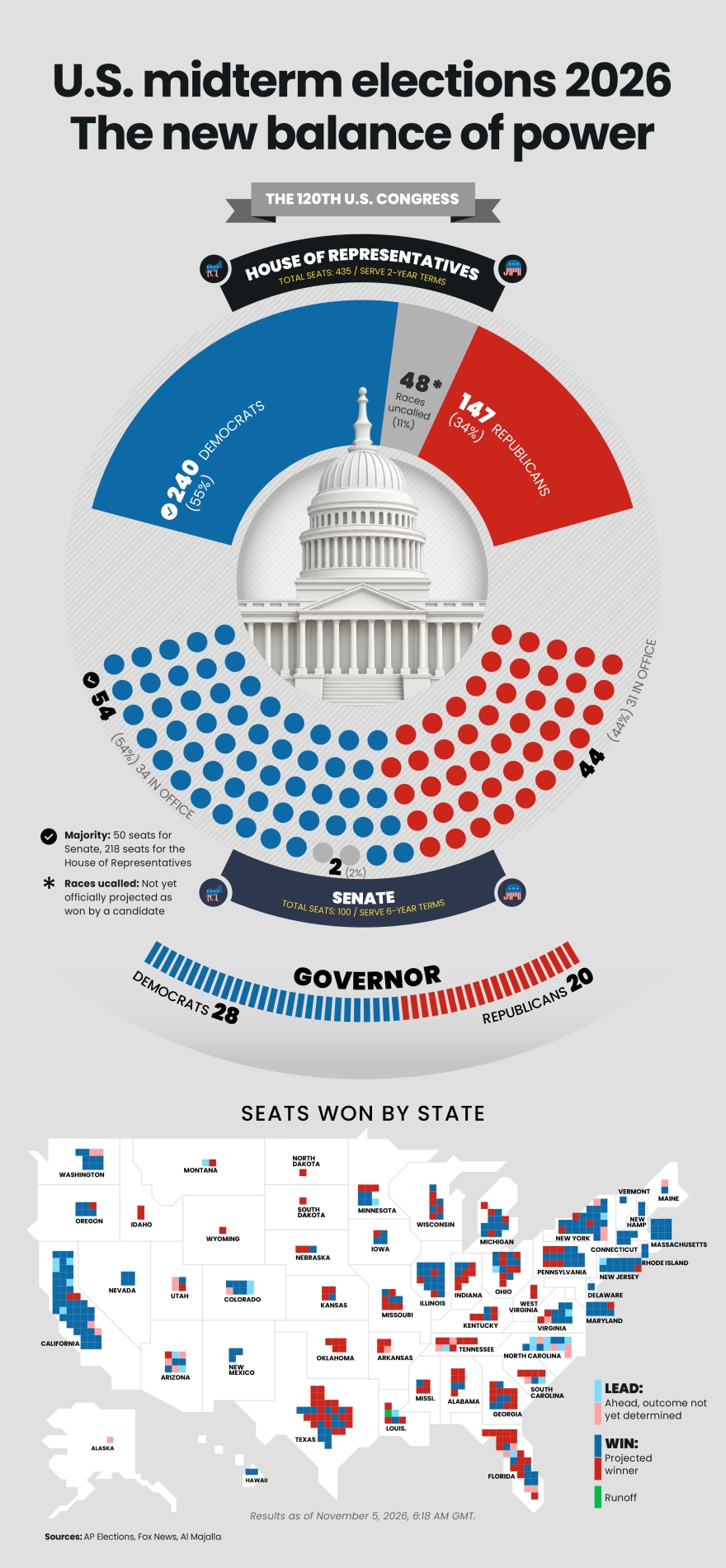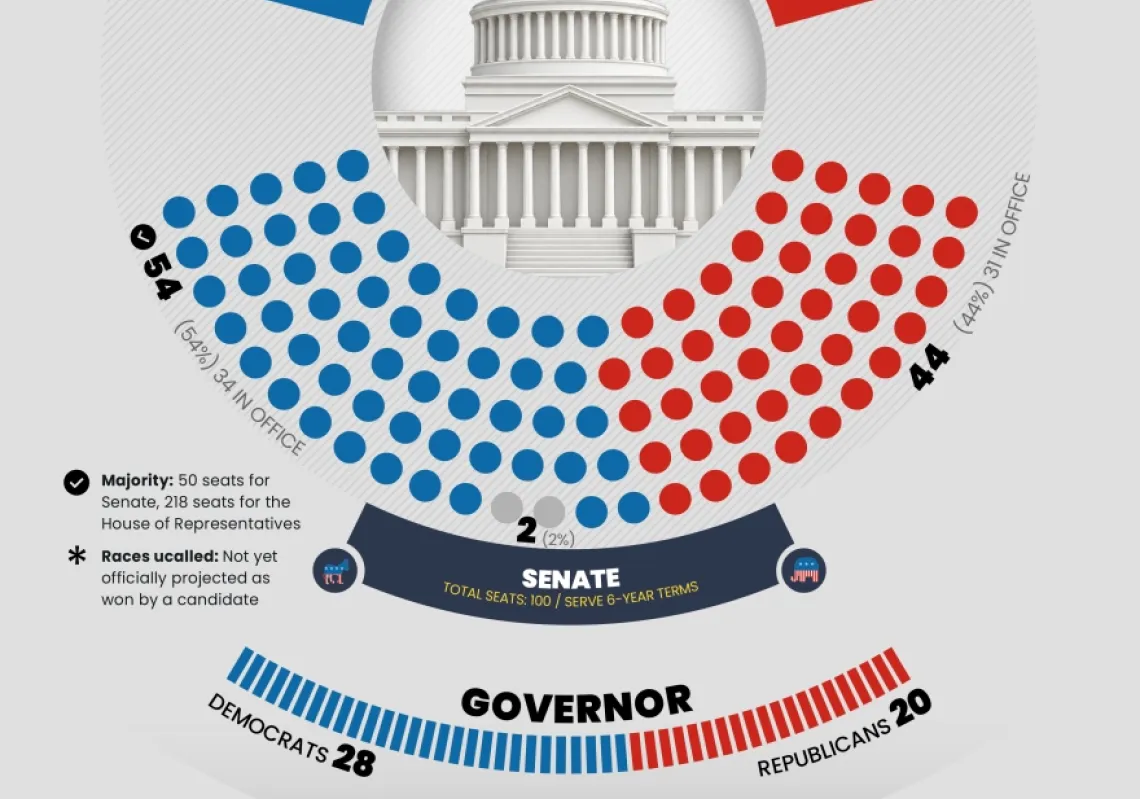


By the morning of 4 November, the US election results pointed to a new balance of power: a Republican president facing Democratic control of both chambers of Congress. Divided government will begin when the new Congress convenes. But did voters give Democrats a mandate, or simply use them to punish Republicans and constrain Donald Trump?
From a political sociology perspective, a change in the congressional majority does not necessarily signal an ideological realignment. Rejection of the incumbent does not imply confidence in the alternative. Voters may know whom they want to punish without trusting those who replace them. The crisis of confidence does not disappear; it moves into a new institutional setting.
Since 2016, successive electoral reversals have raised a question about voter motivation: how far do Americans vote for a programme, and how far do they vote to keep an opponent out?
Protest against the establishment represented by Hillary Clinton helped Trump in 2016. Opposition to his record and rhetoric mattered in 2020, while disappointment with the Biden administration contributed to his return in 2024. None of these elections had a single explanation. Taken together, however, they suggest that rejection can mobilise voters more effectively than allegiance.
The same caution applies to 2026. Democratic gains do not guarantee public support for the party’s entire programme, much less its progressive wing. A coalition united against an incumbent may have little agreement about what should follow. Its majority remains vulnerable if punishment fails to produce improvement.
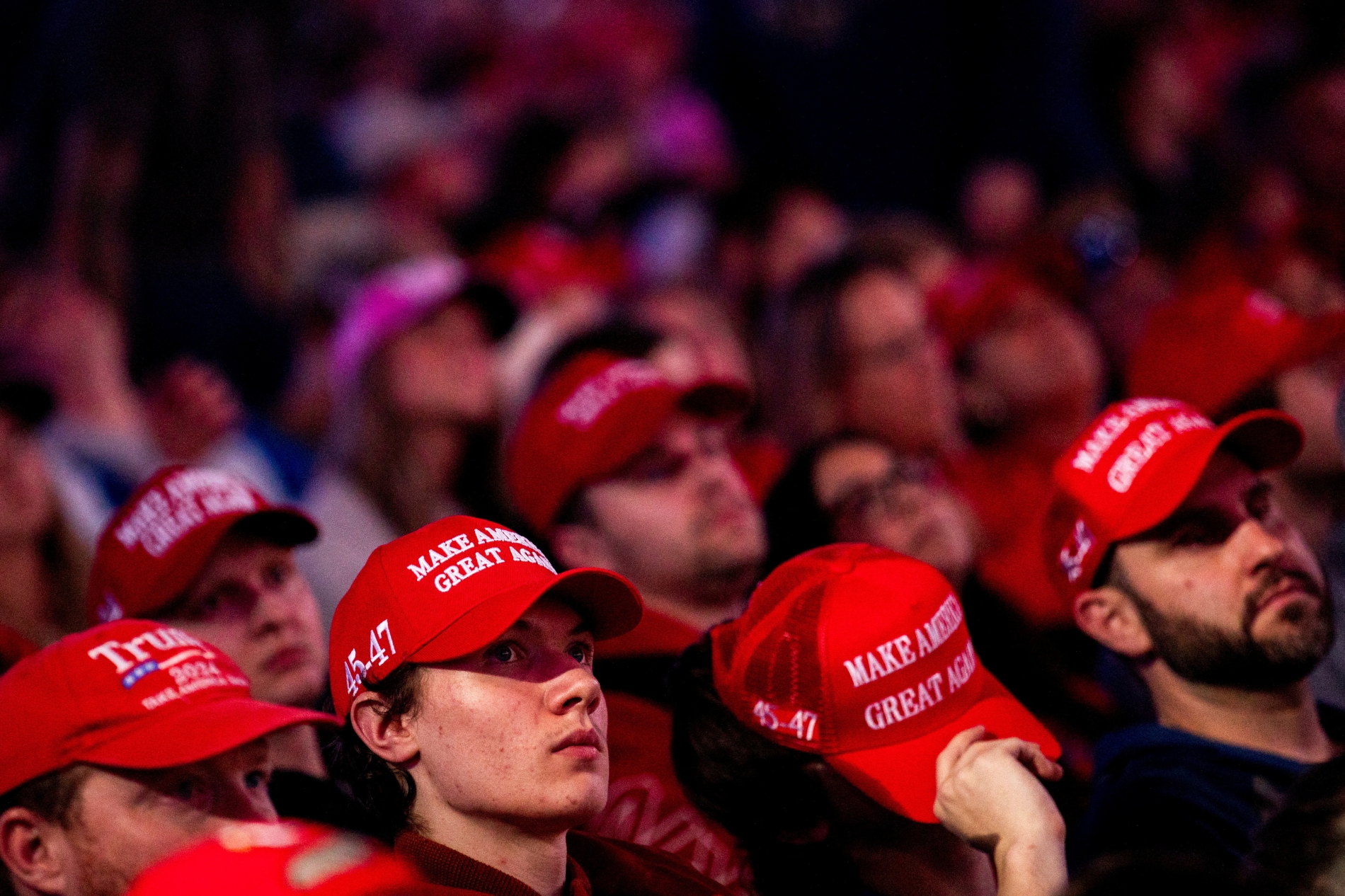
Fear before accountability
Negative voting also changes the relationship between voters and their preferred party. When defeating the opponent takes priority, reservations about candidates and policies take a back seat.
A conservative concerned about institutional stability may tolerate Trump’s conduct to keep what they regard as the radical left out of power. A moderate Democrat may back a progressive despite disagreements over identity politics or spending because the Republican alternative appears more threatening. In both cases, voters may set aside reservations until they complete the immediate task of defeating the other side.
This weakens incentives for parties to respond to internal criticism. Candidates who expect fear to bring reluctant supporters back have less reason to accommodate them. Electoral victory can then be mistaken for approval of policies that some supporters accepted only as the price of defeating the other side.
The problem is compounded by the fact that many voters hold views that cross party boundaries: socially conservative but supportive of government intervention or concerned about border security while rejecting exclusionary rhetoric. Their choices should not be read as acceptance of an indivisible ideological package. Parties that treat every victory as an endorsement of their full agenda risk widening the gap between what voters want and what they believe their representatives are authorised to do.

Conditional trust
The crisis deepens when hostility to an opponent becomes rejection of their right to govern. What happens when confidence in elections depends on the preferred candidate winning?
Two positions must be distinguished: alleging that voting or counting was fraudulent and accepting the result while fearing the winner’s policies—the first challenges the mechanism that confers power; the second concerns its exercise. Warning about a government’s intentions does not, in itself, deny electoral legitimacy.
When institutions are trusted only after victory, they lose their standing as a shared referee. Democracy requires acceptance of a legitimate winner’s right to govern, not confidence in their intentions. Opposition and constitutional scrutiny remain essential, but they must operate within acceptance of the electoral process.