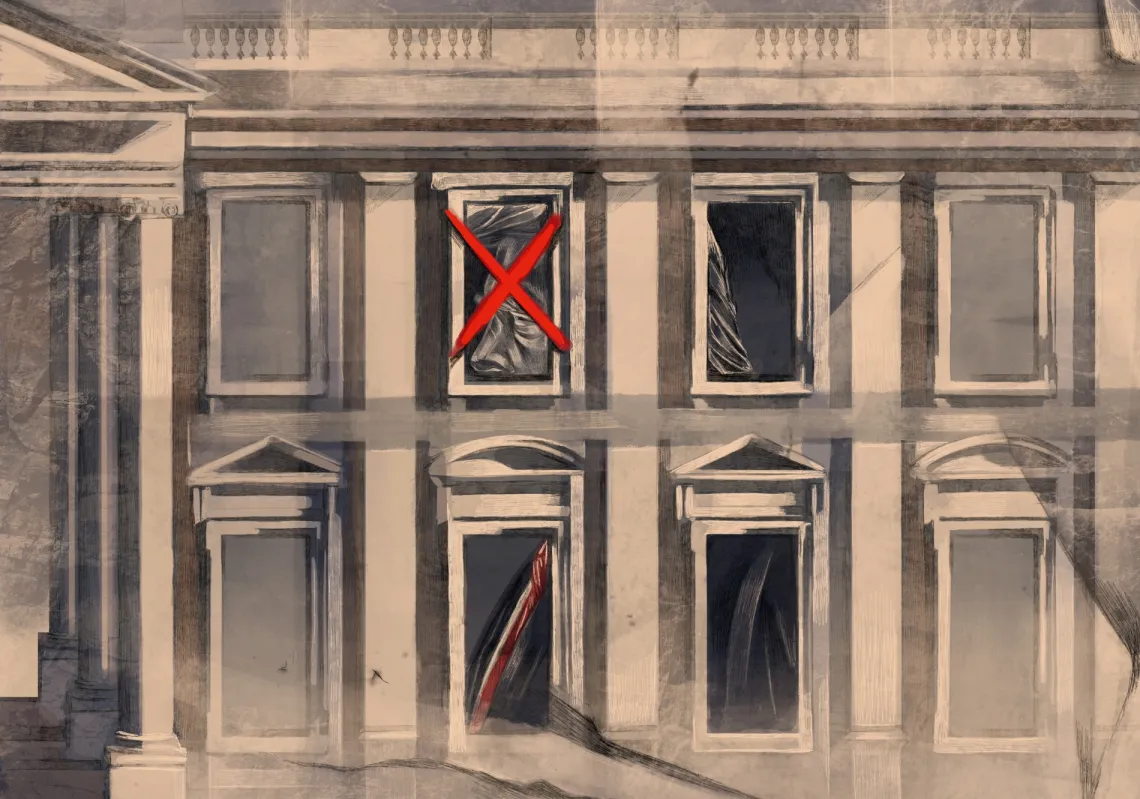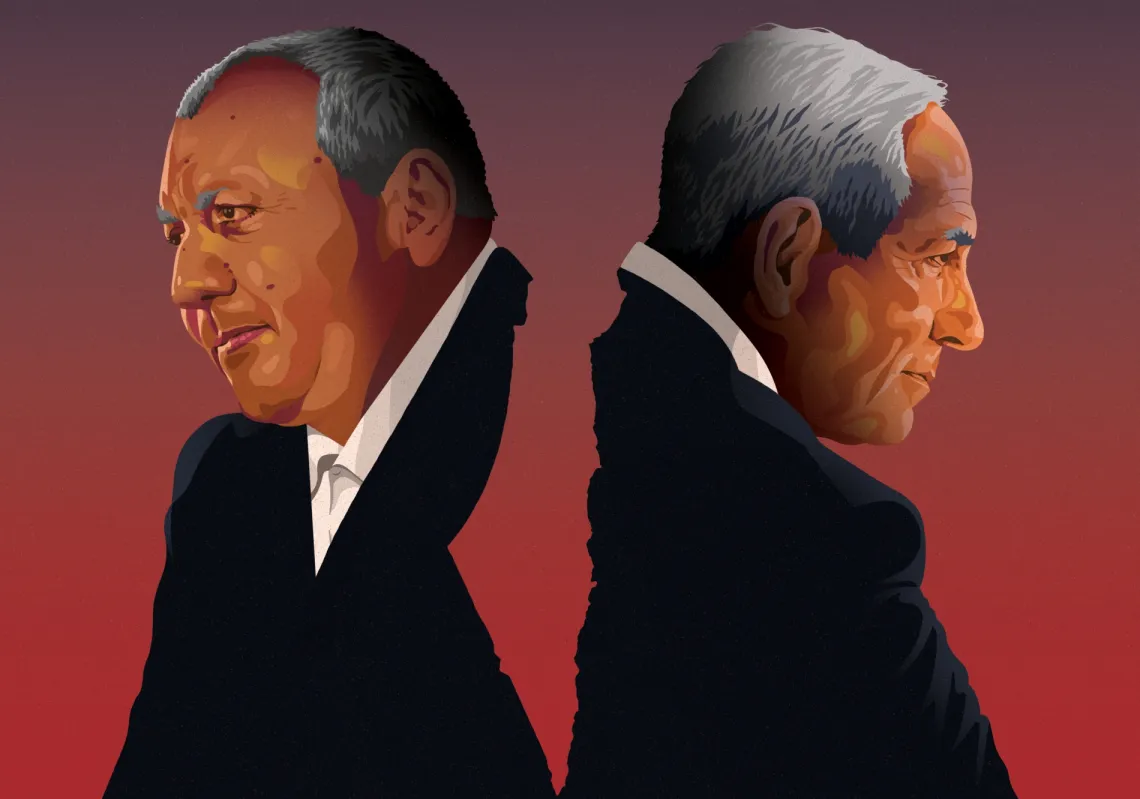

Donald Trump entered America’s midterm elections with the lowest net approval rating of any president at this stage in his term in 80 years. Add to that inauspicious sign the fact that the out-of-power party almost always gains seats in the midterms, and you had the makings of a Republican loss. What they got was a wipeout.
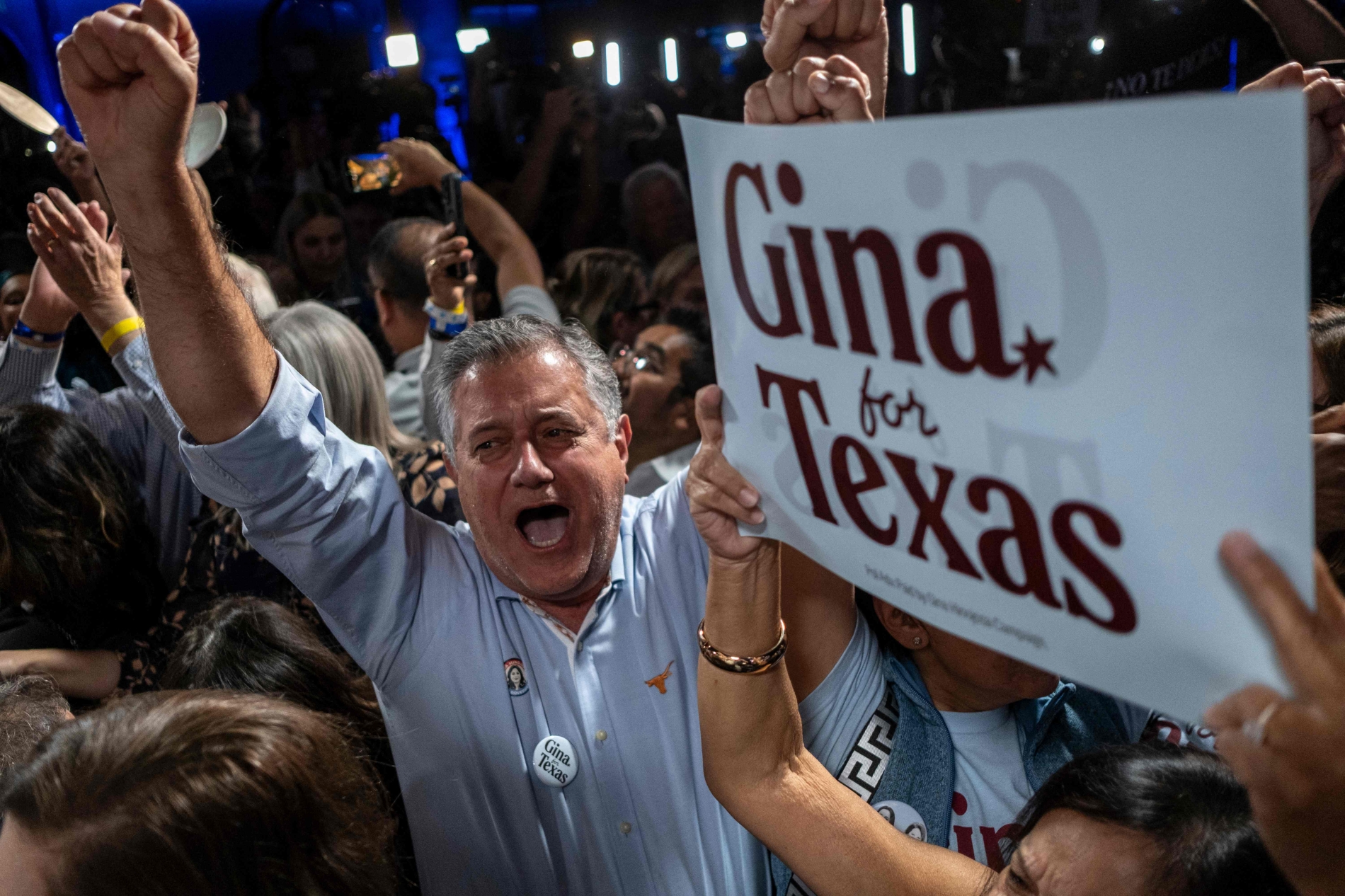
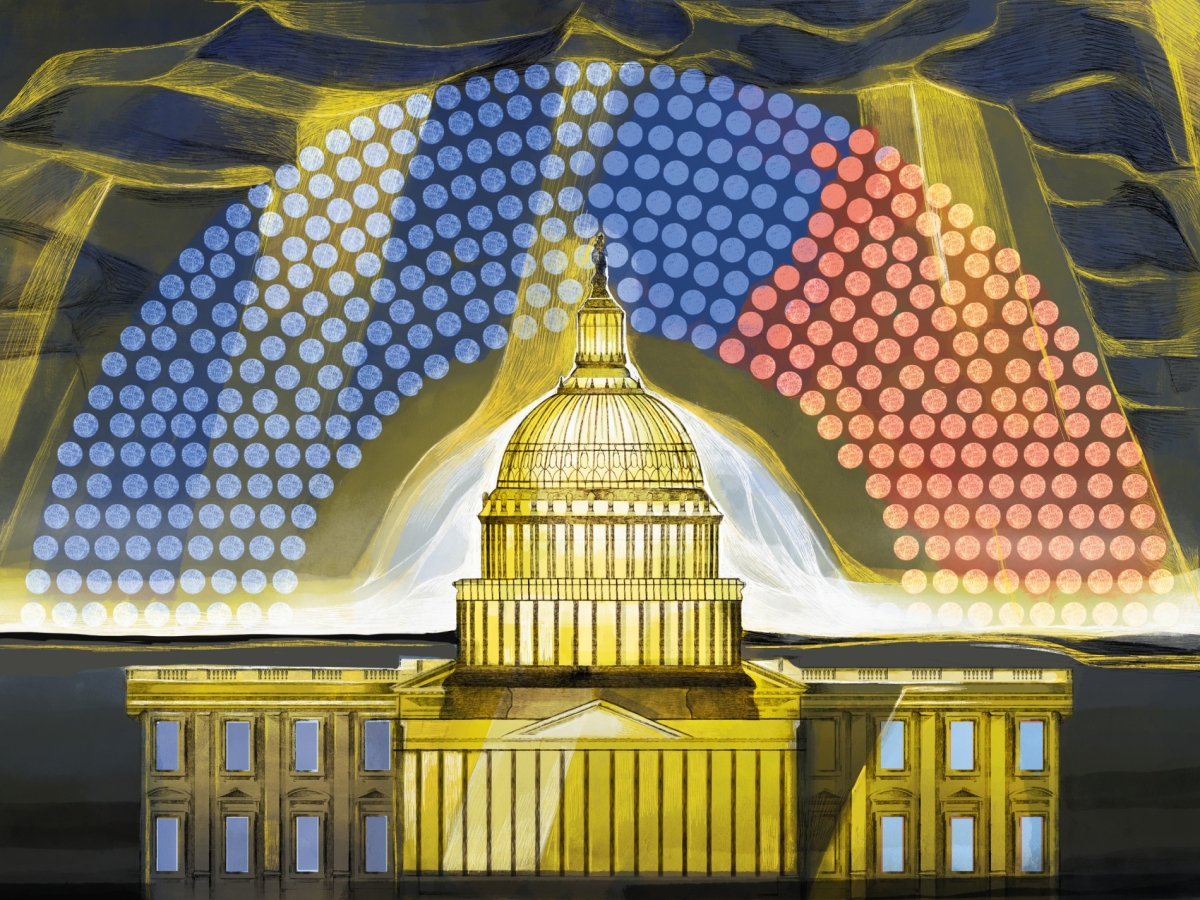
By midnight on 3 November it was clear that Democrats had flipped the House of Representatives, with the party on course to pick up perhaps 40 seats, topping most forecasts. More striking, they had gained control of the Senate, too, winning seats in Republican strongholds such as Iowa, Ohio, South Carolina, Texas and Kansas, which had not elected a Democrat to the Senate since 1932. In Texas, James Talarico didn’t just eke out a victory; he walloped his Republican opponent, Ken Paxton. The president is blaming the losses on his absence from the ballot, a curious argument given that he has spent the past two months asking voters to imagine he was on the ticket. They did, and Republicans lost.
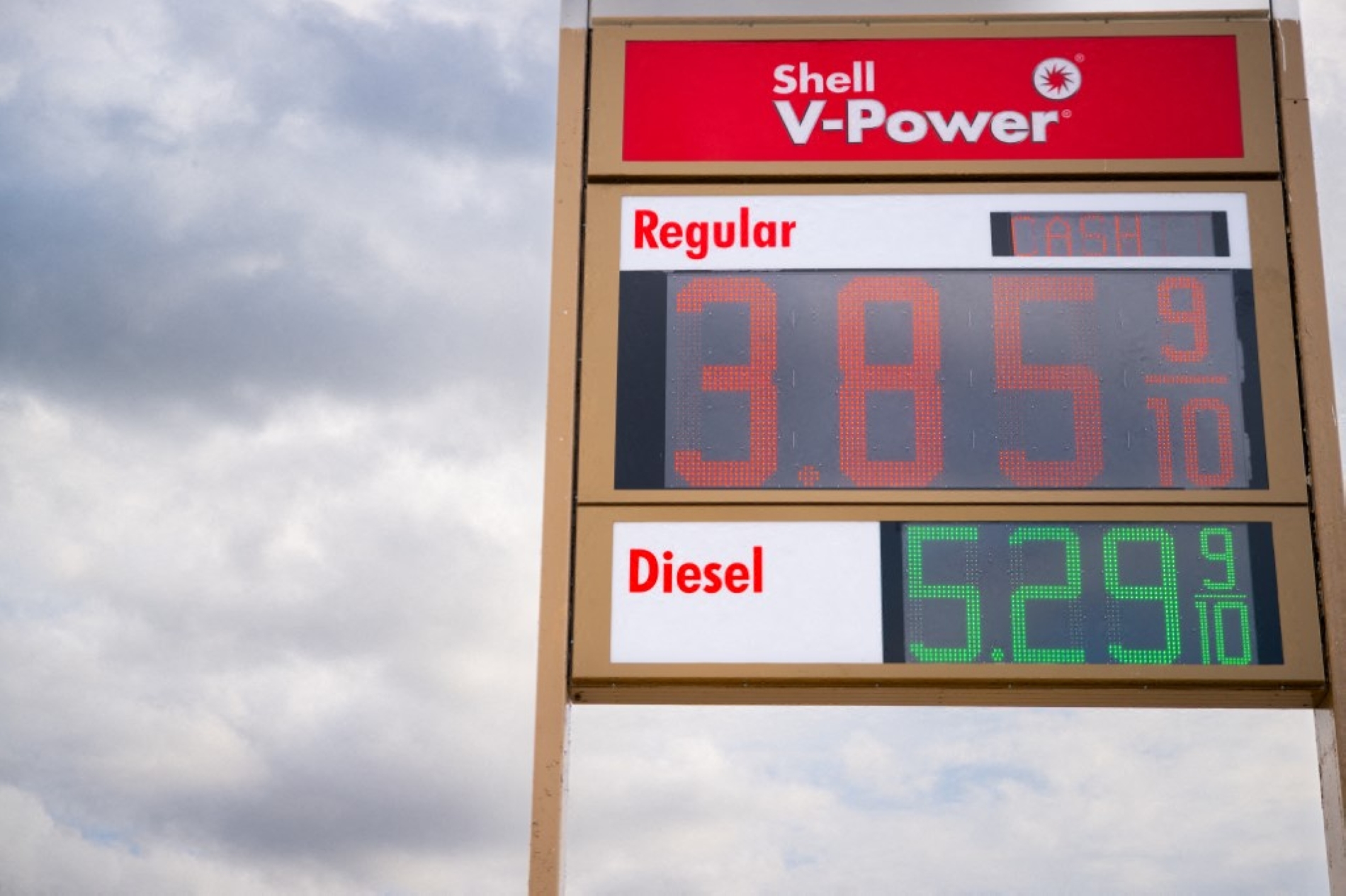
The Senate map initially looked forbidding for Democrats. They needed to flip four seats to gain control of the chamber, at least two of them in states that Mr Trump won by double digits in 2024. In the end, the favourable political environment for Democrats overwhelmed the favourable electoral map for Republicans. The president had promised to lower prices for Americans and end forever wars.

Instead, he barrelled into a conflict with Iran, started a global trade war and seemed more interested in boosting his family’s fortunes than those of ordinary Americans. Mr Trump’s drubbing recalls that suffered by George W. Bush in 2006, when Republicans lost control of both chambers of Congress amid the Iraq war.
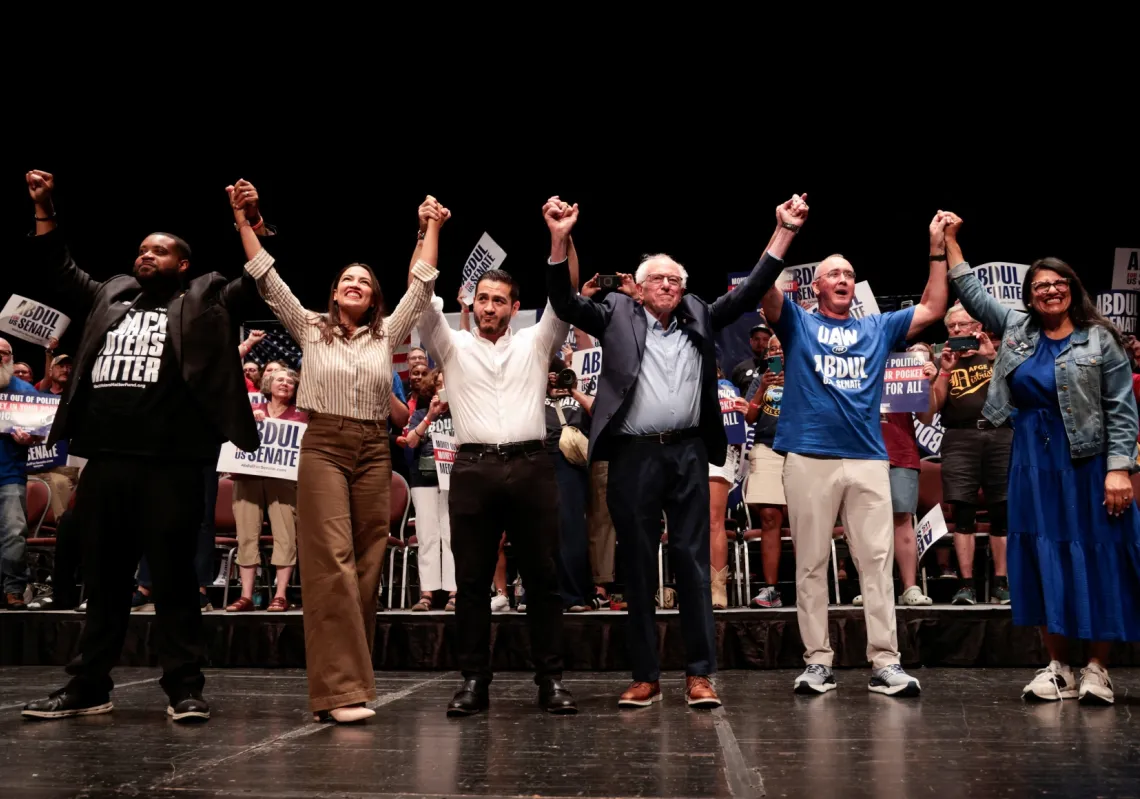
Well before election day, it was clear that Democrats were fired up and that Mr Trump had lost the support of independents. The real question, then, was how deep into Republican territory Democrats could go. Mr Trump eased their path. In North Carolina, his attacks helped drive Thom Tillis, a Republican senator, into retirement, leaving Roy Cooper, a popular former Democratic governor, with an open seat to contest.
In Texas, his backing of Ken Paxton over John Cornyn, the incumbent Republican senator, buoyed Democrat James Talarico. In Kansas and Georgia, too, Mr Trump supported Republican Senate candidates who seemed concocted from the fever dreams of Democratic strategists. Roger Marshall in Kansas was a doctor who sued pregnant patients; Mike Collins in Georgia has ties to white supremacists.