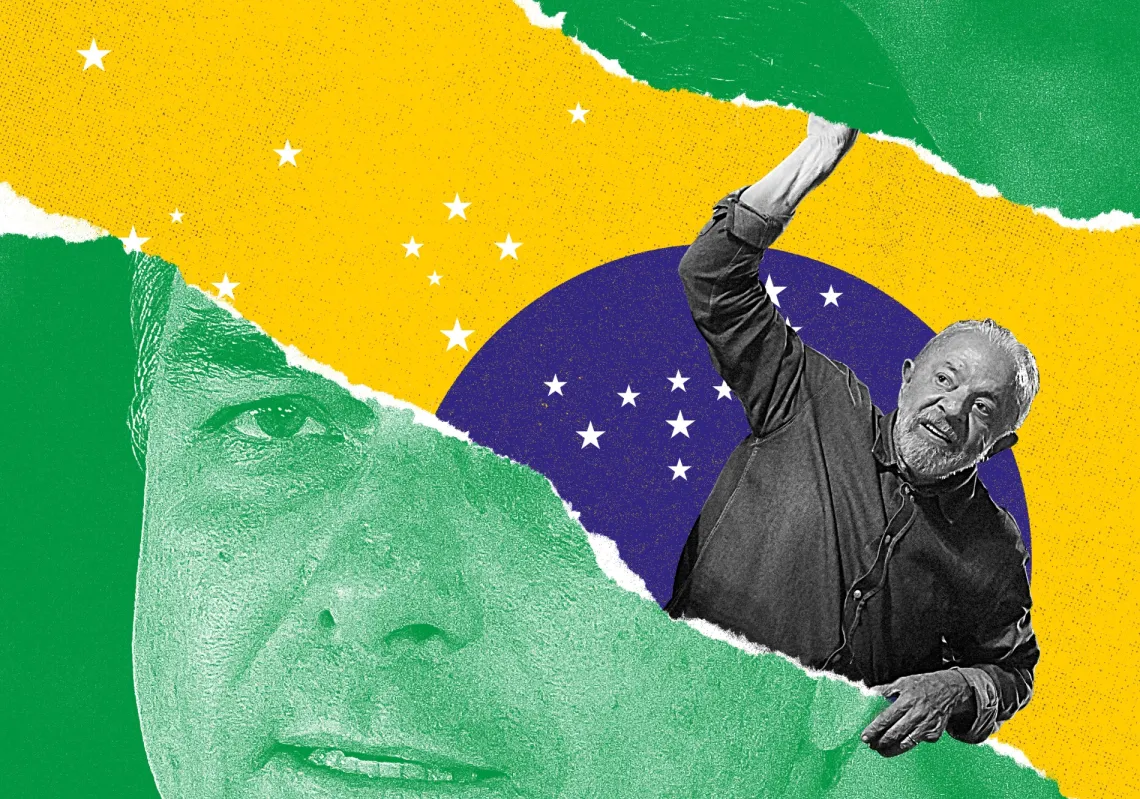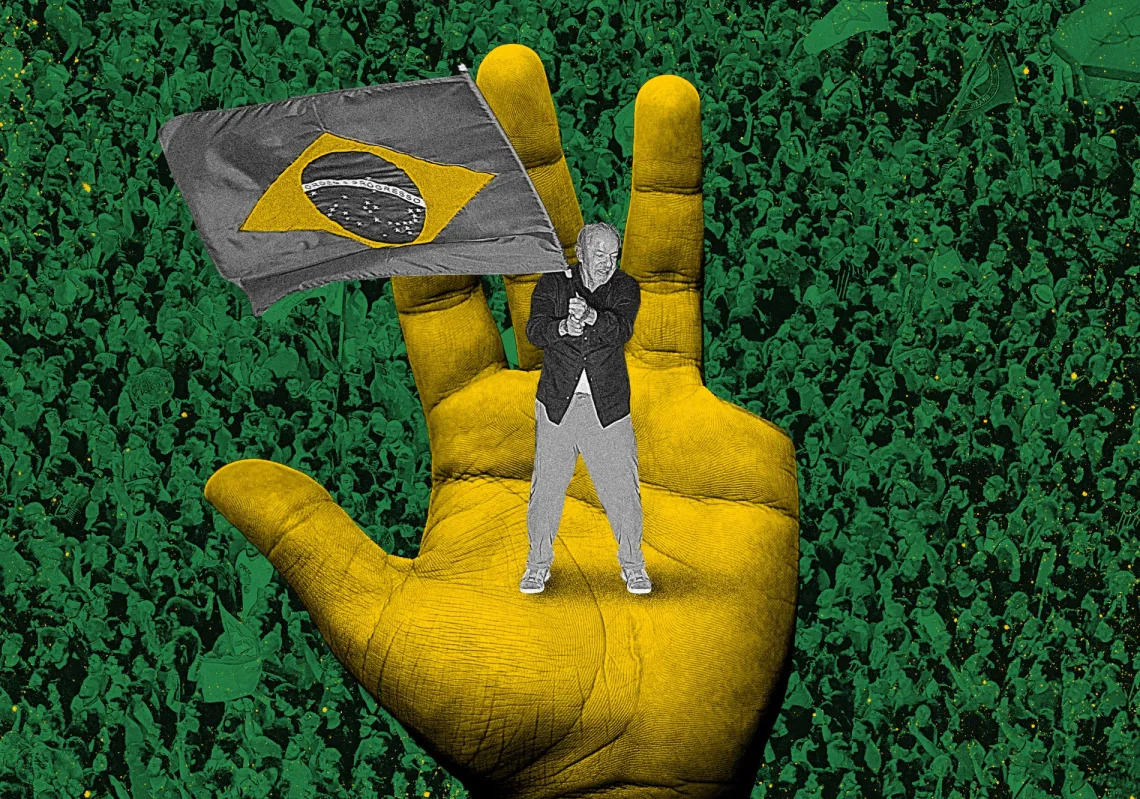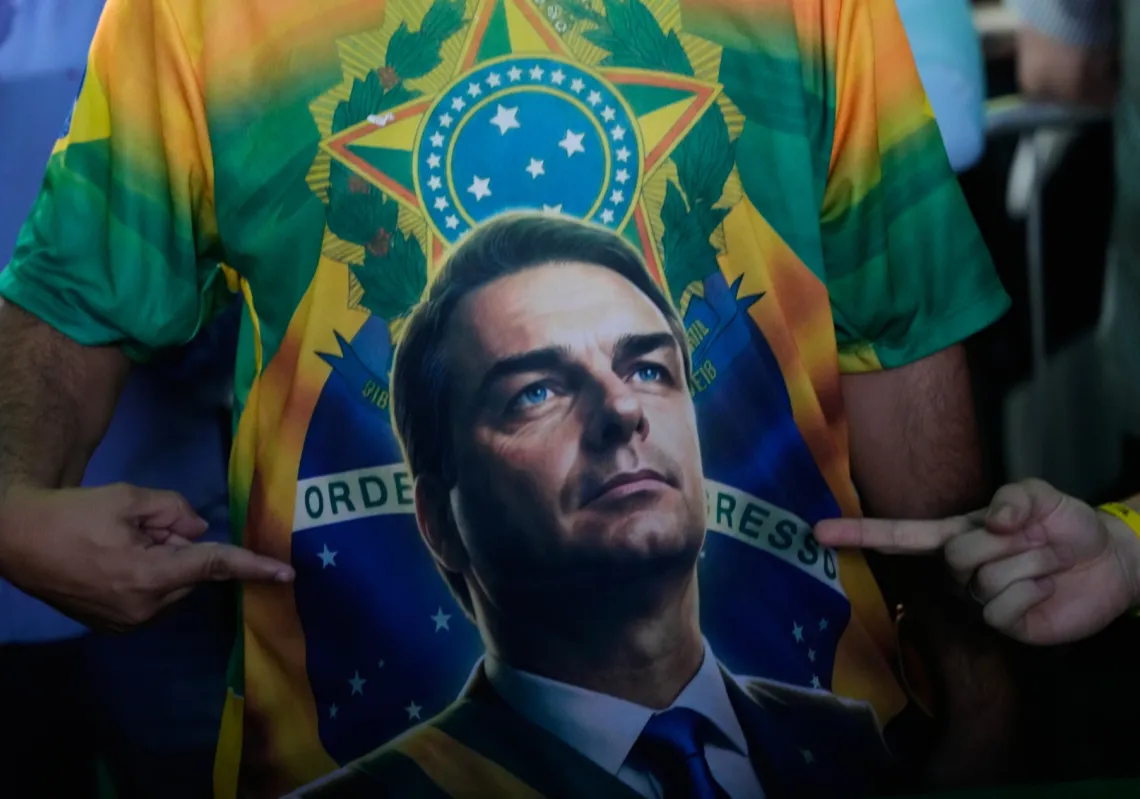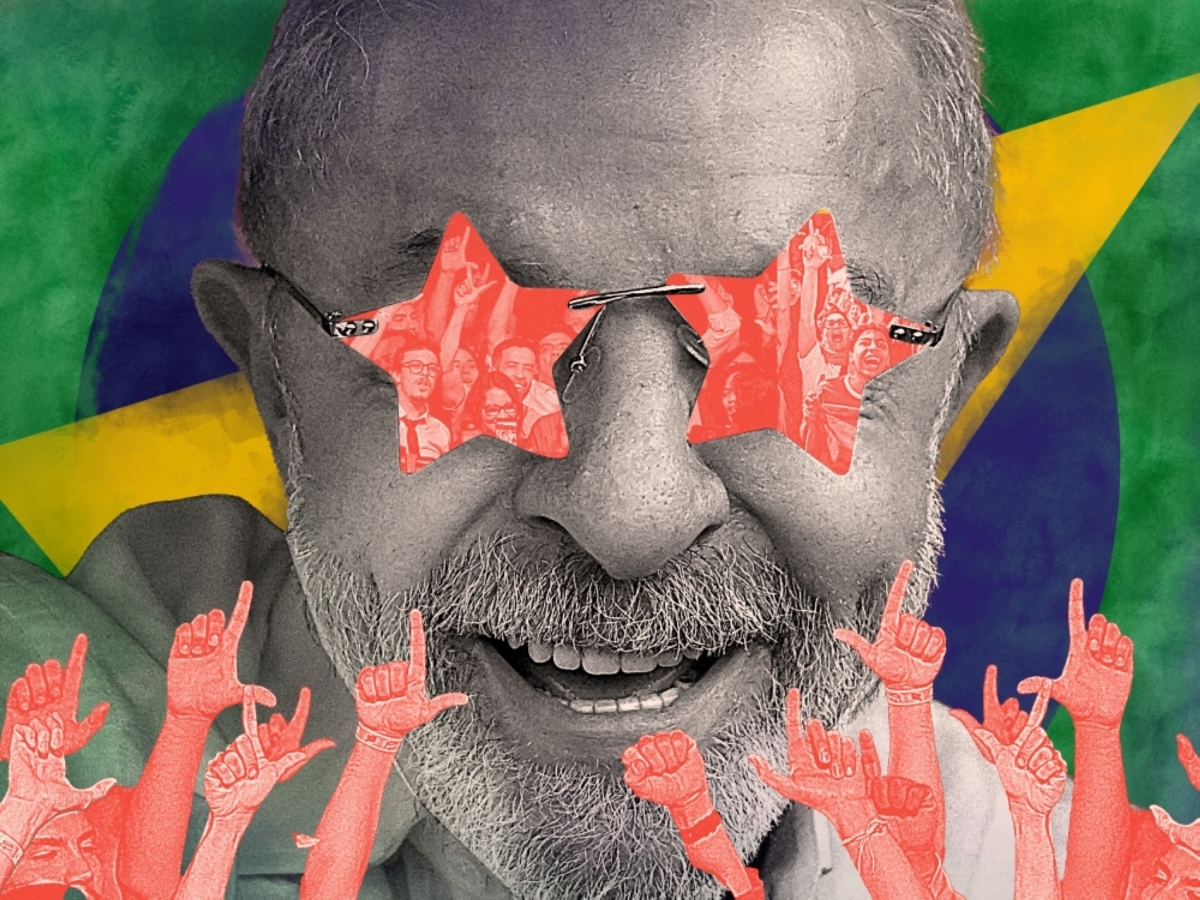

When Luiz Inácio Lula da Silva won Brazil’s presidential election on 25 October, he extended a political career repeatedly declared finished. By defeating right-wing Senator Flávio Bolsonaro with 51.79% of valid votes, he secured a fourth mandate after trailing in the first round. His success reaffirmed his electoral resilience in a country where the right retains considerable institutional strength.
The challenge now is to translate that majority into legislative backing among opponents with substantial influence over government. The coming term will also test his government’s capacity to deliver under mounting economic pressure.
Turning 81 two days after the election, Lula brings to his next administration the experience of three presidential terms. His relationship with poorer Brazilians connects personal recognition with expectations of material improvement. He combines this popular identification with a readiness to negotiate across ideological divisions, treating agreement as a practical condition for delivering change. The opportunities and costs of that method have accompanied his journey from organised labour to national office.
From factory worker to president
Born in Pernambuco in 1945, Lula migrated with his family to São Paulo as a child, joining the movement of northeastern Brazilians seeking work in the industrial south. Poverty, limited formal schooling, and training as a skilled metalworker shaped his understanding of advancement through employment and later became a basis for his claim to political competence. His familiarity with conditions that established politicians discussed from a distance lent authority to his insistence that hunger, insecurity, and exclusion required public action.
His rise through trade unionism during Brazil’s 1964 to 1985 military dictatorship transformed personal experience into collective representation. The strikes of the late 1970s and the founding of the Workers’ Party in 1980 connected workplace demands with democratic participation, bringing Lula to prominence through relationships forged among workers, organisers, and supporters.
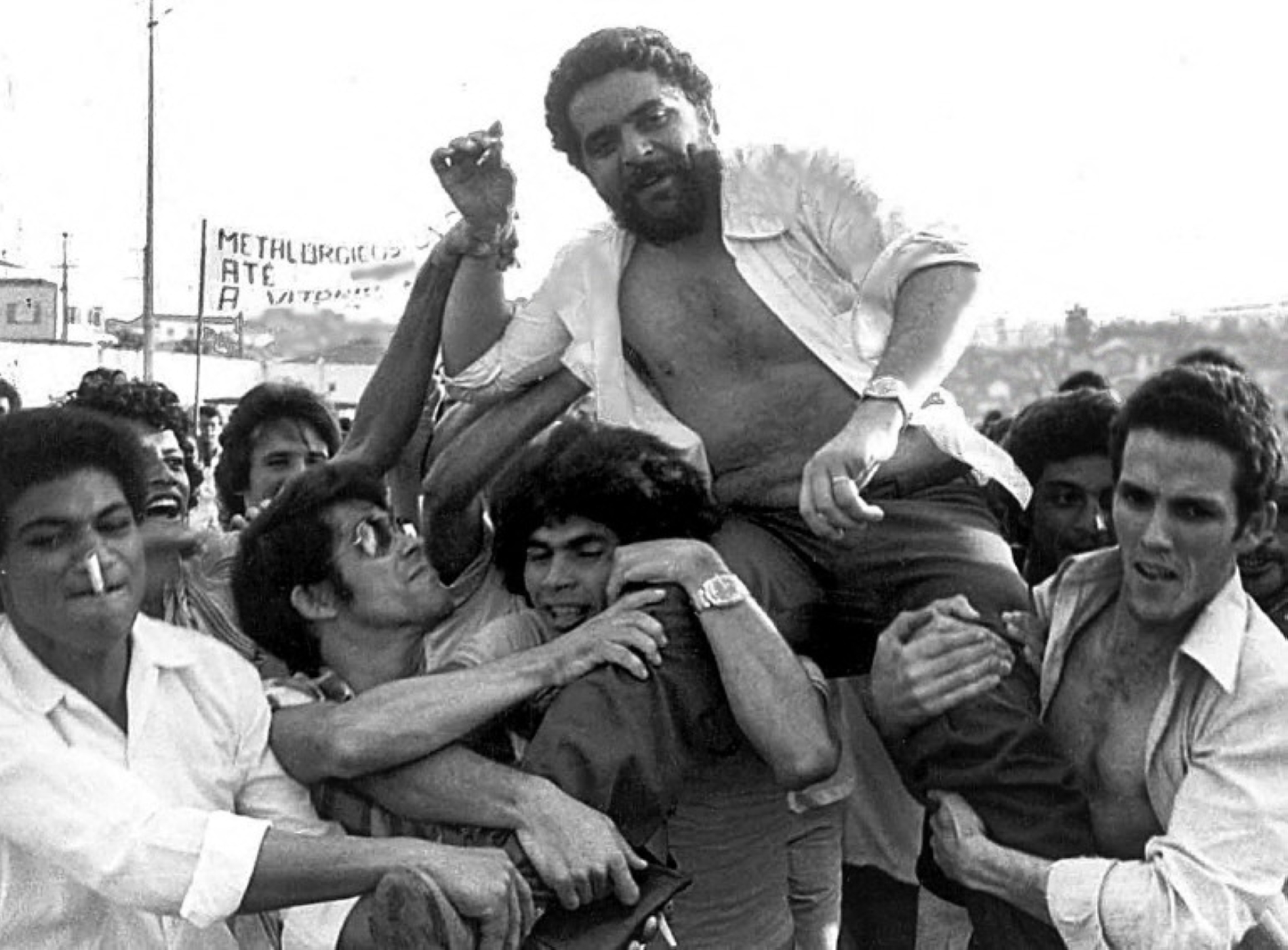
Within that struggle, he developed habits of listening and persuasion that translated shared grievances into political language. The trust he built provided his later leadership with a foundation deeper than personal charisma.
Three unsuccessful presidential campaigns preceded Lula’s victory in 2002—a progression that changed the party he led. His popular appeal gave him leverage to push for programmatic moderation and broader alliances, attracting voters beyond its original constituency. This adaptation remained uneven, with organisational discipline and commitments inherited from the party’s formation continuing to influence its choices. Lula’s pragmatism thus developed through these tensions, as the search for new voters required adjustments within a party whose identity remained rooted in social transformation.
Redistribution through accommodation
In government, Lula sought to balance economic stability with the social ambitions his party brought to office. During his first two terms, from 2003 to 2010, he consolidated and expanded assistance through Bolsa Família—a programme that provided cash payments to low-income families, subject to conditions including children’s school attendance and vaccinations. Rising minimum wages and improved purchasing power reinforced the association between his presidency and material advancement, allowing citizens historically excluded from opportunity to see their needs recognised as legitimate responsibilities of the state.
The electoral significance of these gains became clearer in 2006, when support for Lula grew among lower-income voters even as sections of the middle class moved away from him. For economically vulnerable households, his administration offered greater security without the disruption they feared. This relationship underpins Lulism—a political project that combines poverty reduction with stability and accommodation of established interests. Its gradualism limited structural change, even as economic security created expectations of deeper reform.
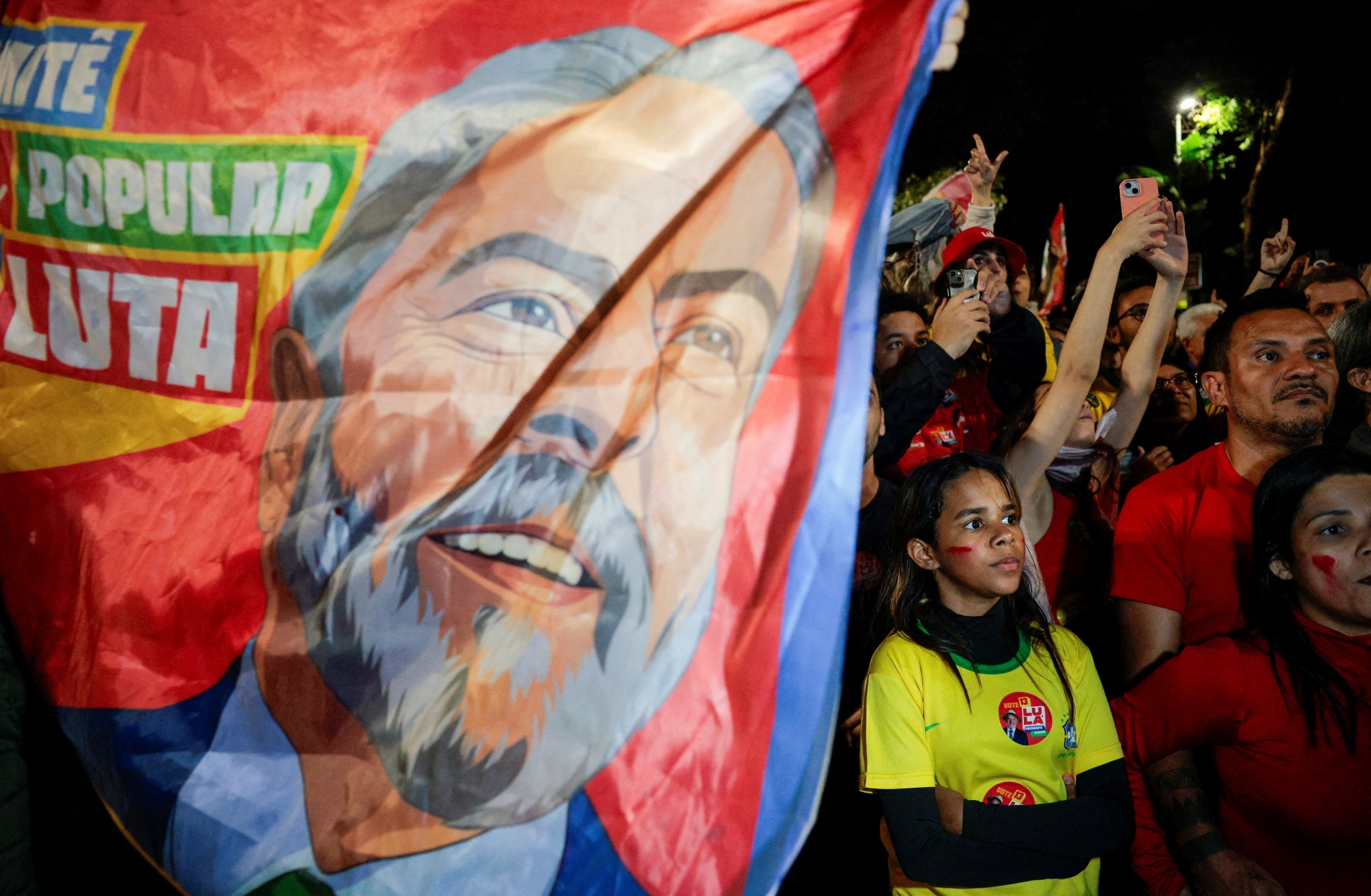
Since returning to office in 2023, Lula has restored Bolsa Família and supported minimum wage increases above inflation alongside renewed industrial policy. The New Industry Brazil initiative directs public financing toward manufacturing, innovation, and productive capacity, reflecting his belief that government should help determine the economy’s development.
The World Bank attributes recent poverty reduction to stronger labour markets, higher earnings, and more generous transfers. Persistent inequality nevertheless highlights the unfinished task of converting better household finances into lasting access to education, effective services, and reliable employment.
Lula’s renewed ability to pursue redistribution followed a prosecution that had threatened to end his career. He was imprisoned on corruption and money-laundering convictions arising from the Lava Jato investigation into bribery involving the state oil company Petrobras. He denied wrongdoing, maintaining that the proceedings were politically motivated. The convictions barred him from the 2018 presidential election before the Supreme Court annulled them in 2021 on jurisdictional grounds, restoring his political rights. Separately, the court upheld a finding that Sergio Moro, the judge who convicted him in a case concerning a seaside apartment, had acted with bias.
These experiences reinforced a public identity built around endurance, yet Lula’s survival also depended on the Workers’ Party’s organisational networks, which maintained political connections during his imprisonment and exclusion from the 2018 election. The party’s institutional roots preserved connections when he could neither hold office nor run for president. His eventual recovery therefore required a movement capable of sustaining mobilisation during his absence, demonstrating that the structures he had helped create remained essential to his political standing.
Regaining power also demanded cooperation with former adversaries. In 2022, Lula selected Geraldo Alckmin, his opponent in the 2006 presidential contest, as his running mate. Their partnership widened the coalition against the far-right populist Jair Bolsonaro and reassured interests wary of interventionist economic policies. It also brought different expectations into the same administration, requiring mediation between demands for redistribution and commitments to moderation. Retaining Alckmin for the 2026 election confirmed the arrangement’s continuing importance.
Bargaining under pressure
Such alliances do not remove the challenge posed by the right’s stronger position in Congress following the October elections. Lula must negotiate with a Congress in which right-wing politicians oppose key elements of his agenda and seek greater influence over public spending. His experience in coalition-building remains an asset, but the stronger position of his opponents gives them greater leverage. Securing support for individual measures may require concessions on appointments, policy, and budget priorities, potentially diluting the programme on which he was elected.
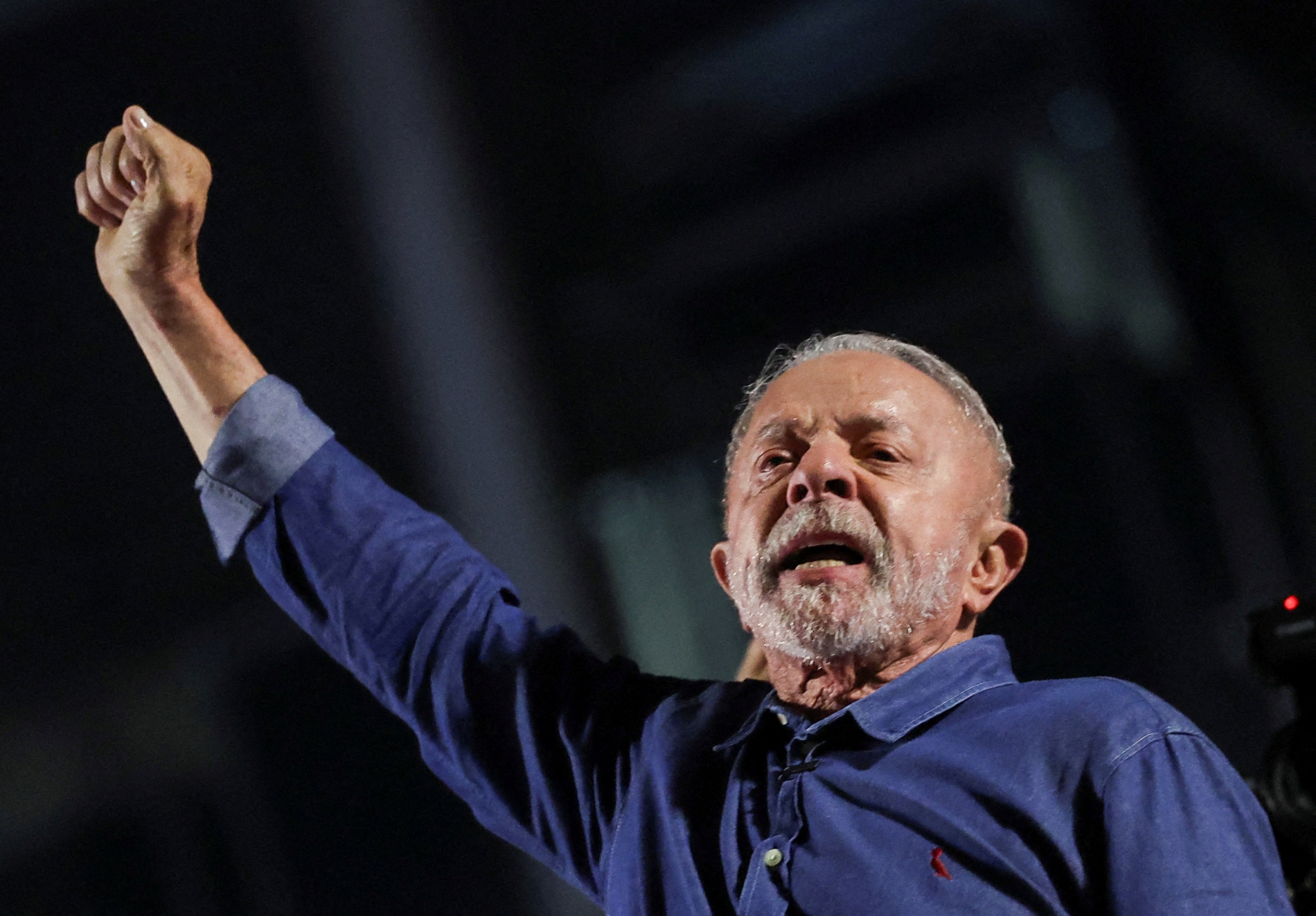
Economic conditions further narrow those choices, with gross public debt exceeding 82% of GDP and high borrowing costs limiting investment and consumption. Lula has promised to protect social provision and maintain wage gains as his economic team defends fiscal rules intended to restrain expenditure. Balancing these commitments will require difficult decisions about where spending is reduced and who bears the cost. Any adjustment falling disproportionately on lower-income households risks undermining his political support and the redistributive goals of his government.
Public security, meanwhile, demands an effective response to organised crime without perpetuating abusive policing. Launched in May, Brasil Contra o Crime Organizado, or Brazil Against Organised Crime, targets illicit finances, prison security, homicide investigations and weapons trafficking.