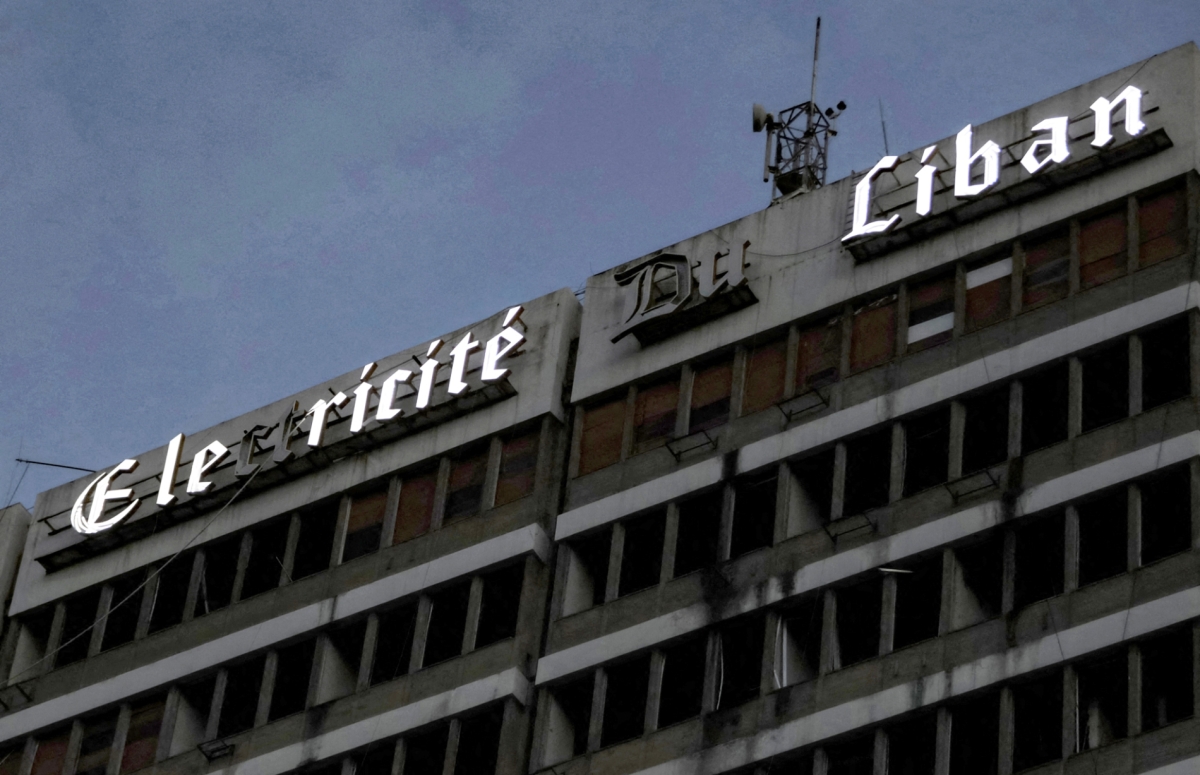

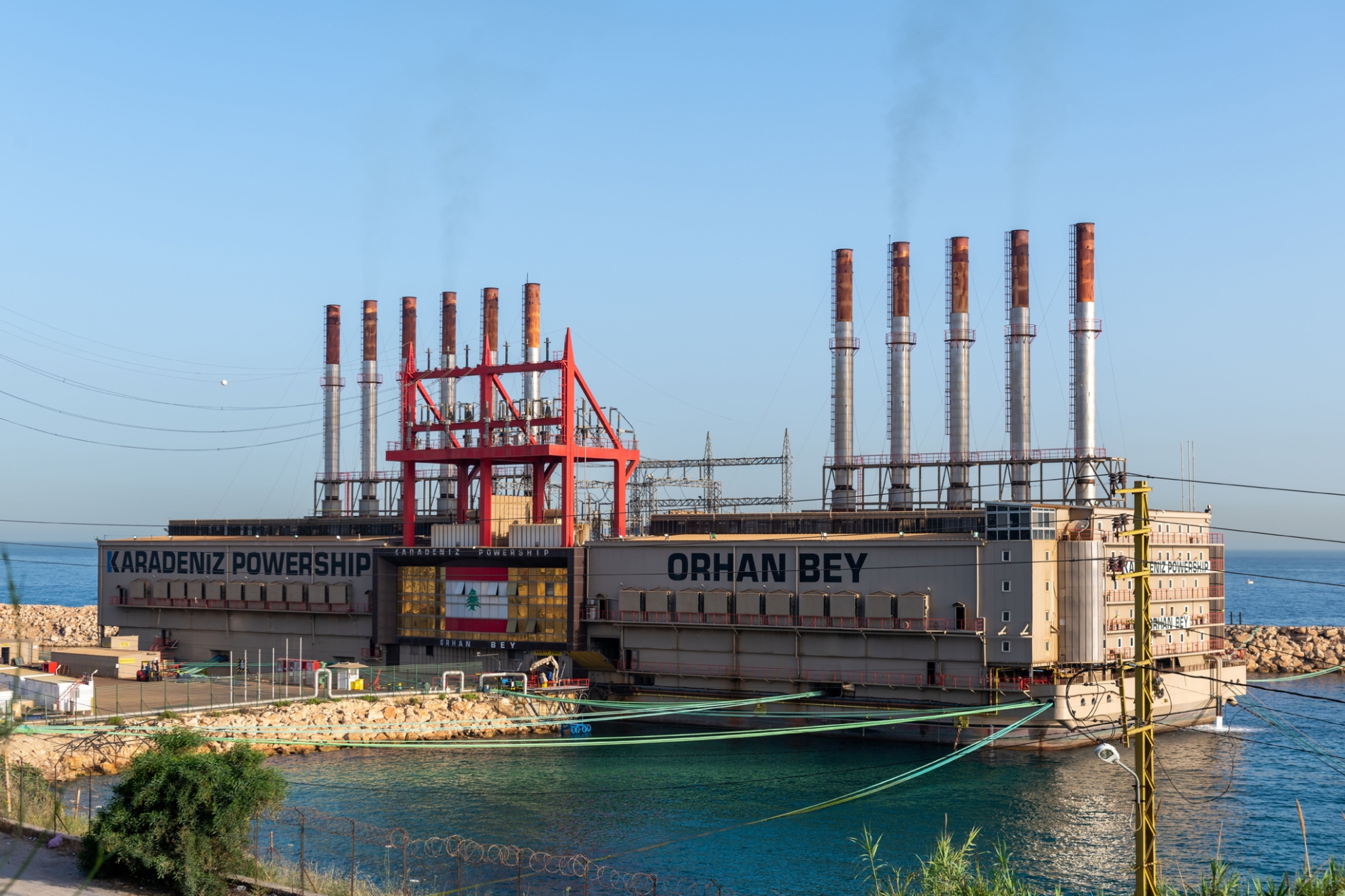
Lebanon’s electricity crisis is not new; the problems date back decades. Still, those with long memories struggle to remember when it was worse than it is now, and that includes the country’s brutal civil war from 1975-90. Today, power can arrive for as little as two hours per day. Even during times of war, the Lebanese had more than that.
The crisis is multifaceted. It includes limited generation capacity, rising fuel costs, mounting unpaid state bills, a lack of financing for the national provider Électricité du Liban (EdL), and problems collecting payments. Despite the problems, Lebanon’s politicians still fight for the government’s energy portfolio, but none do much to change the underlying issues.
A recent meeting between Parliament Speaker Nabih Berri and Prime Minister Nawaf Salam sought to put electricity at the top of the priority list. Both agreed on the need for a comprehensive solution, whether through a build, operate, and transfer (BOT) model or an international agreement. The conversation shifts the focus towards long-term financing and operations, but Lebanon would need to attract foreign capital and expertise for this.
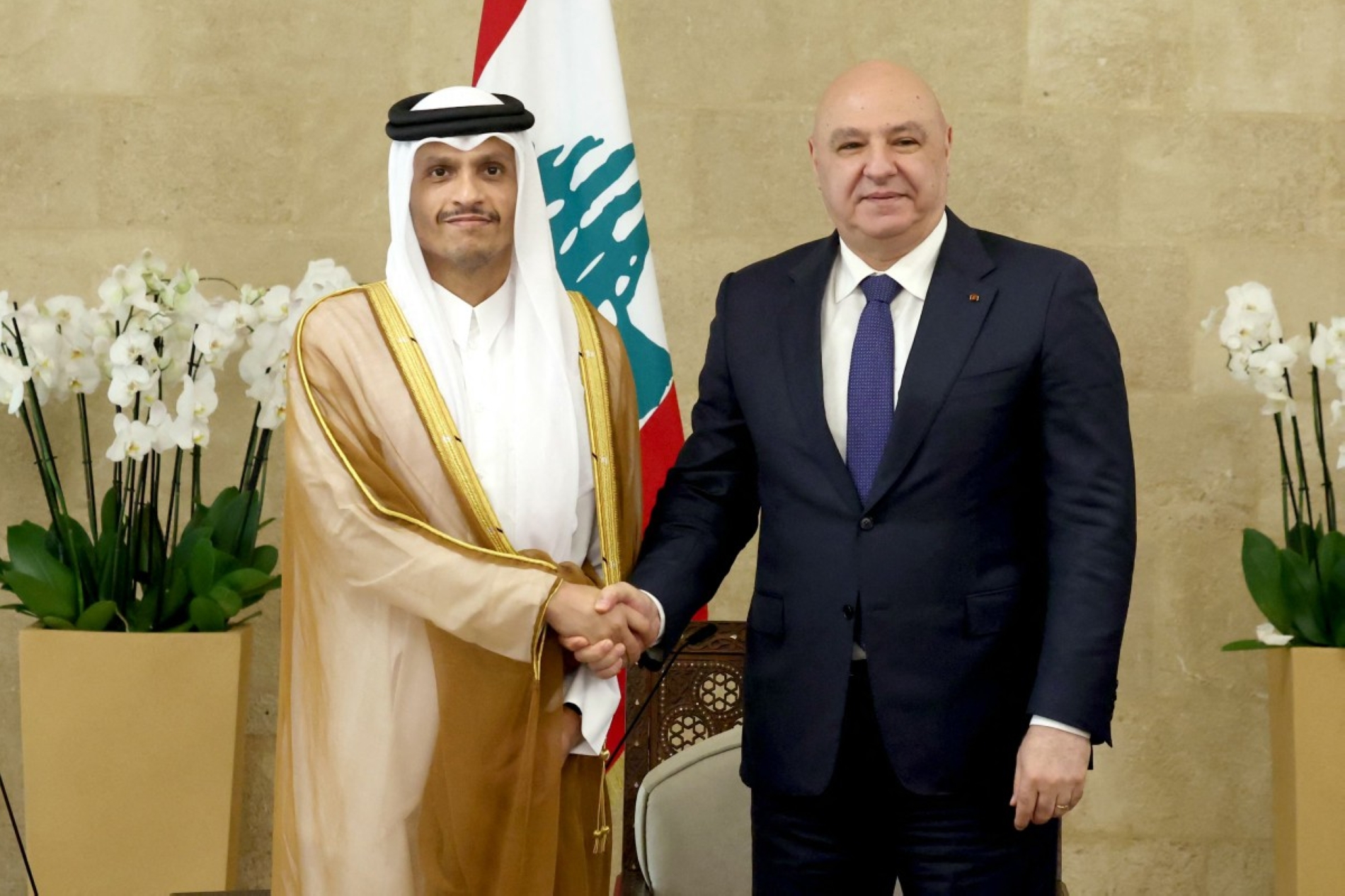
During a visit to Beirut in October, Qatari Prime Minister Sheikh Mohammed bin Abdulrahman bin Jassim Al Thani proposed a major investment project to help address the country’s electricity crisis. Salam said it would be developed under a BOT model, with Qatari firms financing, developing, and operating the facilities with no upfront spending from the Lebanese treasury.
Action needed
The idea is to rehabilitate Lebanon’s electricity-generation infrastructure, increase its generation capacity, and diversify its energy sources. While the details are still being worked out, Lebanon is exploring wider regional cooperation on energy and electricity interconnection. Qatar and Saudi Arabia are both willing to support Lebanon to bolster its political and institutional stability.
According to a document seen by Reuters, the plan is for two combined-cycle power plants at Deir Ammar and Zahrani, each with a capacity of 825 megawatts (MW), as well as 800MW of solar power, 440MW of wind power, and battery storage systems. It also provides for the import of 300MW of electricity from Syria through two separate routes and the use of the Arab Gas Pipeline to transport gas to Lebanon. Both projects would be completed within three years using private financing, provided all hurdles can be overcome (Damascus and Beirut still need to approve it, and payment terms and financial guarantees still need to be agreed).
Agreeing a new system means settling the outstanding financial, operational, and contractual arrangements of the old system, but Lebanese Energy Minister Joe Saddi said he wanted to accelerate cooperation with Qatar in electricity. Other projects under consideration include a solar power plant on land allocated to the Lebanese army, with a capacity of up to 150MW. QatarEnergy would implement the project, which already has cabinet approval.
In its electricity sector policy paper issued on 21 July, Lebanon’s energy ministry published a roadmap for reform. It estimates that only 60% of electricity bills are collected. As a result, EdL lacks sufficient revenue to fund its operations and improve supply. Among other things, the policy paper calls for EdL to be converted into a public joint-stock company. A source close to Saddi told Al Majalla that the minister’s plan to address Lebanon’s electricity sector had seven tracks.
1. New gas-fired power plants
The two new gas-fired power plants will cost around $1bn each. Natural gas would lower operating costs and reduce emissions, but securing investors will be key. Beirut is working with the International Finance Corporation to attract the capital, but investors want guarantees to protect their money and to ensure payment, including in the event of war. The government therefore needs to create a legal framework to enforce contracts and recover any payments due.
2. Expanding generation capacity
When Saddi took office in February 2025, he found that 11 licences had been granted by the cabinet in 2022 for solar projects with a combined capacity of 165MW, none of which were producing electricity. He sought to revive them, asking licence holders to either proceed with development or sell their licences to investors who could carry them forward.
Four licences have since returned to the implementation stage, three of which were acquired by CMA CGM, a French logistics company that typically deals with shipping, ports, warehousing, and supply chains. Its project in Beino, Akkar, is the furthest advanced, but preparatory, technical, and regulatory work is still underway.
Establishing the Electricity Regulatory Authority will be central to creating a legal framework that can attract investors to Lebanon's electricity sector. Law No. 462 from 2002 provided for its establishment, but it has never been implemented. Investors need to know that the law will be applied consistently and transparently.
The authority regulates solar energy projects by issuing licences according to defined generation-capacity categories. The authority is also taking steps to facilitate smaller-scale generation projects, though their impact is expected to emerge gradually. Investors are understood to have shown interest in reviving a long-stalled wind power project in Akkar, which could broaden Lebanon's energy mix and encourage further investment in renewables.
3. Switching to natural gas
Converting the Deir Ammar plant to liquefied natural gas (LNG) is expected to lower generation costs and reduce emissions. LNG would be purchased in coordination with Jordan and Syria, regasified in Aqaba (on Jordan's Red Sea coast), then transported to Lebanon through the regional pipeline network, but government approvals are needed, the pipeline to the Syrian border needs to be repaired, and technical tests are needed to bring the plant into operation.
Lebanon is also examining the possibility of establishing a floating facility to store and regasify LNG, with the International Finance Corporation advising. The idea is a single facility linked to the Deir Ammar power plant, replacing earlier proposals for three facilities in Beddawi, Selaata, and Zahrani (those plans were criticised for their cost and location choices). Whether the projects move forward will depend on technical and economic feasibility studies, financing availability, and completion of the required infrastructure.
4. Electricity links with Syria and Jordan
Lebanon wants to import around 150MW of electricity from Syria through the Ksara substation in Zahle, a city in Lebanon's eastern Beqaa region. A draft contract is with EdL for review, pending approvals and agreement on technical and commercial terms. Work is also continuing to restore the electricity link with Jordan through Syria, which could provide Lebanon with additional power if the import cost is lower than the cost of generating electricity domestically.