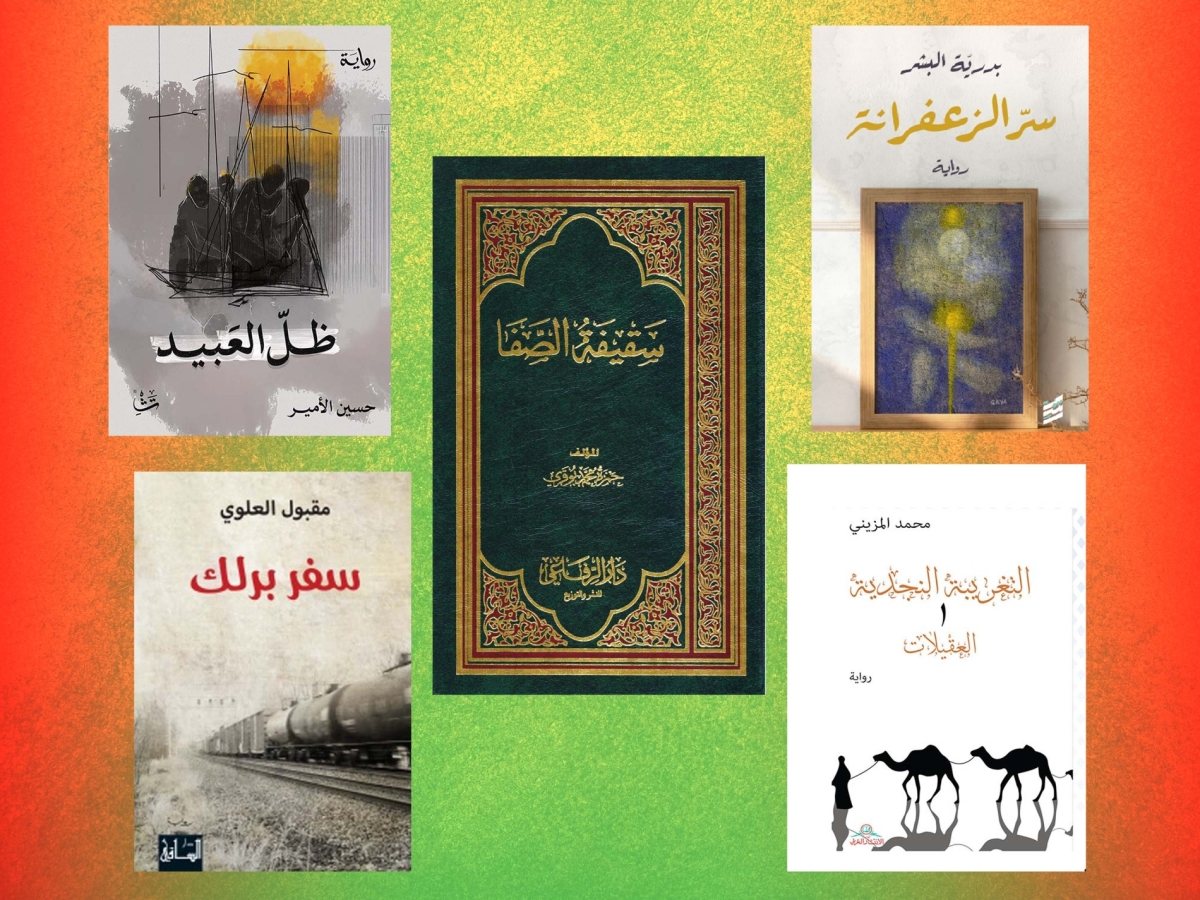

When Hamza Bogary published Saqifat al-Safa in the early 1980s, he revisited Mecca for reasons other than historical documentation. He evoked houses and neighbourhoods, schools and Qur’anic classrooms, the Grand Mosque, trades, customs, and the faces of ordinary people in a changing city. Saqifat al-Safa was hardly a historical novel, yet memory captured the city’s life.
Events can be documented, the dates of battles verified, and the names of rulers or the courses of roads traced to their sources. But what of the person who, going about their day, had no idea that decades later it would become part of history?
In Maqbool Al Alawi’s Safar Barlik, history contracts to fit within a child’s gaze. Near Bir Darwish in Medina in 1915, Dhib hears a whistle and glimpses something cutting across the desert, before a man cries out, “The train!” We know its name. Dhib does not. For a fleeting moment, the train—now a familiar historical fact—becomes an unfamiliar sight. Through Dhib, abducted, sold, and transported into slavery, history becomes a lived human experience.
Ibrahim Al Wafi’s The Black Sambuk also brings this lived historical experience to life, though here the focus is the Hejaz. An abducted boy arrives in Yanbu al-Nakhl, with its market, palm groves, woven palm fronds, date bundles, and livestock. Within this world stands a slave market, with a route extending to Medina. The village is rendered in meticulous detail and plays an integral part in the book’s events. Here, the human body becomes a commodity, while legal deeds reveal an even crueller practice: the names of children who had died could survive in written records, which were then reissued to give abducted children identities that were never theirs.
Across their different periods, Al Wafi’s narrative converges with those of Bogary and Al Alawi. Mecca, Medina, and Yanbu are distinct places in the three novels, as are their inhabitants. Yet the Hejaz—whose transformations historical documents can date to the day, month, and year—emerges in fiction from another perspective: life unfolding within a place, a child witnessing history before knowing its name, a boy stripped of his freedom who carries the memory of place long after leaving it.
The imprint of time
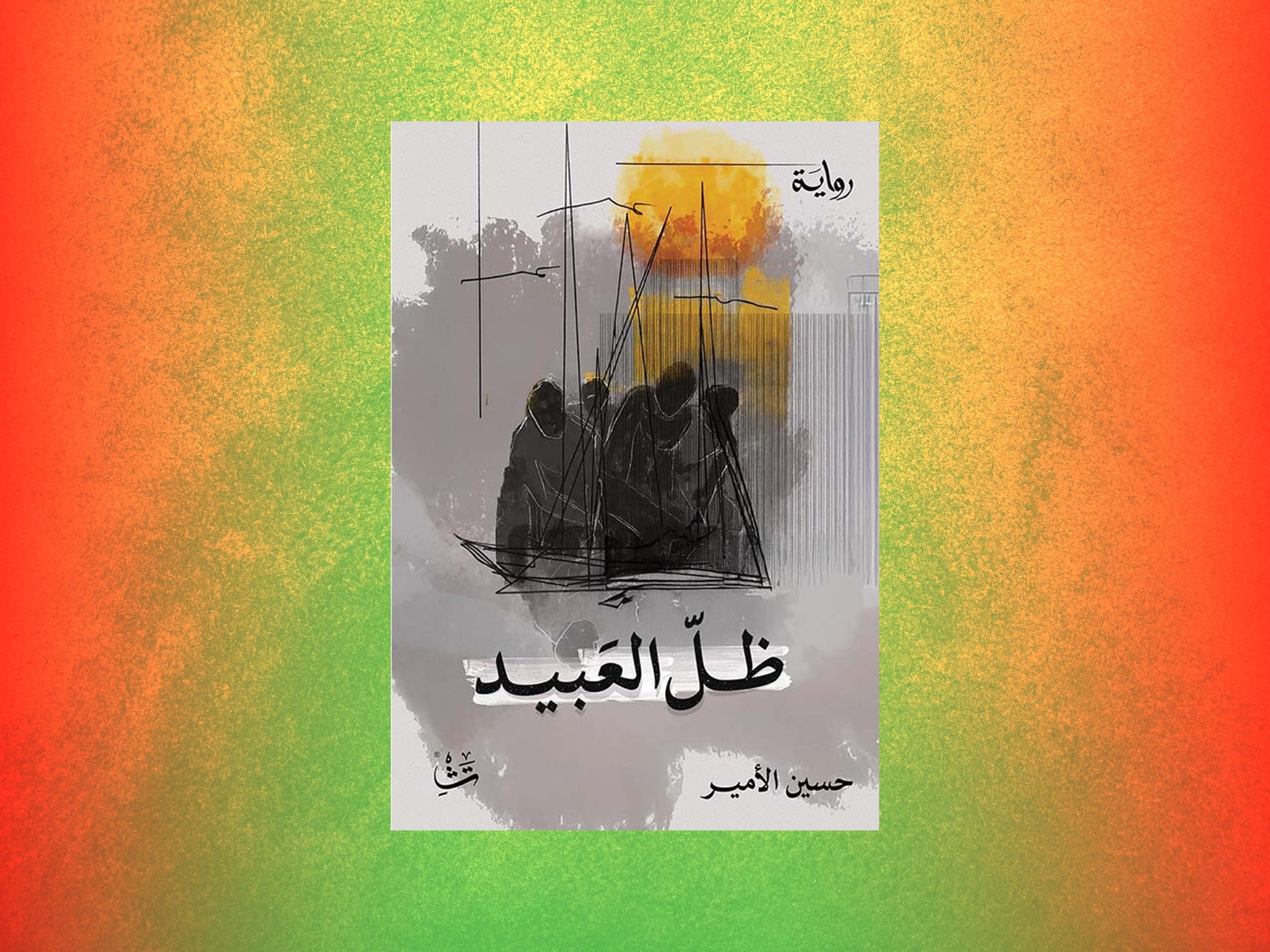
When an era ends, its imprint remains upon those who lived through it. This is the territory Hussein Al Amir explores in Shadow of Slaves, which examines both the experience of slavery and what the system leaves behind after its visible structures have disappeared. An institution may vanish while its language endures. The person who made a will may die, yet their voice can continue to govern the decisions of those who follow them. As successive confessions unfold, the past emerges through multiple voices, each shaping its remembrance differently.
The past also inhabits people through their imaginings. In Raja Alem’s Masra Ya Raqib, place reaches beyond its historical memory. Wadi Abqar—long associated in the Arab imagination with jinn and poetry—is revisited without any attempt to place it on a map. Instead, the novel fashions it into a realm where the imagination can extend the tales inherited from ancient tradition. Myth does not thereby become history, yet it preserves something of the history of the imagination that created and perpetuated it, giving a place a life that geography alone cannot capture.
Imagination can shape the life of an entire community, just as it shapes a place’s character. In Yahya Amqasim’s Saq al-Ghurab: Al-Harba, the story of Sadiqiya—whom her community believes was abducted by jinn and later returned—carries significance beyond that of a folk tale told for entertainment. It confers knowledge, prestige, and a role in decision-making upon the woman at its centre.
Around her, the novel preserves a wider world, with its own understanding of land, labour, love, courage, women’s influence, and tribal authority. It has its own language, chants, customs, and ways of explaining what it knows and what it cannot comprehend. As the authority of the state approaches and that world begins to fracture, the changes reach beyond social relationships to the sources of certainty and the very order of life.
Yet beliefs and stories are only some of the ways life preserves the memory of its age. In Amal Al Faran’s Divers of Al-Ahqaf, the torrent that strikes Al-Aqiq is called Qashash. It destroys homes and farms, and locusts descend upon whatever the waters have spared. The disaster reveals more about the people than about its destructive force: who can set aside an old feud, who remains captive to it, and whose courage and generosity emerge when homes are threatened.
The surviving tale
Sometimes, the tale itself is what survives. In Khalif Al Ghalib’s Uqdat al-Haddar, the past passes from place into narrative. At the heart of the novel lies a salfa, an oral tale about a man driven by poverty to sell himself. Fiction takes up the story to recover what happened. The original tale needed only to preserve that a man sold himself; the novel must ask how someone reaches the point where their body is the last possession they have left. The novel preserves what happened and the path the story took to reach us.
Sometimes, a story arrives incomplete. In Omaima Al Khamis’s Ammat Al Mishriq, the story of Al Jazi reaches her grandson Fawaz a century later, with parts missing. The gaps prompt his search. An old tape recorder struggles to preserve voices, some of which emerge distorted. Fawaz then turns to the camera and film to reconstruct what has been lost. Each generation seems to inherit a new means of reaching the past rather than the past itself. Yet every instrument the novelist introduces to preserve Al Jazi also exposes its limitations. The recording retains a distorted voice; the camera arrives after the woman whose image it seeks has gone.
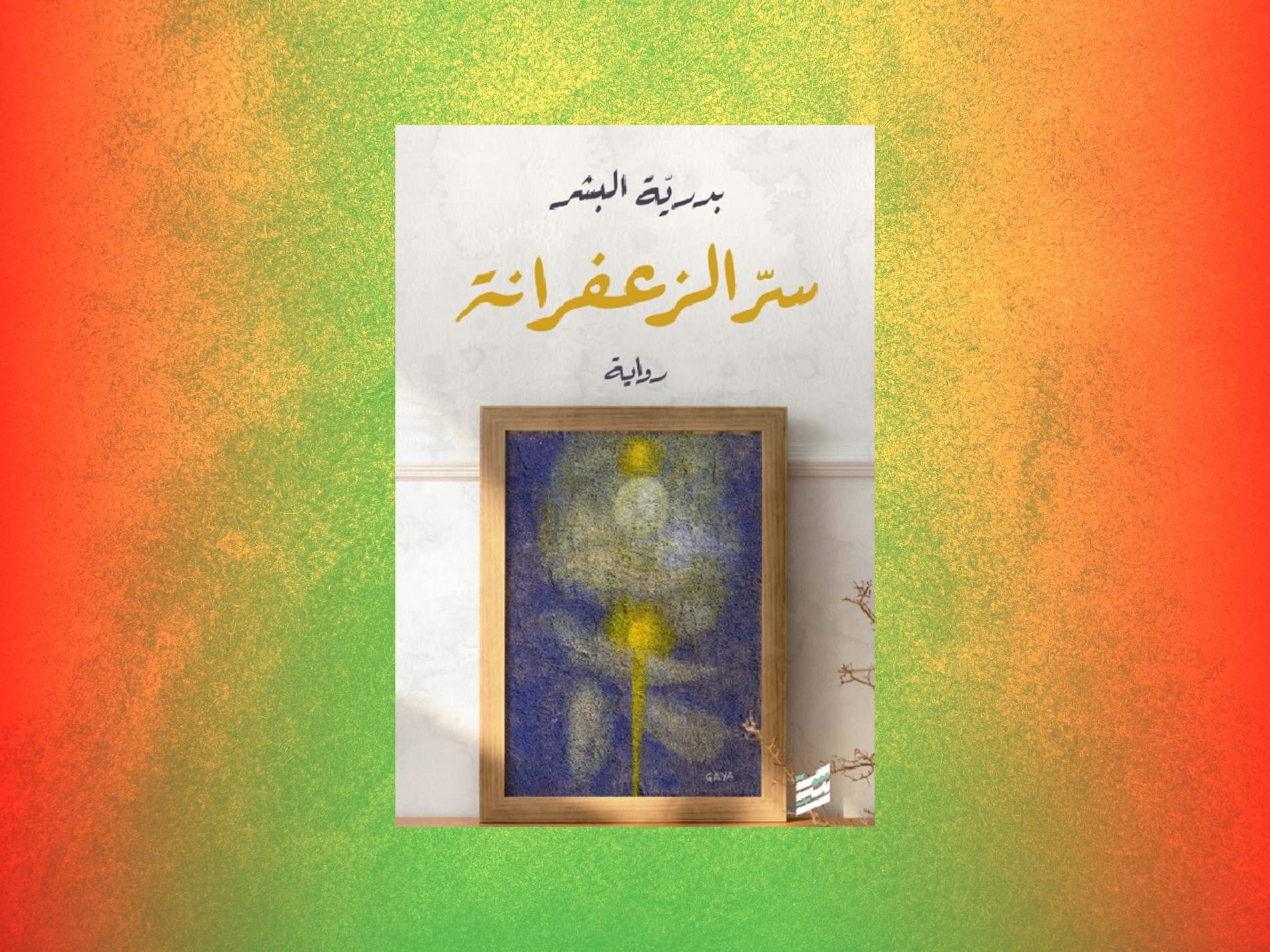
From instruments that seek to preserve human lives, we turn to people who carry knowledge that was never written down. In Badriah Al Beshr’s The Secret of Al Zaafarana, history enters through the household. Locusts, smallpox, and the upheavals of an age are present, but history also enters through coffee being roasted, fabric being touched and sewn, women’s gatherings, and traditional remedies.
Nafla learns both herbal medicine and storytelling from Zaafarana, an enslaved woman. Within this modest exchange, a larger hierarchy is unsettled, for knowledge does not always flow in the direction of power. One form of knowledge seeks to preserve the body; the other keeps people’s lives from being forgotten. When smallpox exposes the limits of the former, stories may outlast the lives they recount.
Reading time
The human body that medicine seeks to preserve becomes another means of reading history in Shtaywi Al Ghaithi’s Tears of Sand. A thorn pierces a man’s foot and brings him down. A woman gives birth. Sheep bleat, horses neigh, and the smell of gunpowder fills the air. Behind Nuwayr and her family unfold the transformations surrounding the establishment of the Third Saudi State, the Al Rashid dynasty, and the rebellion of the Ikhwan. The novel is at its most compelling when its characters do not pause to explain the history unfolding around them.
Perhaps the strength of historical fiction lies in its ability to set aside what the present knows about the past. The novelist knows how events ultimately unfolded, while the characters experience them without knowing where they will lead. When fiction restores their uncertainty about the future, the past comes alive again as lived experience rather than a lesson.
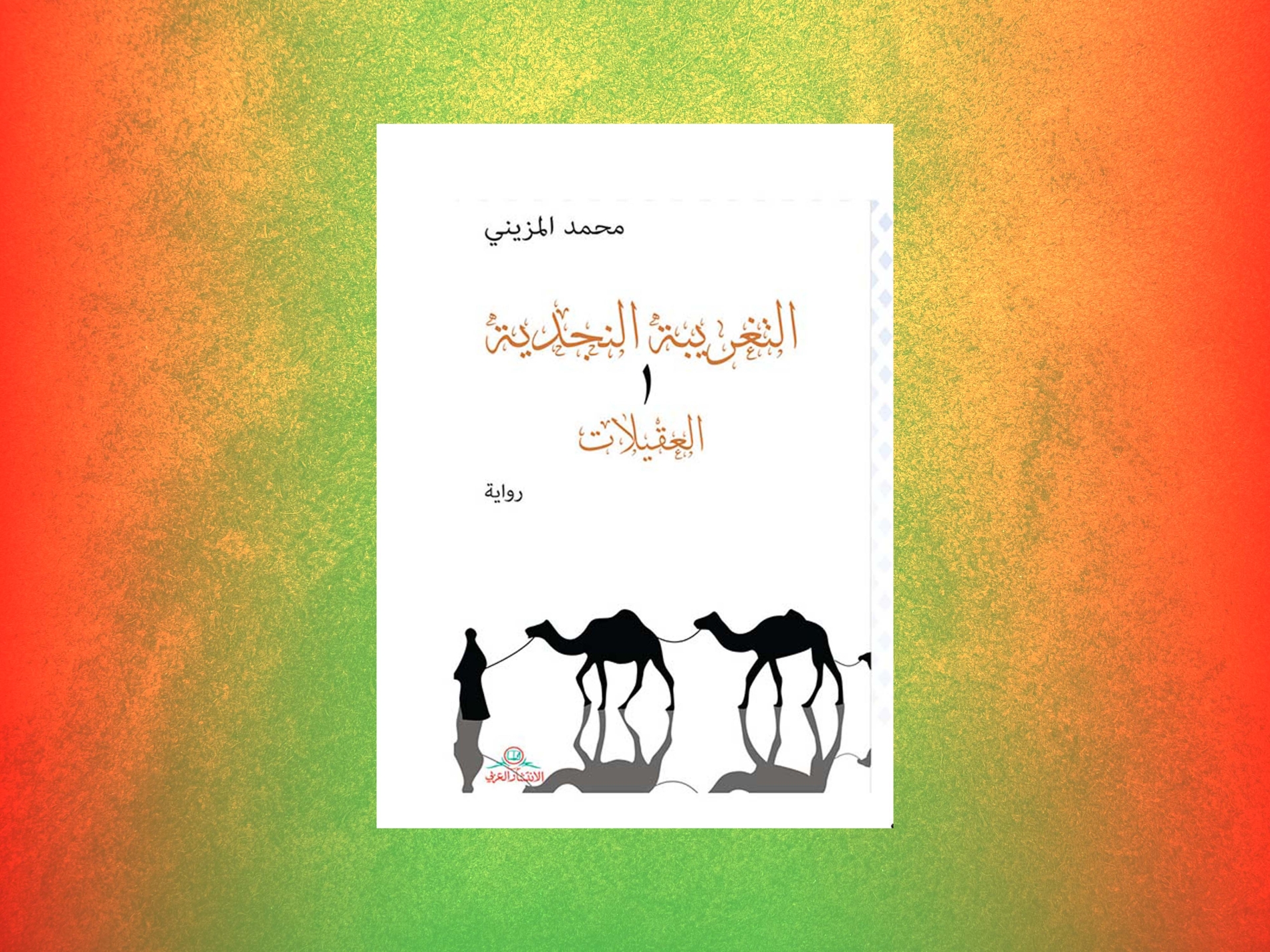
This is why Mohammed Al Muzaini's The Najdi Exile: The Aqilat begins before the journey itself: in a home that can no longer sustain its inhabitants, amid hunger and memories of epidemic disease, with a pregnant woman and a man who cannot know what awaits him beyond the horizon. History can catalogue the cities reached by the Aqilat traders, yet far harder to measure is how much of Najd travelled with them after they had left.
Sometimes, a place need not travel with its inhabitant. It is enough for the place to give him its name. In Ahmed Al Subait's Papers of Hajar, the novelist names his protagonist Hajar, then sends him away from Hajar to Riyadh, Mecca, and Jeddah.
A world of knowledge
An entire body of knowledge can also travel with a person. In Ahmed Al Sammari's The Camel Corps, camels provide Manawer with his livelihood, a means of travel, and a wealth of practical knowledge. They are then transported to the US, where they become part of a military project in another desert. Yet the animals do not make the journey alone. Accompanying them is a man who knows how to guide them and recognise their thirst, drawing on knowledge that need never have been written down in Najd because it was part of everyday life. Historical records can trace the animals' passage between continents, but the knowledge that made their presence in that distant landscape possible cannot be found in a shipping manifest.
Between what people know of the world they can see and their attempts to explain what lies beyond their sight stands Juraidi Al Mansouri's Sadin. There is the cave where Jahar awaits a draught of poetic inspiration, the jinn through whom the community explains the sounds of the night, and the stories passed from one gathering to another. None of these needs to be established as historical fact for their influence to be real for those who feared them, believed in them, or ventured to places under their spell.
The same human being, unaware of what history will eventually select from ordinary life, appears in Khalid Al Namazi's Al-Hafa'ir: The Mountain Pit, where the novel places its protagonists amid momentous events. Historians can recount the history of Al Idrisi and the Battle of Al-Hafa'ir. The true test of fiction lies in what unfolds beneath these events: three generations, courts, schools, and changing ways of life. Whenever a great event recedes slightly, everyday existence comes into view.
These novelists have explored different periods and approached history from different directions. Yet, considered together, their works reveal something no single novel could convey. Over many years, Saudi fiction has been assembling another account of the past—a history of people, places, and memory rather than a chronicle of events.