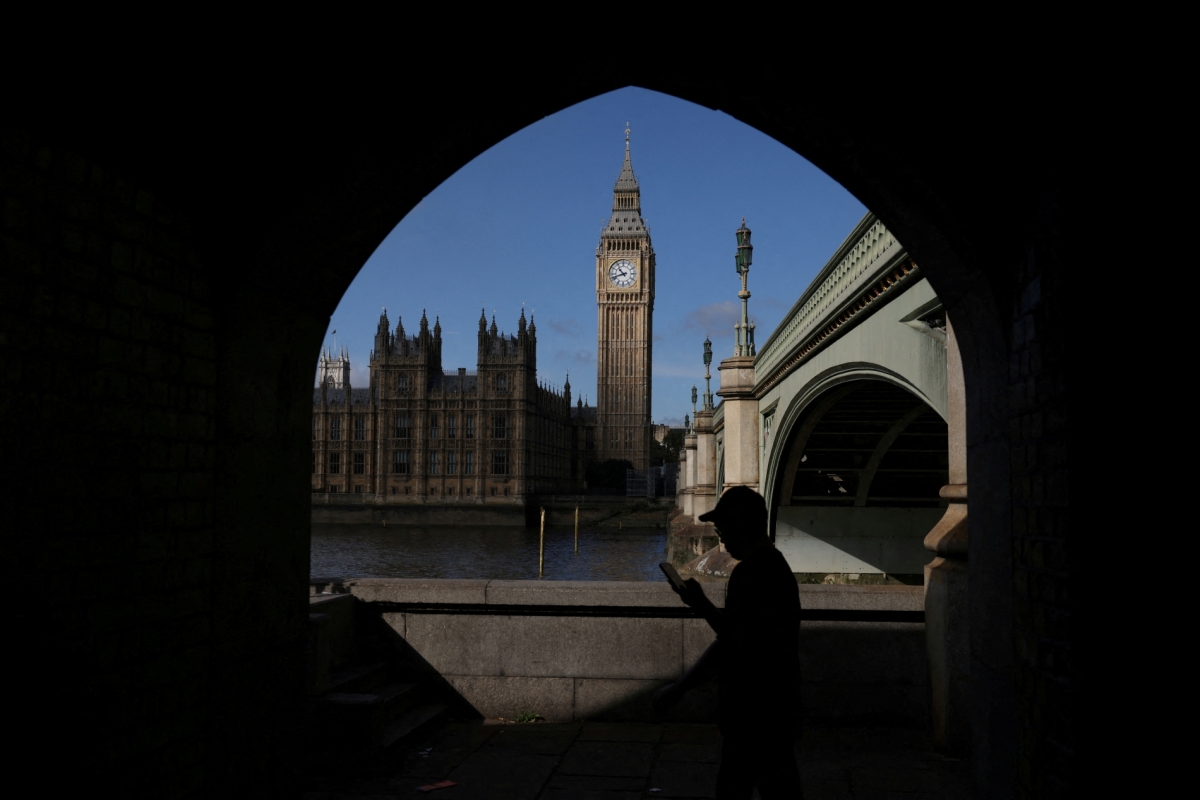

It was a secession vote no one in Westminster saw coming. In September, the village of Piddington in Oxfordshire held a referendum to declare independence from the United Kingdom. The vote, of course, had no legal weight, and was a symbolic gesture by the village’s 350 residents (285 of whom voted to leave) to protest plans to house over a thousand male asylum seekers in a nearby military base.
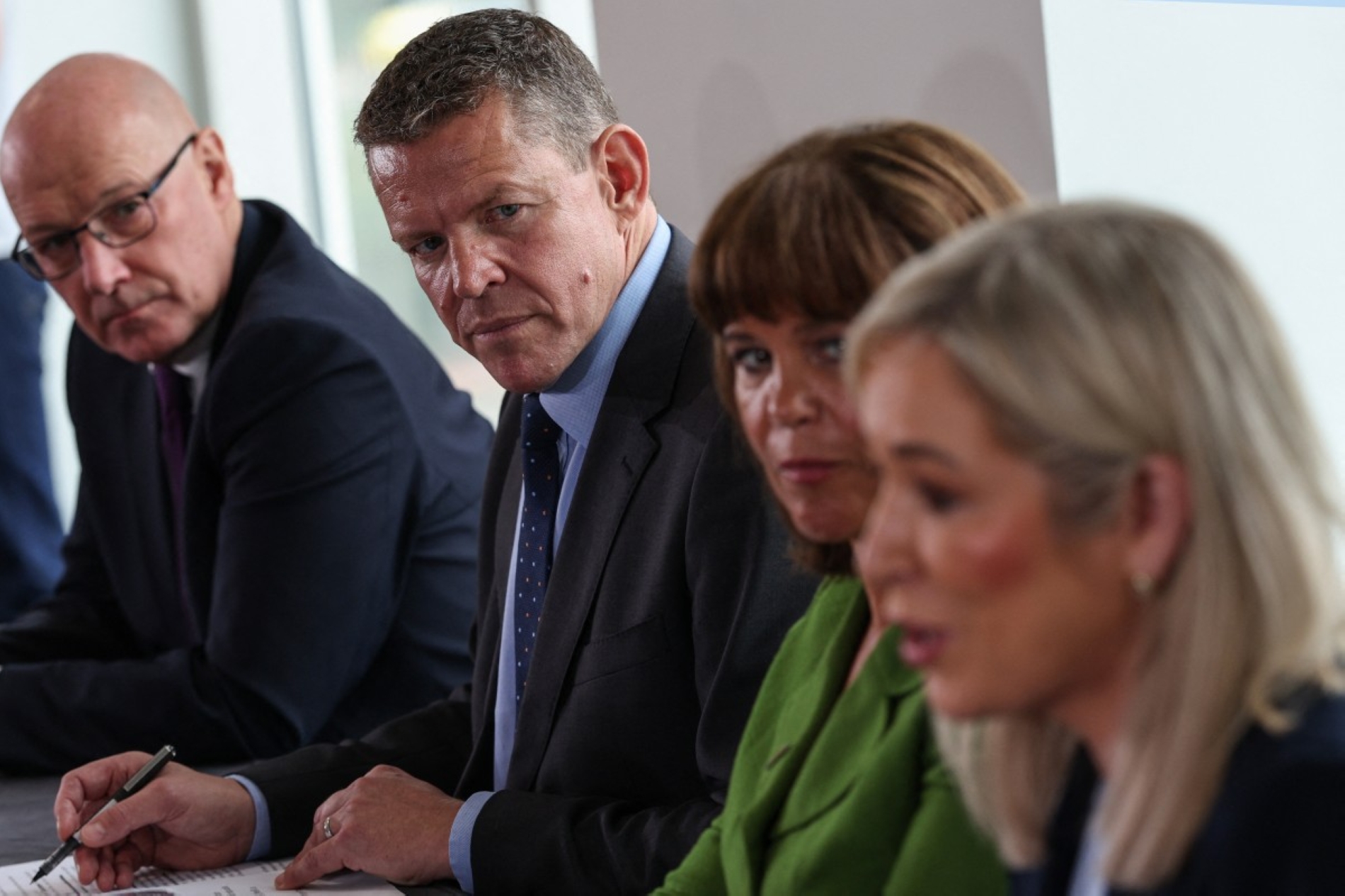
Yet while the move was dismissed by the UK government as political theatre, it coincided with a far more serious discussion of secession held days earlier in Cardiff. There, the recently elected First Minister of Wales, Rhun ap Iorwerth, leader of the Welsh nationalist Plaid Cymru party, hosted a gathering of other ‘Celtic’ political parties to discuss independence from the UK.
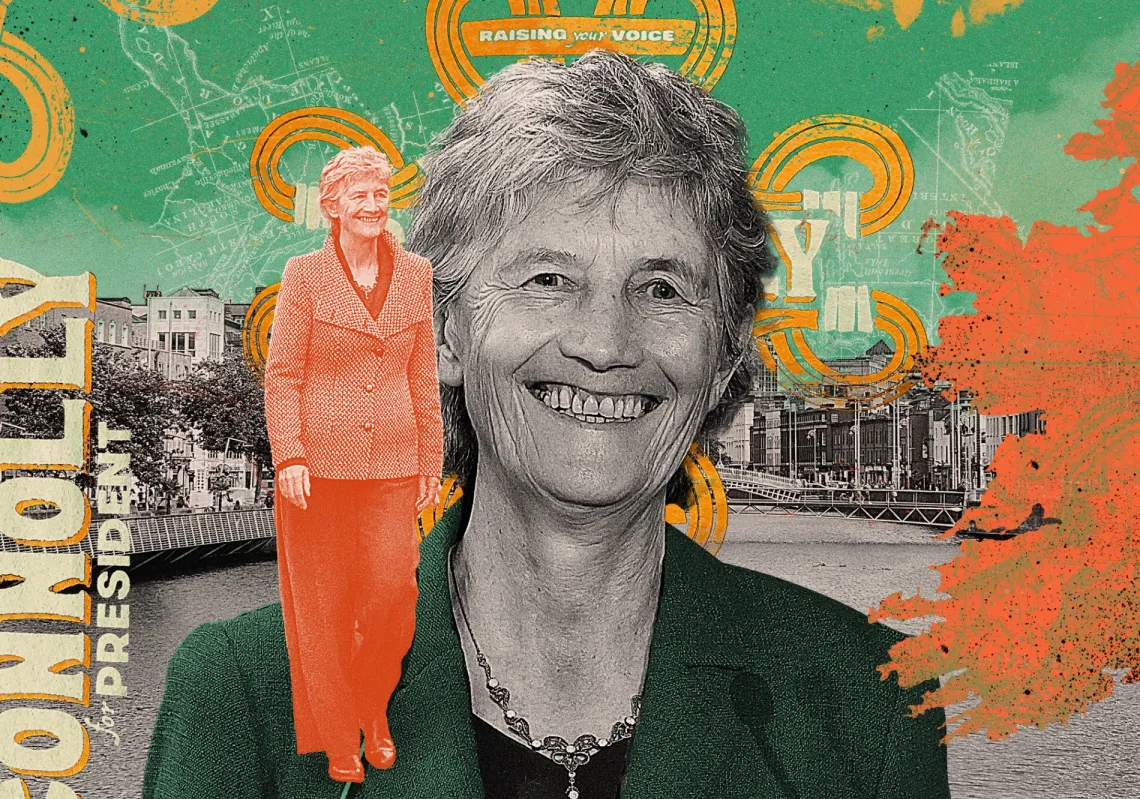
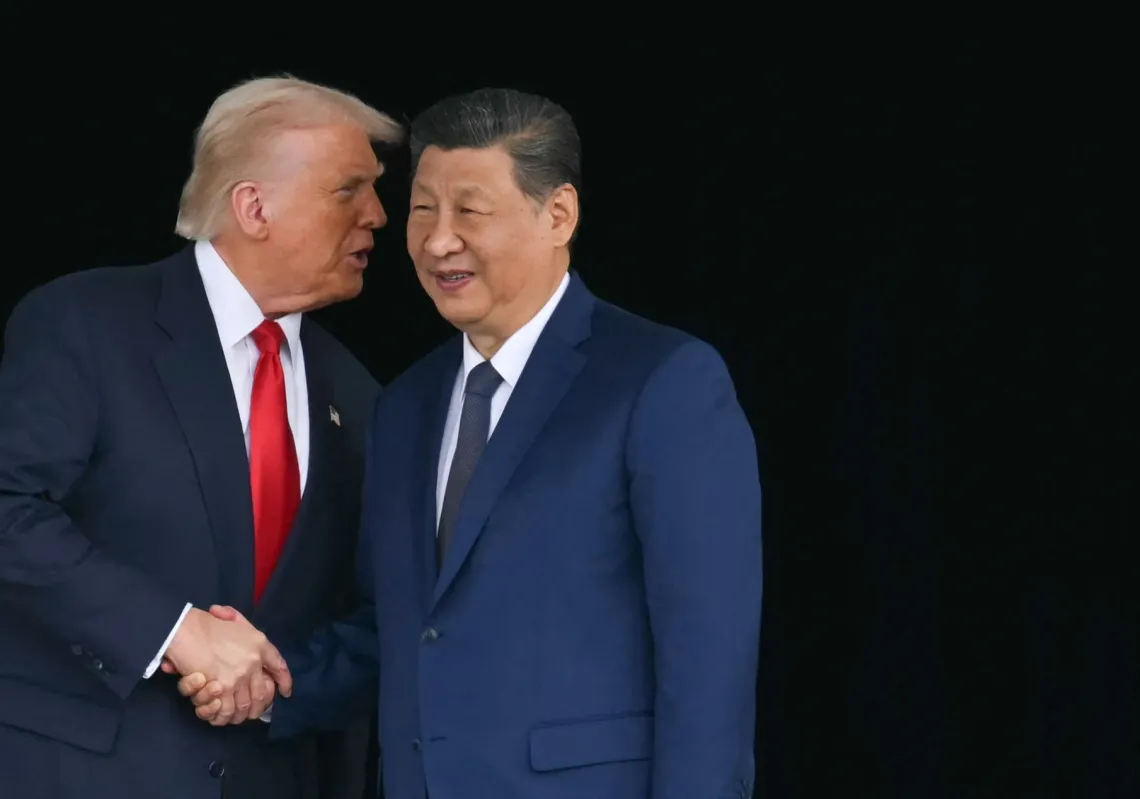
The Scottish National Party (SNP) leader and First Minister of Scotland, John Swinney, Sinn Féin’s vice-president and First Minister of Northern Ireland, Michelle O’Neill, and Sinn Féin president and leader of the opposition in Ireland, Mary Lou McDonald, all signed a memorandum of understanding with ap Iorwerth calling on, “the British government to prepare for, plan and facilitate constitutional change,” ultimately leading, they hope, to self-determination. This came days after Donald Trump controversially said he would “love” to see a United Ireland during a trip to Dublin.
While new British Prime Minister Andy Burnham is unlikely to be troubled in the immediate term by any of these potential secessions, least of all Piddington, it shows that questions over the breakup of the United Kingdom have not gone away. The reality, though, is a complex picture. Despite the ‘Celtic’ political parties wanting to present a united front, their three ‘nations’ face very different political positions vis-à-vis London, affecting how realistic it is that any or all will eventually leave the United Kingdom.
The new Irish question
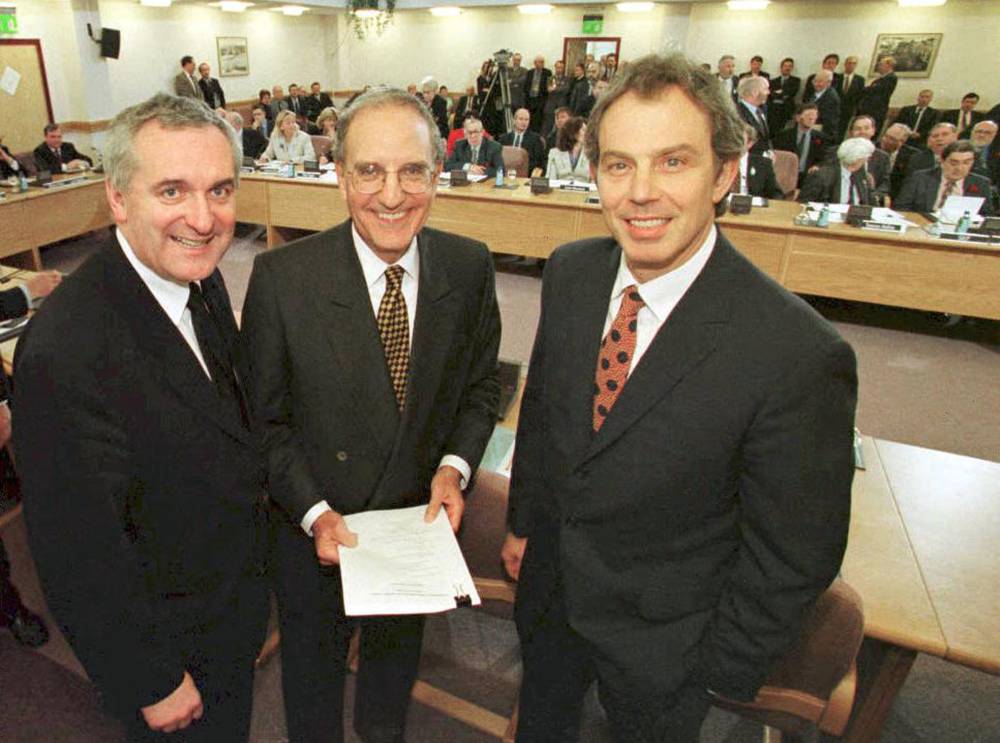
Arguably the most significant threat to the continued union of Great Britain and Northern Ireland comes from over the Irish Sea. Unlike in Wales and Scotland, Northern Ireland has an existing legal mechanism to end rule from London. The 1998 Good Friday Agreement, which largely brought the decades-long ‘Troubles’ to an end, states that Northern Ireland will remain part of the UK until a majority of the population of the province votes otherwise. On the one hand, this safeguards Unionists. A Republican Party, Sinn Féin, won the most seats in the often-dysfunctional Northern Ireland Assembly for the first time in 2022, but the latest polls show that only 35.8% of the population favour immediate Irish unification.
However, a concern for London and Northern Irish Unionists is the direction of travel. As recently as 2013, a poll showed only 17% favoured Irish unification, while 65% wanted to remain part of the UK. Now that number has more than doubled. Particularly noticeable is the shift among young voters.
A 2025 Lucid poll showed that 50% of under-35s, most of whom grew up after the Troubles in an environment of greater tolerance and integration between Protestant and Catholic communities, support Irish unity, while 44% oppose it. Research suggests that the Republic’s comparative prosperity relative to Northern Ireland in recent years and its remaining in the EU after Brexit has made secession from the UK more attractive to younger people, even those who historically may not have been of a republican persuasion.
While O’Neill, McDonald and even Trump may favour accelerating the pace of unification, the polls suggest that pressure for it could grow over time, barring a significant economic or political shift that makes London more attractive and Dublin less so to Northern Irish voters. Moreover, save overturning the Good Friday Agreement, were that to happen, there’s little London could do to prevent it.
There are questions, however, over whether London would object to Irish unity, should Northern Ireland vote for it. This is not a salient issue among the public, with 54% of Britons (people from England, Scotland and Wales) telling a YouGov poll in 2020 that they “wouldn’t be bothered either way” if Northern Ireland left the union, and only 24% saying they would be “upset”. In contrast, any question of either Scottish or Welsh independence would prove far more controversial.

Scotland and Wales
In Scotland, new Prime Minister Andy Burnham has stated that a new referendum on independence is “off limits.” This has prompted clashes with First Minister Swinney, who insists that the Scottish Parliament in Holyrood has the right to demand such a referendum given that parties that favour such a vote—the SNP and the Scottish Greens—form a majority following May’s Scottish elections. However, the UK’s Supreme Court declared in 2022 that Holyrood could not legislate for an independence referendum without London’s consent, and Burnham, along with the other major British parties in Westminster, oppose one being held.
With these constitutional obstacles, it will be hard for Swinney to fulfil his pledge to hold an independence referendum in the next five years. Moreover, even if he manages, winning it may prove even harder. In a 2014 referendum, Scots rejected independence by 45-55%. Since then, research suggests opinions may have changed, especially given frustration in Scotland at leaving the EU despite a majority of Scottish voters backing Remain in the Brexit referendum of 2016.
Even so, a February YouGov poll still showed only 42% favouring independence, 49% opposed and 10% undecided. This falls well short of a decisive swell of public opinion of the kind Swinney characterises. The reality, it seems, is that Scotland remains quite evenly decided on the issue and it is far from clear whether there can be a vote anytime soon given London’s firm opposition, or that it would lead to secession even if a vote was held.
A similar ambiguity is present in the case of Wales. Plaid Cymru’s victory in the Senedd elections in May was the first time the Welsh nationalists had emerged as the largest party and supplied Wales’ First Minister. It also meant that nationalists were the largest parties in all of the UK’s three devolved assemblies. But, possibly to win votes, ap Iorwerth has been more cautious about seeking independence.
Despite the confidence of the Cardiff memorandum, he has already pledged not to seek a vote on independence in Plaid Cymru’s first term in office, reversing the party’s long-standing policy. He instead said his focus would be on health, education and the economy.
This is unsurprising given the lack of popular backing for a vote. Recent polling has shown support for independence at only around a third of voters. Even more so than in Scotland and Northern Ireland, the nationalists have a big mountain to climb before they can persuade either London that there is a popular demand for a referendum or the Welsh public to back independence if and when one is granted.
Changes in England
For all the Celtic party leaders’ confidence in Cardiff, the road to separation from London is far from straightforward and talk of the collapse of the United Kingdom may be premature. Northern Ireland differs from Scotland and Wales in two important respects: there is a generational shift towards Irish unity and an established legal mechanism through which such constitutional change could occur. While Trump’s assertion that it “may as well happen now” is premature, not least because there seems little urgency from Dublin to push the matter, Irish unity could plausibly become a more pressing issue within the next decade or so.
Scottish and Welsh nationalists face a different set of obstacles. Both face significant legal and political barriers to even get an independence vote to happen and would then have to persuade a still sceptical public of the merits of secession. It’s plausible that neither gets very far.
Ironically, one overlooked factor might be changes occurring in England. Despite his scepticism of Celtic independence, Burnham’s signature policy in England is greater regional devolution. He wants to empower regional mayors with greater powers over taxes, transport and other areas, in an effort to boost local growth and improve governance.