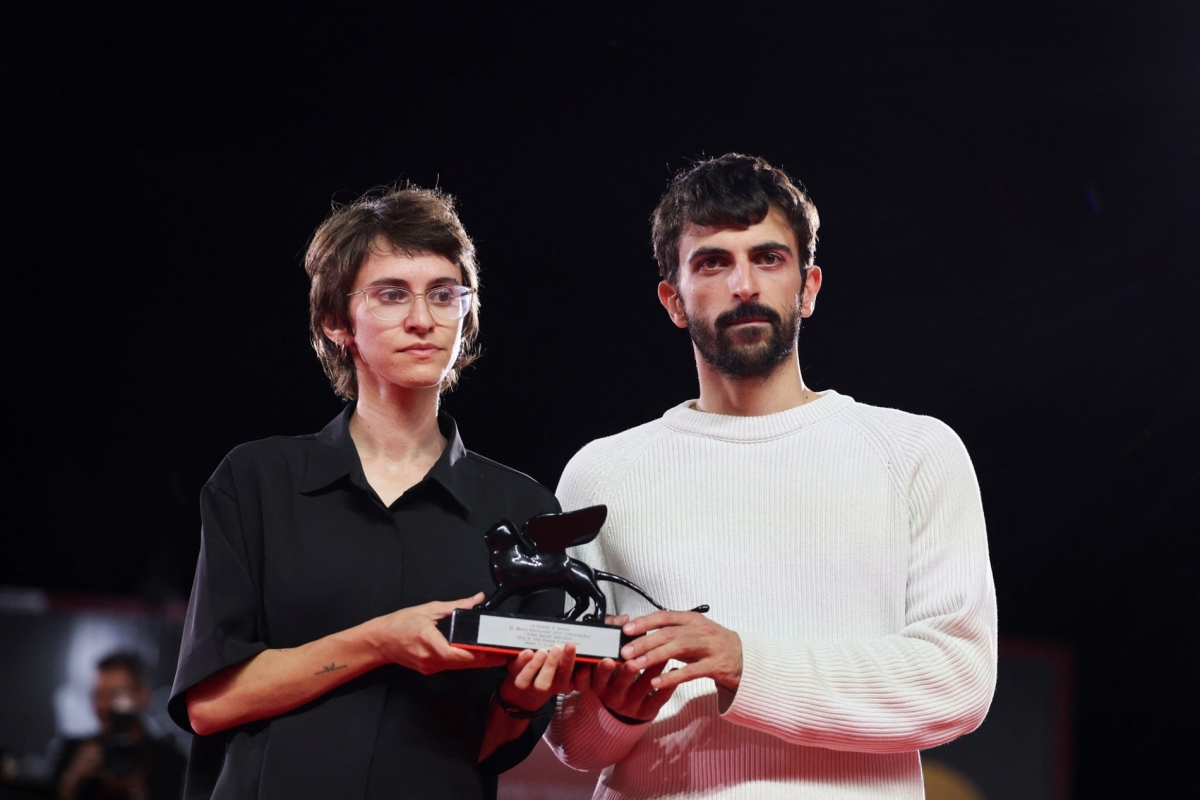

The Israeli film NAZA, screened at the latest Venice Film Festival, has stirred the beginnings of a debate among Palestinians and Arabs over the meaning and value of Israelis exposing the conduct of their own army and government during the genocidal war in Gaza.
This debate remains in a formative stage for two reasons. First, no one (save for the festival audience) has actually seen this 2026 documentary film written and directed by Israelis Yuval Abraham and Rachel Szor, which follows the mass killing of civilians by Israeli forces in Gaza through 24 interviews with anonymised military and intelligence insiders. As a result, the argument at this stage is one of principle. It concerns neither what the film reveals, nor how it handles its subject, nor its conclusions.
Second, the debate has so far been immediate and emotional, prompted by the commotion that followed reports that the festival audience applauded for 25 minutes after the film finished. This irritated some observers, who drew comparisons with the reception previously given to The Voice of Hind Rajab, a 2025 documentary about the Red Crescent response during the killing of a five-year-old Palestinian girl by Israeli soldiers in Gaza. A few even suggested that the contrast was deliberate and intended to elevate the Israeli account of genocide above the Arab one.
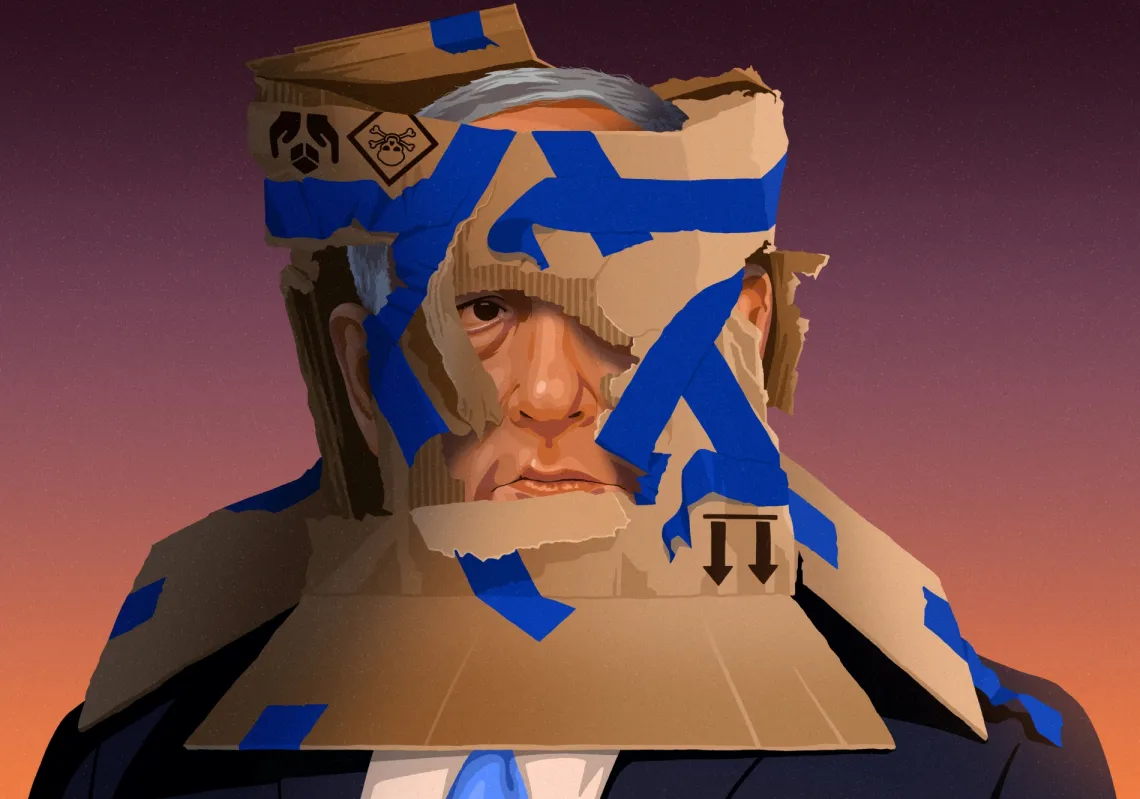
European acclaim for NAZA, which was reflected in a Jury Prize, may stem in part from relief that, this time, Israelis themselves are recounting Israeli atrocities in Gaza. For the festival, this shields it against accusations of antisemitism or bias in promoting the Palestinian narrative. It also gives the film a different status: testimony from within. This, in turn, may help confront Israel’s occupation, racism, and genocide. Yet some may see it as a kind of exonerating testimony on behalf of Israeli society, allowing them to oppose the occupation with a clear conscience without having to confront the deeper structural flaws of a society that grew out of that occupation.
NAZA, which is an Israeli military acronym for nezek agavi (meaning ‘collateral damage’), has not yet had a public release, and may not get one, given its nature as an investigative documentary. The controversy surrounding it is therefore, for now, genuinely a debate about principle: does a film made by Israelis about the crimes of their own state amount to ‘whitewashing Israel’ by presenting Israeli society as pluralistic, one that contains both good and bad, extremists and moderates, those who believe in justice and those who practise genocide?
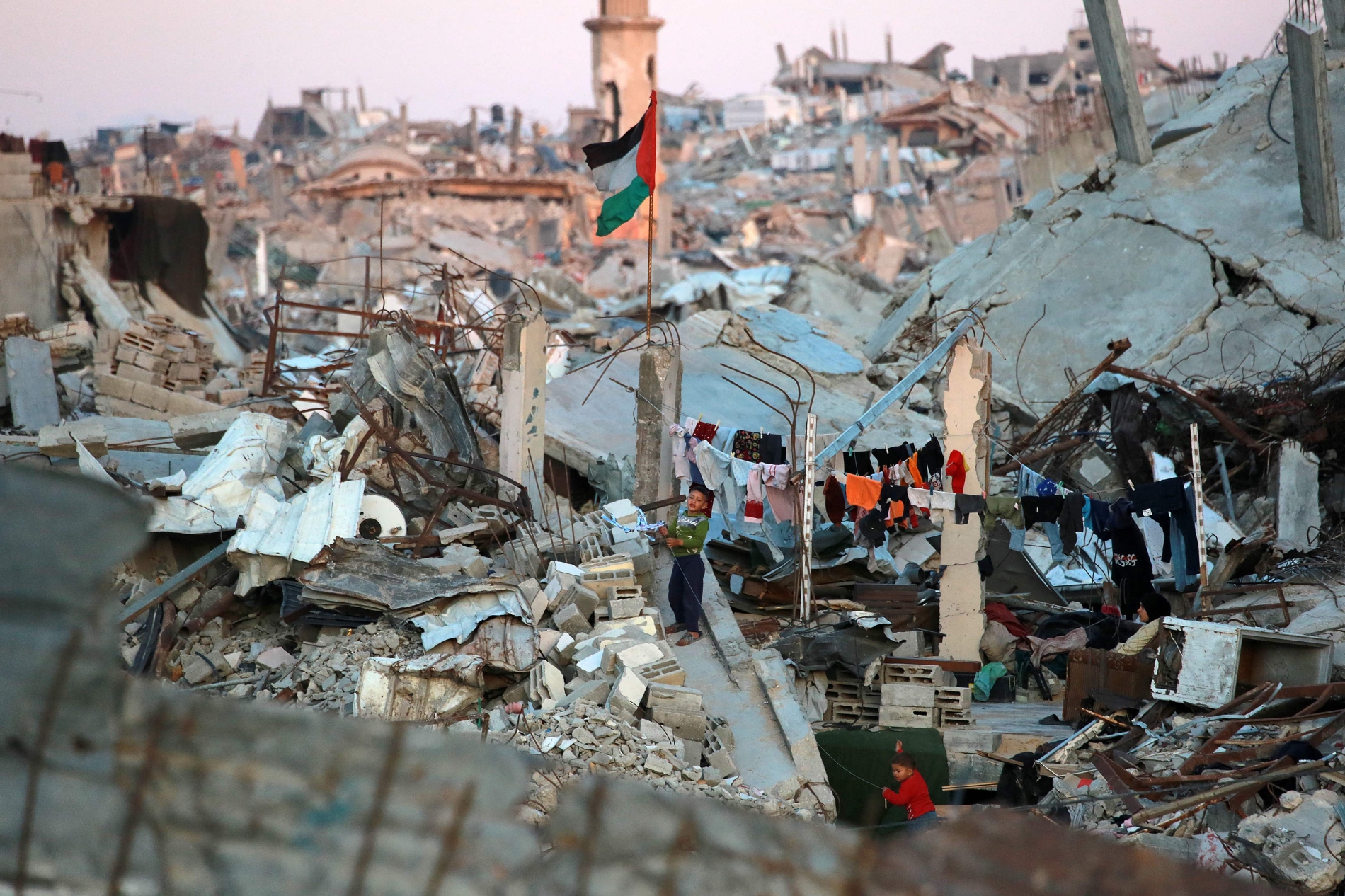
The question is valid, as is the scepticism behind it. Israeli Prime Minister Benjamin Netanyahu’s extremist government did not spring from nowhere. It came to power through democratic elections. During the genocidal war, demonstrations dwindled, while expressions of Israeli public support grew to a disturbing degree. Some even turned the round-the-clock bombardment of Gaza and the killing of civilians into an occasion for outings and spectacle.
In favour of death
Between March and April 2024, when the death toll in Gaza since October 2023 stood at almost 35,000, a Pew Research Centre survey revealed that 39% of Israelis felt that the military response had been about right, 34% felt it had not gone far enough, and only 19% felt it had gone too far. Among Jewish Israelis, just 4% said the response had gone too far, compared with 74% of Arab Israelis.
Anti-Zionist Israeli writer Alon Mizrahi appeared acutely aware of this dilemma. “Palestinians are living at the heart of the tragedy, then Israelis come along and make films about their suffering and win awards,” he said. “I will not defend this phenomenon. It can seem like a terrible insult, and I share that feeling.” He added that “there are decent Israelis who are deeply pained and offended by the shame of apartheid and genocide,” but said they are “an exceedingly small minority, a tiny fraction of Jewish Israeli society”.
To some, therefore, only a vanishingly small minority of Israelis can still be said to have a conscience or moral sensibility, although even here, their positions vary considerably. Some authors and intellectuals, such as Alon Mizrahi, Ilan Pappé, Omer Bartov and David Grossman, openly acknowledge that Israel has committed genocide. Others confine their criticism to ‘isolated’ war crimes or ‘individual’ acts, a position often adopted by the Israeli government itself when it can no longer deny that a particular crime has taken place.
Some go no further than condemning occupation, colonialism, and racial discrimination. Others direct their opposition almost entirely at violent settlers without asking how the most extreme government in Israel’s history came to power. Even Mizrahi, in his post, defended only Rachel Szor and made no mention of Yuval Abraham. Some felt this omission was due to Abraham’s positions, such as defending reports that women were raped on 7 October 2023 (that, alongside the story of “burned babies”, was used to justify the brutality that followed).
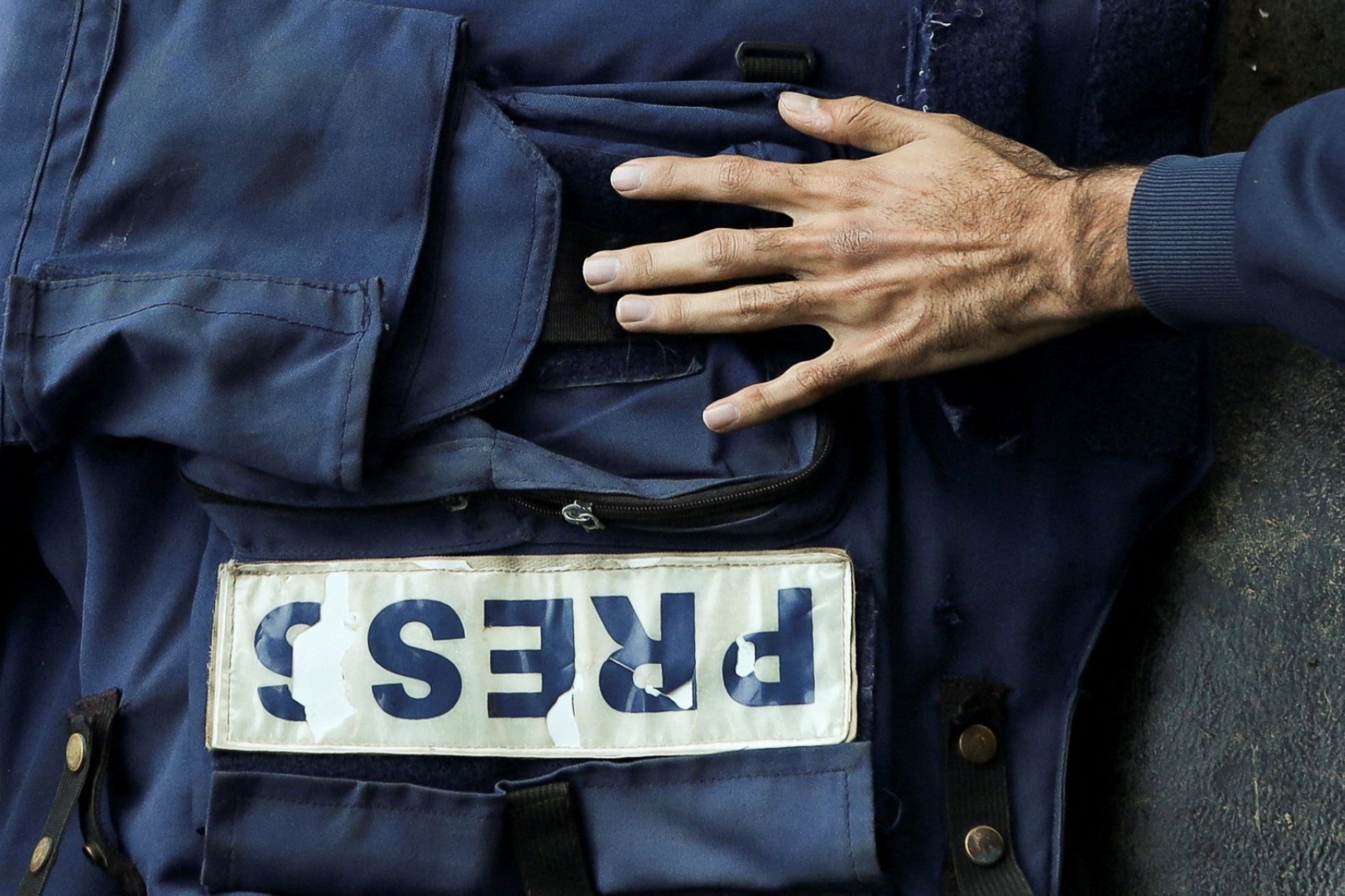
What Mizrahi perhaps overlooks, owing to a heightened sensitivity to Palestinian suffering, is that Palestinians have already told, and continue to tell, their own story. The Israeli voices joining them in that endeavour are barely visible, merely a “fraction”, as Mizrahi himself puts it, of the wider picture. Hundreds of Palestinian voices have recounted the chapters of genocide in different ways, including through literature and the arts, and carried them to the world, despite the over 265 journalists killed since October 2023 (but that is another story).
Historical precedent
The central question remains: do Israelis have the right to tell the story of what their state has done? If they do, does their testimony serve the image of Israel as a pluralistic, democratic state? This paradox is by no means confined to Israel.
During the Algerian War in the 1950s, some of the most prominent figures to expose the torture and killing by French forces were themselves French. In 1958, journalist Henri Alleg published La Question, which detailed the torture he endured at the hands of French paratroopers after his arrest in Algeria. French authorities confiscated the book weeks after its publication, but by then copies were circulating, and it became a famous testimony to torture during the Algerian War.
That same year, French historian Pierre Vidal-Naquet published L'Affaire Audin, about the young mathematician Maurice Audin, a member of the Algerian Communist Party who was arrested by the French army in Algiers in 1957 and subsequently disappeared. The French military claimed that he had escaped from custody. Vidal-Naquet dismantled that account, concluding that Audin had died under torture. He later devoted much of his work to documenting French torture in Algeria, culminating in Les Crimes de l'Armée Française: Algérie 1954-1962, which collated documents and testimonies.