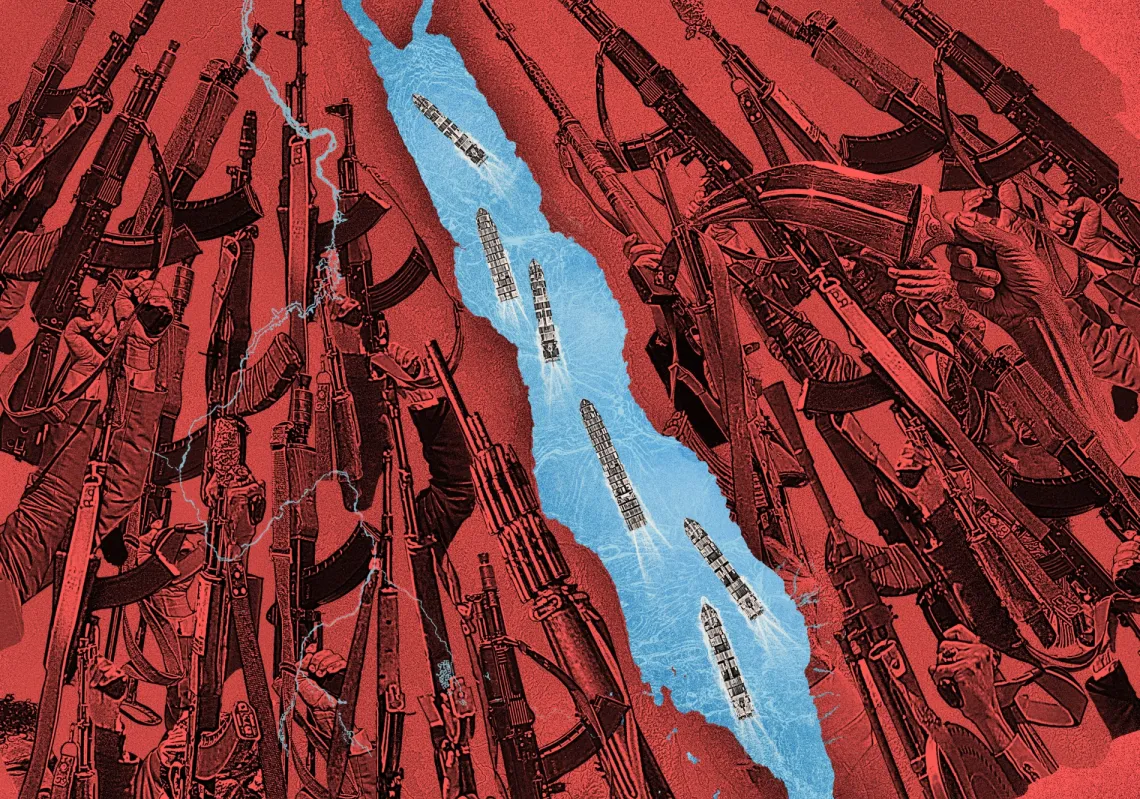

Yemen’s Houthi movement has stepped up efforts to gain full control of the Bab al-Mandab Strait, which would allow it to restrict maritime shipping in the Red Sea. Controlling these waters would give Tehran more leverage against the US, which is waging a multi-front war against it.
To this end, the Iran-backed group’s strategy appears to be baiting Saudi Arabia into a military confrontation by challenging longstanding United Nations Security Council resolutions that impose restrictions on the group. Those resolutions authorised Saudi Arabia to lead an Arab coalition in support of Yemen’s internationally recognised government after the Houthis seized control of the capital Sanaa on 21 September 2014 and placed the country's then-president, Abdrabbuh Mansur Hadi, under house arrest.
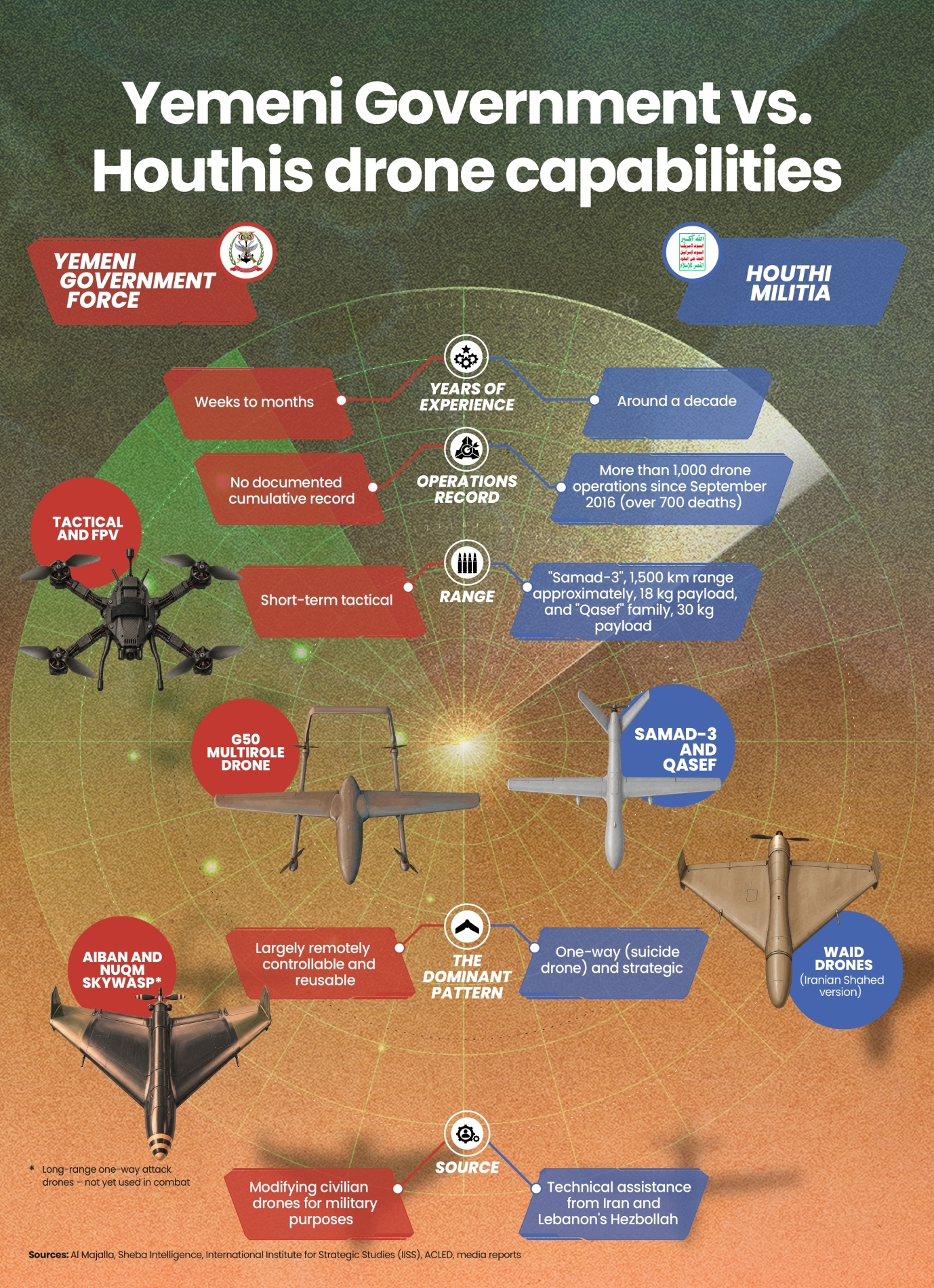
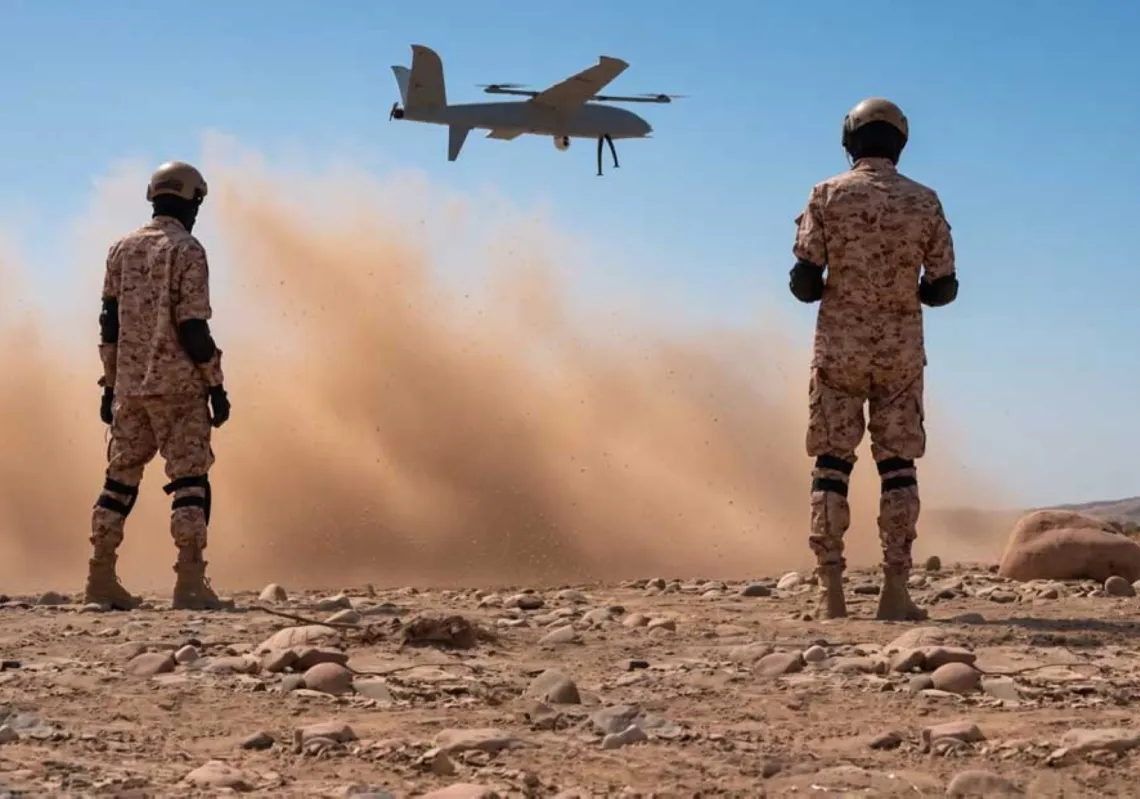
For a decade, the Houthis enjoyed a tactical military edge, with a near-monopoly over asymmetric aerial warfare. They could monitor their adversaries and strike troop concentrations and command centres far from the front lines, while government forces functioned mainly defensively.
While the size of the Houthi arsenal has never been disclosed, its operational record shows its potency. For over a decade, they have carried out more than 1,000 drone operations, killing more than 700 people. In terms of range and type, the Houthis operate strategic one-way attack drones, including the Samad-3, with a range of roughly 1,500 kilometres and an 18-kilogramme payload, as well as the Qasef family, whose payloads can reach 30 kilogrammes.
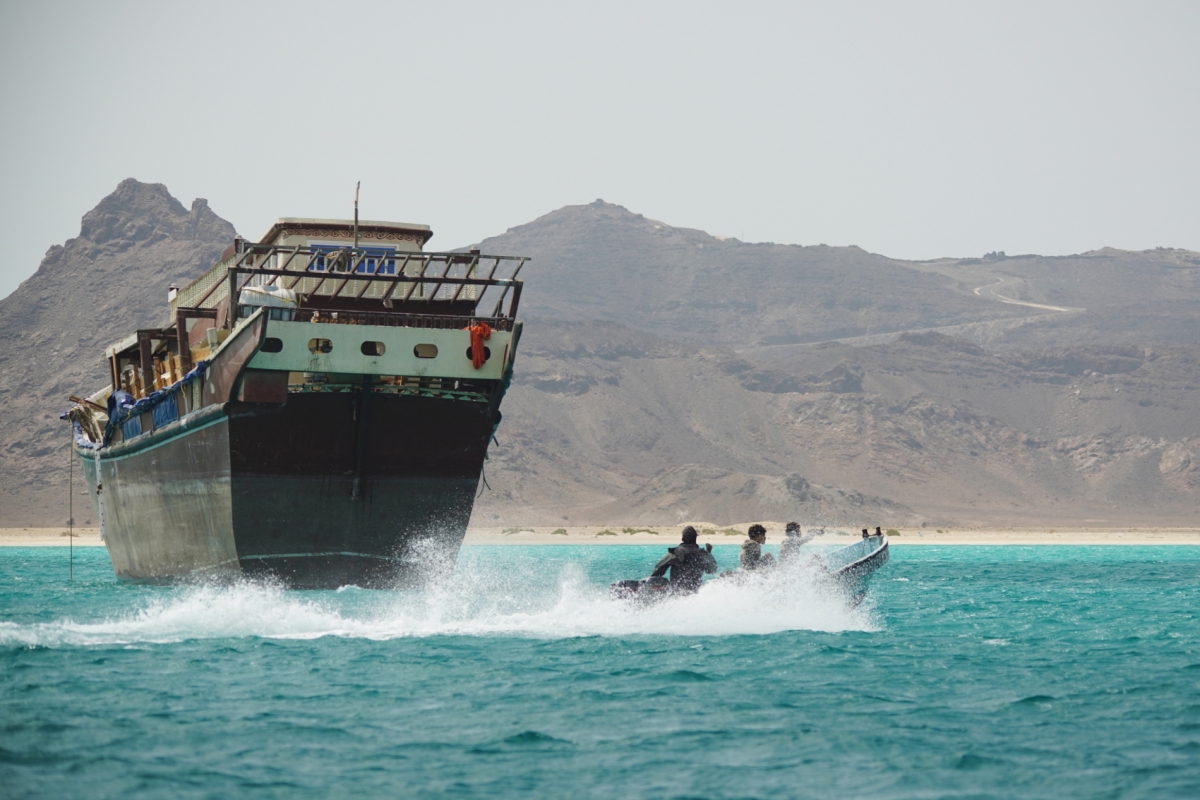
In the past three years, the group has taken advantage of the relative calm in the Yemeni conflict to restock its military arsenal and improve its communication networks in preparation for this exact scenario. These weapons and technologies were presumably smuggled either across the desert or through the Red Sea, reportedly from Somalia’s Al-Qaeda-linked al-Shabaab movement, despite the sectarian differences between the two groups.