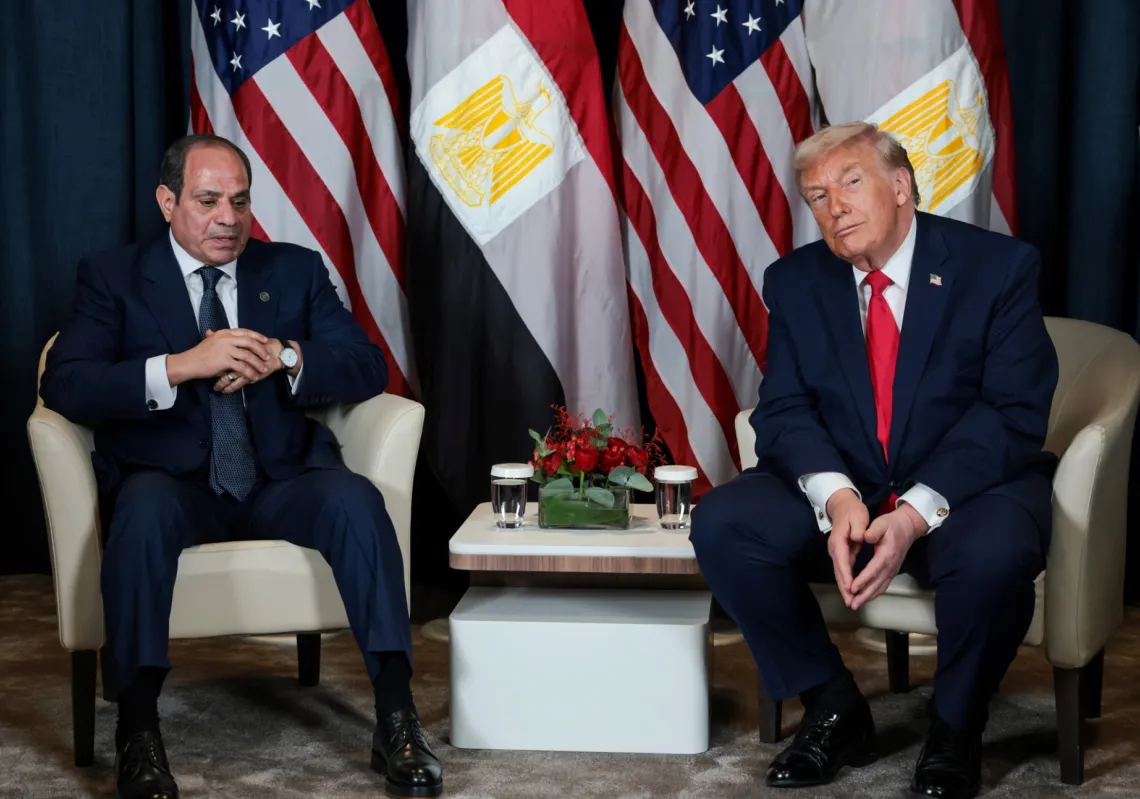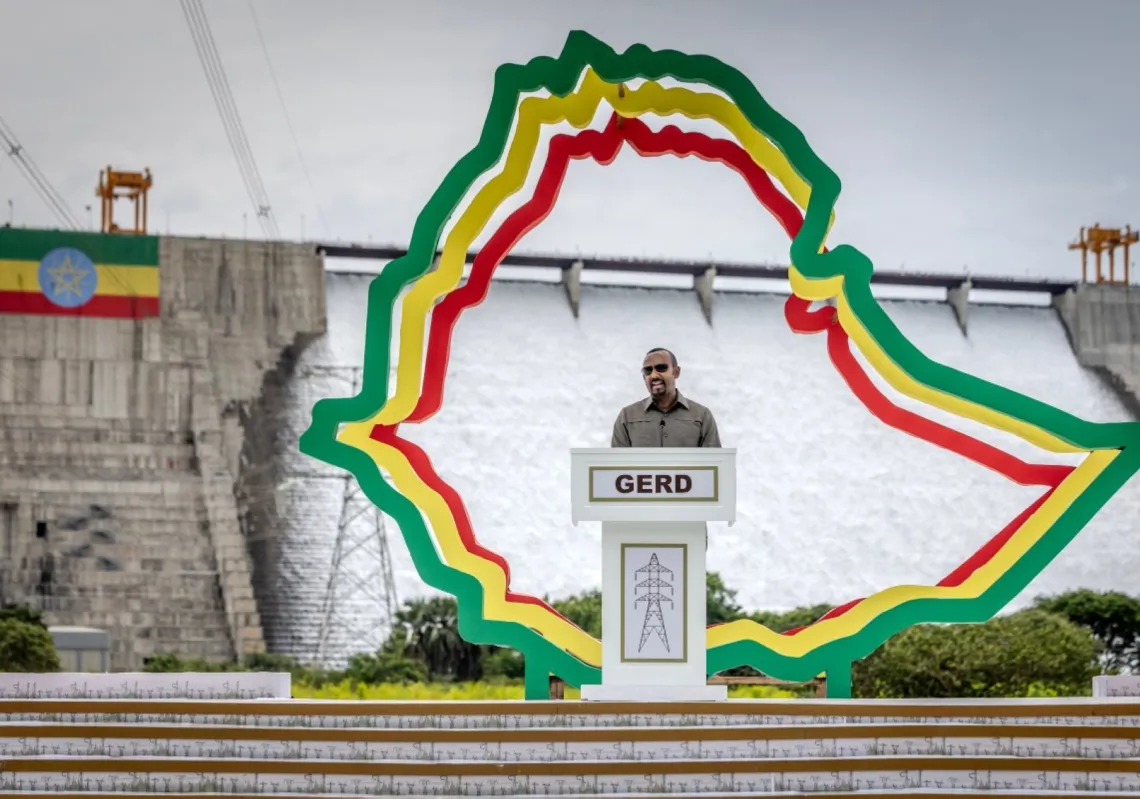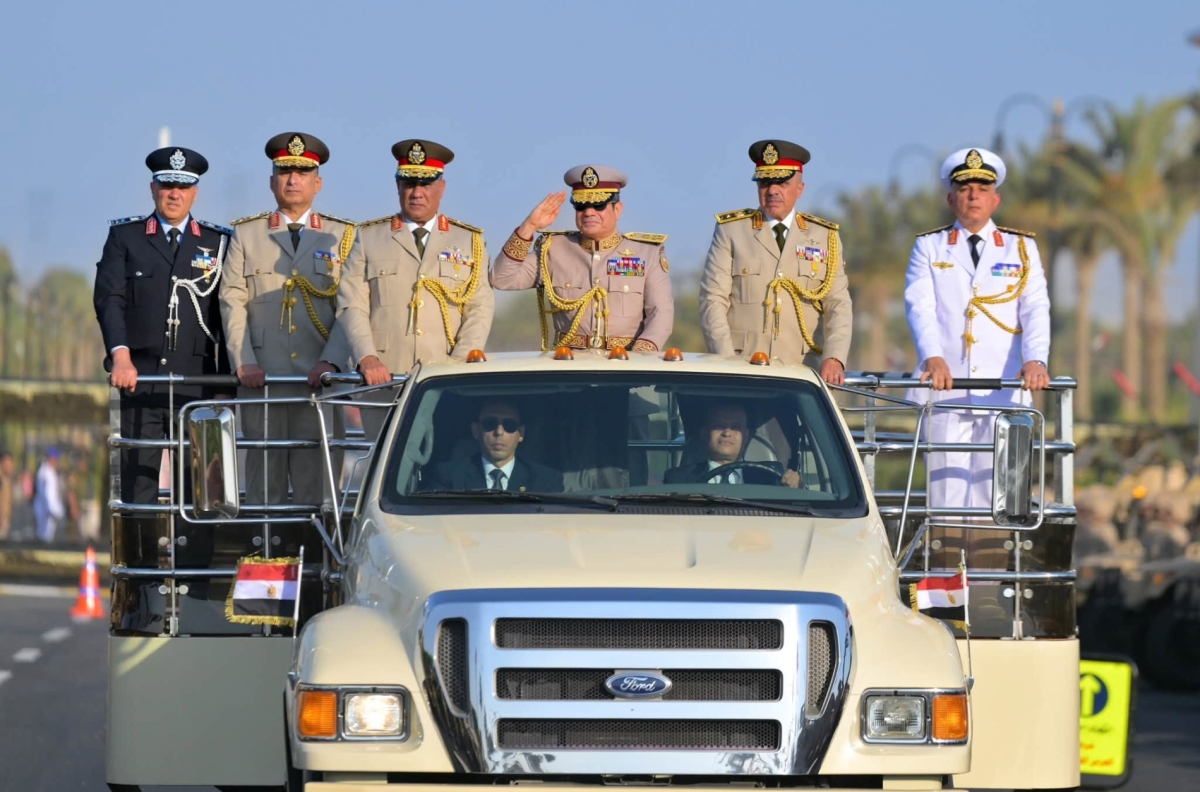

In March 2021, Egyptian President Abdel Fattah al-Sisi visited the Suez Canal to thank its workers for reopening the crucial maritime passageway. A few days earlier, a huge container vessel got wedged sideways, blocking a global trade artery for several days. While there, a journalist asked him about Ethiopia damming the Nile River, Egypt’s principal source of fresh water. Al-Sisi was unequivocal: nobody could take a drop of Egypt’s water. “Grab it if you think you’re tough enough,” he said confidently.
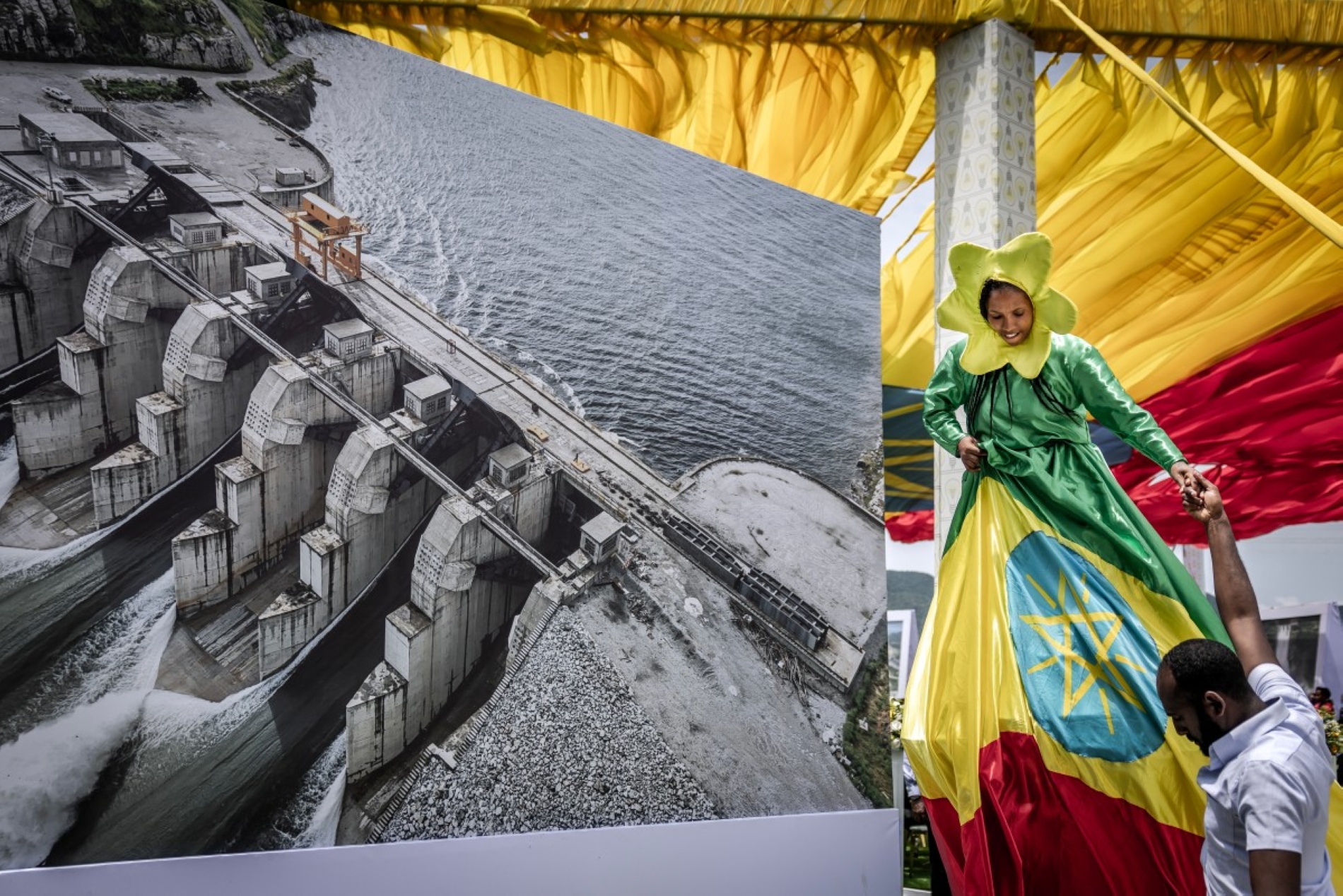
It was widely seen as a message to Ethiopia, which was then constructing the Grand Ethiopian Renaissance Dam (GERD), the largest on the Blue Nile, the Nile's main tributary. Al-Sisi had earlier said that Egypt preferred a negotiated solution to reach a contractual deal on operating and filling the GERD reservoir. Five years later, such a contract is unlikely. Ethiopia seems in no mood to compromise.
Controlling the flow
In August, Ethiopian Water and Energy Minister Habtamu Itefa Gelata said his country was now in full control of the river’s flow to downstream states, namely Egypt and Sudan, and confirmed plans to build three more dams on the Blue Nile. With al-Sisi’s 2021 ultimatum having been ignored, Foreign Minister Badr Abdelatty said Egypt reserved the right to defend its Nile water rights. Water Minister Hani Suweillam rejected the construction of additional dams on the Nile, describing the GERD as “illegitimate”.
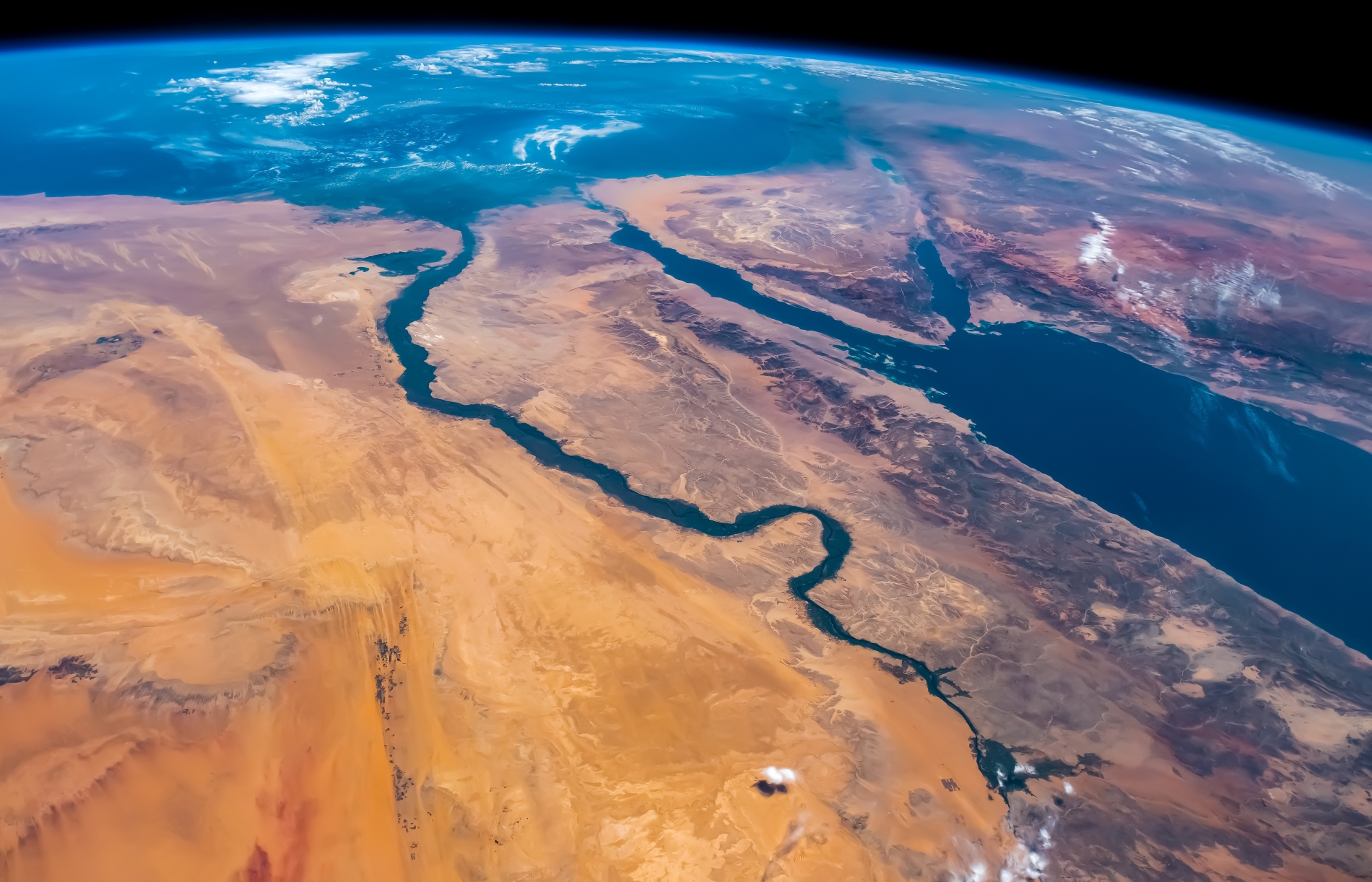
These statements reflect Cairo’s deep anger over a project that threatens the freshwater supply of more than 110 million Egyptians, but decision-makers likely believe the cost of using military force against the GERD could be far higher than the cost of inaction. Almost a decade of negotiations with Ethiopia, with dozens of meetings in Cairo, Addis Ababa, and Khartoum, have led the Egyptians nowhere. Mediation by the US and the African Union also failed. As a result, Cairo has lost confidence in diplomacy.
Egypt’s former irrigation minister Mohamed Nasr Allam said Ethiopia wants to deprive Egypt of a river that has run through it for thousands of years. “Egypt will use all means to prevent this from happening,” he told Al Majalla. Allam served under President Hosni Mubarak, shortly before construction on the dam began. He feels that other dams on the Blue Nile have nothing to do with Ethiopia’s water or electricity needs, but are aimed at undermining Egypt by cutting off its lifeline. “This is why all options are on the table,” he said. “A state is nothing if it cannot protect its citizens’ interests.”
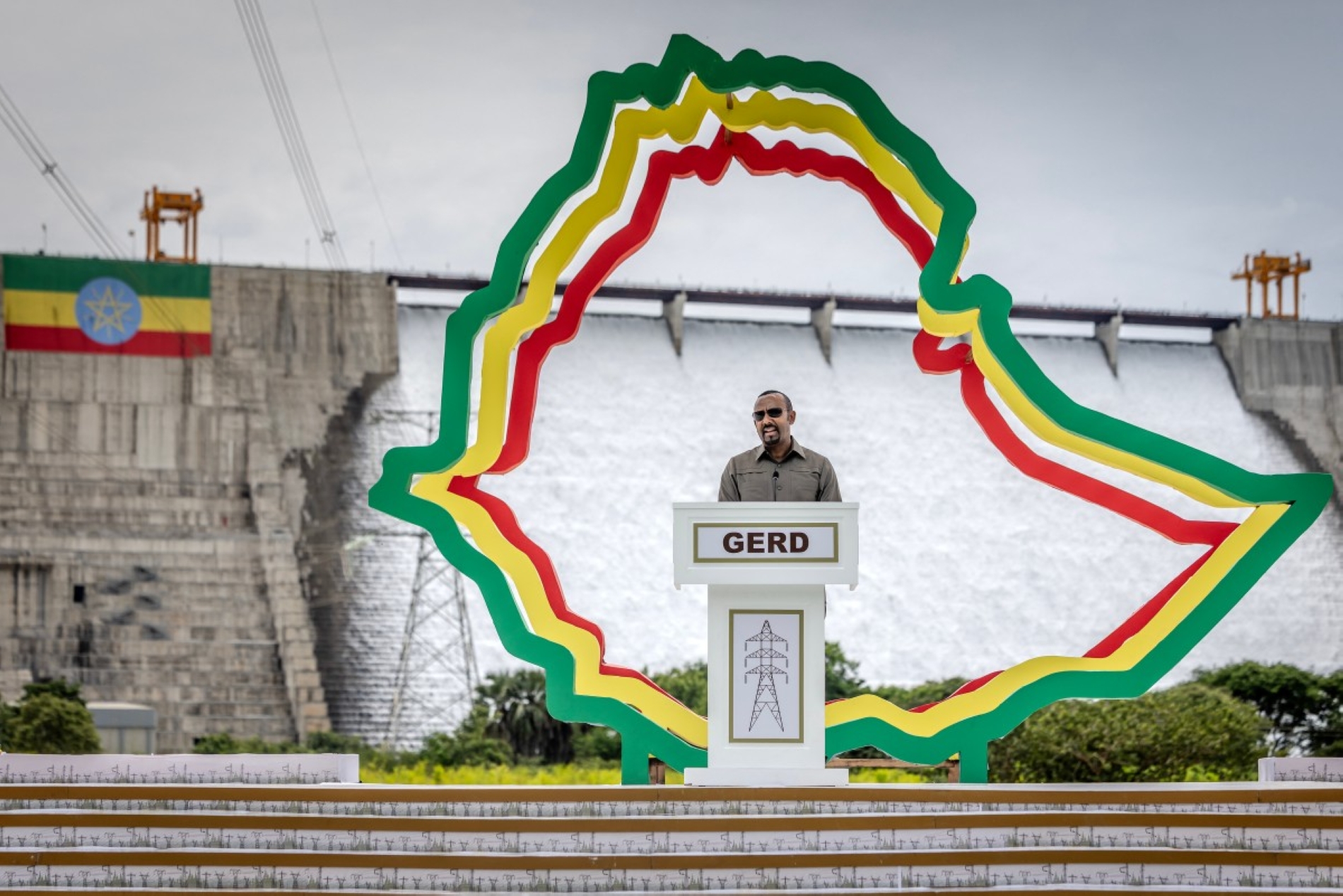
Strategic development
Having cost $5bn, the GERD can store 74 billion cubic metres of water and produce 5,150 megawatts (MW) of electricity. Ethiopia says it will lift tens of millions of its citizens out of poverty. About 55% of Ethiopians lack access to electricity, which is worst in rural areas. Ethiopian political analyst Jamal Ali Bashir described the GERD as a “strategic” development project. “Apart from providing rural Ethiopians with electricity, the GERD will provide the industrial sector with a cheap source of power,” he told Al Majalla.
“The export of electricity to neighbouring countries will also bring in much-needed revenues to the national treasury.” He believes the main logic behind the GERD and other dams is to utilise Ethiopia’s water resources and dismissed Egyptian claims that the aim is to harm downstream states. “On the contrary, these projects aim to generate power,” Bashir said. “They will also regulate the flow of the river’s water to Sudan, which will protect it against flooding and open the door for a more efficient operation of its Nile dams.”