
More than half a century ago, goods moved through the checkout at a far slower pace than they do today. A shop assistant would read the price, enter it manually into the cash register, then move on to the next item. Inventory control, meanwhile, depended heavily on human record-keeping.
That changed dramatically in the 1970s with the arrival of the barcode. In June 1974, a packet of Wrigley’s chewing gum was passed over a scanner at a store in Ohio, becoming the first product sold commercially using the universal barcode system. From then on, that modest row of black lines became a silent language of commerce, spoken by factories, warehouses, and shops around the world.
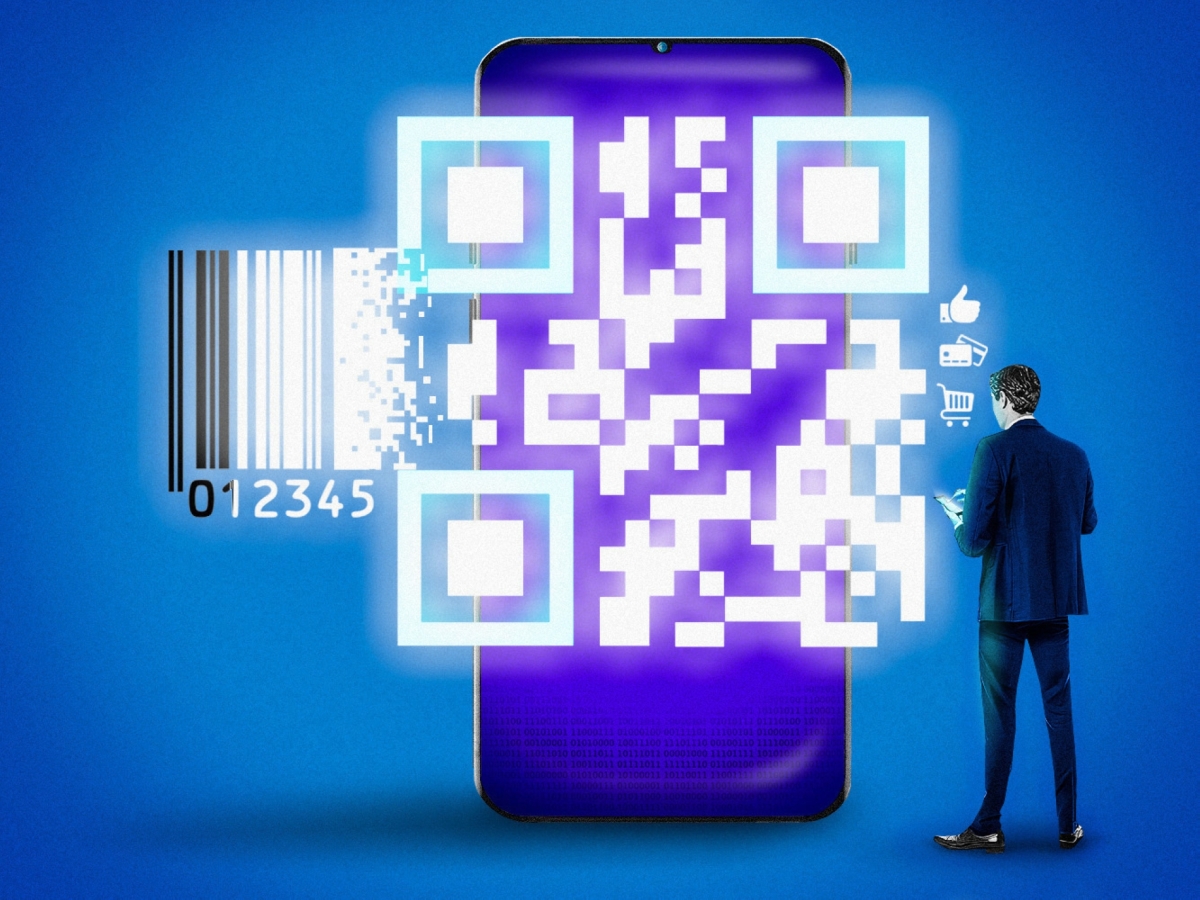
The principle behind the barcode was simple, yet its effect on commerce was revolutionary. Each product was given a number that a machine could read within moments, allowing it to identify the item and its price, record the sale, and track inventory. As shops grew larger and supply chains more complex, the barcode became an essential component of the modern economy. Yet it was designed primarily to answer a single question: ‘What is this product?’
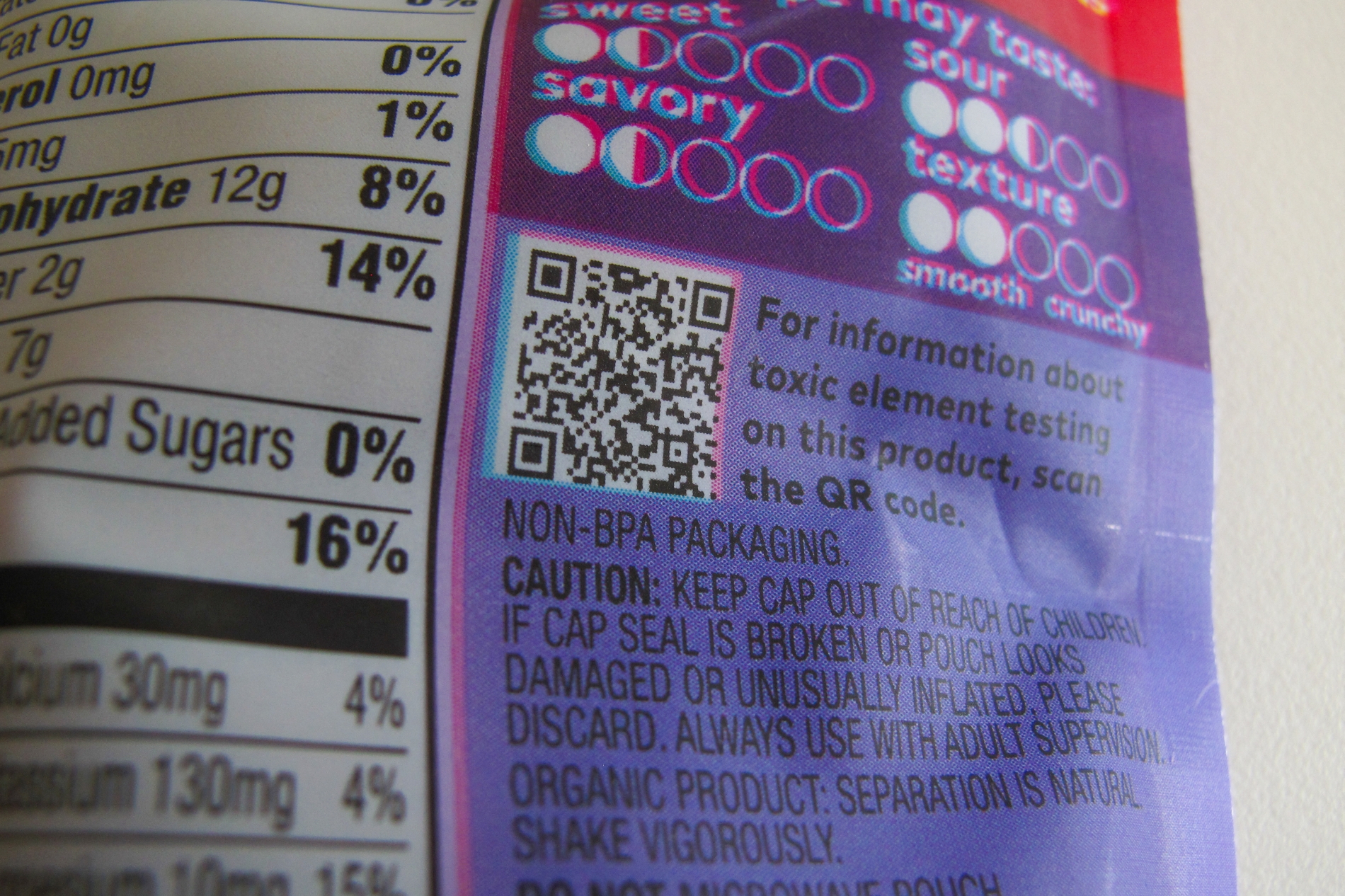
Today’s retail world demands answers to far more. In 1994, the Japanese company Denso Wave developed the Quick Response code, now universally known as the QR code, to track automotive components during manufacturing. Its two-dimensional design let it hold substantially more information and be read quickly from different angles. With the proliferation of smartphones, the QR code left the factory floor and entered everyday life, becoming accessible to billions of consumers.
Retail is now entering a new phase in which a product can be identified together with its batch number, expiry date, allergens, nutritional value, its journey through the supply chain, country of origin, and recycling instructions. The transition from barcodes to two-dimensional codes therefore represents far more than a design change. It signals a shift from assigning a product a number to giving it a fully integrated digital identity.
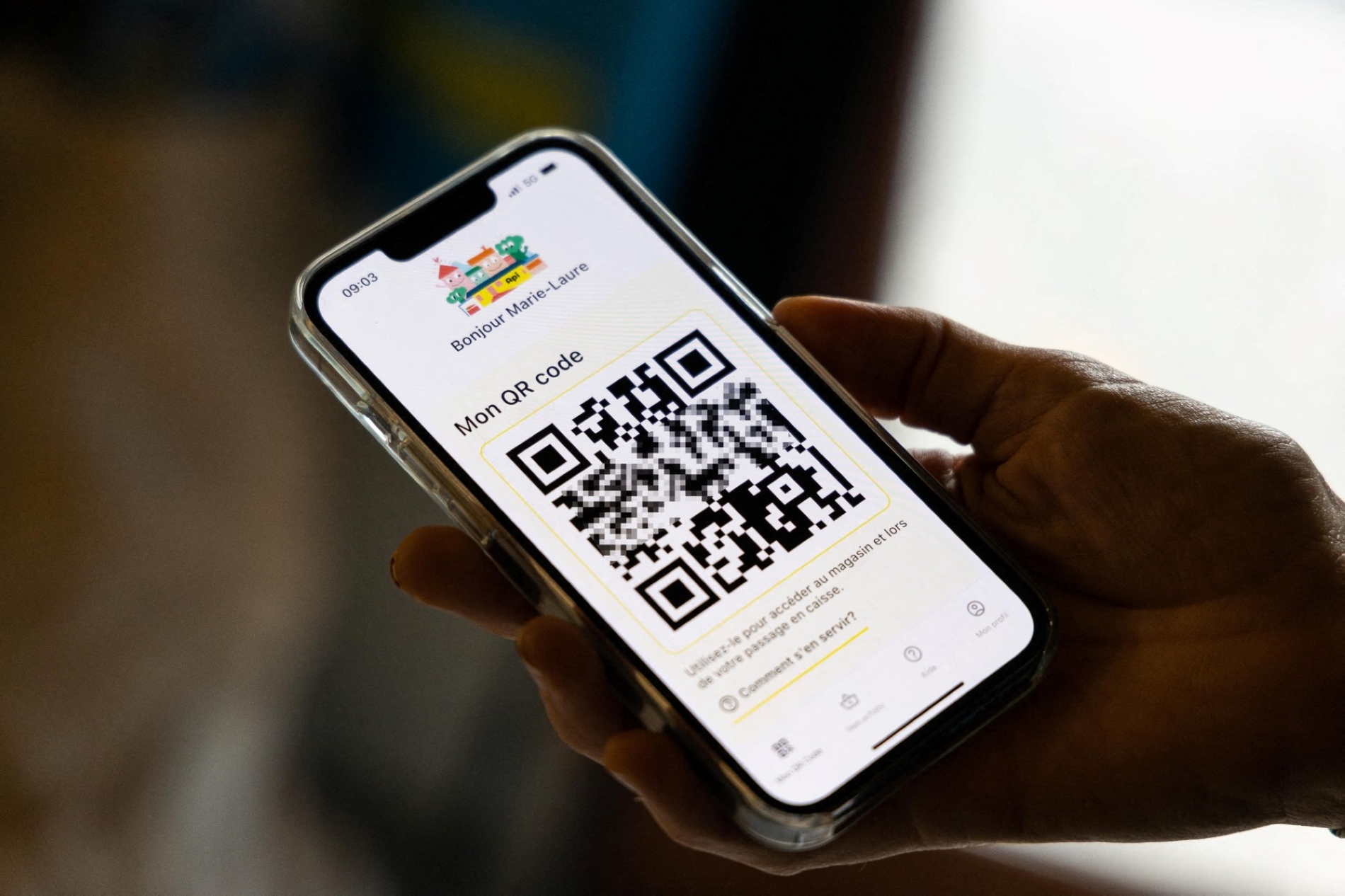
In April this year, the British supermarket chain Tesco announced it would replace conventional barcodes with QR codes on a selection of its own-brand products, describing the initiative as the first of its scale in Britain.
To the consumer, the difference may seem little more than replacing a cluster of black lines with a small square. For retailers, manufacturers, and supply chains, however, that square can carry a vastly richer body of information.
More data, smarter retail
A linear barcode stores information in one direction, whereas a QR code uses a grid of squares that can hold much more data in a compact space.
Not all of that information is stored within the square itself. In a system such as GS1 Digital Link, the code can carry the product’s identity and data such as its batch number or expiry date, while also linking to digital information that can be updated over time.
Tesco’s experience illustrates the practical value of this technology. The company began using the new codes on some of its own-brand sausage products, enabling store systems to distinguish between individual batches. If two identical packages come from different batches, with one due to expire the following day and the other a week later, the system can tell them apart.
That capability may appear modest, yet it has the potential to transform inventory management. A retailer can automatically determine which products should be sold first, apply discounts to goods approaching their expiry dates, and reduce dependence on manual date checks. This, in turn, can help cut food waste and improve the movement of goods through shops and warehouses.
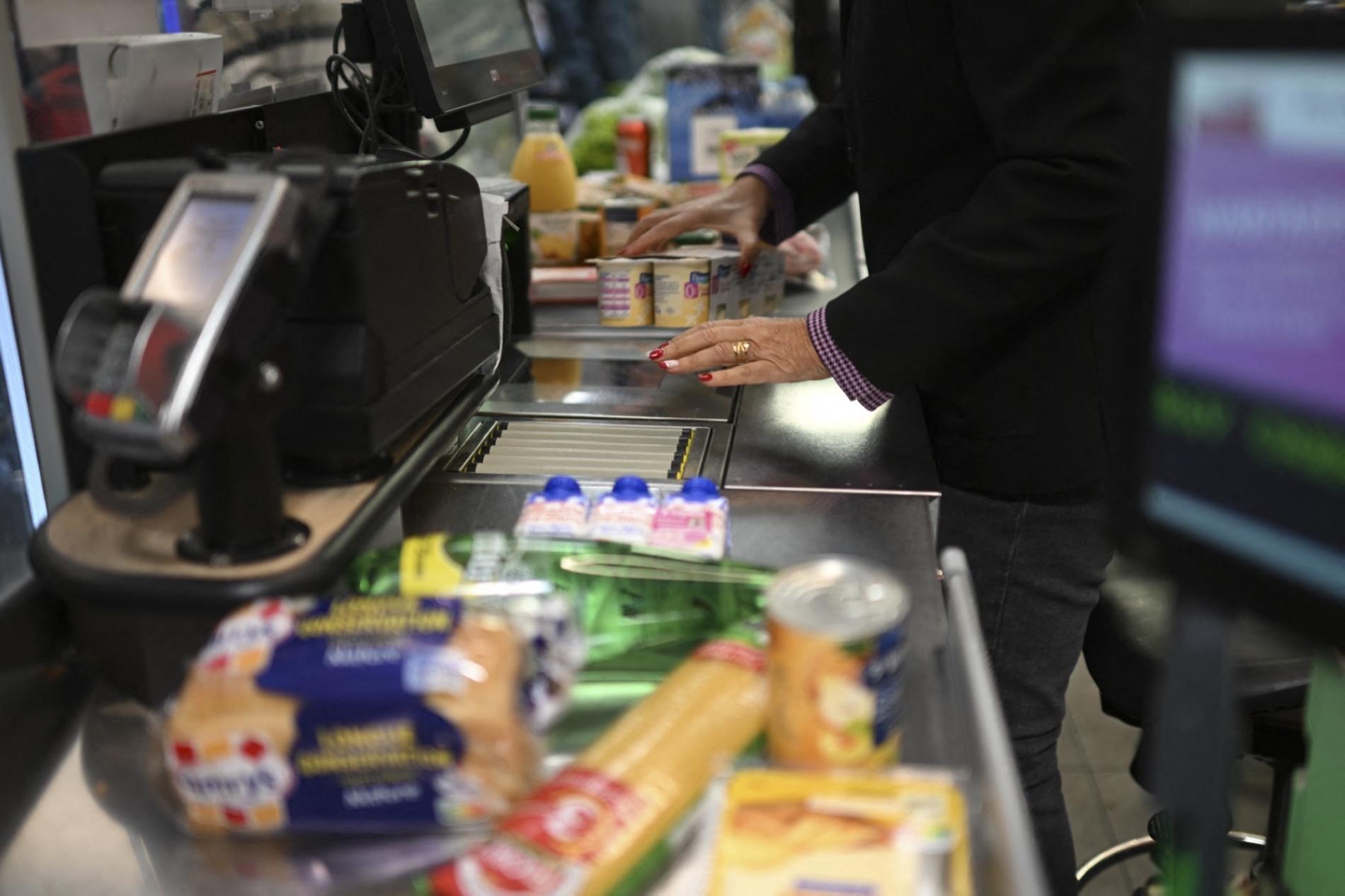
The benefits become even clearer when products have to be recalled. If a company discovers a problem affecting a particular batch, it can identify the affected packages and block them from sale at the checkout, rather than forcing retailers to withdraw large quantities of otherwise unaffected stock.
Purchase records or loyalty schemes could also, subject to applicable privacy rules, be used to identify customers who bought products from an affected batch and warn them. A recall can thereby become a far more precise operation, targeting the products that actually carry the problem instead of discarding perfectly sound stock as a precaution.
A major commercial opportunity
The benefits extend well beyond inventory management and product recalls. They also reach into the fight against counterfeiting and greater traceability across the supply chain. If the code carries a unique serial number alongside the product number, a single item can be distinguished from millions of otherwise identical units. In sectors such as pharmaceuticals, cosmetics, and high-value goods, that identity can be used to verify authenticity and trace the product’s journey from manufacturer to distributor and, ultimately, to the retailer.
A QR code alone will not eliminate counterfeiting. A fraudster can easily copy the code image itself. Effective protection requires linking the unique number to a central database capable of detecting unusual patterns of use or identifying the same number when it appears in multiple locations. The QR code therefore serves as a gateway to a verification system rather than a complete security mechanism.
The proliferation of smartphones has been one of the most important forces enabling this transition. The traditional barcode was designed primarily to be read by a machine inside the shop. A QR code can be read by both point-of-sale scanners and consumers’ phones, giving companies a significant commercial opportunity. Customers need neither a dedicated application nor a lengthy web address. They can simply point their phone camera at the packaging and immediately access product information.
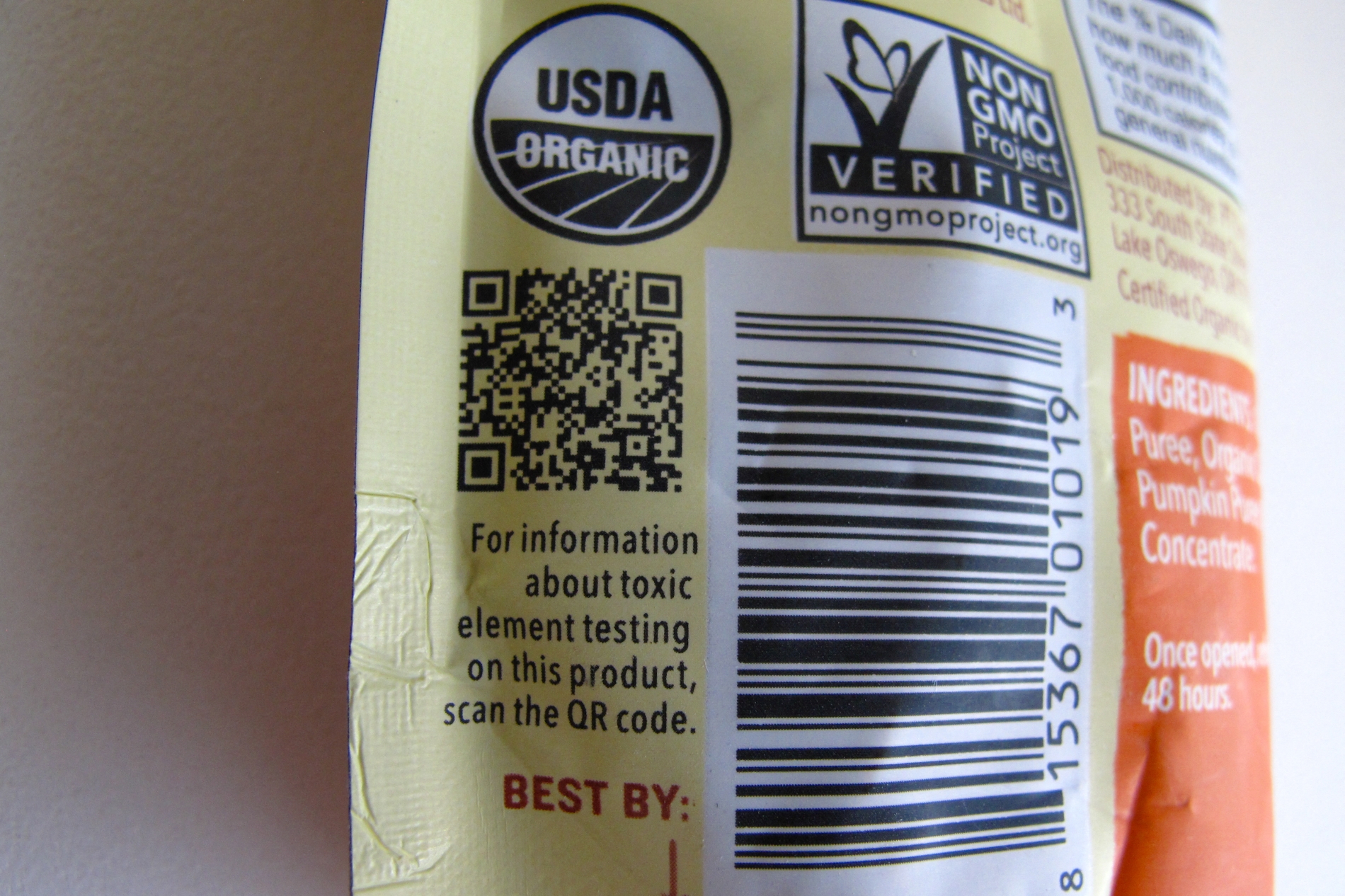
The digital content linked to the code can also be updated while the printed code remains unchanged. This also changes the role of packaging itself. It can become a gateway to a digital connection that continues after purchase, leading customers to maintenance guidance, warranty information, spare parts, or instructions for disposal.
This is becoming increasingly important amid emerging regulatory trends such as the European Union’s Digital Product Passport, which is intended to link certain goods to a digital record containing information about the materials used, repairability, recyclability, sustainability, and other attributes.
QR codes can therefore become part of a broader regulatory infrastructure, connecting products to information needed by authorities, consumers, repair businesses, and recycling companies throughout their life cycle. Their function can consequently extend far beyond marketing.