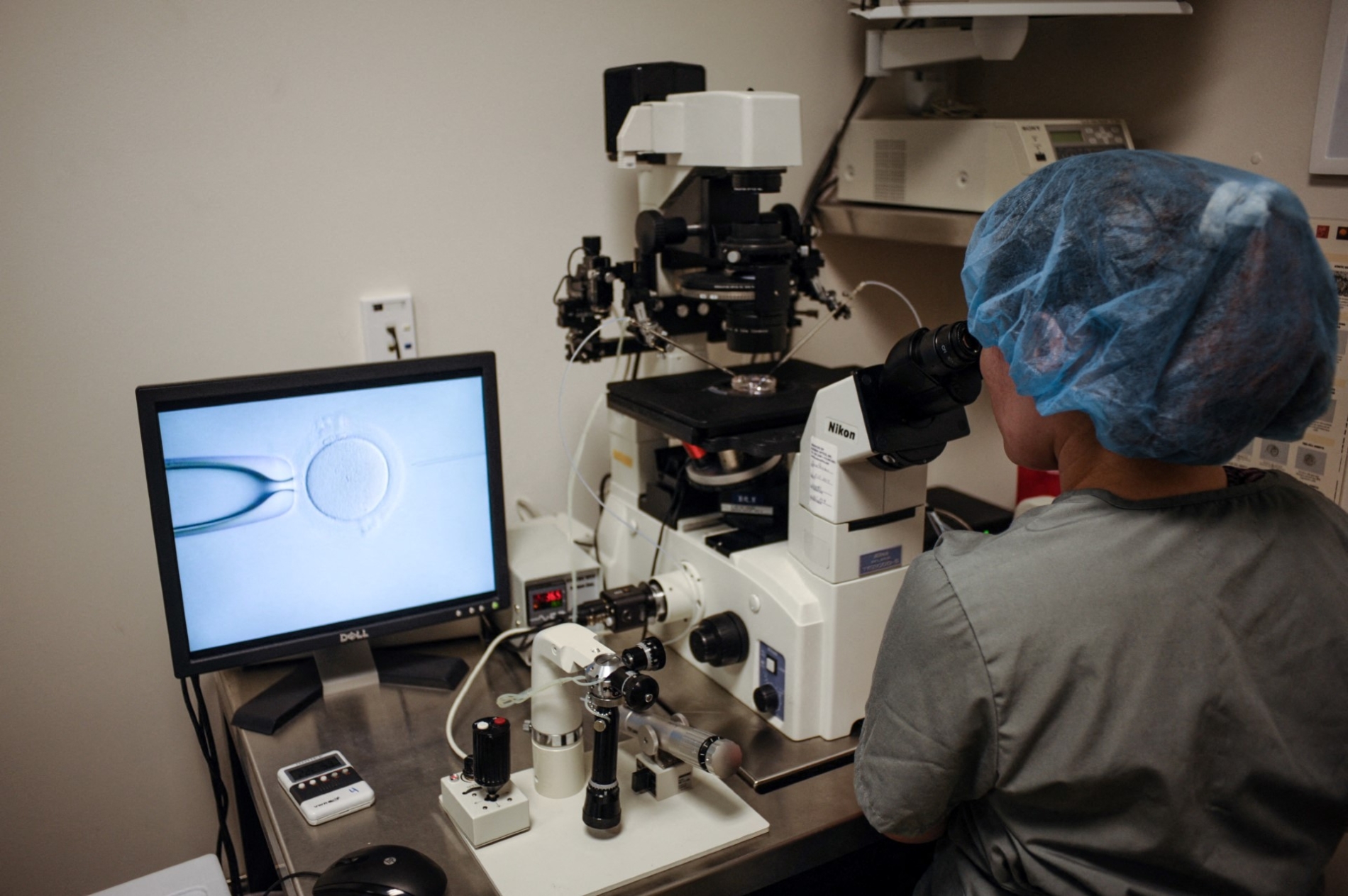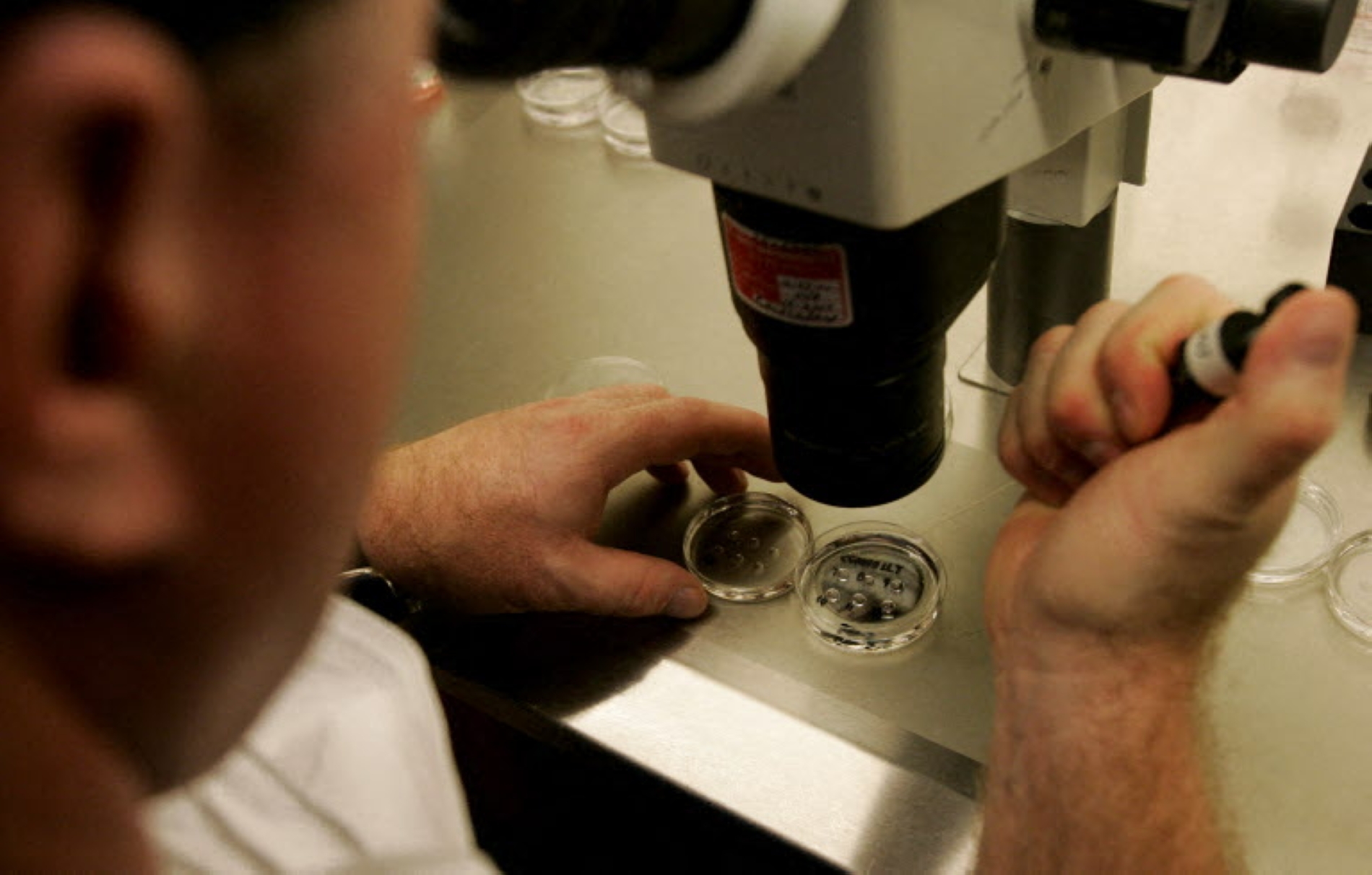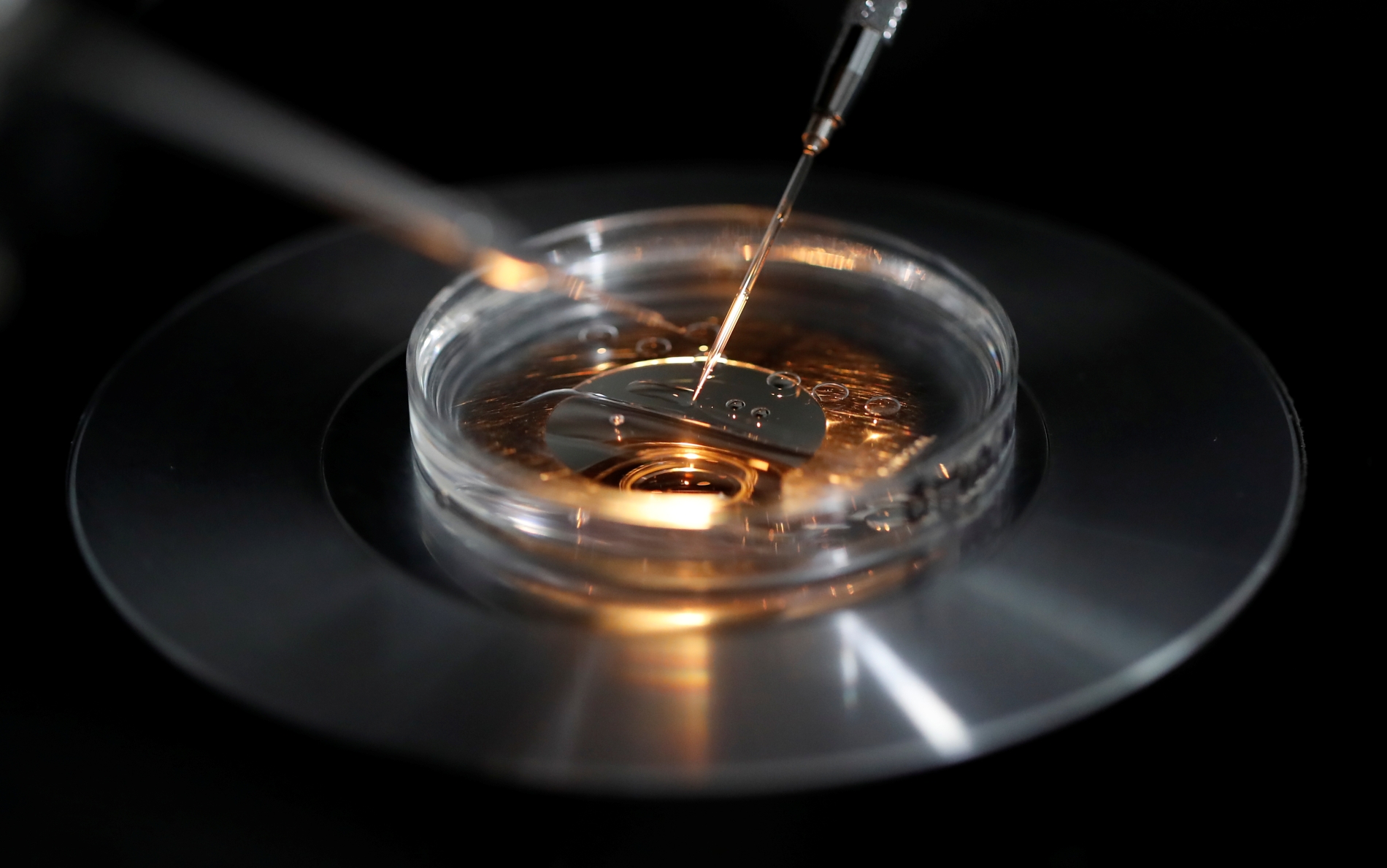

Late last year, New Yorkers noticed a series of strange advertisements on the subway. “Have your best baby,” one promised. “IQ is 50% genetic,” noted another. Predictably, they stirred controversy. Yet Kian Sadeghi of Nucleus, the embryo-screening startup behind them, was pleased. “This is a mass-market product. What’s a better way of showing that it’s a mass-market product than the subway?”
Nucleus is one of a growing number of Silicon Valley startups pushing the nascent technology. Noor Siddiqui of Orchid, a competitor, likes to say that “Sex is for fun; embryo screening is for babies.” Herasight, another rival, began offering a screening service last year that allows parents to examine an embryo’s risk of various diseases, and also estimates of its height, intelligence and longevity—at a cost of up to $50,000. Nucleus adds hair and eye colour to the mix. The burgeoning industry aspires to reshape the way humans are made.
Not everyone is pleased. In many jurisdictions, including Britain, screening embryos for sex, let alone for polygenic conditions such as hypertension or physical traits such as height, is illegal. Many geneticists and doctors’ groups are sceptical that the technology works. Others say that it is unethical.
The visions of these startups may seem otherworldly. But change is coming fast. Cash is pouring into fertility research, leading to potentially rapid advances in genetic testing. Polygenic screening, particularly for common diseases, is popular among Americans, nearly three-quarters of whom say they would use it if they were already undergoing in-vitro fertilisation (IVF). A fight is brewing over the future of these technologies—and the businesses promoting them.
For the moment, only a tiny share of babies are born via IVF, which is necessary for embryo screening. In 2024, the most recent year for which figures are available, 100,000 American babies were created using the process, representing 2.8% of the total. David Sable, an investor and formerly a practising reproductive endocrinologist, says the global fertility market is commonly estimated to be worth just $25bn-30bn a year.
Yet Silicon Valley’s interest in fertility could expand access to IVF. Several years ago, Peter Thiel and Elon Musk began to speak about low birth rates as a threat to America, and started putting money into fertility startups. They were joined by other investors. American venture-capital (VC) investments in fertility enterprises nearly doubled between 2019 and 2022, jumping from $254mn to $496mn, according to PitchBook, a data provider, even if they have since slowed a bit.

Many of these startups are focused on making IVF cheaper. At present, only 15 American states require the treatment to be included in health insurers’ maternity benefits, meaning most Americans pay out of pocket. To reduce costs, a number of startups are selling fertility insurance and payment plans. Nader al-Salim of Gaia, one such firm, says its services save patients an average of $15,000 over the entire fertility process, largely by pooling risk.
Dr Sable reckons that if IVF does become much more widely available, the market could grow to $400bn-500bn annually. His estimate assumes that the cost will fall to around $15,000 for the entire process; currently, just one cycle of IVF in America costs $15,000-20,000. Dr Sable reckons that prices will drop thanks to technological innovations which may increase success rates, allowing people to go through fewer cycles. Falling labour costs as a result of automation and economies of scale, as well as greater standardisation, should also help.
Some screening is already common among IVF patients. An example is PGT-A, which checks that embryos have the right number of chromosomes, and which some studies claim lowers the miscarriage risk (many experts are sceptical). Certain clinics also offer PGT-M, which checks for disorders caused by a single gene, such as cystic fibrosis or Huntington’s.