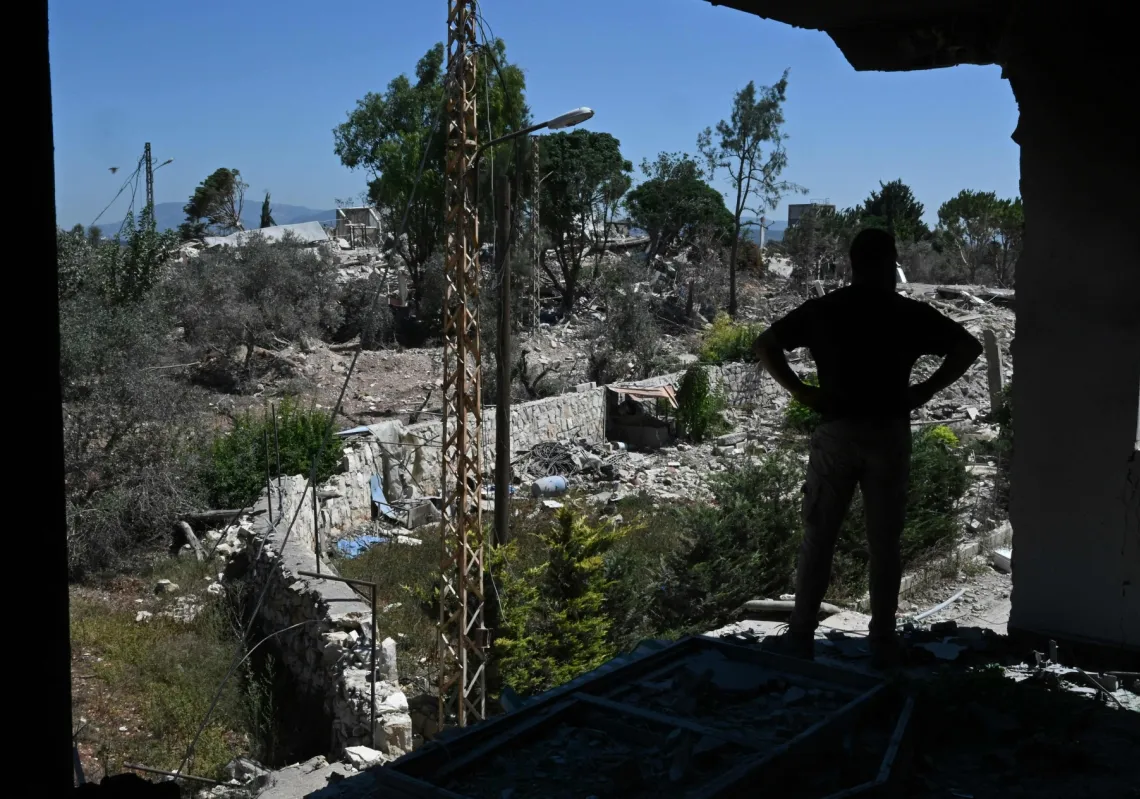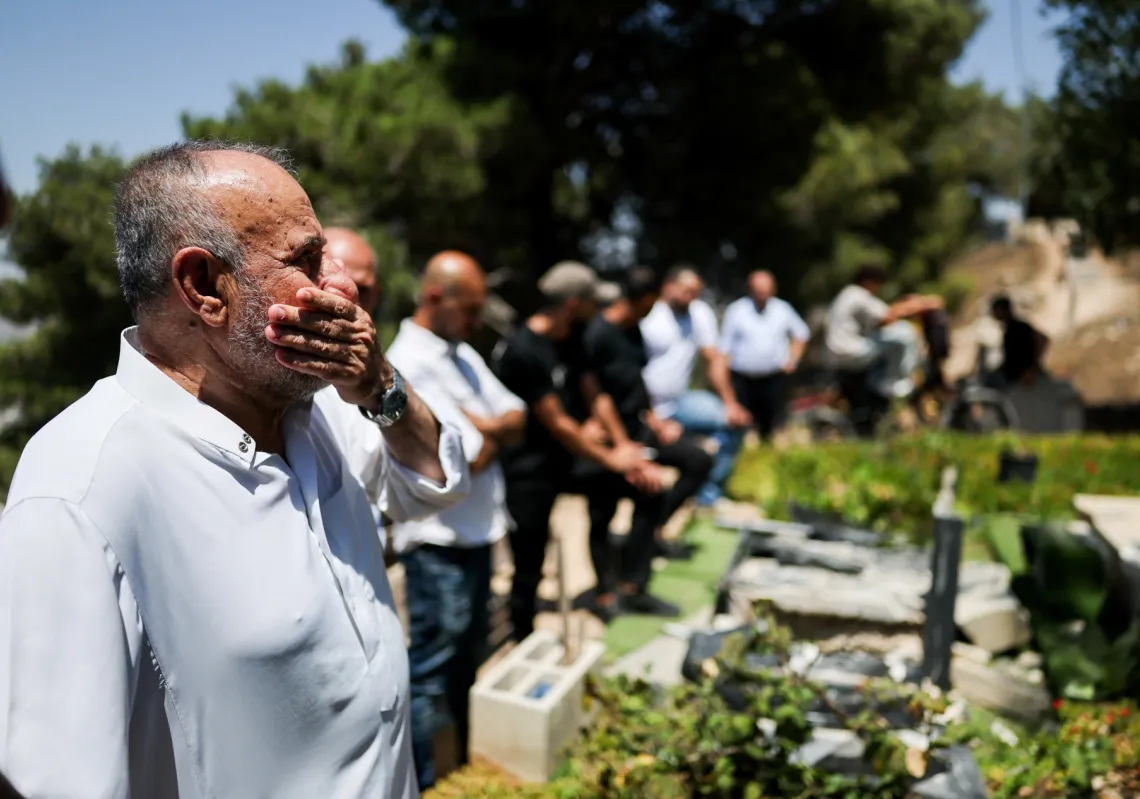

For sceptics, it is no coincidence that there is renewed fighting in the West Bank in the run-up to an Israeli election in which settler-supported far-right religious nationalists hope to do well. Indeed, recent events, such as in the Palestinian village of Tel, have not come from nowhere.
According to the official Israeli account, Palestinian residents clashed with settlers during a settler-organised “hike” through the village. It is not a lone example. Settlers set fire to Palestinian farmland in Burin, south of Nablus, then prevented the Palestinian Civil Defence crews from reaching the area to extinguish the fire. In Nablus itself, which is in Area A, Israeli security forces and settlers attacked and injured 11 Palestinians, before leaving. Entry of ‘Israeli citizens’ into Area A is supposed to be legally prohibited.
These incidents form part of a pattern. The United Nations Office for the Coordination of Humanitarian Affairs (OCHA) reports that between 1 January 2025 and 30 June 2026 there have been 3,033 settler attacks in the West Bank. Yet settler-backed political parties, such as those of National Security Minister Itamar Ben-Gvir, are widely considered to be the ‘kingmakers’ of Israeli politics, and could be so again on 27 October, when Israelis next go to the polls.
Ahead of polling
Prime Minister Benjamin Netanyahu has spent decades presenting himself as the master of security and strategy, and is worried that he will be blamed for the attacks on southern Israel on 7 October 2023 when voters head to the polling booths. He has led a governing coalition comprising his right-wing Likud party, far-right parties like Ben-Gvir’s, and strictly Orthodox parties, whose leaders seek exemptions for their devout young men from military service.
Those who favour Israel’s annexation of the West Bank have been urging Netanyahu to make far-reaching decisions during the government’s final months in office, with events in Tel and other villages preparing the ground for escalation across the West Bank, with thousands of settler units being built in Palestinian land to create an irreversible ‘new reality’ on the ground. Five years ago, such settlement-building efforts were pursued quietly and without fanfare. Now they are overt and celebrated.
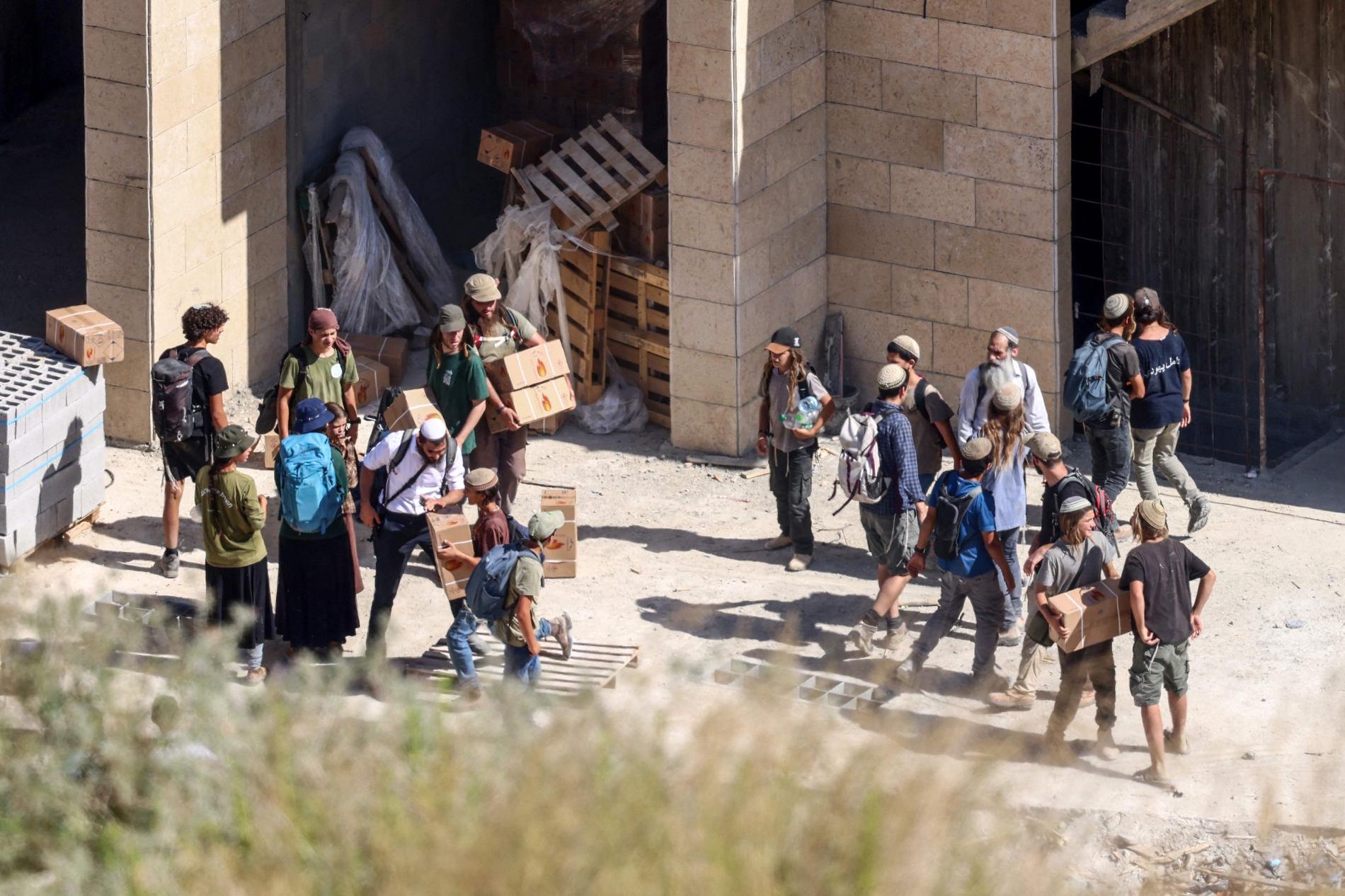
This has strengthened the settlement enterprise, empowered settlers, revived plans for forced displacement, weakened the Palestinian Authority, and made ordinary life on Palestinian land increasingly difficult. The coalition agreement between Likud and the Religious Zionism Party (led by Finance Minister Bezalel Smotrich) gave settler leaders direct authority over government departments and official bodies responsible for administering Israel’s occupation of the West Bank.
Bolstering positions
Extensive powers were transferred from the Civil Administration to Smotrich’s control, including authority over the Settlement Administration and the Civil Administration’s legal unit. This gave him oversight of further land confiscations and the enforcement of building-demolition policies, particularly in Area C, which remains under full Israeli civil and security control under the Oslo framework.
The coalition agreement also established a new ministry responsible for settlement affairs, headed by Orit Strock, a senior member of Smotrich’s party. Through this ministry, the government channelled money to newly established settlement outposts and pastoral settler communities across the West Bank. According to Israeli civil rights group Peace Now, there are now 231 such outposts, collectively covering nearly 20% of the West Bank. This has displaced around 120 Palestinian communities. More than half were uprooted after 7 October 2023, as settler ‘revenge’ attacks intensified.
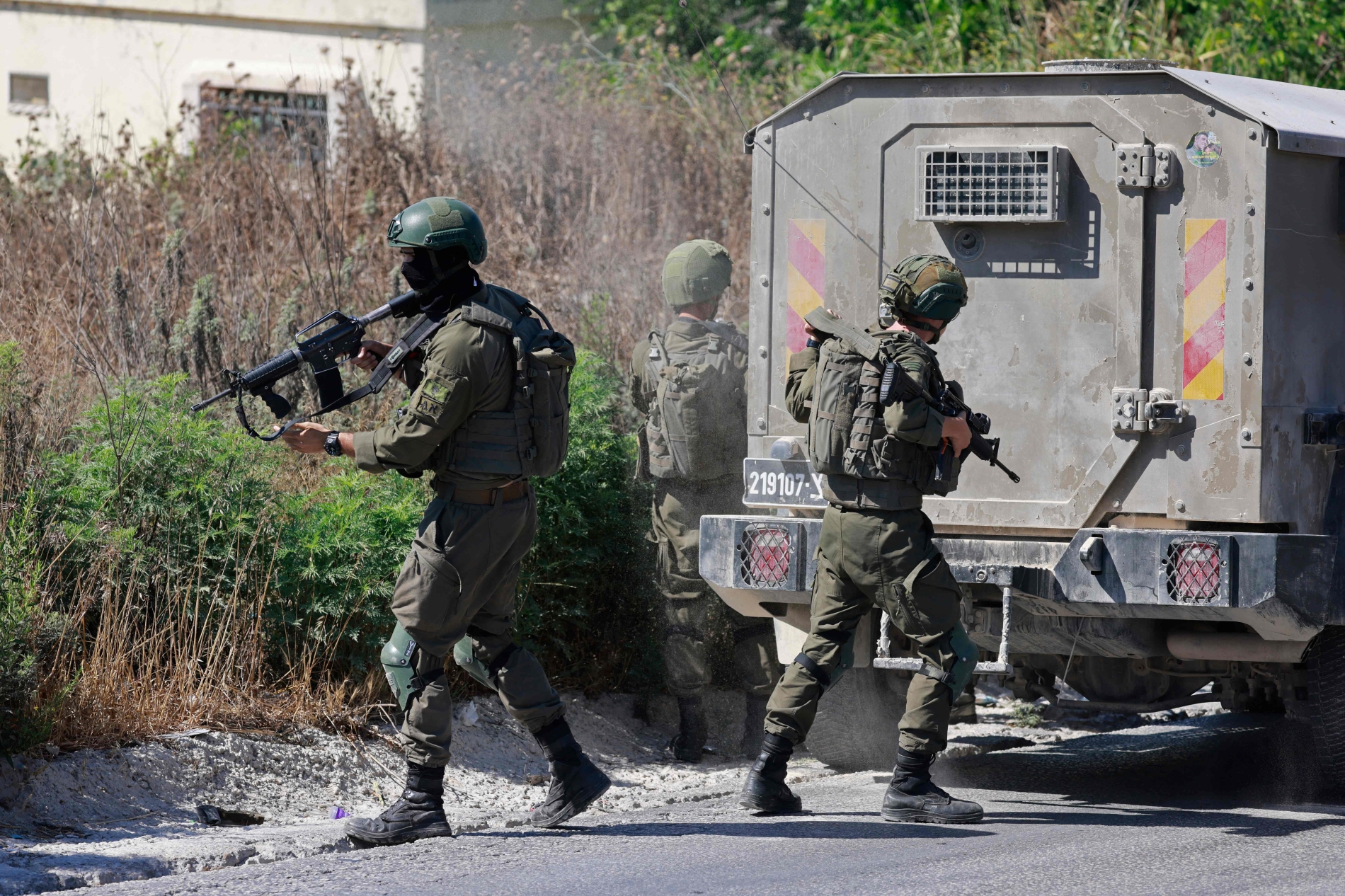
Israeli law regards these outposts as illegal, yet Netanyahu’s government has justified supporting them on security grounds and under the pretext of protecting settlers. It has supplied what it calls “logistical support that enables settlers to cope with the tense security reality,” including four-wheel-drive vehicles, drones, electricity generators, electronic gates, and lighting. In practice, this does more than reinforce the outposts; it enables settlers to intensify their attacks on Palestinians, seize livestock, and perpetrate violence as a form of intimidation.
Build, build, build
A few months after the government took office, it abolished the requirement that the defence minister approve every stage of a settlement construction plan. Settlement expansion then accelerated sharply. The Higher Planning Council began meeting more frequently, and in the past 12 months, it has approved 27,941 housing units, the highest annual figure ever. Under this new system, settlers are both the decision-makers and the beneficiaries.
In control of influential ministries, government agencies, and military units, their control over vast expanses of West Bank territory has made Palestinian life not just difficult but dangerous and, at times, deadly. Settler incursions into towns and rural communities are deliberately designed to provoke direct confrontation, with members of the Israeli army reserve units always in attendance ‘to provide protection’. Most of these reservists are themselves settlers, and many participate in the assaults.