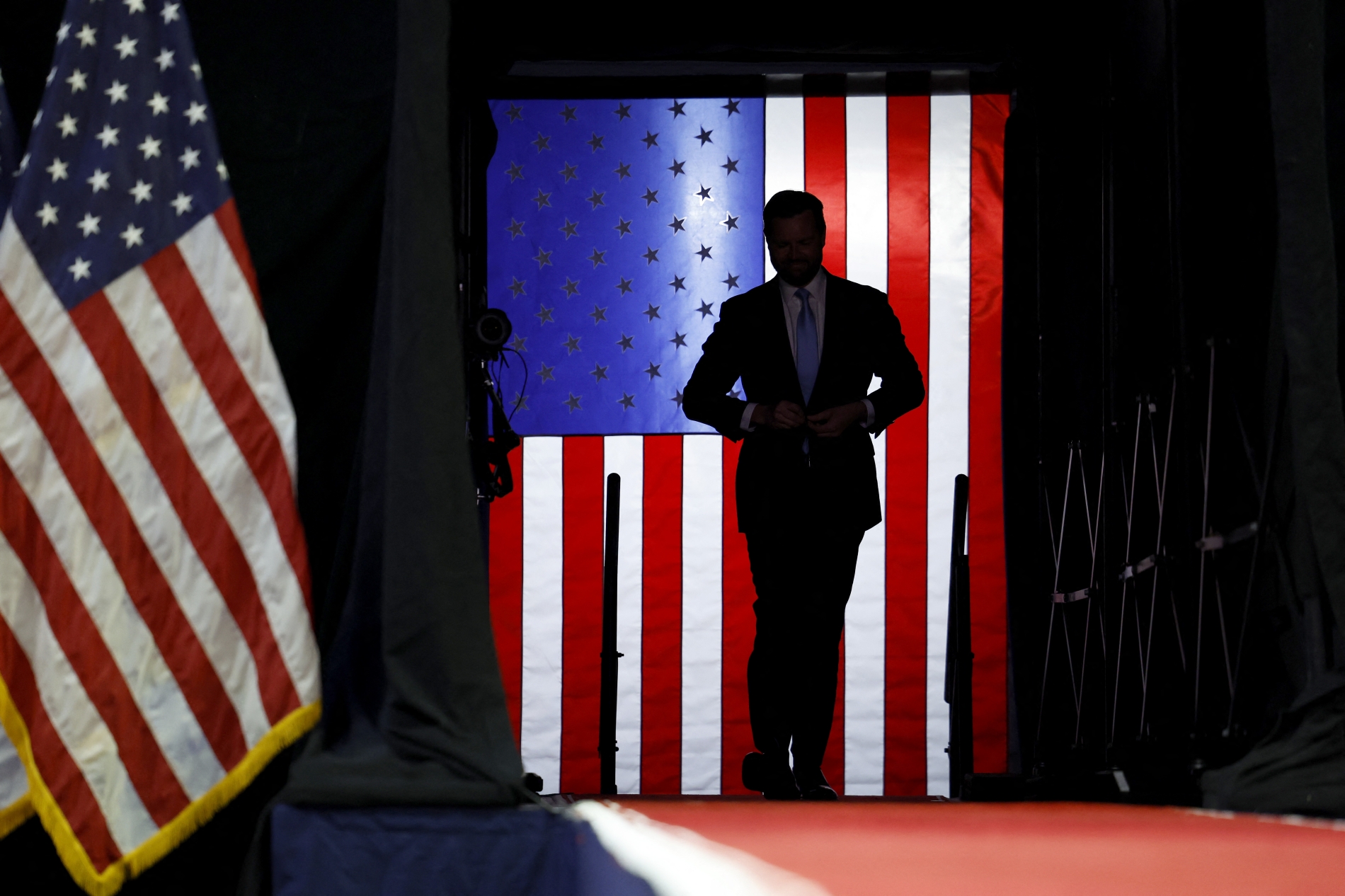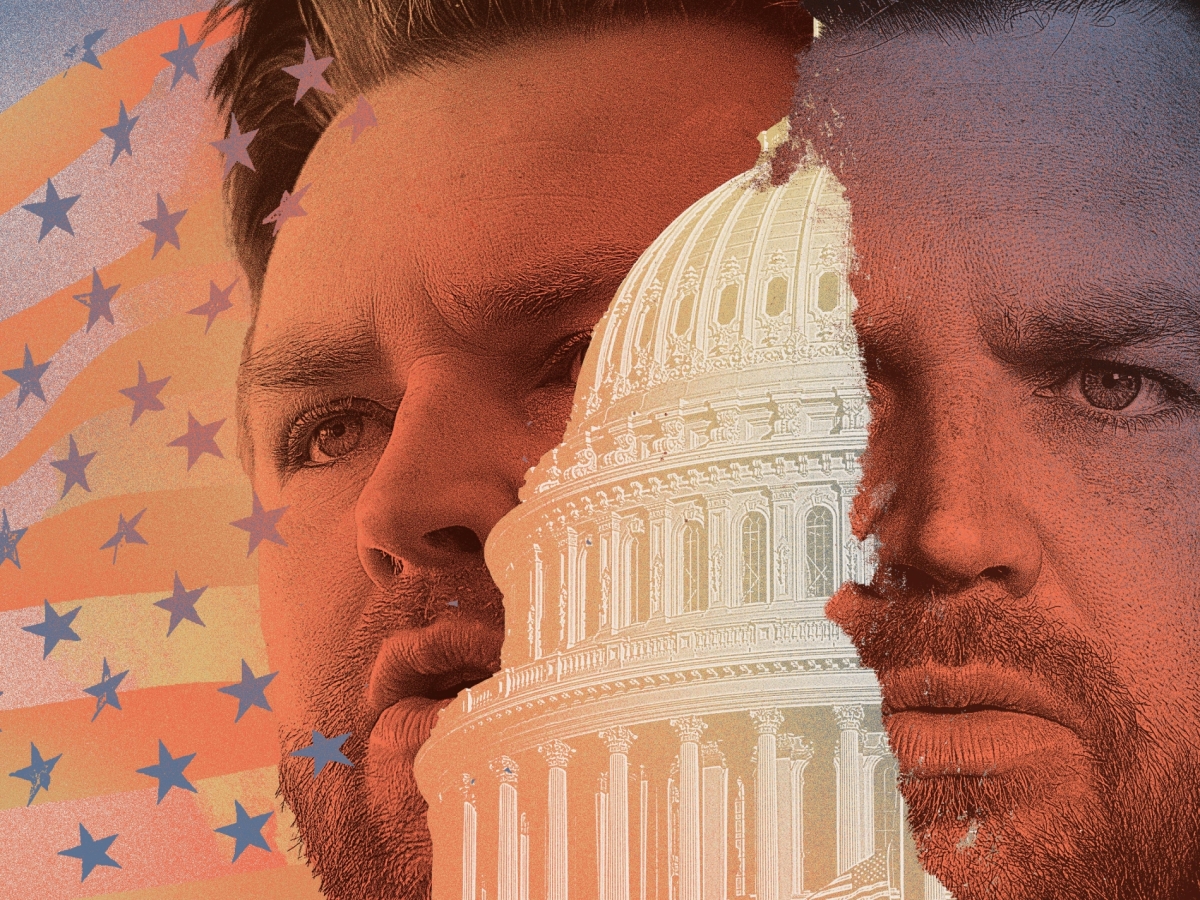

It has never been easy for JD Vance to have an impact on public consciousness. Back in the dying days of Joe Biden’s presidency, Donald Trump’s followers were bewildered by his choice of running mate. Vance, still only 41, was then a relative unknown beyond those who had read his book on his ‘hillbilly’ upbringing, in which he diagnosed the woes of America’s rust belt.
Ever since being picked and catapulted into national consciousness, Vance has tried to make an impact, but has often come across as querulous, notoriously accusing Ukraine’s president of ingratitude during a White House visit in front of the world’s cameras and scolding the Europeans in the heart of Europe for their failure to uphold free speech, a charge that stumped almost everyone in the room. A recent convert to Catholicism, Vance has taken issue with not one pope but two.
Uncomfortable with public speaking, Vance has had to swim against the riptide of his charismatic boss in the battle to be noticed, with his own jokes often falling flat, but compared with previous vice presidents he has had a pivotal role, not least in diplomatic efforts to resolve a war with Iran that he was never in favour of starting.
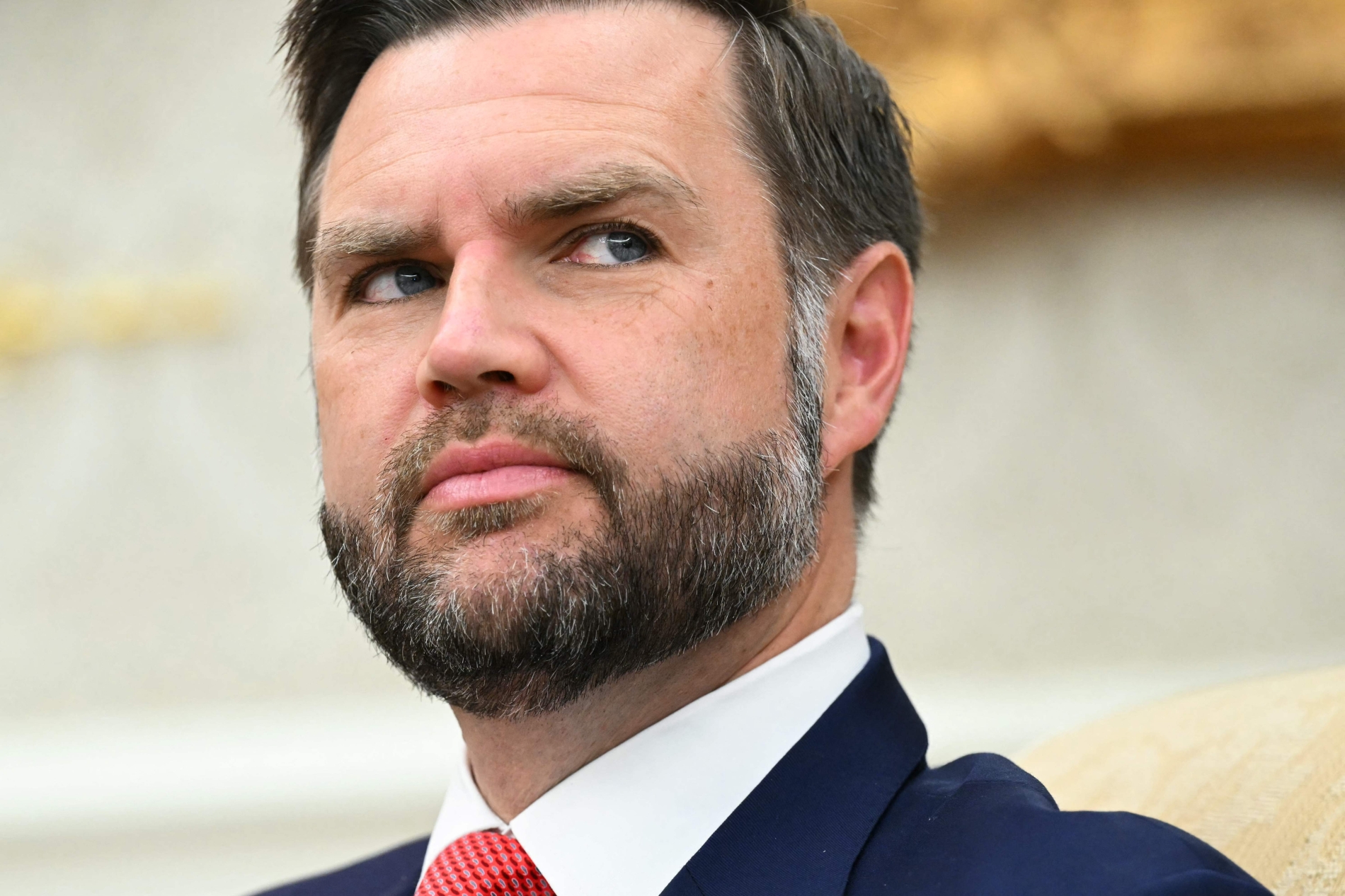
As might be expected, his thinking has evolved since the campaign in 2024 and him subsequently taking up the job in January 2025. How? The latest clues came from a podcast conversation with American commentator and media personality Joe Rogan, one that lasts almost as long as Christopher Nolan’s epic The Odyssey and involves easily as many twists and turns.
Tracing an evolution
Along with the variety of topics covered, there are distinct changes in tone, from the casual to the earnestly wonkish. Rogan and Vance are from the same ideological stable, so there is no verbal duelling, and some early casual chat. On a cage fight they both saw on the White House lawn, Vance—a Yale man—says: “It was pretty sick, it was very cool,” the glib style threatening to undermine the dignity of his office.
Elsewhere, Vance says: “There’s a real populism that I’m very much a fan of because I think you should be responsive to people. But there’s like a faux populism of the way that I’m going to appeal to people is by assuming that they’re idiots and acting like they’re idiots.” Another dangerous moment comes when Rogan complains that “social media has ruined discourse in a lot of ways.” Vance agrees, which is a curious position for a man with so many friends in Silicon Valley, and whose boss comments on just about everything using social media (and not always with strict presidential decorum).
For large passages of the podcast interview, Vance seems happy to borrow another discursive trick from the Oval Office—a sort of rambling stream of consciousness. This gives us a long and mostly uninformative excursion into the Epstein files (he vows to look at them for evidence of UFOs) and a quasi-theological digression on the nature of alien lifeforms and their resemblance to demons.
Aliens aside, it becomes clear around halfway through that something fundamental has changed in Vance’s outlook. Conservative sermonising has given way to a softer, more open-minded approach. On religious matters, for example, we hear that putting the Ten Commandments up in every classroom may not be the best idea. At the same time, he would not be troubled by quotes from the Quran in their place. He says freedom of religion is not a liberal invention, and was “originally derived from a Christian idea about free will and the dignity of the person”.
Maturing views
Vance is shocked to hear that soldiers serving in the Middle East have been told they are engaged in a Holy War. For a man who has just written a book about his Catholic faith, he has none of the blood-curdling ferocity of his colleague, Pete Hegseth. He disavows the apocalyptic worldview and rejects the hawkish position of his predecessor, Mike Pence. His involvement in Middle East diplomacy seems to have convinced him that the war must be resolved through a deal, possibly even stretching to investment in Iran by the Gulf states. Such views show maturity.