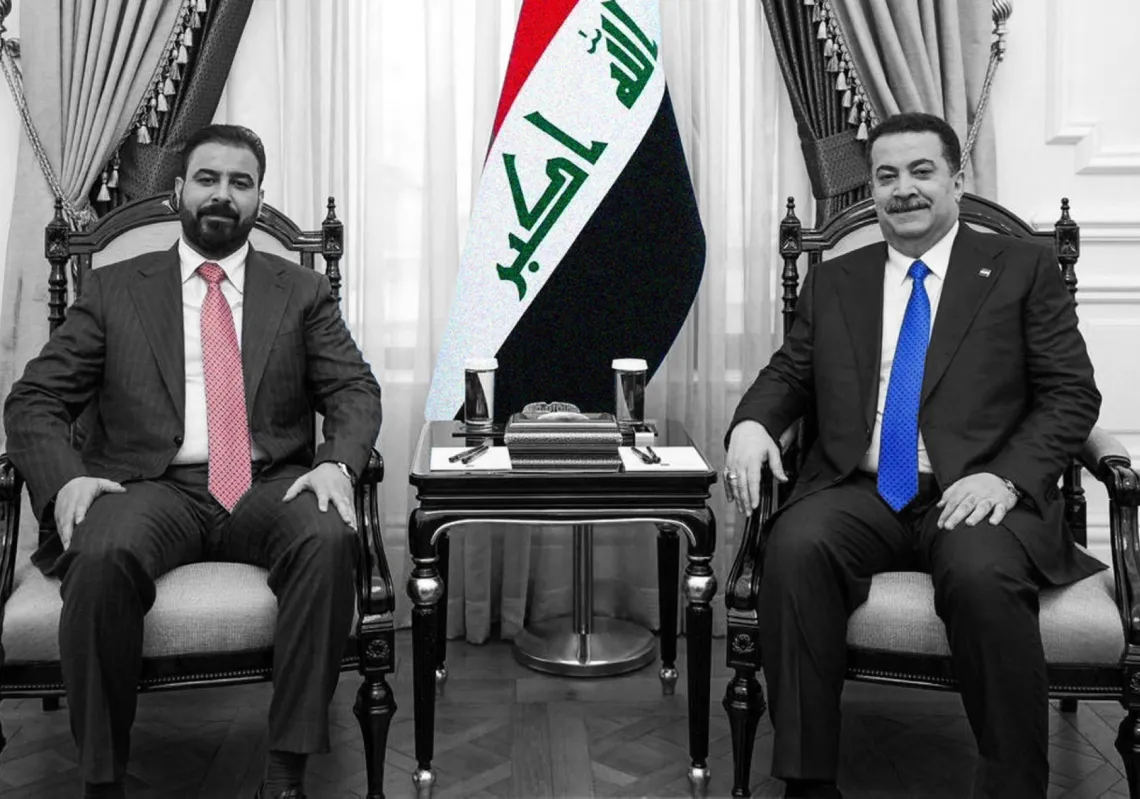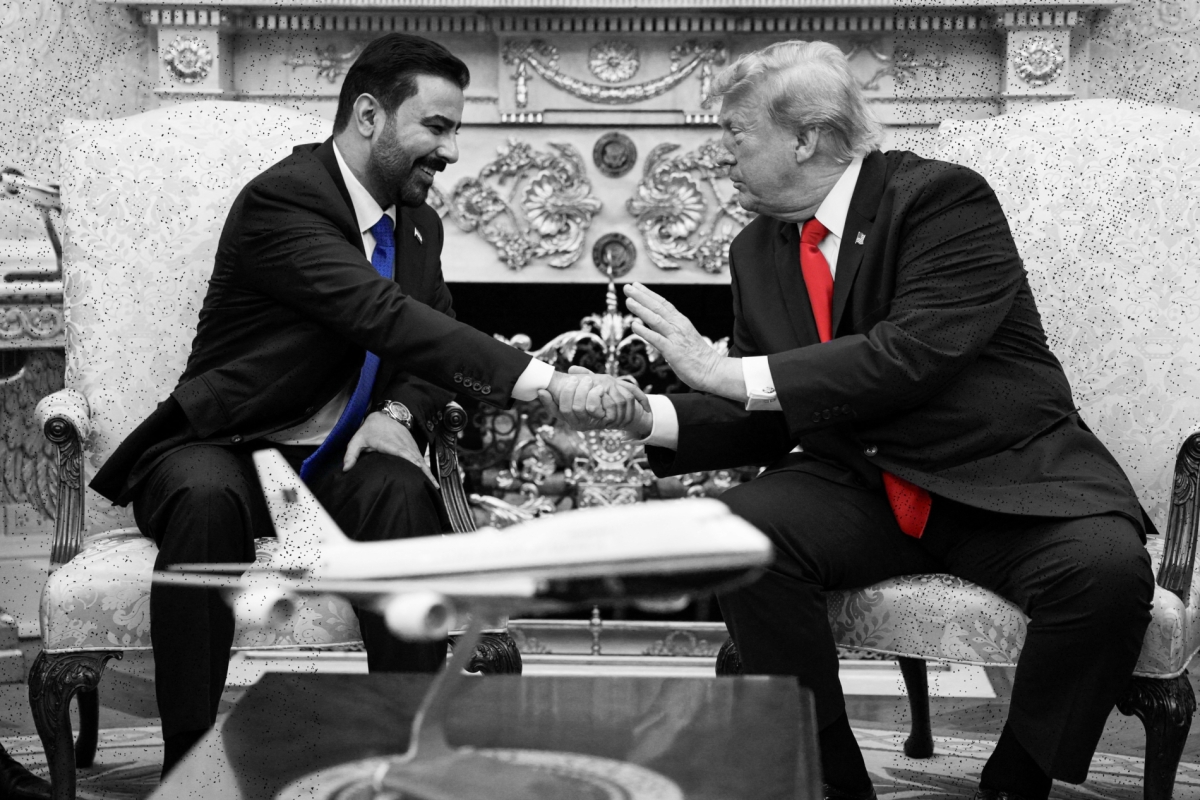

Iraqi Prime Minister Ali al-Zaidi’s visit to Washington earlier this month was an effort to move the US-Iraq relationship “from managing crises to creating opportunities”. That phrase appeared in an article he wrote for The Washington Post on the day of his arrival, before meeting US President Donald Trump at the White House. The article was titled Why I Am Going to Washington.
Al-Zaidi surprised many with the way he conducted his political conversation with Trump, a president who can dispense with diplomatic niceties when hosting foreign guests. A businessman by background, the Iraqi premier has no political experience, nor has he ever sought any, yet he managed to keep the discussion focused on reshaping the partnership between Baghdad and Washington. Asked why this was his first foreign visit, he said Iraq was burdened by severe financial and economic crises, that confronting challenges of such magnitude required a strategic partner, and that the United States was Iraq’s most important strategic partner.
Before travelling to Washington, al-Zaidi had launched a forceful campaign in Baghdad against political figures and senior state officials accused of corruption. At the White House, he briefed American decision-makers on the measures he had taken over corruption and the fight against militias in Iraq. The two are linked. Money amassed through corruption and weapons bought with that money present a huge challenge. Al-Zaidi’s choice to confront the leaders of the ruling political class is therefore an enormous gamble.
Changing landscape
Before meeting Trump, al-Zaidi made skilful use of the American president’s remarks welcoming his appointment to form a government, so secured parliamentary confidence for a cabinet in which only half the ministerial posts had been filled. Appointments to several ministries subject to political dispute were postponed, as were portfolios expected to go to armed groups within the Coordination Framework (CF) whose participation in government Washington opposes.
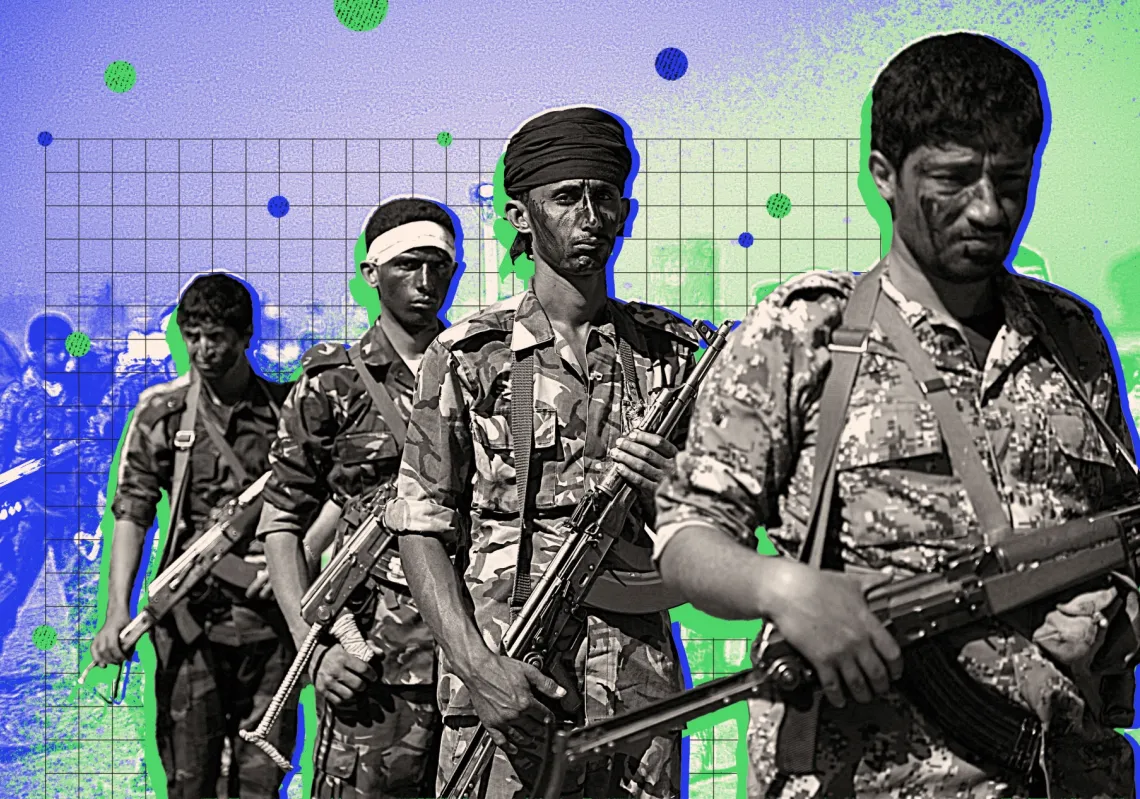
Al-Zaidi has shown that his government is broadly aligned with American expectations, but has continued to offer armed factions within the CF grounds for hoping that Washington’s objections might eventually be lifted, since their participation in government was only deferred, while their allocated ministries were not filled with others. The first test after al-Zaidi’s visit will therefore concern the government’s relationship with the armed groups. The idea proposed had been that the CF factions relinquish their weapons in return for political representation. Is this still viable?
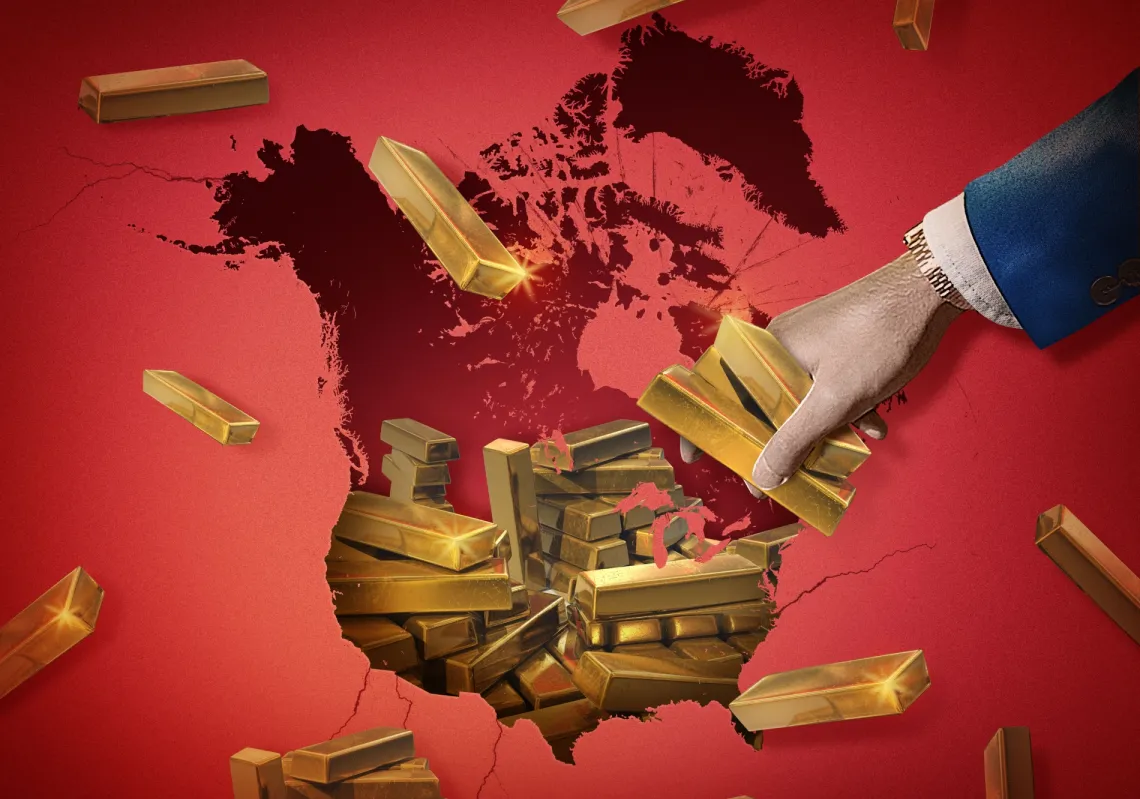
Following his meeting with Trump, and the signing of Memoranda of Understanding with major American companies, al-Zaidi now feels more secure in pursuing political measures that will rattle the establishment, whose leading figures will fight hard to protect the privileges and accumulated gains secured over recent years by means of corruption and weapons.
In Baghdad, there had been a perception that al-Zaidi’s government is opposed to Washington, so the visit had an important public relations purpose: to persuade Iraqis that the al-Zaidi government enjoys American acceptance. This is important, because most of his predecessors have operated on the belief that the strength of their governments depends largely on the strength of their relationship with Washington.
The Iran conundrum
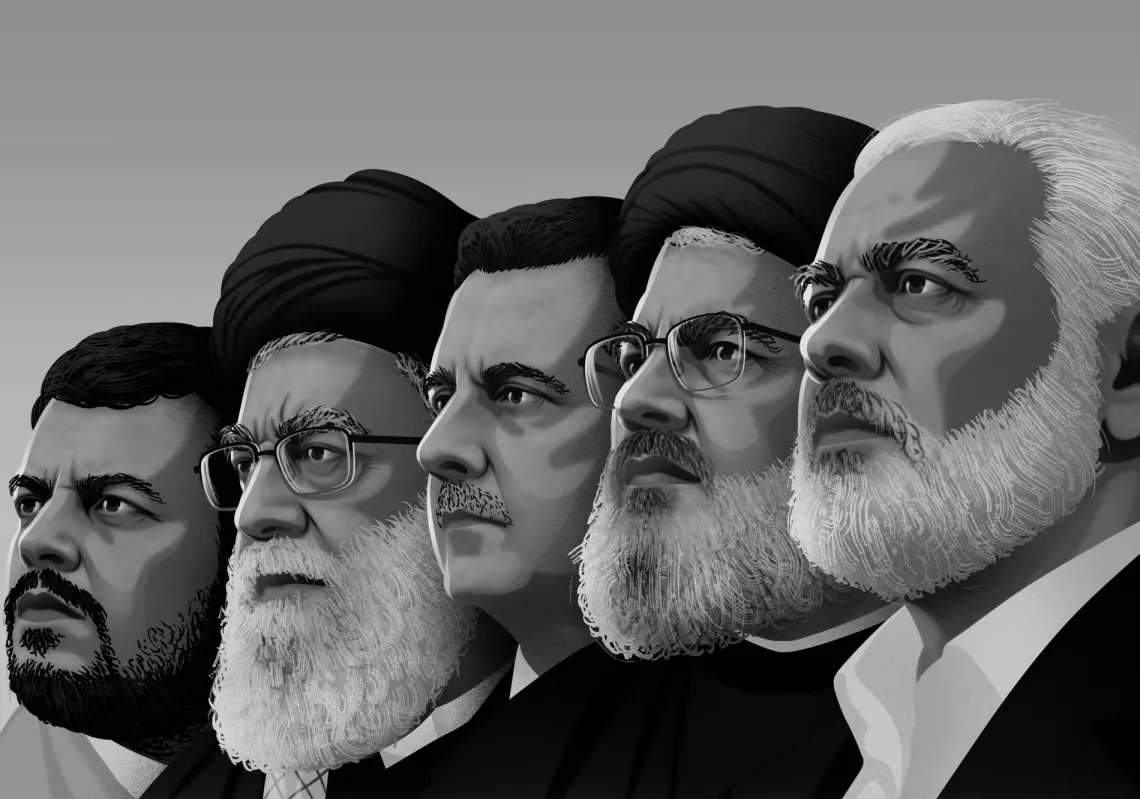
Some observers try to simplify Baghdad’s relationships with America and Iran, but they are complex and intricate. For instance, al-Zaidi attended the recent funeral of Iran’s Supreme Leader Ali Khamenei (who was killed in US-Israeli bombing in February) just days before travelling to the White House. Their warm handshakes vividly captured the tangled geography and competing political interests that shape Iraq’s foreign policy.
Al-Zaidi’s government will have to navigate these complexities and may plan to manage a hybrid security apparatus strained by internal rivalries and vulnerable to foreign intervention. Yet Washington’s desire to redraw the contours of the partnership is evident. Dealing with Iran has become more complicated since the war, given the difference in rhetoric between the Revolutionary Guard and official representatives.