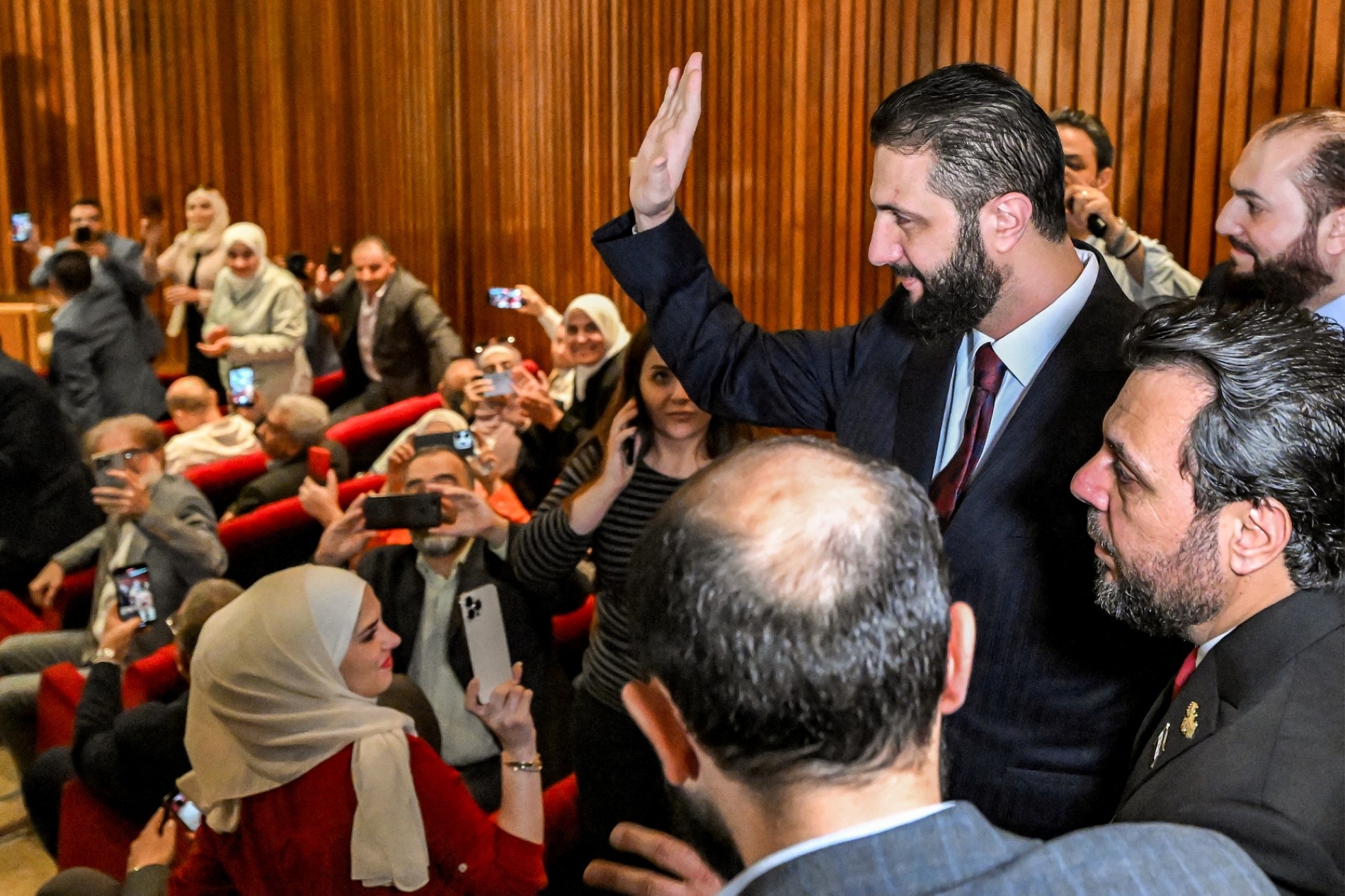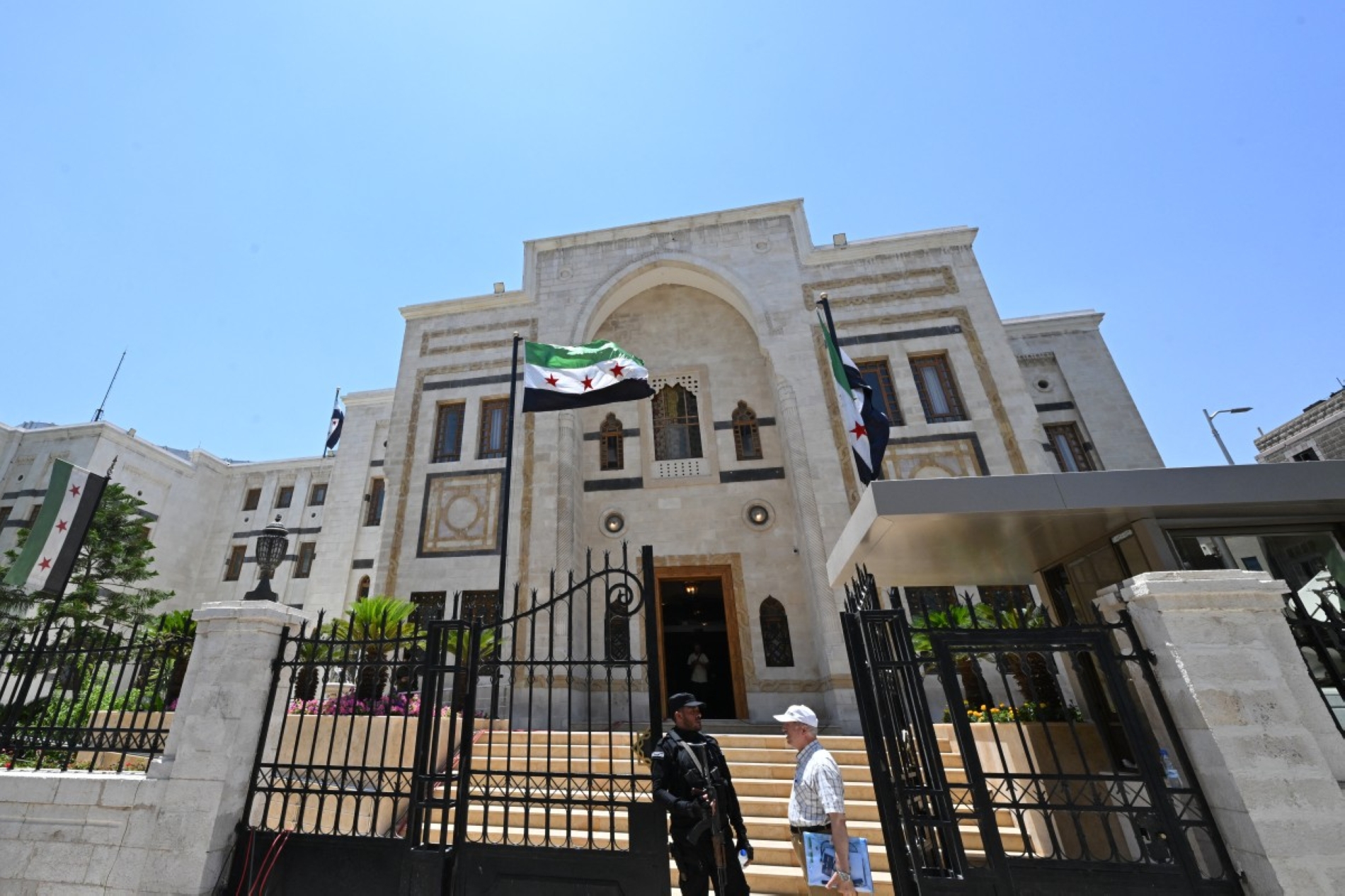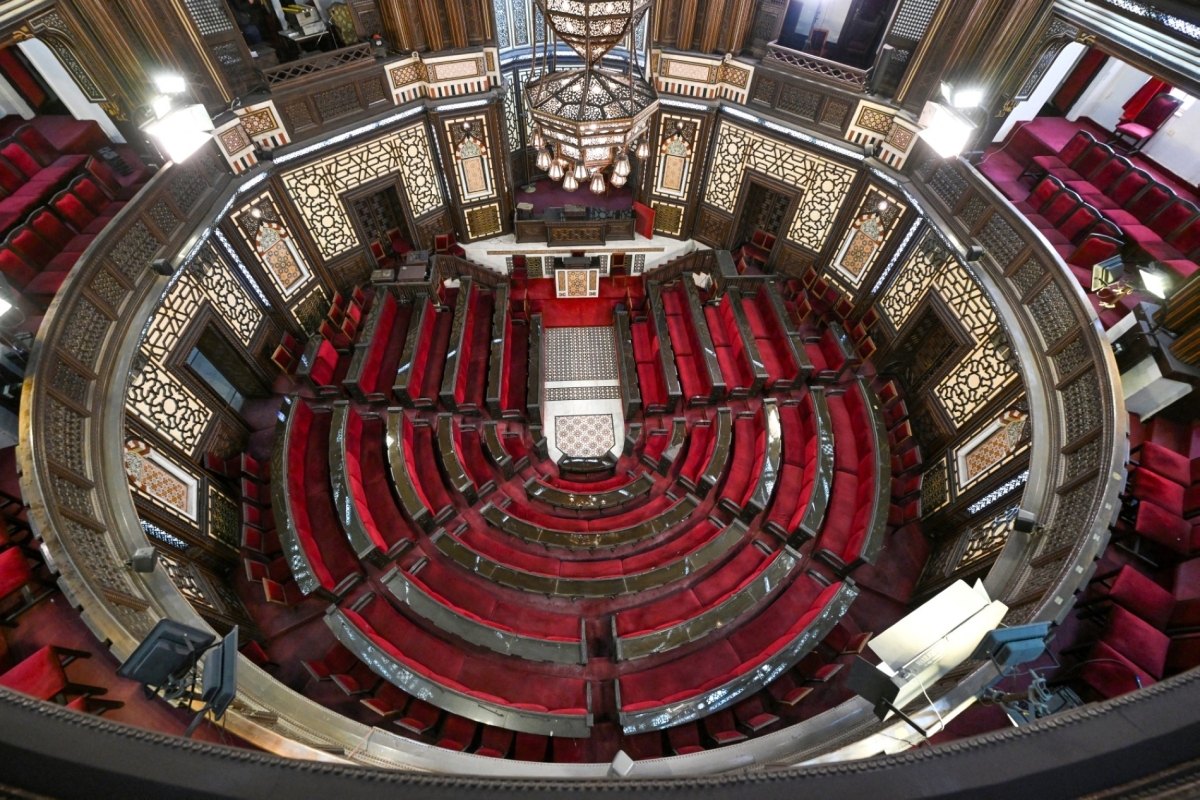

After months of anticipation, Syrian authorities have now announced the 70 lawmakers appointed by President Ahmad al-Sharaa to the country’s transitional parliament, ending a process that began more than a year ago and led to the indirect selection of 137 lawmakers in October. The president’s list improves the parliament’s diversity by adding more women, expanding the presence of some religious and ethnic minorities, and bringing in more professionals and technocrats.
Yet the new legislature remains widely criticised for being far less representative than the country it is meant to represent. The announcement was supposed to clear the way for the legislature to convene. Instead, its first session, scheduled for 7 July, was postponed with no new date. Syria’s transitional parliament now faces a central test: whether it can become a functioning institution with real authority, or whether it will remain another rubber-stamping body shaped by executive discretion and procedural uncertainty.
The debate has gone beyond who sits in parliament. It is now about whether Syria’s transitional legislature can turn an imperfect formation process into a credible institutional role. Its legitimacy will depend on whether it can give voice to the country’s wider concerns, assert its authority, scrutinise power, and engage society beyond the narrow circles through which many of its members were selected. Only then can it begin to build public trust and build towards a more inclusive transition.
The representation gap
From the outset, officials presented President Ahmad al-Sharaa’s appointments as a corrective measure, addressing representational gaps in the selection of the other two-thirds of parliament while also bringing in technocrats with relevant experience. This framing became more prominent after the process for choosing 137 lawmakers through electoral bodies formed under a committee appointed by al-Sharaa was criticised for its opacity and vulnerability to political manipulation.
Concerns continued after the results were announced, with observers reporting electoral violations and arguing that the new parliament failed to reflect Syria’s ethnic and religious diversity. Women’s representation was also far below expectations. In line with its stated objective, the president’s list addressed some of these imbalances, appointing 15 women (to make 21 female lawmakers) and 15 religious figures. Most other appointees were professionals, revolutionary figures, traditional leaders, and members of armed factions.
The representation of some ethnic and religious groups was also improved. The president’s list included two Kurds, two Alawites, and Christians, increasing the latter from one to six. One Druze figure was appointed, while the three seats allocated to the southern Sweida district remain vacant because security conditions there have prevented the establishment of electoral colleges in the province.
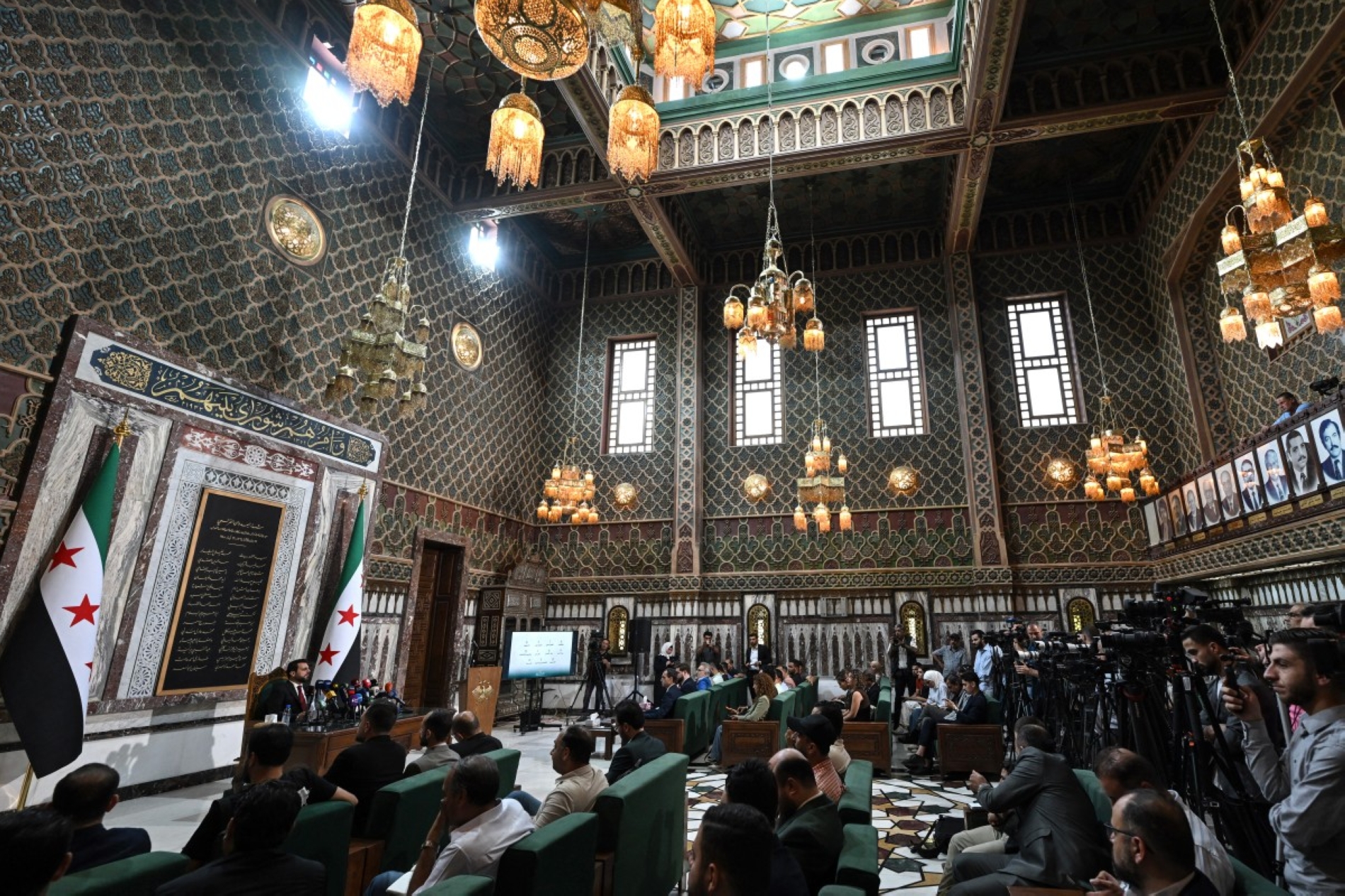
These additions matter, but diversity on paper is not the same as representation in practice. Including figures without a direct vote does not automatically mean that those communities feel represented. Much depends on who those figures are, how they are perceived, and whether they have meaningful ties to the communities or districts they are meant to represent.
In some cases, there are gaps. For instance, none of the seven Kurdish lawmakers are linked to the Kurdish-led Syrian Democratic Forces (SDF) in the north-east, which boycotted the process and was not represented in the president’s list. This does not make those seven Kurdish lawmakers irrelevant, but it does limit the extent to which they can be seen as representing the main Kurdish-led political and military actor controlling key parts of northeastern Syria.
A similar problem exists in Sweida. The Druze figure appointed by the president, Laith al-Balouth, is seen by many Druze from Sweida as pro-government, rather than as a representative of their community. At a time when Sweida’s own seats remain vacant, such appointments may do little to bridge the gap between the centre and communities that already feel politically alienated.
The problem is not only ethnic or religious; it is also geographic and political. Analysts argue that many of those selected or appointed were displaced from their communities during the war, so may not have strong ties to the people currently living in the districts they are meant to represent. Even figures affiliated with political movements, opposition bodies or established parties were included as individuals, rather than as representatives of those constituencies. This weakens parliament’s ability to reflect organised political currents and reduces representation to personal profile rather than collective mandate.
The performance test
In this environment, parliamentarians will have to build legitimacy after the fact. Their performance, visibility, and engagement with the public will determine whether their links to their constituencies strengthen or weaken over time. Their ability to perform that role will depend partly on the resources they have. Several are pessimistic, pointing out that the state does not plan to pay for MPs to hire support staff, or provide offices from which they can work.
This is not a question of privilege or prestige; parliamentary offices and staff are basic tools of legislative work. MPs are expected to review hundreds of laws, assess complex legal and policy proposals, scrutinise the executive, and respond to citizens’ concerns, often without legal or legislative experience. They will need help to understand draft laws, identify risks, and ask the right questions.