How FIFA turned the World Cup into a giant money-making machine

Billions of dollars are streaming into the Swiss-based organisation from broadcasting rights, advertising revenue, and ticket and hospitality sales, but have the fans been left high and dry?

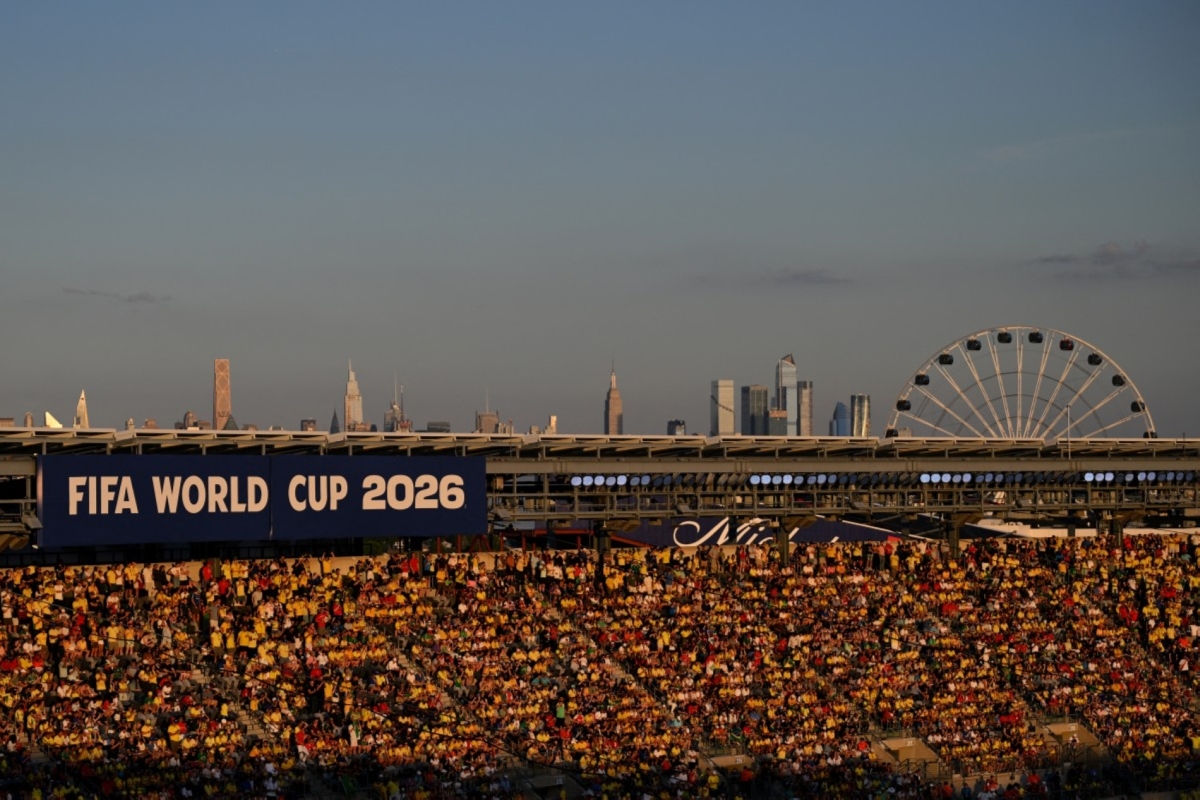
This view shows the stand and the skyscrapers of New York during the 2026 World Cup Group C football match between Brazil and Morocco at the New York/New Jersey Stadium in East Rutherford on 13 June 2026.
Angela WEISS / AFP
This view shows the stand and the skyscrapers of New York during the 2026 World Cup Group C football match between Brazil and Morocco at the New York/New Jersey Stadium in East Rutherford on 13 June 2026.

How FIFA turned the World Cup into a giant money-making machine

Behind the lights and vast stadia hosting the 2026 World Cup across the United States, Canada, and Mexico, a giant economic engine will be in motion, churning out billions of dollars. The show is being managed by the Fédération Internationale de Football Association (FIFA), a world football governing body. Based in Switzerland, it counts more than 200 national football associations as members, and every four years, it turns the world’s passion for the sport into revenue.

According to FIFA’s financial reports and analyses by specialised institutions, revenue for the 2023–26 cycle could approach $13bn, including around $8.9bn in 2026 alone. The wider commercial impact associated with the tournament is estimated at $10.9bn and is the result of a carefully designed strategy developed over decades.

The World Cup harnesses football’s immense global appeal, reaching billions of viewers worldwide. This transforms the tournament from a sporting competition into a vast commercial event incorporating media, marketing, sponsorship, commerce, and travel. This year’s tournament is much bigger, having expanded to include 48 teams and 104 matches, up from 64 under the previous format. This means more days of live broadcasting, more advertising, and more tickets.

Television and digital broadcasting rights are the financial propeller. FIFA sells the rights to broadcast matches and related content to networks and digital platforms in more than 175 countries and territories. At the 2026 World Cup, these rights could generate up to $4bn, around 44% of the tournament’s total revenue, surpassing the $3.4bn generated by broadcasting at Qatar in 2022.

Much of this increase reflects growing global demand for broadcasting rights, particularly in major markets. In the United States, the value of rights linked to the 2026 World Cup has risen by about 94% compared with 2022, driven by the country’s role as co-host and intensifying competition among major broadcasters and media platforms for live sports content.

Digital platforms such as DAZN, YouTube, and Apple TV have also broadened the reach of sports broadcasting by offering live matches, related programming, and short-form content. Their revenue models span subscriptions, advertising, and digital sponsorships, further strengthening the commercial value of sports content.
REUTERS/Jennifer Gauthier
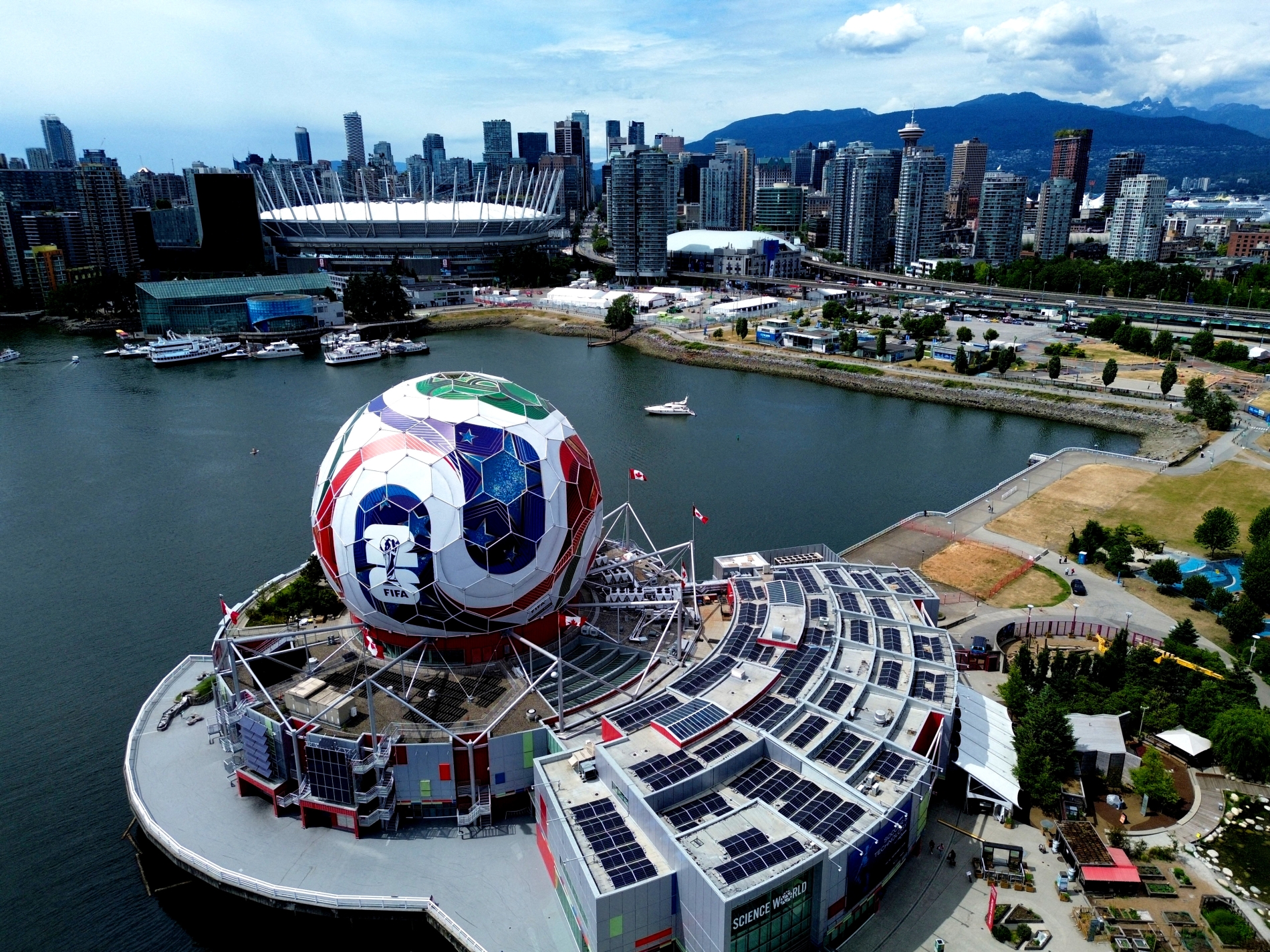
A drone image of Science World, which has been transformed into a 360-degree, 40-metre-diameter re-creation of a match ball ahead of the FIFA World Cup soccer tournament, in Vancouver, British Columbia, Canada, on 3 June 2026.

Geography into opportunity

Compared to tiny Qatar, the 2026 World Cup is spread across a vast continent in multiple time zones, which may prevent millions in Asia, Europe, and the Middle East from watching matches live. FIFA has sought to turn this challenge into an investment opportunity through digital broadcasting rights and rapid smartphone highlights. Through the FIFA+ app and partnerships with social media platforms, it is generating advertising revenue with ‘next-morning highlights’ and fast-spreading Reels.

While FIFA’s revised official budget projects marketing rights revenue of $1.78bn, several independent institutions and analysts expect sponsorship revenue specifically linked to the 2026 World Cup to reach $2.7-2.8bn. Corporate giants such as Adidas, Coca-Cola, Aramco, and Visa pay vast sums for visibility on digital stadium boards, in advertisements, and at associated events. More matches in 2026 means more promotional space and opportunity for corporate partners.

Inside the stadia, tickets and hospitality packages tell the most striking growth story. At Qatar 2022, ticketing and hospitality revenue was $950mn ($686mn from ticket sales, $243mn from hospitality rights). In 2026, that figure is expected to hit $3bn, driven by higher ticket prices and a sharper focus on luxury hospitality packages.
FIFA's revenue for the 2023–26 cycle could be approaching $13bn, including around $8.9bn in 2026 alone

FIFA retains full sales rights through one of its subsidiaries and is targeting fans seeking all-inclusive experiences, including luxury VIP seats, premium hospitality areas, five-star dining, behind-the-scenes access, and side events. This model raises average revenue per fan by drawing on the capacity of North America's large stadia. Yet the pricing strategy has not been without controversy.

In recent weeks, authorities in New York and New Jersey opened a legal investigation into ticketing practices for the tournament after complaints over 'dynamic pricing' and sharp price increases, as well as media reports alleging artificial ticket scarcity and unclear information about seat locations. This reflects the tension between FIFA's drive to maximise revenue and fans' demands that the event remain affordable. The most profitable tournament in history may be remembered as one of the least accessible.

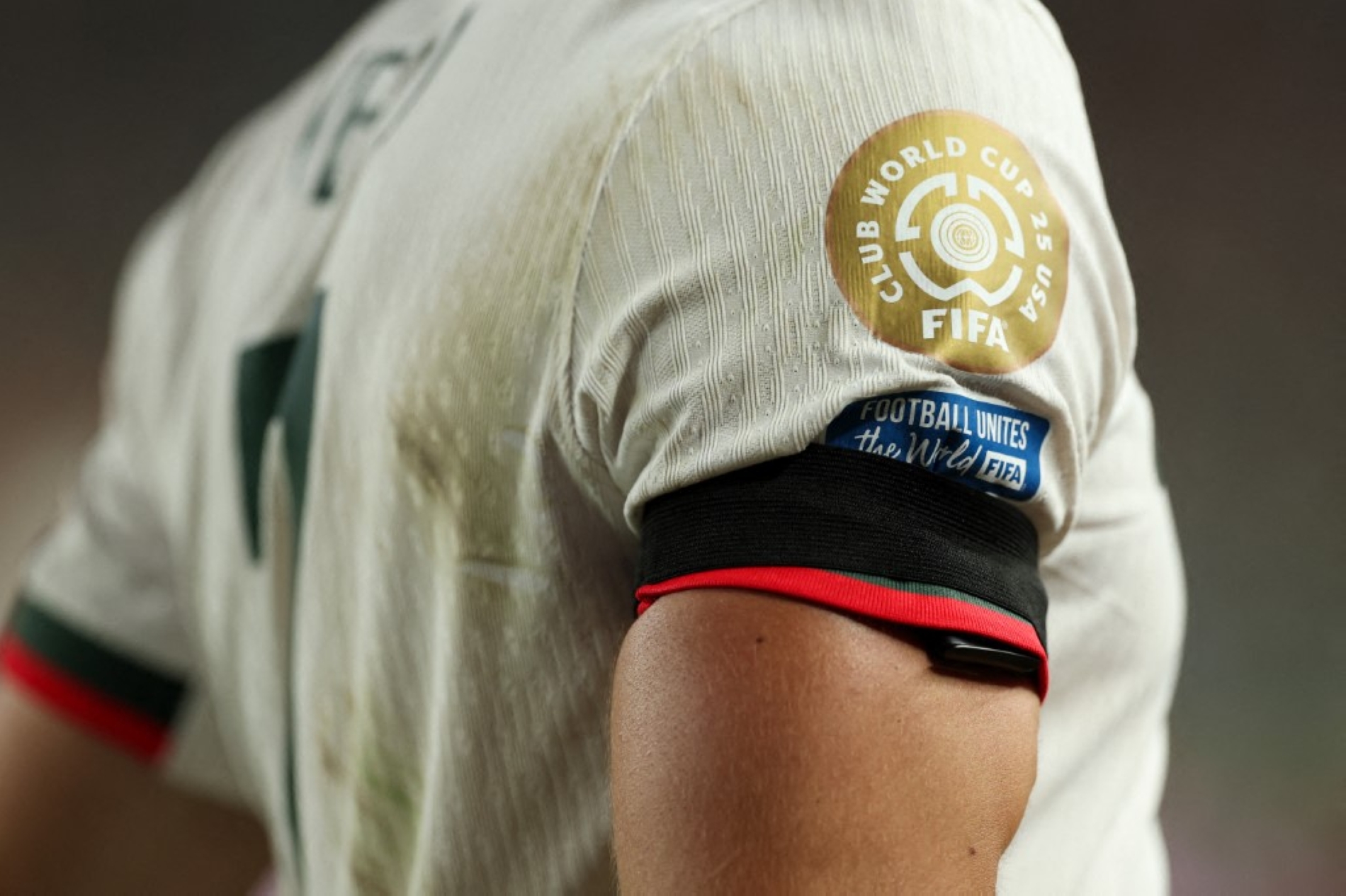
Licensing rights are expected to add around $669mn to FIFA's revenue during the 2023-26 cycle, according to the federation's official budget. These rights cover licences to use the World Cup brand and logo on shirts, balls, souvenirs, and consumer products in exchange for royalties. 

 Dan Mullan / AFP
The FIFA Club World Cup logo is seen on the shirt of Pedro Neto #7 of Chelsea FC during a FIFA Club World Cup 2025 quarter-final match on 4 July 2025, in Philadelphia, Pennsylvania.

Expanding digital presence

FIFA is also expanding its digital presence through e-commerce platforms, blockchain-based digital collectables, and initiatives linked to digital gaming. These products are sold in stadia, online, and across global markets. Revenue streams include associated events such as Fan Festivals, which attract millions of visitors and generate additional income from local sponsorships.

Owing to the commercial success, the FIFA Council decided to raise the total financial allocations for the 48 teams participating in the 2026 World Cup by an additional 15%, bringing them to $871mn. This raises the preparation allocation for each team from $1.5mn to $2.5mn, qualification rewards from $9mn to $10mn, and more to cover expenses and expand teams' ticket allocations, with a total exceeding $16mn.

FIFA's revenues for the 2023-26 cycle are distributed according to approximate shares that reflect its strategic priorities. Television and digital broadcasting rights account for the largest share, followed by ticketing and hospitality packages, sponsorship and marketing, and licensing rights and merchandise.

As national teams chase the golden trophy, FIFA harvests billions of dollars.

The men's World Cup remains FIFA's principal source of funding. Although the tournament is touted as an economic opportunity for host countries, FIFA remains the principal beneficiary, since it retains most broadcasting, sponsorship, and licensing rights and benefits from broad tax exemptions, while host governments bear the costs of security, transport, infrastructure, and associated events.

There is an ongoing debate over the fair distribution of returns between FIFA and the host cities, with some host cities not seeing gains commensurate with their spending. Local reports from cities such as New York, Los Angeles, and Atlanta indicate that municipal authorities are pressing hard to increase their share of revenues from Fan Zones and local retail sales, after it became clear that FIFA controls the major financial transactions while receiving full tax exemptions from the states.

As the 2026 World Cup gets underway, FIFA is once again showing how to turn football passion into sustainable wealth. Behind the goals and celebrations, a highly complex economic system is at work, one that has made the World Cup the most successful commercial event on earth. As national teams chase the golden trophy, FIFA harvests billions of dollars. The question is how to balance those immense profits with the popular magic of the game—and with the interests of the fans who create it.

font change