State assassinations: whack-a-mole or strategic weapon?

When it comes to killing politically prominent people, countries are often best placed to do so, as a long history of state assassinations attests. But is there any evidence that it is effective?

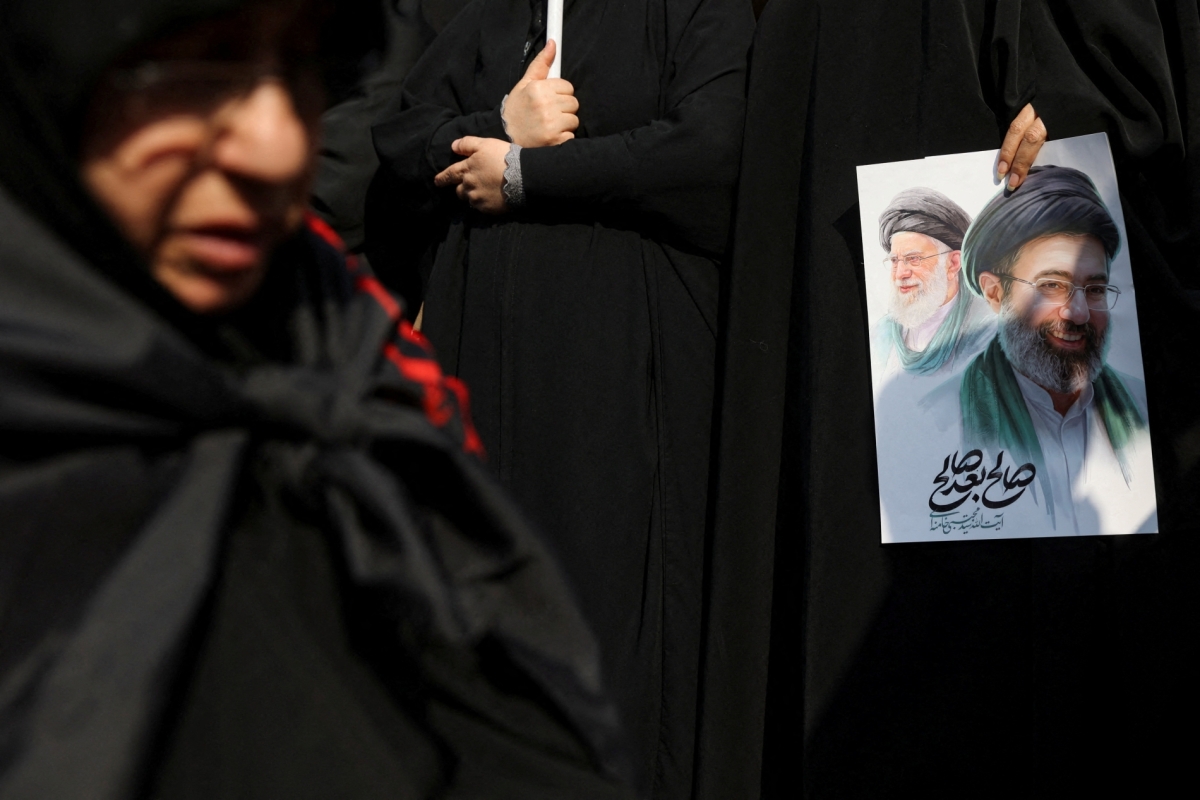
A woman holds an image of Iran's new supreme leader, Mojtaba Khamenei, alongside late Iranian Supreme Leader
Ayatollah Ali Khamenei. States have the resources, reach, and expertise to pursue their enemies.
WANA via Reuters
A woman holds an image of Iran's new supreme leader, Mojtaba Khamenei, alongside late Iranian Supreme Leader Ayatollah Ali Khamenei. States have the resources, reach, and expertise to pursue their enemies.

State assassinations: whack-a-mole or strategic weapon?

Once upon a time, terrorists had a monopoly on killing the prominent. Between 1894 and 1901, individuals acting in the name of anarchism assassinated the president of France, the prime minister of Spain, the empress of Austria, the king of Italy, and, most spectacularly of all, the president of the United States.

In the aftermath of the 1901 murder of President William McKinley in Buffalo, New York, the United States government organised what amounted to the first ever international effort to combat terrorism. It and other countries also improved security around prominent political leaders; in the US, the Secret Service began guarding presidents on a full-time basis in 1902.

Protecting the prominent did not make assassinations by non-state actors impossible. In October 1934, for instance, a lone gunman killed King Alexander I of Yugoslavia and the French Foreign Minister Louis Barthou in Marseille, France. And, of course, Lee Harvey Oswald managed to murder President John F. Kennedy in Dallas, Texas in November 1963.

Greater state resources to protect leaders did, however, make it considerably more difficult for non-state actors to carry out attacks. Ironically, those best placed to assassinate the politically important were states. They had the resources, reach, and expertise to pursue their enemies.

Overt and covert

Two distinct types of state assassinations would emerge in the 20th century and continue to the present. One involves the open killing of a leader or prominent political figure by state agencies where responsibility is clear and even potentially desired as a means of ‘sending a message’. The other has blurred boundaries between state and non-state actors. Sometimes this is to obscure accountability.

The most consequential assassination of the 20th century fits in the latter category: the murder of Archduke Franz Ferdinand and his wife in Sarajevo in June 1914 that sparked World War One. Although Gavrilo Princip (one of six Bosnian-nationalist assassins in town that day) fired the fatal shots, he and his team had considerable assistance from Serbian state agencies.
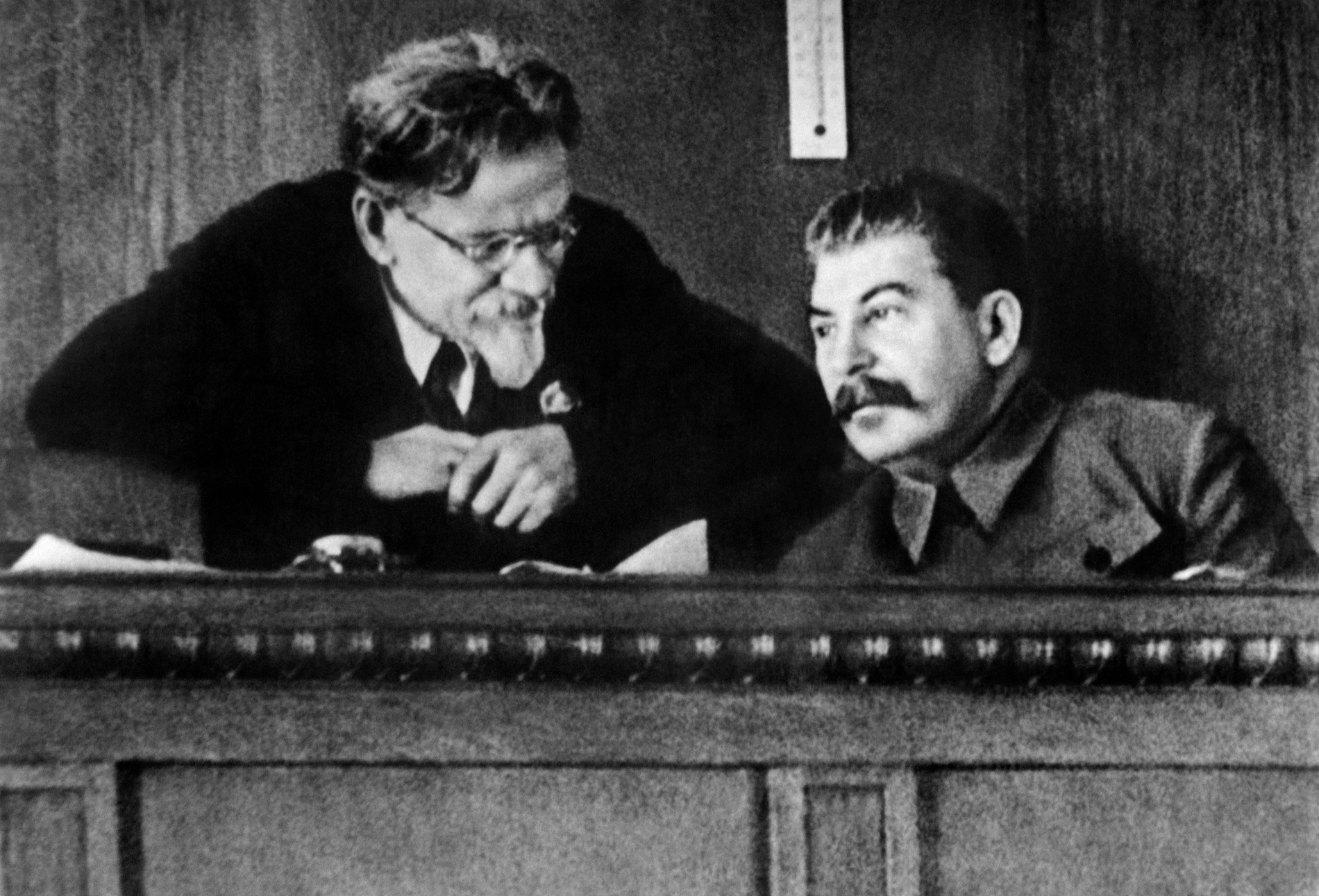
 AFP
Soviet leader Joseph Stalin and Central Committee member Mikhail Kalinin in Moscow in the 1930s. Stalin had his rival Leon Trotsky killed in 1940.

Across the 20th and 21st centuries, two countries have proven to be masters of assassination against political leaders using both the open and hidden approaches. One is Russia (and its predecessor, the former Soviet Union). A complex plot by the Soviet intelligence agency NKVD led to the killing of Stalin’s great political enemy, Leon Trotsky, via an ice axe to the head in Mexico City in August 1940.

Since the end of the Cold War, and especially during the rule of former KGB agent Vladimir Putin, assassinations against Russian political opponents have been repeatedly carried out directly by Russian intelligence or by operatives working on their behalf.

Ice picks and antidotes

A long list of Russian state enemies across several countries have ended up dead, including Zelimkhan Yandarbiyev, a former president of Chechnya, who Russia accused of involvement in terrorism. While in Qatar in 2004 trying to gain recognition for an independent Chechen Republic, he was blown up by a car bomb. A Qatari court eventually convicted two Russians of the crime, the judge linking their actions to the Russian state.
The most consequential assassination of the 20th century was the murder of Archduke Franz Ferdinand in Sarajevo in June 1914 that sparked World War One

The other country that has consistently engaged in assassinations—and on an industrial scale, well beyond the Russian numbers—is Israel. For decades, almost as a type of statecraft, it has assassinated well over 100 opponents, both lower-level functionaries and prominent political leaders. The Steven Spielberg movie Munich tells the story of a Mossad hit squad sent to kill those connected with the 1972 terrorist attack on the Israeli team at the Munich Olympics.

Among the most prominent individuals killed by Israel was Sheikh Ahmed Yassin, the wheelchair-bound founder of Hamas. He was killed with a missile in 2004. Already in 1997, Mossad had poisoned Khaled Mashal, the then political head of Hamas, in a failed operation that ended with Mossad supplying the antidote to save his life. He narrowly avoided death again in September 2025 when Israel launched an air attack on Hamas's leaders in Qatar.

In Beirut in 2024, perhaps emboldened by its past efforts and the increasing number of countries engaging in assassinations, Israel killed the leader of Hezbollah, Sheikh Hasan Nasrallah. This year, it killed the Supreme Leader of Iran, Ali Khameini. In between and since, Israel has been killing Hamas leaders in Gaza, sometimes just days after they have replaced that last slain leader.

A crowded field

Although Israel and Russia are world leaders in assassinating enemies, other countries have participated in comparable actions. Over decades, North Korea has targeted several South Korean politicians, including (unsuccessfully) the then president of South Korea in 1968 and 1983.

The United States has its own lengthy history of involvement in assassinations. The Central Intelligence Agency tried to kill Cuban leader Fidel Castro dozens of times in the 1960s through a variety of hair-brained schemes, including poisoned cigars. A CIA scientist carrying a bag full of poisons had also been sent to kill prominent Congolese politician Patrice Lumumba in 1961, but the Congolese military killed Lumumba before the plot could be carried out.  

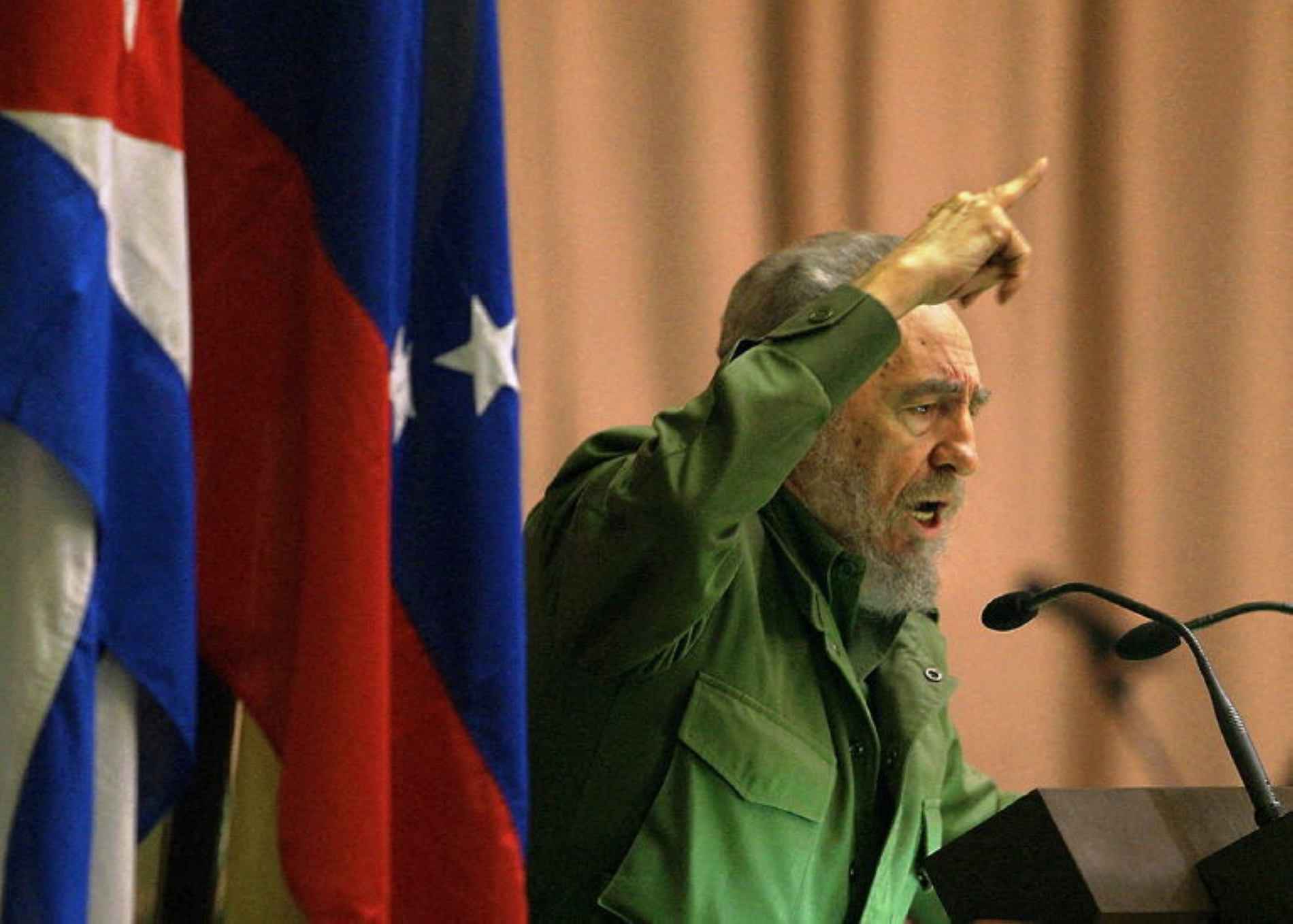
Adalberto Roque / AFP
Cuban President Fidel Castro speaks on 13 April 2004 in Havana. For years, the CIA tried to assassinate him, to no avail.

When details of CIA assassination efforts against Castro were made public in the early 1970s as part of a series of scandals involving America's foreign intelligence agency, President Gerald Ford issued Executive Order 11905 in 1976. This banned US government agencies from engaging in political assassinations anywhere in the world. The two presidents to follow Ford, Jimmy Carter and Ronald Reagan, enacted their own versions of the prohibition.

Targeted killings

To what extent these orders restricted US assassination attempts is a different debate. A car bomb in Beirut in March 1985 was aimed at eliminating a senior Shia cleric linked to Hezbollah, but it missed its intended target, killing 80 people in the process. In his book Veil, veteran American journalist Bob Woodward, who broke the Watergate scandal, alleges that the attack was sponsored by the CIA.

Just over a year after the Beirut debacle, the US air force bombed Libya in retaliation for alleged Libyan involvement in a terrorist attack on American service personnel in West Berlin. Among the targets was a residence of Libyan leader Muammar Gaddafi. The White House recognised that Gaddafi might be killed in the attack and a press statement was even prepared in case he was.

Any final restraints on American state assassinations ended with al-Qaeda's terrorist attacks using hijacked planes on 11 September 2001 (aka '9/11'). In 1998, the Clinton administration had used cruise missiles to try to kill al-Qaeda leader Osama bin Laden in Afghanistan. After 9/11, 'targeted killings' became a regular American practice, including through drone strikes and raids of the type that eventually ended bin Laden's life in 2011.

Given the prevalence of state assassinations, including of the politically prominent, the assumption would be that such methods are strategically effective. Such a conclusion is difficult to prove. Indeed, given the scale of Israeli assassinations combined with the reality that it still finds itself at war on multiple fronts in 2026, it is hard to see whether the killings have made any difference. Instead of eliminating a threat, perhaps killing your enemy merely creates more enemies.

font change