
US President Donald Trump’s regular social media announcements hint at an imminent deal between the United States and Iran that would open the Strait of Hormuz, with US Secretary of State Marco Rubio adding to the expectations with his comments while visiting India, but Iran has suggested that a deal is still some way off, leaving observers guessing.
In the background is Pakistan, where talks have been taking place. Islamabad has good relations with both Tehran and Washington and had offered to mediate. That has required a delicate balancing act to keep Iranian and American egos in check. It has also meant senior Pakistani officials meeting or speaking to their peers in Beijing, Riyadh, Doha, and Ankara. In many ways, it resembles a game of chess.
The content of the US-Iran deliberations has not been secret because the issues are publicly known. The main point of agreement for now seems to be that Iran will publicly renounce any attempts to get nuclear weapons, abandon enrichment, and open their nuclear sites for international inspection.
Takes some convincing
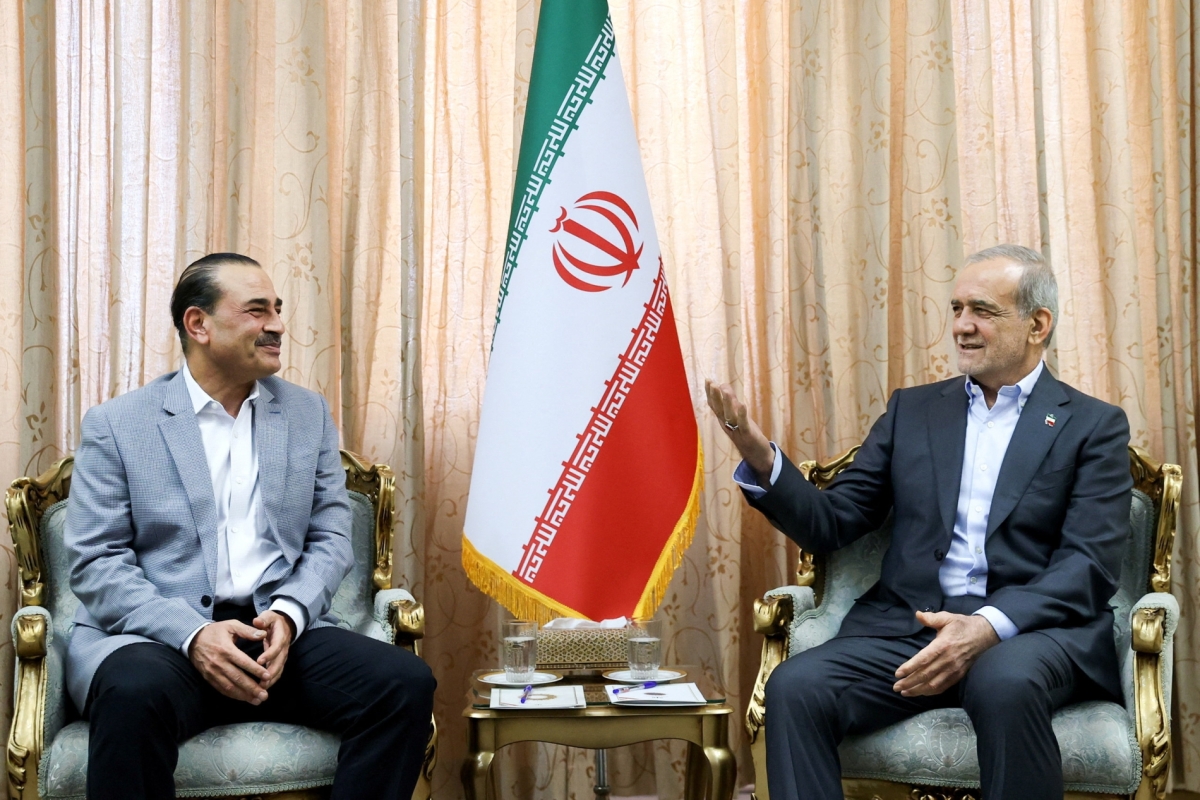
For decades, Iran has said it considers nuclear weapons to be ‘un-Islamic’ and Iranian President Masoud Pezeshkian has said that Iran will never pursue nuclear weapons and wants to assure the international community as such. Yet many, including Trump, will take some convincing. This makes verification an important subject for negotiators. Interestingly, even though Beijing is an Iranian ally, China and the United States are on the same page when it comes to Iran’s pursuit of a nuclear weapon.
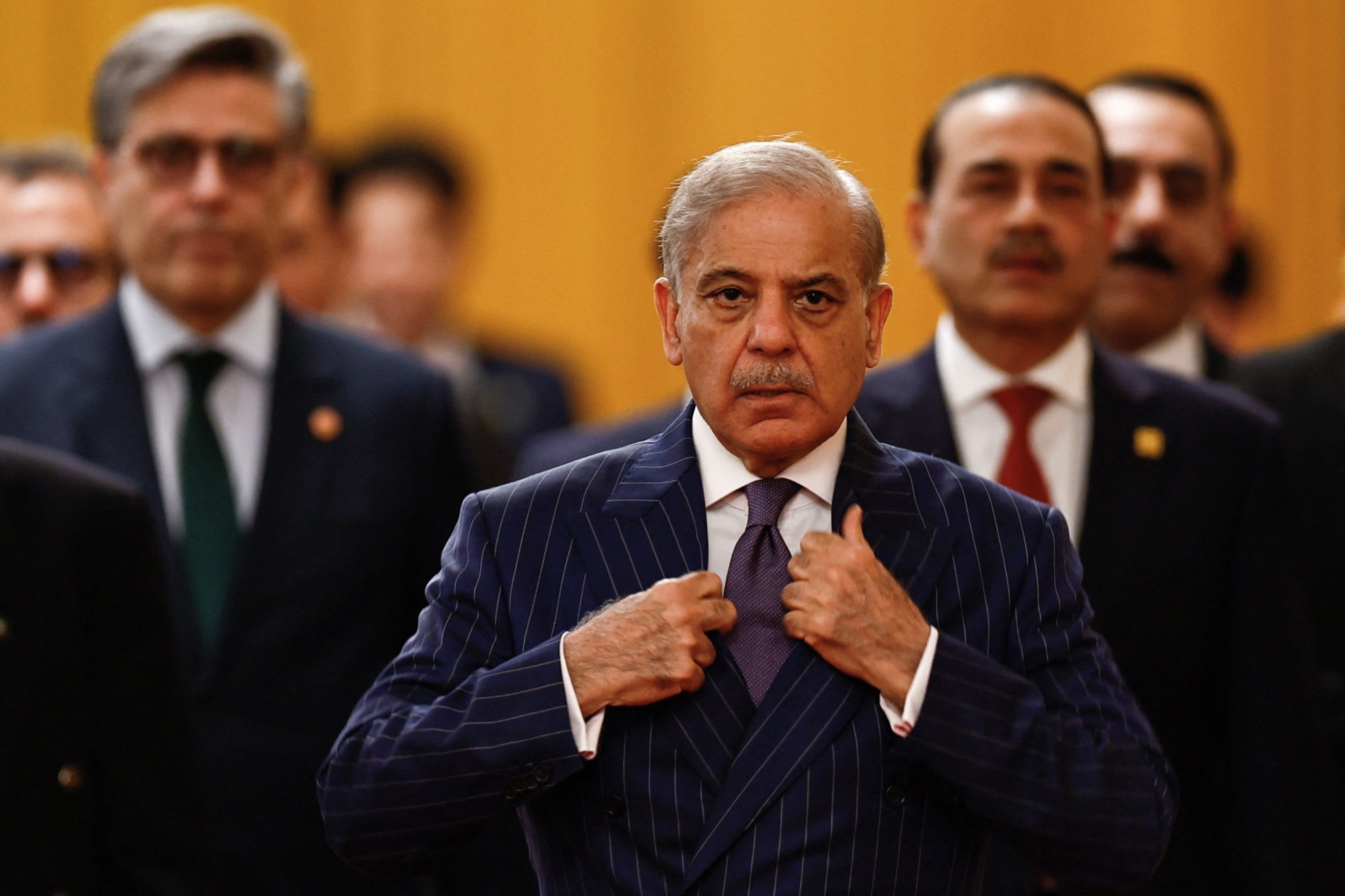
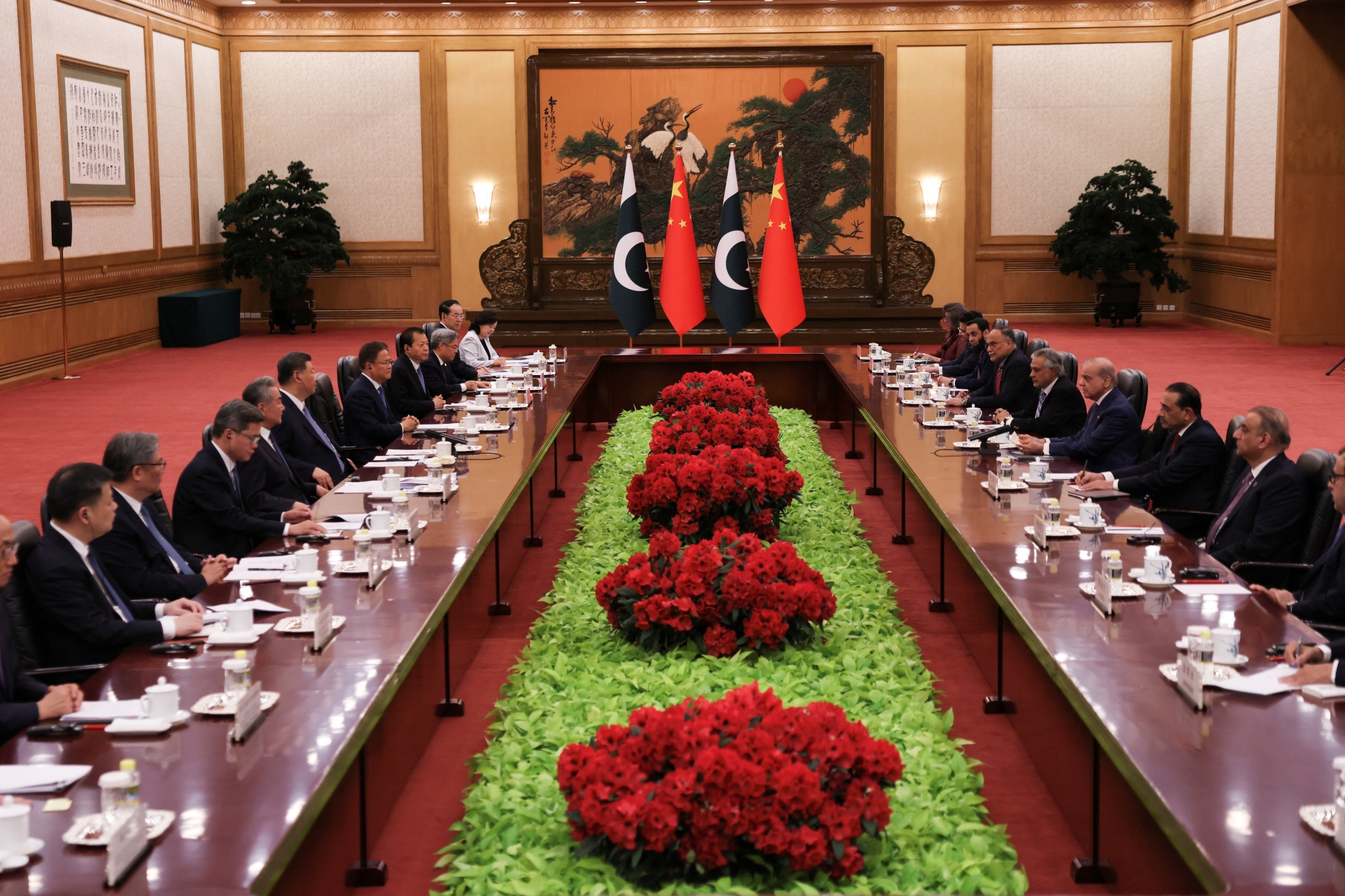
Pakistan’s prime minister and foreign minister have both visited China in recent weeks, while Field Marshal Asim Munir has been in Iran this week, but important players in the Gulf and wider Middle East are also being consulted. Members of the Gulf Cooperation Council have borne the brunt of the fighting since 28 February and have been very clear that they need to be part of any final deal reached by Islamabad, where two Saudi ministers were present during the visit of US Vice President JD Vance.