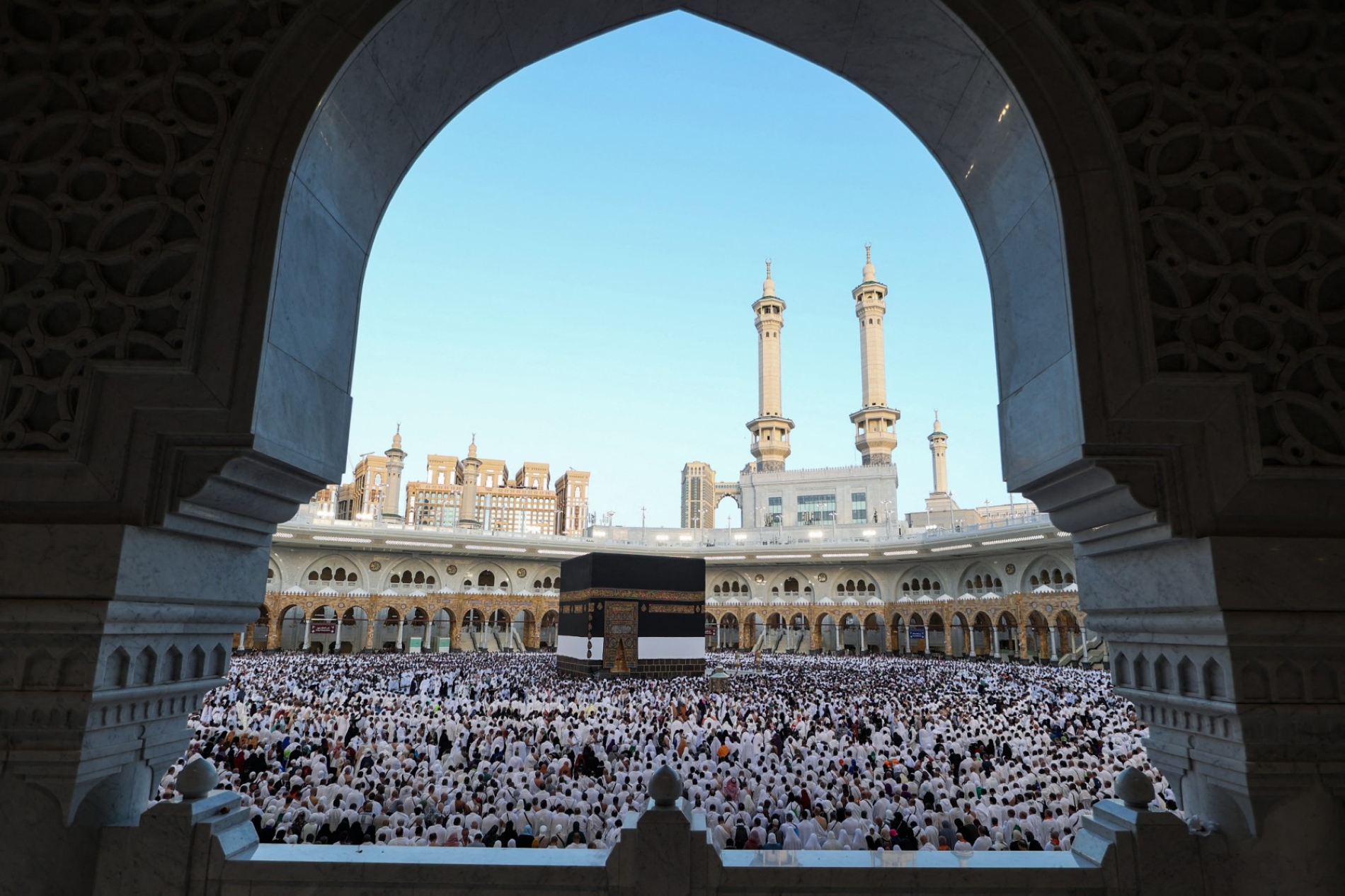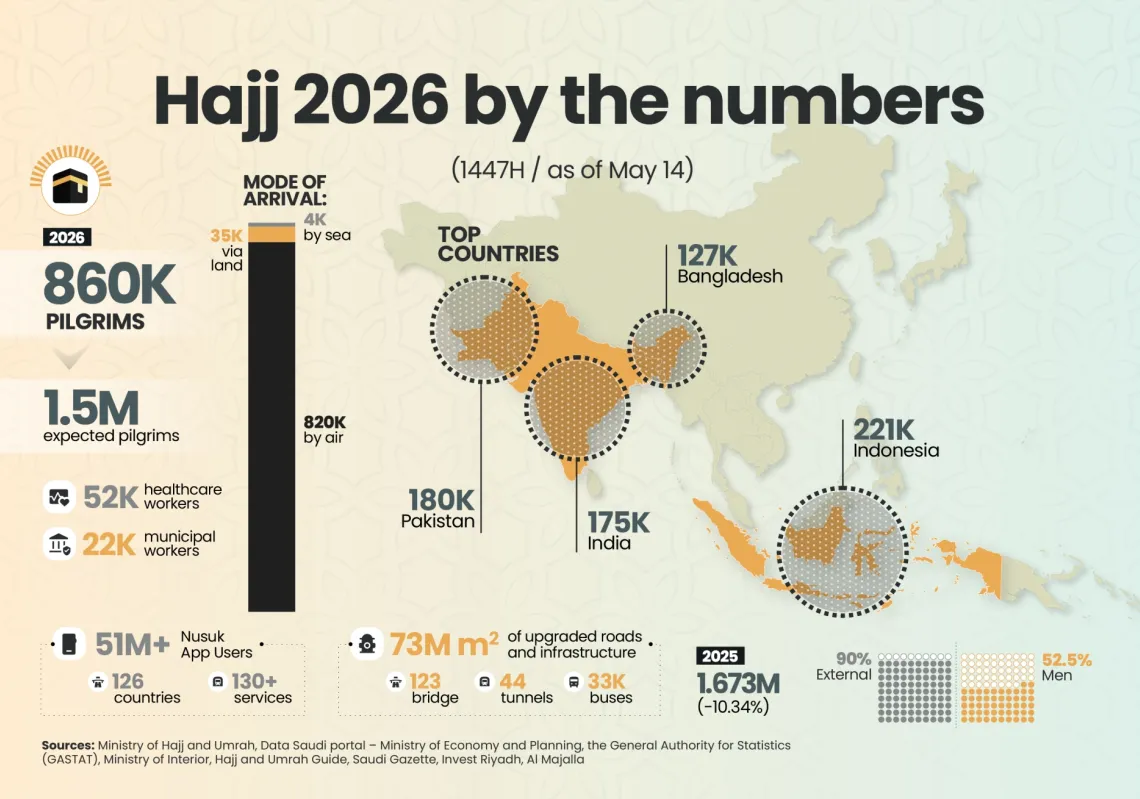

The number of Muslims travelling to Mecca and Medina in Saudi Arabia to perform the Hajj pilgrimage this year is estimated at around 1.5 million, slightly down from last year’s 1.67 million. They are due to arrive from 180 countries, with the vast majority arriving by air, but some 4,000 arriving by sea.
Pilgrimage quotas are allocated among countries according to a system that grants 1,000 places for every one million Muslims. Each country’s share is therefore tied to the size of its Muslim population, in line with the quota system adopted by Saudi Arabia in 1988. According to 2024 data from the Makkah Route Initiative, one of the projects under Vision 2030, Indonesians made up the largest share of beneficiaries, at 39.9%, followed by Bangladeshis at 23.4%, Pakistanis at 16.5%, Malaysians at 9.5%, Turks at 5.8%, Moroccans at 2.8% and Ivorians at 2%.
The initiative allows pilgrims to complete entry procedures to Saudi Arabia at airports in their home countries before being transported directly to their accommodation in Mecca and Medina. This year, the initiative covers 10 countries: Morocco, Indonesia, Malaysia, Pakistan, Bangladesh, Turkey, Côte d’Ivoire, the Maldives, Senegal and Brunei, the latter two having been included for the first time.
Iran war repercussions
By May 2026, the number of registered pilgrims for the 2026 Hajj season had reached 860,000, but rising costs from the war in the Gulf are expected to weigh on this year’s pilgrimage season. The cost of performing Hajj was already high. The main driver of these increases is the cost of airfares, fuelled by higher jet fuel costs and tighter supplies following the closure of the Strait of Hormuz by Iran.
Jet fuel prices have doubled since February. A Reuters report published in April noted that the fuel crisis had added more than $100 to the cost of some long-haul tickets. Until the war ends, ticket prices are not expected to fall. The increases weigh heavily on pilgrims of all nationalities. Indonesia’s Minister of Hajj and Umrah, Muhammad Irfan Yusuf, said the cost of Hajj flights had risen this year from $410mn to $520mn.
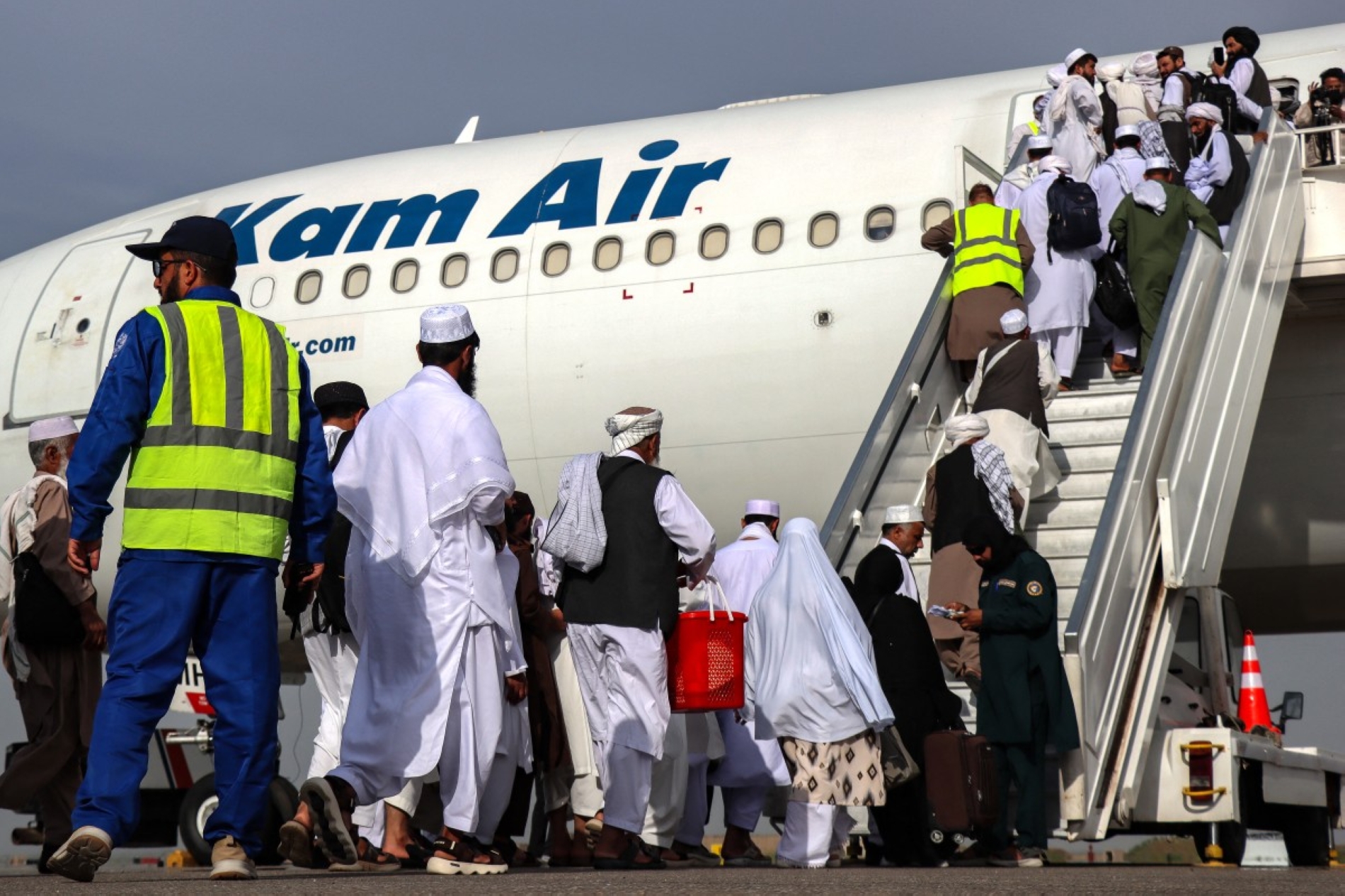
Indonesian carrier Garuda Indonesia requested an additional $56.7mn and proposed raising the cost of Hajj by $464 per pilgrim, after flight times increased by about four hours and jet fuel consumption rose by roughly 12,000 tonnes. Saudia also proposed an increase of $480 per pilgrim, based on jet fuel reaching $1.37 per litre. The minister explained that the cost of Hajj in 2026 could reach $2,875 per pilgrim if flights continue to operate on their current route, or $3,000 if they are rerouted. He said the Indonesian government would absorb the sharp rise in costs to spare pilgrims the burden.
Pakistan’s Religious Affairs Minister Sardar Yusuf said the government would not raise Hajj costs for pilgrims, despite the global increase in oil prices, following agreements reached with airlines. Around 179,210 Pakistani pilgrims are taking part this year. Hajj package costs in Pakistan for 2026 had been expected to rise by roughly 5-15%, with official packages ranging between $4,128 and $4,487 per pilgrim. Indian pilgrims face an additional charge of $117, due to the ‘exceptional circumstances’ created by the continuing crisis in Iran. A total of 175,025 pilgrims from India are expected to travel to Saudi Arabia to perform Hajj this year.
Bearing the brunt
In the Arab world, Egyptians will be among those bearing the brunt of this year’s higher costs. Egyptians entered the 2026 Hajj season expecting a slight decline in costs compared with last year, after most Hajj programmes fell by 2-5%, but the marked rise in airfares has eroded much of the anticipated saving. Flight prices between Egypt and Saudi Arabia have increased by 10-15%.
Some Egyptian packages are almost $6,000 per person, driven by higher airfares and accommodation. Nigeria has taken a similar approach. Chair of the National Hajj Commission Ismail Abba Yusuf said the federal government was weighing a set of measures to support Nigerian airlines to cushion the impact of soaring global jet fuel prices ahead of the Hajj season.